Visual checkpoints for Negotiating with Chinese Suppliers : Cultural Bridge & Proven Tactics That Actually Work
Additional realistic images have been added to support the page content while keeping the current LIFA layout and card styling.
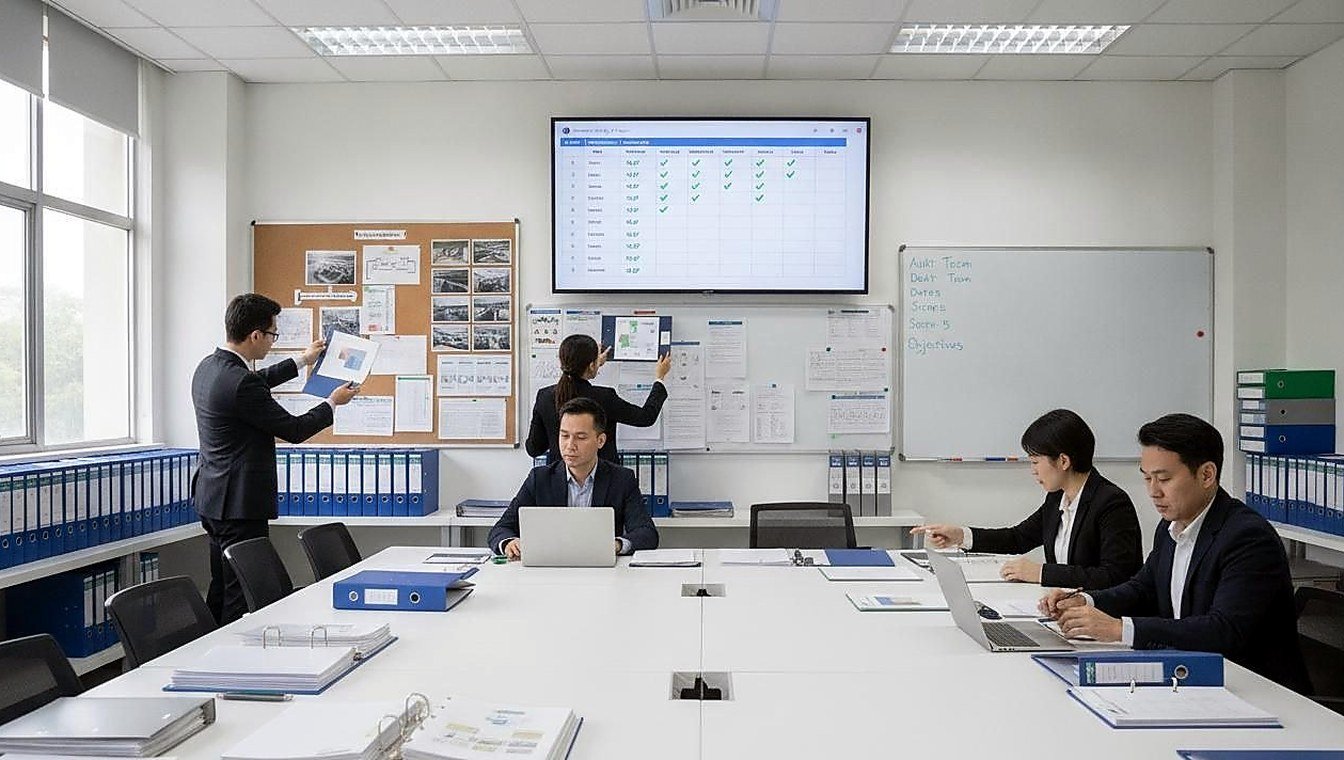
Supplier shortlist
A practical view of the sourcing work behind this page.
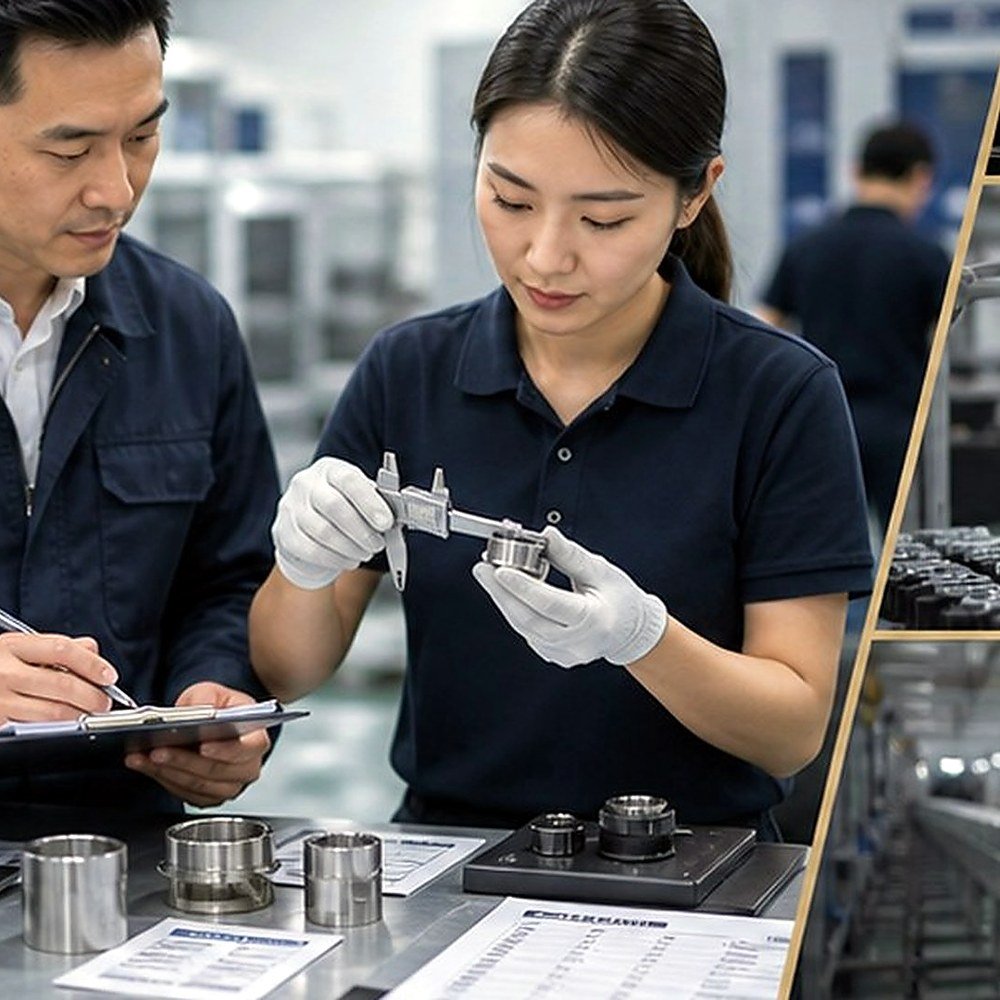
Factory review
Details buyers can review before they compare supplier options.
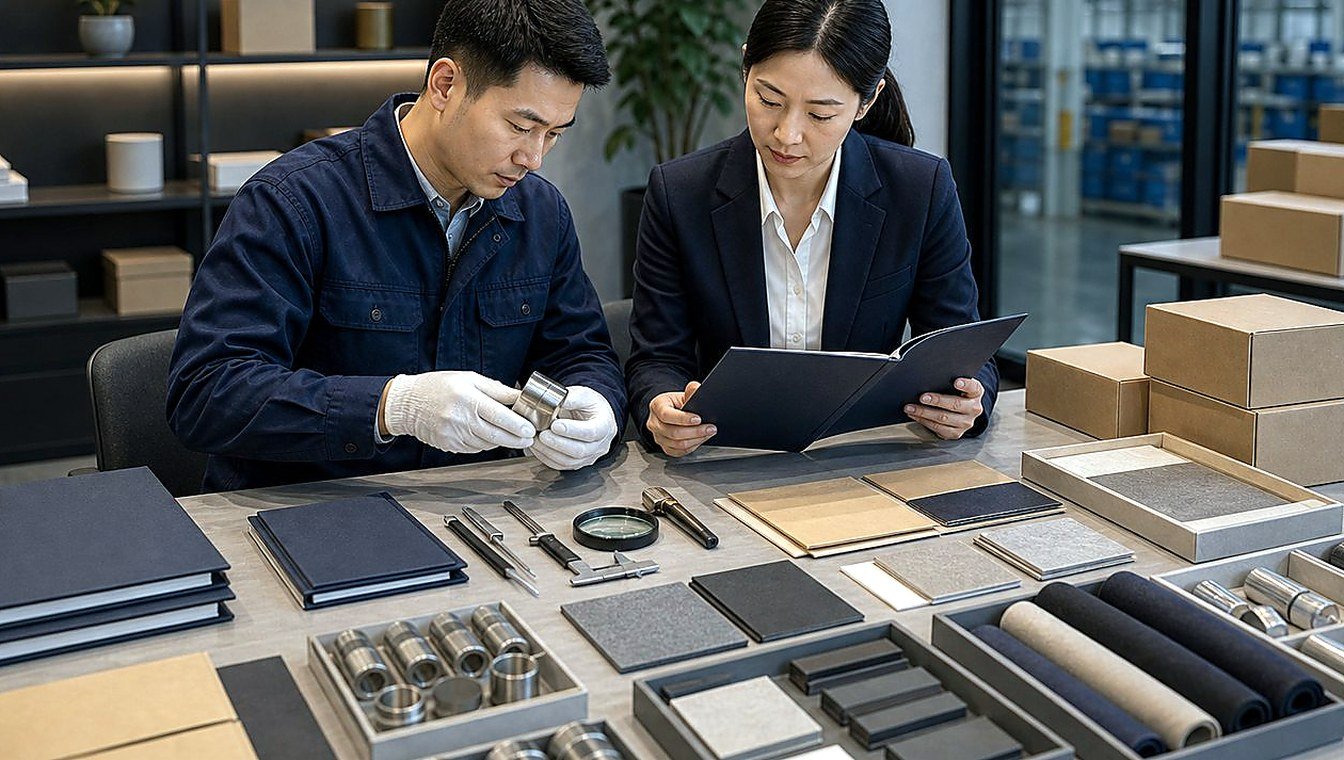
Document check
China-side coordination evidence organized for clearer decisions.
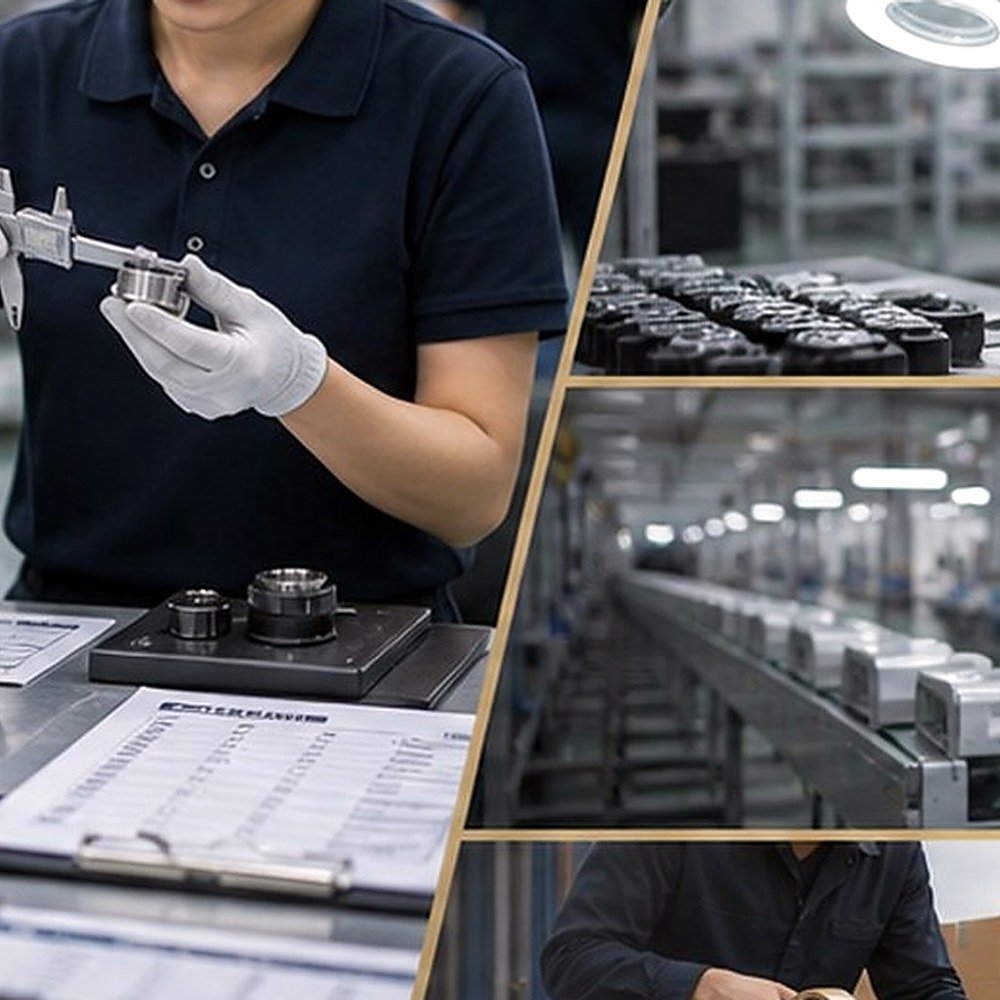
Capability notes
Operational details that help reduce avoidable sourcing mistakes.

Risk control
Preparation notes for production, packing, or shipment follow-up.



Negotiating with Chinese Suppliers: Cultural Bridge & Proven Tactics That Actually Work
Chinese business culture is fundamentally different from Western negotiation. This guide reveals the psychology behind Chinese factory negotiations and 7 proven tactics to get better prices, lower MOQs, and favorable terms—without damaging the relationship.
- 5 cultural principles that flip your negotiating leverage.
- 7 proven tactics for price, MOQ, and terms negotiation.
- A walkthrough of how price reductions come from trading value, not pressure.
Sourcing fundamentals, explained
Supplier types, contracts, and terminology explained before you make your first move.
Sourced beyond Alibaba listings
Supplier search covers 1688, trade fairs, and factory networks — not just marketplace ads.
Verified before deposit
Supplier and factory checks coordinated before your money moves — not after.
Buyer-approved, LIFA-managed
LIFA runs the daily sourcing work; you approve supplier choice, quotation, and payment.
Why Western Negotiation Tactics Fail with Chinese Suppliers
Western buyers expect negotiation = aggressive back-and-forth on price. Chinese factories operate differently. They value long-term relationship over single-order profit. They fear losing face. They expect silence and patience as negotiation tools. Understanding these differences flips your leverage from zero to significant.
5 Cultural Principles That Shape Chinese Business
- Guanxi (关系) = Relationship matters MORE than contract. Factories prioritize long-term partners over higher prices from strangers.
- Face (面子) = Losing face is worse than losing money. Never directly criticize or demand. Offer factory a way to "win."
- Long-term thinking = Factories evaluate customers for 5-10 year potential, not single order profit.
- Silence is strategy = Western buyers fill silence with more concessions. Chinese factories use silence to let buyer self-destruct.
- Collective vs individual = Factory manager must get approval from ownership. Pressure gets passed up, not decisions made on the spot.
How This Flips Your Leverage
- ✅ Build guanxi = factory becomes loyal (vs. competing on price)
- ✅ Offer face = factory accepts lower price to "win" relationship
- ✅ Show long-term intent = factory invests in you, offers better terms
- ✅ Use silence strategically = factory breaks down first, caves
- ✅ Understand chain of approval = know who actually decides, negotiate there
7 Negotiation Tactics That Work with Chinese Manufacturers
These tactics are grounded in cultural psychology, not aggressive American negotiation. They work because they respect Chinese business values while protecting your interests.
NEGOTIATE TERMS BEFORE PRICE (Critical)
Why it works: Chinese factories have razor-thin margins. Price cuts hurt them. But better terms cost nothing: longer payment, higher MOQ discount, faster delivery, customization.
Tactic:
- "We're interested in long-term partnership. Before discussing price, can we align on terms?"
- Negotiate: lead time (can they do 45 days instead of 60?), payment (50-50 instead of deposit?), MOQ (flexibility for larger volume?)
- THEN negotiate price once terms are locked
Result:
Factory sees you understanding their business (respects Chinese business culture). Price negotiation feels like natural next step, not aggression.
Real Example:
"We want to work with you long-term. Before we discuss price, can we talk about lead time? We prefer 40-day delivery. Is that possible?" [Factory often says yes because it solves their cash flow]. "Great. And for payment, could we do 50% deposit 50% before shipment instead of 60-40?" [They usually agree]. "Perfect. Now that we've aligned on terms, what's your best price on 5,000 units?"
BUILD GUANXI BEFORE PUSHING PRICE (Relationship First)
Why it works: Chinese factories will accept lower prices from long-term partners they trust. But you must earn the relationship first.
Tactic:
- First order: pay asking price without negotiation (builds goodwill)
- Second order: "Based on our good experience, can you offer volume discount?" (easier to negotiate)
- Third order+: significant discounts as proven long-term partner
Why Chinese factories do this:
They test whether you're serious long-term buyer. Once proven, they drop prices 10-20% for long-term partners (vs. one-time buyers).
Timeline:
Most factories commit to pricing loyalty after 3-4 successful orders (6-12 months). Patience pays.
USE SILENCE STRATEGICALLY (Let Them Squirm)
Why it works: Western buyers hate silence. We fill it. Chinese factories are comfortable with silence—they expect you to break it first and make concessions.
Tactic:
- Make your offer, then WAIT. Don't fill silence.
- Factory says "Your price is too low, we need higher."
- YOU: [silence... don't respond for 24 hours minimum]
- Factory will message 3 times in that silence trying to close
- You finally respond: "We need to understand your cost. Can you show us materials breakdown?"
Psychological why:
Chinese culture views silence as negotiation tactic. Buyer who fills silence is weak. Factory breaks first = you have leverage.
Real Example:
You: "We can pay $4.50/unit for 5,000 units." [Factory doesn't respond for 12 hours]. Factory: "We need at least $5.20." [You don't respond for 24 hours]. Factory: "Can we meet at $5.00?" [You're winning].
OFFER FACE, NOT PRESSURE (Win-Win, Not Win-Lose)
Why it works: Chinese factories reject pressure because it damages relationship and causes them to lose face. But they ACCEPT concessions when framed as "winning."
Tactic (Wrong):
"Your price is way too high. Competitor quoted $4.20. You need to match or we're out." [Factory refuses, feels attacked]
Tactic (Right):
"We believe your quality is best. But our budget is $4.50/unit. We'd love to work with you. How can we make this work?" [Factory now wants to "solve the problem" with you, not prove you wrong]
Real Example:
"We love your factory and want this to be a long-term partnership. Your quality is excellent. We have budget constraint of $4.50/unit. We respect your business and know you need margin. What if we increase MOQ to 8,000 units—could that help you reach $4.50?" [Factory sees path to win-win, accepts]
FIND CREATIVE WIN-WINS (Not Just Price Cuts)
Why it works: Factory profit margins are 5-10%. Price cuts hurt. But creative terms cost them nothing: paid-in-advance, guaranteed volume, flexible specs, seasonal orders, or longer lead time.
Tactic:
- Instead of: "Lower your price"
- Offer: "If we pay 100% upfront, can you offer 8% discount?" [Factory gets cash flow, wins]
- Or: "If we guarantee 20,000 units annual, can you offer volume pricing?" [Factory plans production, wins]
- Or: "Can we do flexible specs on packaging? That saves you cost we both share?" [Factory saves money, shares with you]
Factory perspective:
These creative solutions solve THEIR problems (cash flow, production planning, costs). They're happy to offer pricing that reflects the solution.
KNOW WHO ACTUALLY DECIDES (Negotiate at Right Level)
Why it works: Sales person you talk to often CANNOT approve pricing. They pass your request up the chain. But they also add their own pressure. Circumvent this by knowing the decision maker.
Tactic:
- Ask: "Who is the factory owner/manager?" (Get name, not just "management")
- Build relationship with owner, not just salesperson
- Owner has authority to approve creative deals salesperson can't
- When stalled: "Can we schedule a call with ownership to discuss this?"
Why this works:
Owners have skin in the game. They're motivated differently than salespeople. Owner will take a lower-margin order to keep the business. Salesperson can't.
NEVER ACCEPT THE FIRST OFFER (But Don't Be Disrespectful)
Why it works: Chinese business culture expects negotiation. First quote is always inflated. But aggressive pushback hurts relationship. Find the balance.
Tactic:
- First quote: $6.00/unit. YOU: "Thank you. This is helpful. Can you review and see if there's any room?" [Respectful, not confrontational]
- Factory knows you expect lower price
- They drop to $5.50. YOU: "Appreciate the adjustment. We're closer. Can we get closer to $5.00?"
- Normal negotiation happens without damaging relationship
What NOT to do:
Never say "Your price is ridiculous" or "That's way too high." This causes loss of face and factory shuts down negotiation.
MOQ Negotiation Specifically: How to Lower Minimum Order Quantities
MOQ is often the biggest sticking point. Factory might require 10,000 units; you want 3,000. Here's how to negotiate it.
Strategy 1: Commit to Volume Over Time
"We can't buy 10,000 now, but we'll commit to 10,000 this year—2,500 per quarter. Can we lower MOQ to 2,500?" Most factories accept this because they get the volume and can plan production.
Discuss This 💳Strategy 2: Agree to Pre-Payment
"If we pay 100% upfront instead of 50-50 deposit, can we reduce MOQ to 5,000?" Factory gets cash flow certainty; you reduce risk through prepayment commitment.
Read the Guide 🧾Strategy 3: Offer Flexibility on Specs
"Standard black plastic, standard box. Can we do 4,000 MOQ instead of 8,000?" Simplified specs = easier production = factory accepts lower MOQ.
Discuss This 🚢Strategy 4: Accept Longer Lead Time
"We can wait 60 days instead of 30. Can that give us lower MOQ?" Longer lead time = factory can batch orders = accept smaller MOQ.
Discuss ThisOpen to Transparent Buyer Feedback
LIFA Global Trade welcomes honest customer reviews on Trustpilot. Real feedback helps buyers evaluate our China sourcing support, communication, and coordination services with transparency.
Your honest feedback helps us improve our sourcing support and helps other buyers make informed decisions.
Negotiating with Chinese suppliers, answered simply.
The questions buyers ask most about negotiating price, terms, and MOQ.
Chinese factories often value the long-term relationship over a single order's profit, and direct criticism or pressure can cause a loss of face that shuts down negotiation entirely. Framing a request as a shared problem to solve together, rather than a demand, tends to work better than direct confrontation.
Terms first is often more effective. Factory margins are frequently thin, so price cuts are hard to get, but terms like payment schedule, lead time, and MOQ often cost the factory less to adjust and can be negotiated before price is even discussed.
Common approaches include committing to a total annual volume delivered in smaller quarterly batches, offering a larger upfront payment percentage to give the factory cash flow certainty, simplifying specifications to ease production, or accepting a longer lead time so the factory can batch your order with others.
The salesperson you first contact often cannot approve significant pricing or term changes and has to pass requests up the chain. For meaningful negotiation on larger orders, it helps to know who the actual decision-maker is and build that relationship directly.
It commonly does. Factories often test whether a new buyer is a serious long-term partner before offering meaningful discounts, since a proven repeat buyer represents lower risk and more predictable production planning than a one-time order.
Where to Go Next
Continue exploring related negotiation and terms topics.
Advanced Negotiation Tactics
Negotiating on more than price — terms, MOQ, and payment structure.
Read the Guide 02Understanding MOQ
Why minimum order quantities exist and how they're actually negotiated.
Read the Guide 03Quotation Comparison
Structure competing quotes onto the same basis for real leverage.
Explore This ServiceLet LIFA Negotiate for You
Our team negotiates with Chinese suppliers daily. We know the culture, the psychology, and the tactics. Let us help you close better deals.