oem odm sample verification for Turn product ideas into organized China sourcing briefs, samples, supplier comparisons, and production-ready checks.
China OEM & ODM Product Sourcing

OEM & ODM products sourcing from China.

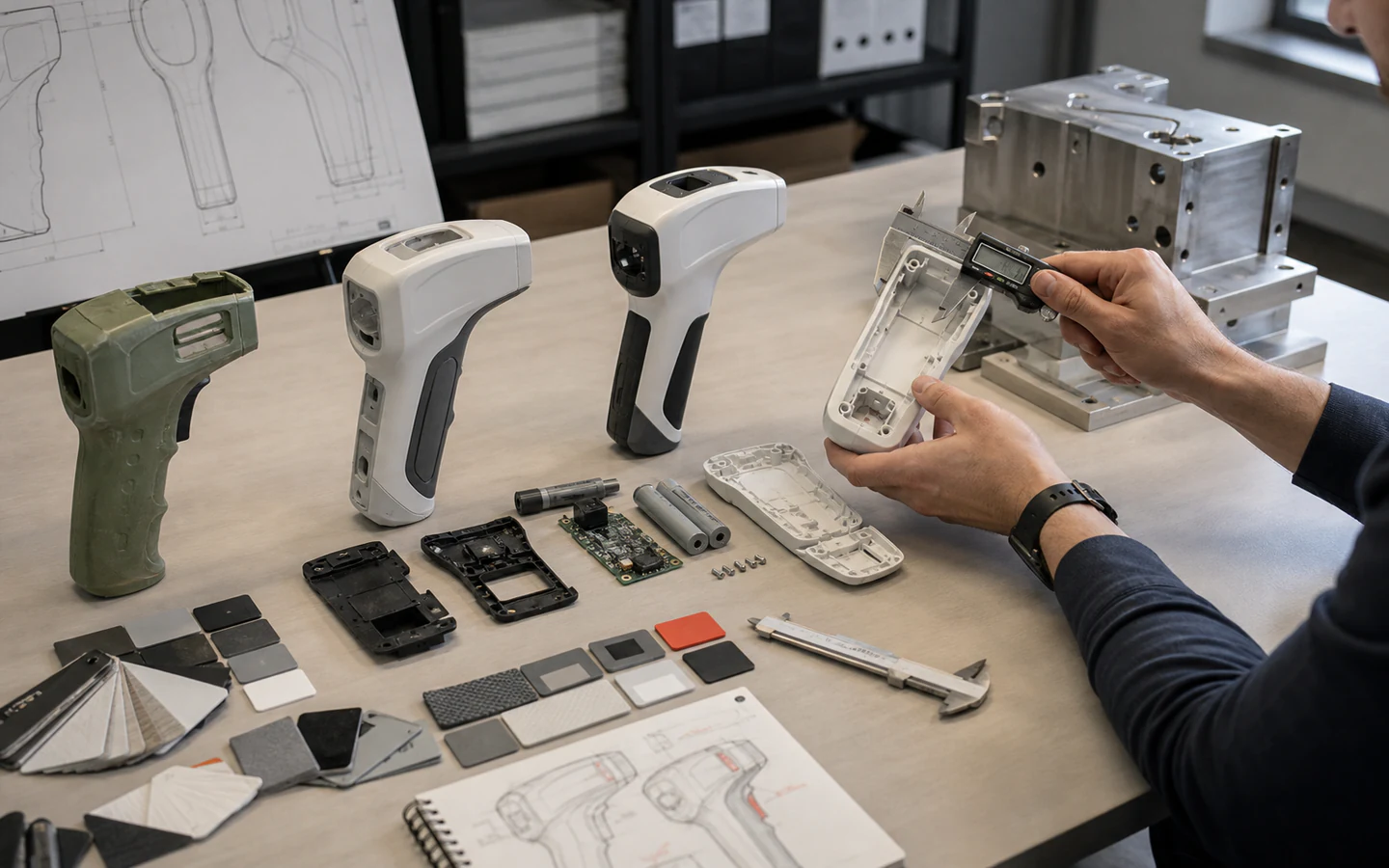
OEM and ODM development starts by turning a concept, reference product, or rough sketch into a written specification: dimensions, materials, function, and finish, so a factory can actually engineer and quote against it.

Four key decisions on this page

Turn product ideas into organized China sourcing...

Source OEM ODM Products from China with specifications, supplier checks, MOQ, sampling, quality control, compliance, packaging and...

Oem odm products sourcing works best when product...

Specifications, samples, packaging, quality checks, and shipment readiness need to be clarified before supplier comparison becomes...

Custom product routes LifaSourcing.com can help...

For buyers who already have drawings, reference samples, formulas, dimensions, materials, or a product concept that needs supplier...

Which common defects, measurements and quality...

Chargers, cases, cables, smart accessories, packaging, and powered-item document questions.

Quick answer

What should be included in a category-specific RFQ and approval checklist?

Custom manufacturing is different from buying a ready product. Suppliers need to understand the product function, material, dimensions, finish, target order quantity, packaging, destination market, testing expectations, and whether the design is buyer-owned or adapted from an existing supplier model.

LifaSourcing.com supports buyers from Hangzhou by organizing supplier communication, comparing capability signals, following sample-development questions, preparing inspection scope, and helping keep each China-side step visible before the buyer commits to production.

What this covers

Custom product routes LifaSourcing.com can help buyers organize

05

OEM manufacturing

For buyers who already have drawings, reference samples, formulas, dimensions, materials, or a product concept that needs supplier matching and production communication. The brief for OEM manufacturing separates mandatory requirements from preferences and links every critical feature to evidence or a measurable check. On this page, keep drawings, samples, BOM details, packaging files, and change requests under revision control so production does not drift silently.

06

ODM customization

For buyers who want to adapt an existing supplier model through branding, color, material, feature changes, accessories, packaging, or market-specific labeling. Treat ODM customization as part of the controlled product specification. Record materials, dimensions, tolerances, variants, finish, labels, packaging, approved sample, and allowed substitutions, then route any change through written approval before production or a repeat order.

07

Private-label development

For sellers who need packaging, logo placement, carton marks, inserts, manuals, barcode questions, and supplier readiness reviewed before order confirmation. Start private-label development with the product facts that determine the rule: function, material, model, user, electrical or radio features, packaging, origin, destination, and marketing claims. Record the official source and effective date, then carry approved requirements into the specification and inspection checklist.

China sourcing workflow
Buyer problem

Many custom sourcing projects fail because suppliers quote before the brief is clear

A supplier may say a product is possible, but the real questions appear later: material tolerance, tooling cost, mold ownership, sample revision timing, MOQ, test reports, packaging dimensions, label requirements, and whether the factory actually makes similar items.

LifaSourcing.com helps structure the conversation so buyers can compare suppliers on development readiness, not only on a low first quote.

How LifaSourcing.com helps

China-side coordination for oem and odm development steps

1

Brief review

Organize drawings, photos, product function, target materials, quantity, market, packaging, and sample expectations into clearer supplier questions. Keep the owner, open questions, and buyer approval visible as work moves forward. Leave the next owner a clear handoff, including open questions and delays.


2

Supplier search

Identify supplier options that appear relevant to the product category, customization level, machinery, sample capability, and communication response. Keep the owner, open questions, and buyer approval visible as work moves forward. Review supplier search against one product brief: legal seller, factory role, relevant capability, MOQ, sample status, quotation basis, and unresolved claims. Record the source and date for each material check, then return gaps for buyer approval before a deposit or supplier selection.

3

Quote comparison

Compare MOQ, sample cost, tooling notes, material choices, mold questions, lead time, packing, payment terms, and what is included or missing. Keep the owner, open questions, and buyer approval visible as work moves forward. Before deciding on quote comparison, normalize every offer to the same product, quantity, delivery term, packaging, inspection basis, and destination boundary. Flag unpriced items and conditional terms, because a lower quotation can shift cost, quality, inventory, timing, or risk elsewhere in the order.

4

Sample follow-up

Coordinate sample instructions, photos, revision notes, function questions, packaging mockups, and buyer feedback before production approval. Keep the owner, open questions, and buyer approval visible as work moves forward. Leave the next owner a clear handoff, including open questions and delays.

5

Inspection planning

Prepare buyer-defined inspection points. Keep the owner, open questions, and buyer approval visible as work moves forward. Leave the next owner a clear handoff, including open questions and delays. Use inspection planning to test the produced goods against controlled requirements, not a supplier's general standard. Link measurements, photographs, functional checks, sample references, affected quantities, corrections, and buyer disposition so the inspection record can support a release or stop decision.

6

Shipping preparation

Help coordinate carton data, packing list details, supplier pickup readiness, freight communication, and document handoff before shipment. Keep the owner, open questions, and buyer approval visible as work moves forward. Leave the next owner a clear handoff, including open questions and delays.
Risk reduction

What are the production stages, lead-time risks and change-control points?

OEM and ODM projects can carry risks around unclear ownership, unsuitable tooling terms, vague material promises, sample differences, unconfirmed testing needs, weak packaging, and supplier changes after approval.

LifaSourcing.com does not replace legal, engineering, laboratory, or import-compliance advisors. The support is practical coordination: organize information, ask clearer supplier questions, request documents, compare visible differences, and keep the buyer’s approval steps separate from supplier promises.

Common OEM / ODM mistakes

  • Approving production without a clear approved sample.
  • Comparing quotes without matching material, tooling, and packaging scope.
  • Ignoring mold ownership, maintenance, storage, or revision questions.
  • Assuming a supplier’s existing certificate applies to a changed product.
  • Leaving manual, label, barcode, plug, carton, or destination-market details until the end.
What to prepare

A stronger sourcing request gives suppliers less room to guess

08

Product information

Photos, drawings, dimensions, function, materials, colors, finish, reference sample links, expected lifespan, accessories, and target selling channel. Connect product information to the exact model, specification revision, approved sample, lot or batch, test method, defect class, result, corrective action, and release owner. Keep exceptions open until the buyer reviews evidence from a recheck or accepts the stated limitation in writing.

09

Commercial details

Quantity, target price range, destination country, launch timeline, sample budget, packaging expectations, and any compliance or lab-test questions. Compare the full scope before calling a quote a saving. The comparison for commercial details shows more than unit price. Align quantity breaks, material or specification changes, sample and tooling costs, packaging, quality controls, freight responsibility, payment milestones, timing, and validity so the buyer can see which trade-off creates the apparent saving.

Inspection and packing

Which specifications, materials, variants and tolerances must a buyer define?

Inspection planning should not only check whether cartons exist. It should compare the actual goods against the sample, drawings, color, material, dimensions, labels, accessories, packaging inserts, carton marks, quantity, and function points agreed before production.

For products with electrical, food-contact, child-use, cosmetic, safety, or regulated requirements, buyers should confirm the applicable destination-market rules with qualified professionals. LifaSourcing.com can help request supplier documents and coordinate testing communication when instructed.

CLIENT REVIEWS

In our clients’ words.

Write a review

Feedback shared by clients.

4.7 / 5Average client rating
FAQ

Oem and odm sourcing questions buyers ask before starting

Buyer decision notes

Plan the OEM ODM Products decision

Settle these practical questions before applying OEM ODM Products to a live supplier, order, quality, compliance, or shipment decision.

Buyer approval

How should samples or prototypes be requested, tested and approved?

Turn the OEM ODM Products question into a written decision record. Define the exact product, market and stage; collect comparable facts and supporting documents; mark assumptions and conflicts; identify who owns the decision; and approve the next step only when the evidence matches the requirement. Use a qualified specialist wherever customs, testing, legal, tax or regulatory judgment is required.

Practical answer

Which destination-market standards, labels or test reports may apply?

Start the OEM ODM Products standards review with the destination, product category, intended user and use, model variants, materials, electrical or radio features, labels, and claims. Match every document to the exact product configuration and confirm current obligations with the destination authority or qualified testing and compliance provider.

Practical answer

Which prototype, tooling, golden-sample and change approvals are required?

Approve the OEM ODM Products functional prototype, drawings, tooling specification, cosmetic standard, materials, BOM, firmware where relevant, packaging, and a dated golden sample. Record who owns the tool and files, how changes are controlled, and which sample represents mass production. Do not treat an early prototype as production approval.

Start organized

Ready to organize an OEM or ODM sourcing request from China?

Send LifaSourcing.com your product brief, reference images, drawings, quantity, destination market, customization needs, sample expectations, and any supplier links you already found.

  • 01
    SendProduct specification, approved sample notes, order status, defect concerns, and target date.
  • 02
    OrganizeEvidence requests, inspection scope, supplier corrections, documents, and open exceptions.
  • 03
    ApproveAcceptance criteria, correction result, payment or production step, and shipment release.
Ask LIFA AI