
Identify what is ready
List each supplier’s goods, ready date, received status, condition and remaining work. Keep expected arrivals separate from cartons already received.

We coordinate receiving, carton checks, labels and packing across suppliers. Keep goods and records organized before the combined shipment leaves the warehouse.
Agree availability, scope, charges and storage limits with the third-party partner.
Keep each product and carton connected to its supplier, order and packing record.
Confirm ready dates, label versions, receiving information and open exceptions.
Match the packed load, access requirements and release instruction to the next handoff.
LIFA coordinates receiving, consolidation and fulfillment preparation between Chinese suppliers and third-party warehouse or logistics partners. We organize ready dates, carton records, packing lists, labels, inspection notes and the planned freight handoff.
This is a coordination service through partner facilities, not a LIFA-owned warehouse. Agree partner availability, scope, fees, storage limits and release instructions before sending goods. Each supplier order should remain identifiable while receiving, packing or dispatch work is carried out.
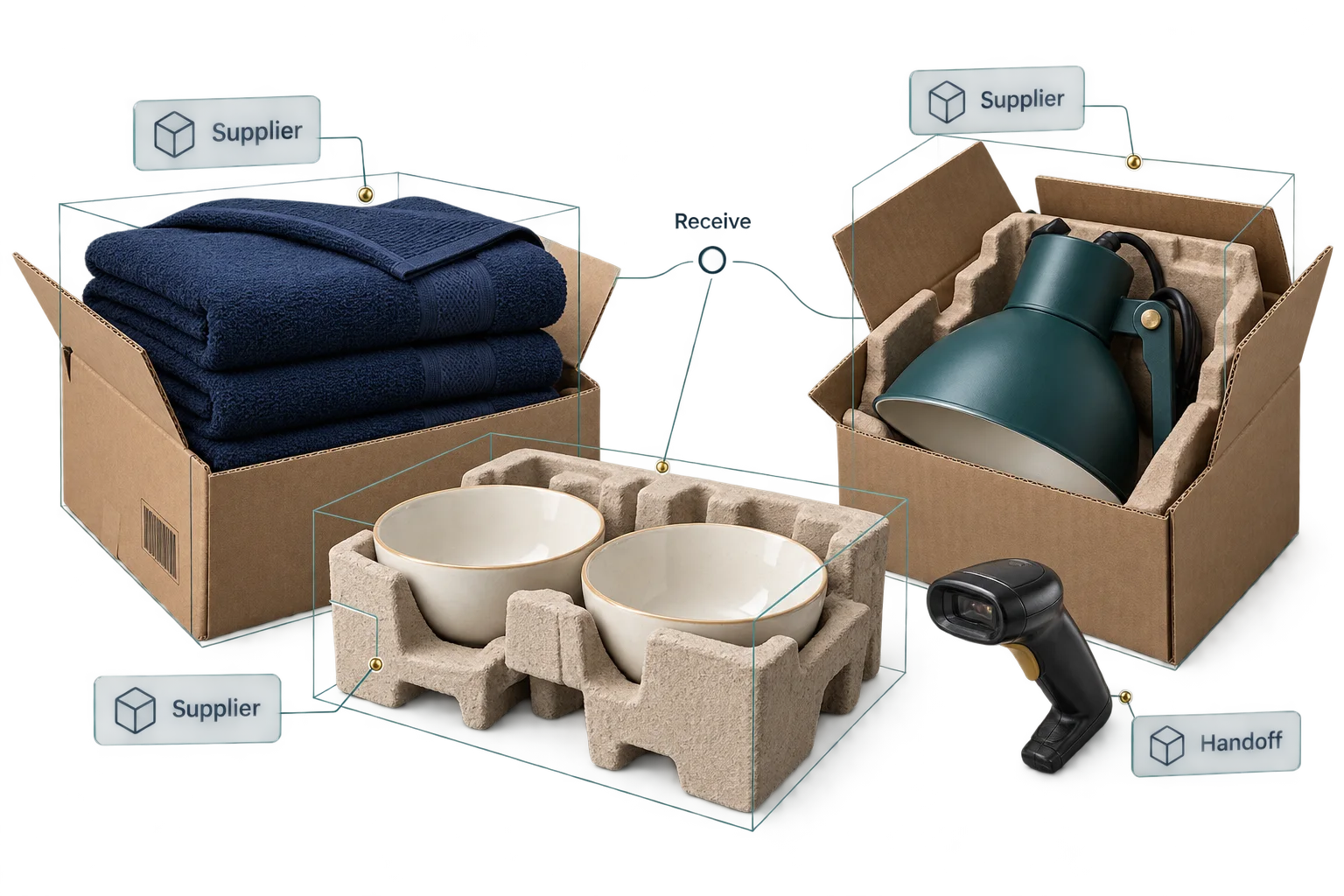
The gap between factory completion and freight pickup needs its own plan, especially when several suppliers are involved.
Track each supplier’s current ready date and the planned receiving and dispatch windows. Compare the cost of waiting with a separate shipment when one order is delayed.
Discuss This06Match carton marks, SKU identity, label files and packing lists before goods reach the partner. Keep an exception record for missing, mixed or conflicting information.
View Service07Confirm receiving, storage, relabeling, repacking, palletizing, photographs, consolidation and dispatch charges as applicable. Record minimum fees, storage limits, special handling and any work requiring a new approval.
View ServiceKeep the order identity, receiving instructions and next handoff visible to every party.
Track supplier contacts, order references, ready dates, carton counts, packed dimensions, weights, marks and proposed release timing.
Discuss This09Pass the partner the supplier, SKU, quantity, label and arrival information it needs. Confirm booking references, access requirements and the scope of receipt checks.
Discuss This10Coordinate buyer-provided label files, carton marks, FBA or 3PL instructions, bundle details and repacking requests. Agree the file version, approval point and evidence of completion.
Discuss This11Reconcile packing lists, carton data, open exceptions, pickup contacts and timing. Keep the buyer’s release decision separate from the partner’s readiness update.
View ServiceThis service covers the sourcing handoff: receiving, consolidation, agreed preparation and freight dispatch. Long-term storage, order-by-order e-commerce fulfillment, returns and software integrations require a separate arrangement.
Confirm the receiving work, storage period and any fees for relabeling, repacking, palletizing, photographs or consolidation. Record who approves extra work and what happens if dispatch is delayed.
The buyer supplies current platform or receiving-partner instructions and approved label files. Confirm the account, product, shipment and carton mapping before asking a partner to apply them.
Use the actual carton count, contents, packed weight and dimensions when preparing the freight handoff. Resolve differences from the supplier’s earlier packing list before collection.
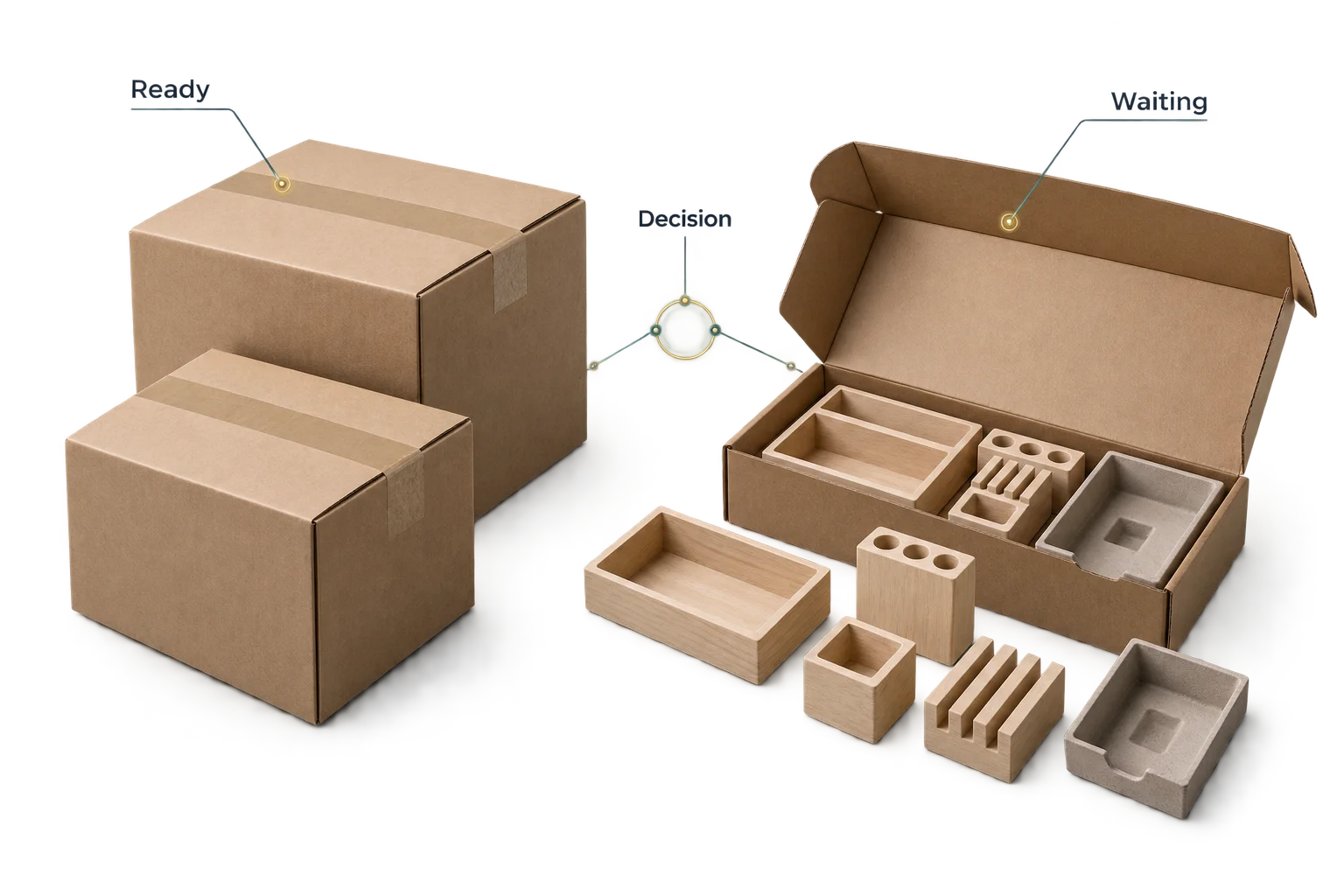
One late supplier does not need to make the decision for the whole shipment. Compare the available options against timing, cost and receiving requirements.
List each supplier’s goods, ready date, received status, condition and remaining work. Keep expected arrivals separate from cartons already received.
Compare waiting and storage with a partial dispatch, separate collection or a later combined shipment. Include handling, packing, documents, route availability and the destination plan.
Record which orders move, which stay, the reason, approved charges and the next review date. Give the partner and forwarder the matching packing lists, labels and release instruction.
A combined consignment needs a reliable record of what arrived from each factory. LIFA coordinates the partner’s receipt information and flags mismatches for review before the goods move together.
Provide one current brief so suppliers, the receiving partner and the freight contact use matching information.
List supplier contacts, order references, products, SKUs, quantities, current ready dates and pickup addresses.
Discuss This13Provide carton count, marks, contents, packed dimensions, gross weight, packing list, available photographs and handling needs.
View Service14Supply the approved label files, SKU-to-carton mapping, relevant shipment references, bundle instructions and any agreed repacking specification. Identify the current version and who approves a correction.
Discuss This15Name the destination, freight contact, pickup window, inspection status, consolidation choice, storage limit, required documents and release authority.
View ServiceUse the blank CSV for supplier orders, expected and received cartons, label versions, exceptions, storage timing and release decisions.
Agree the handoff, confirm the partner’s scope, track arrivals and record the buyer’s dispatch decision.
Review suppliers, ready dates, SKUs, carton quantities, destination, receiving requirements, inspection needs and the intended freight plan.
Confirm receiving instructions, availability, charges, storage limits, preparation work and required pickup information with the third-party partner.
Map product and carton identities to the buyer’s current label files, packing lists, bundle notes and preparation instructions.
Collect receipt counts, condition notes, missing-item details and agreed photographs. Preserve exceptions and clarify any work needed before combining or dispatching goods.
Confirm current packing data, documents, freight contact, pickup window and buyer release approval. Keep held goods and unresolved conditions clearly identified.
Consolidation should simplify dispatch while preserving the link from each product and carton to its supplier order.
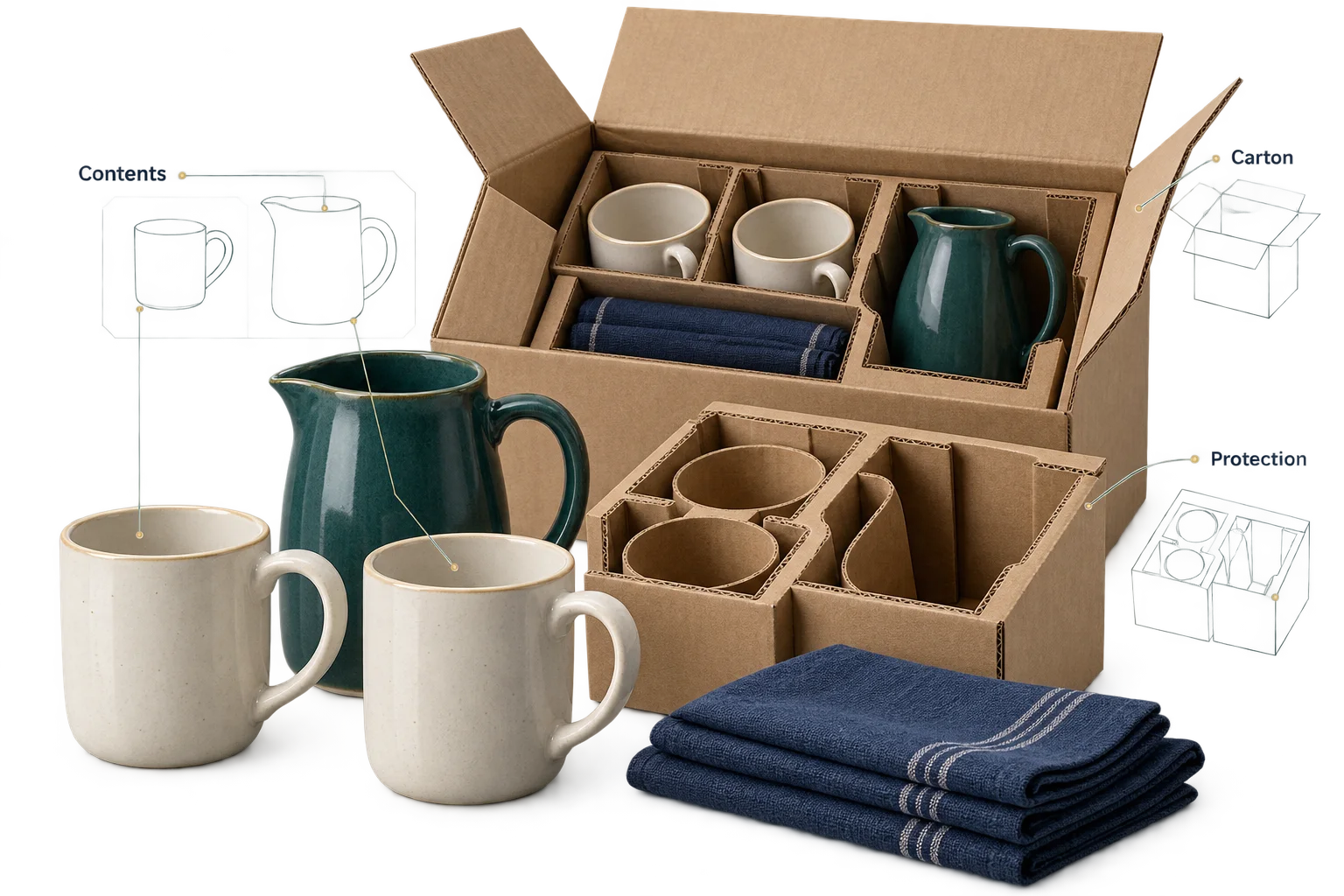
Ask the receiving partner to match arrivals with the agreed supplier and packing records. Keep missing goods, visible condition concerns and mismatches separate from accepted receipt information.
Record the supplier, order, SKU, carton marks, received count and any difference from the expected delivery. Distinguish a carton count from a check of every product inside.
Define the repacking, labels, bundles or pallets required, including the current file version and acceptance evidence. Approve the scope and charges before the partner carries out extra work.
Physical cartons and the written handoff need to identify the same goods and the same current instructions.
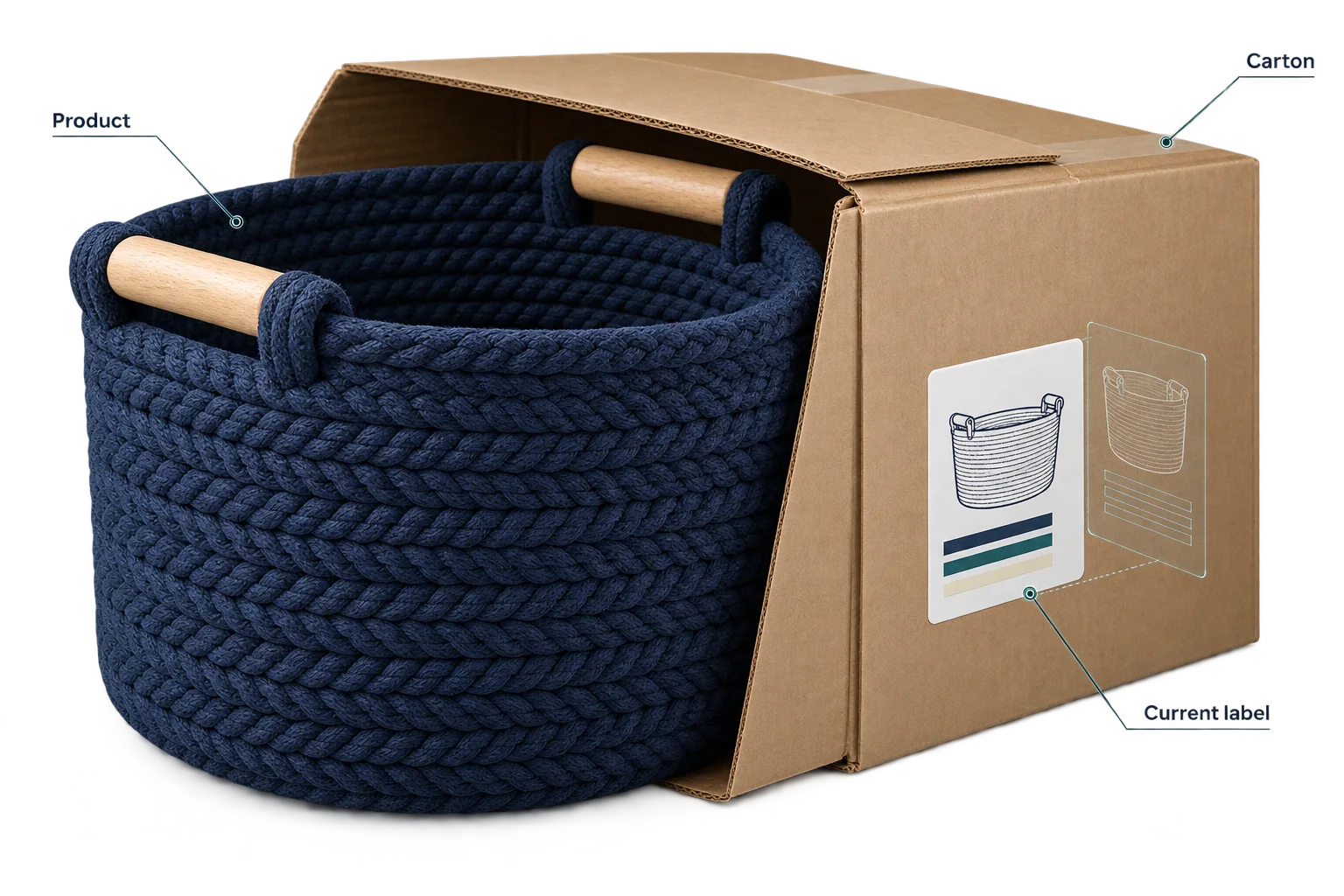
Keep supplier, order, product, carton and shipment references with the approved label file. Record who supplied the file, its version, where it was applied and any correction. A changed label should not erase the earlier mapping.

Ask the partner to identify shortages, visible damage, mixed cartons or unreadable labels with the order reference and available photographs. Agree whether to hold, check, repack, relabel or dispatch the affected goods, and record the buyer’s decision.
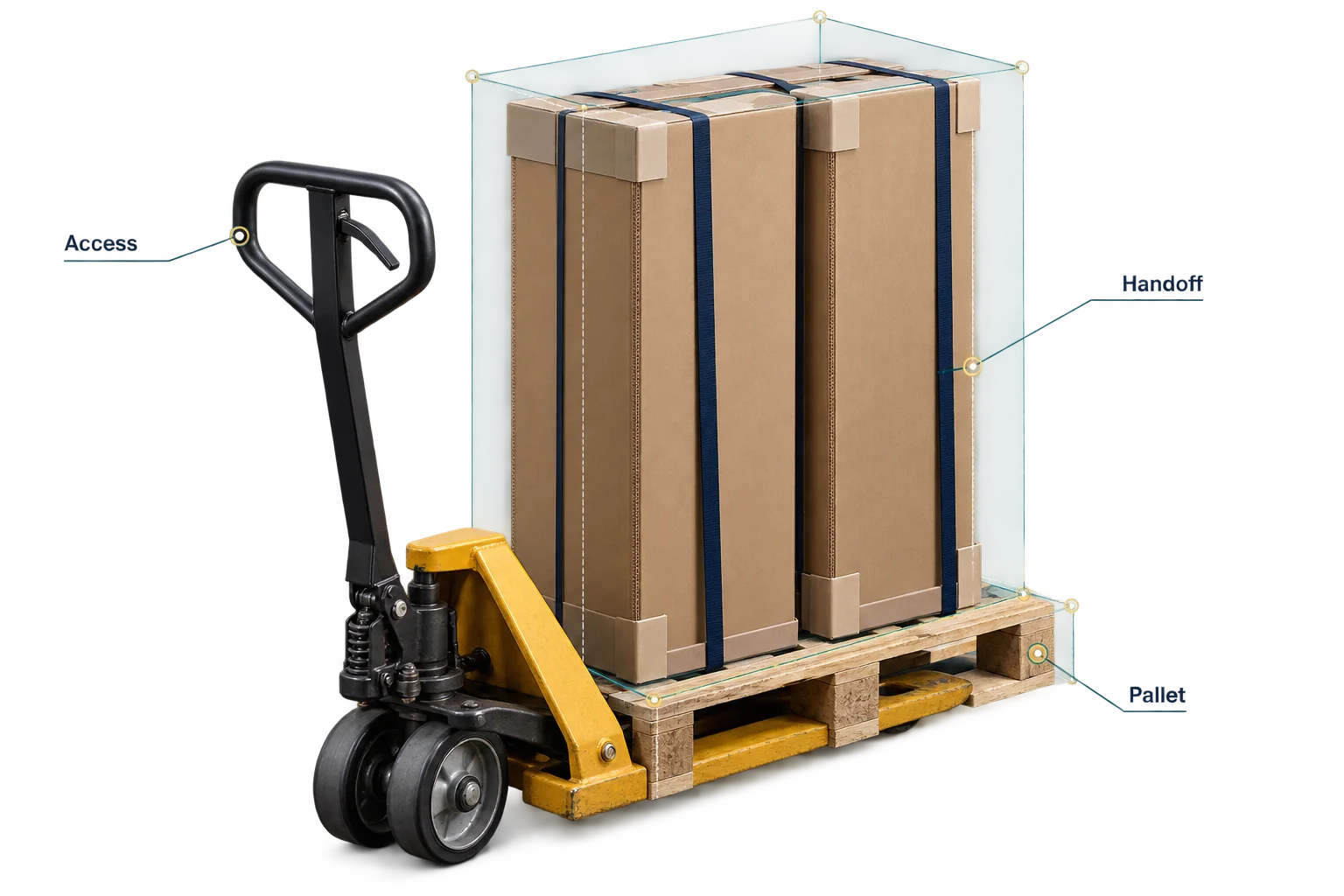
The way goods are packed and grouped needs to fit the chosen route and the next partner’s receiving instructions.
Record carton or pallet count, contents, dimensions, weights, value and any handling constraints after preparation work is complete.
Confirm the named destination, booking or appointment, unloading arrangement and any relevant carton, pallet or label instructions with the responsible parties.
Reconcile documents, marks, collection contacts and buyer release approval. Keep the transfer record and any conditions that remain for the next stage.
Separate the partner’s operational update from the buyer’s commercial and dispatch decisions.
The buyer approves the partner scope and charges, storage extensions, repacking or label changes, consolidation or split dispatch, and release of goods. Keep the selected supplier, specification, sample, quotation, tooling, contract, payment, material-change and inspection approvals linked where they affect this handoff.
Preserve the approved requirement, partner quotation, received counts, condition evidence, current label and packing files, exceptions, corrections and dated decisions. Keep product, batch, order, inspection, payment and shipment references connected so another reviewer can trace a change.
Warehouse coordination works best when inspection, packaging, quality control, and shipping plans are already aligned.
Check product, packaging, and carton condition before goods move to handoff.
View Service17Prepare labels, barcodes, carton marks, and packaging details before fulfillment prep.
View Service18Connect carton data, pickup timing, freight communication, and documents.
View Service19Coordinate sourcing, packaging, labels, and fulfillment prep for online sellers.
View ServiceUse these guides to compare shipping configurations, organize documents and estimate costs.
Compare shared-container and full-container options with the cargo and timing available.
Read the guide 21Identify document families, owners and unresolved information for the shipment.
Read the guide 22Reconcile invoice and packing information with the actual goods and booking.
Read the guide 23Model combined and separate shipments with your own freight and handling inputs.
Open the toolUnderstand partner receiving, preparation, consolidation and the approvals needed before dispatch.
No. LIFA coordinates with third-party warehouse, logistics, inspection or fulfillment partners. Agree the chosen partner, availability, scope, charges, storage limits and release instructions before sending goods.
It can include third-party receiving communication, supplier-ready-date tracking, carton count notes, short-term consolidation planning, relabeling or carton mark requests, packing list coordination, FBA or 3PL prep notes, inspection handoff, and freight pickup preparation.
LIFA can coordinate buyer-provided label files, shipment references, packing lists and preparation instructions with suppliers or third-party partners. The buyer confirms current platform settings and receiving rules, provides approved files and remains responsible for the account and acceptance requirements.
Yes, if the partner can receive the goods and the ready dates, product condition, storage period and freight plan work together. Confirm charges and availability before dispatching to the partner; compare waiting or consolidation with separate shipment options.
This page focuses on sourcing-side coordination between supplier readiness and freight or fulfillment handoff. Long-term storage contracts, e-commerce order-by-order fulfillment, software integrations, and return handling must be arranged separately if needed.
Use the request quote page or contact Simon by WhatsApp at +86 173 7653 5037 or email simon@lifasourcing.com. Send supplier details, ready dates, carton quantities, destination, FBA or 3PL notes, labeling requirements, consolidation needs, and shipment timeline.
Update that supplier’s ready date and identify which goods are already received. Compare waiting and storage with a partial dispatch or separate later shipment, including handling, documents and destination timing. Record the buyer’s choice, approved costs and the instructions for the goods that remain.
Ask for the supplier and order reference, affected cartons or products, expected and received counts, condition notes and available photographs. Preserve the original report and notify the responsible parties. Agree whether the goods should be held, checked, repacked or dispatched; additional checks and any claim follow the relevant scope and contract.
Send the supplier list, current ready dates, carton data, packing and label files, receiving requirements and destination. Include inspection status, consolidation preferences, storage limits and the freight contact.