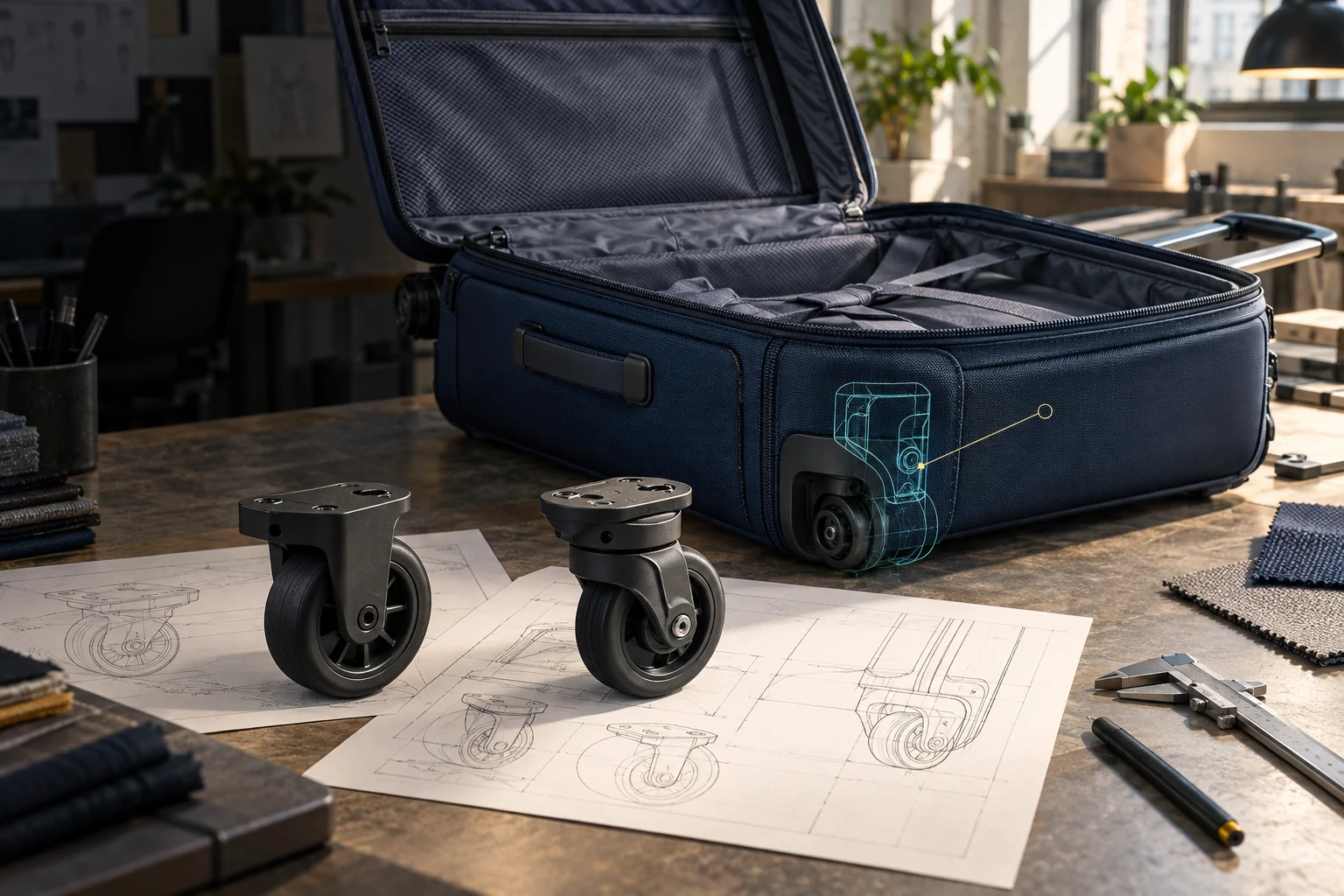

Identify what is shown
Record the product, model or batch, date, location where available and production stage. Separate finished units from parts or work in progress.
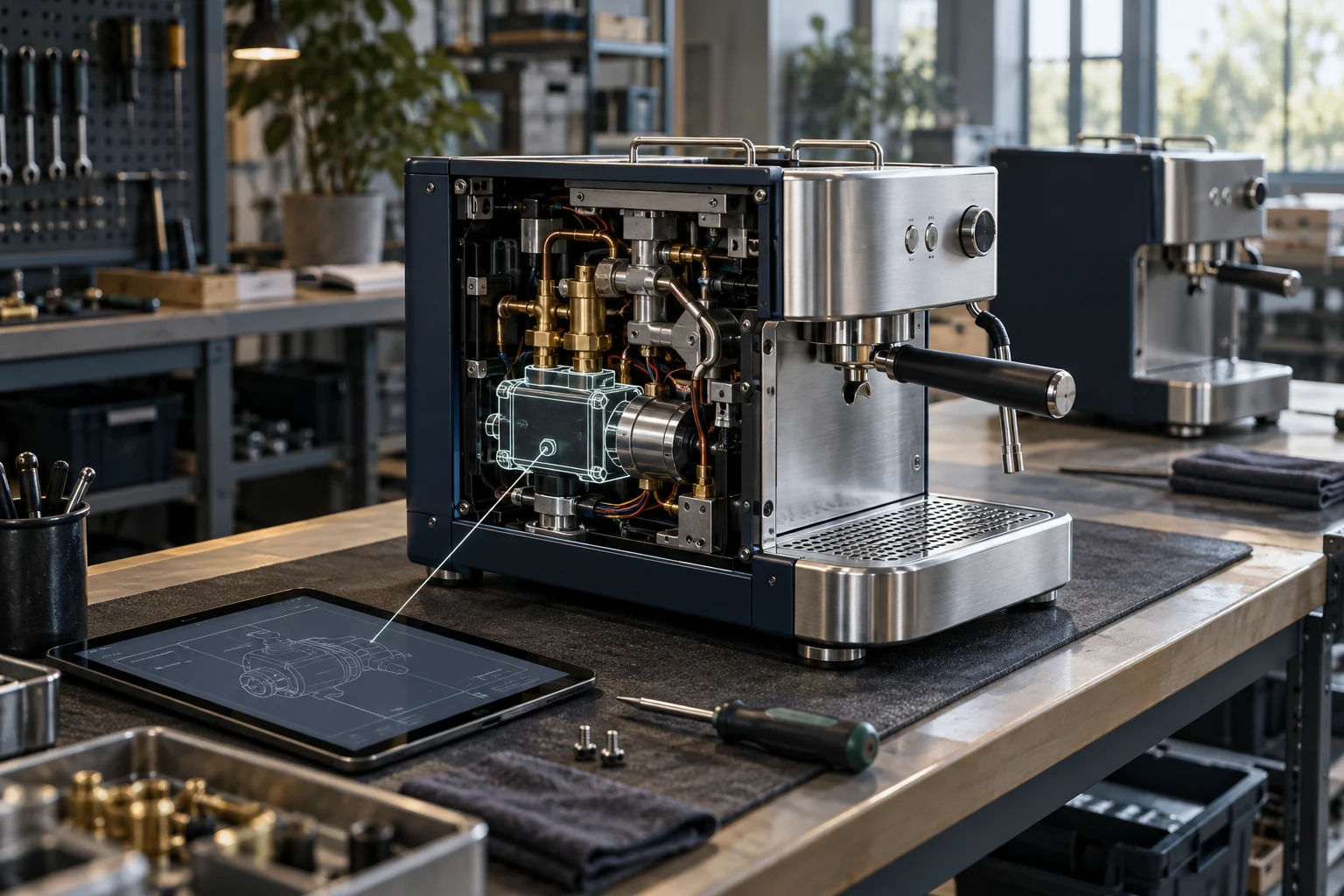
We follow up with factories on milestones, materials and delays. Get clear progress updates so you can respond to changes before shipment.
Keep specifications, planned dates and supplier updates together so every change has a clear reference.
Match each update to the product, production stage and date before relying on the reported status.
Connect milestones to inspection, packing and shipping preparation, with clear responsibilities.
Review missing evidence, proposed changes and their effects before approving the next step.
LIFA follows confirmed production orders in China, keeping supplier updates, milestones and open changes visible. We request progress evidence, track specification and schedule questions, and coordinate the handoff to inspection, packing and shipping preparation.
Each update should identify the order, stage, date and source. A supplier statement remains a statement until supported by the relevant evidence. You decide on changes, payment and release; follow-up does not guarantee product quality, factory completion or freight timing.
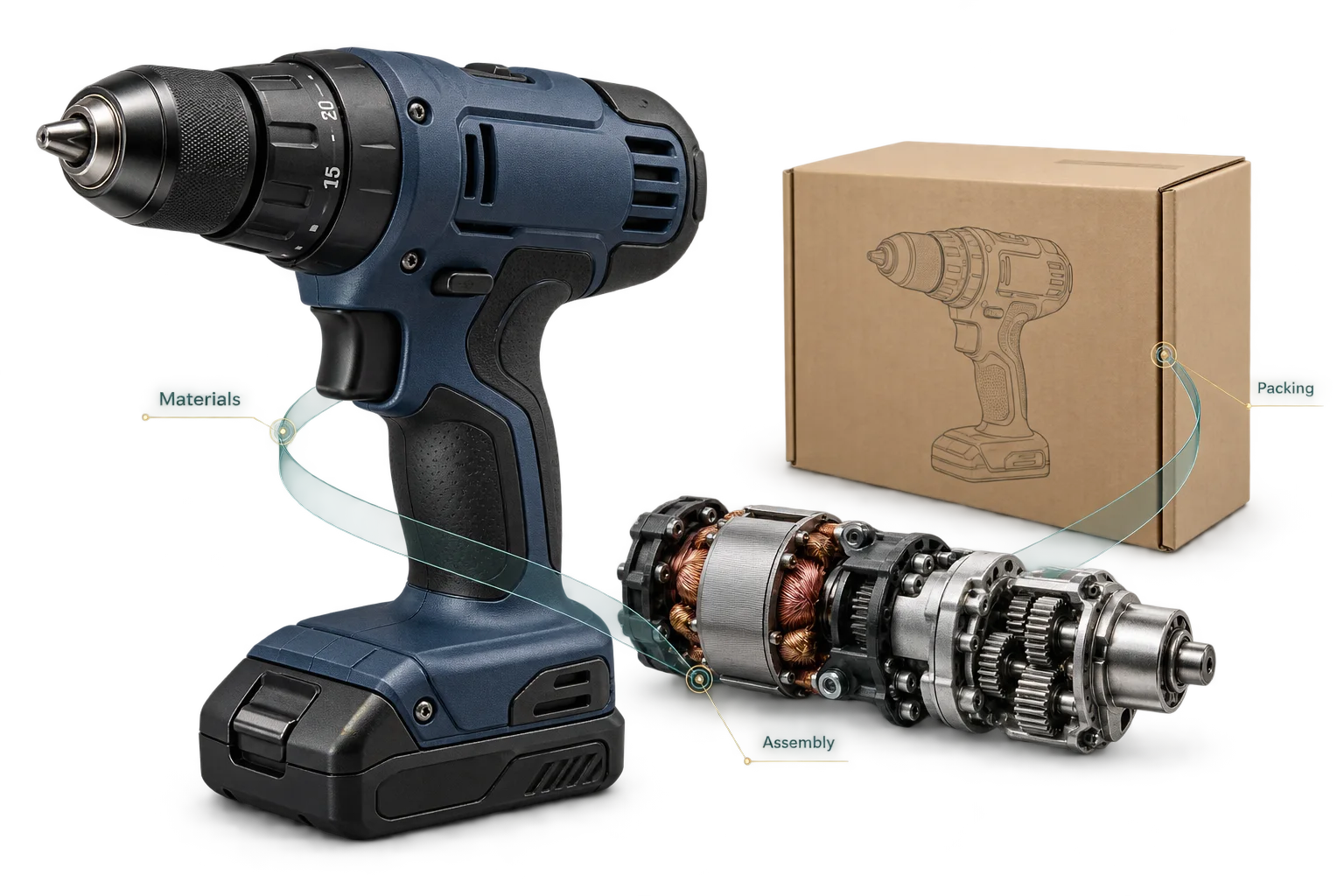
Order follow-up is useful when production timing, updates, and shipment readiness matter to the buyer's plan.
Track production progress, inspection timing, documents, and shipment readiness from China.
Explore route20Keep replenishment orders, packing schedules, and production updates aligned with inventory needs.
Explore route21Monitor production for product launches, restocks, packaging deadlines, and inspection planning.
Explore route“In production” leaves important questions unanswered. Ask for the current stage, remaining work, supporting evidence and next update.
Identify which product or batch is being discussed, what has started or finished, what remains and how packing or access affects the schedule.
Discuss This06Record sample approval, material readiness, production start, packing, inspection and shipment readiness against the order. Keep the original date, revised estimate, reason, owner and buyer decision so changes remain traceable.
Discuss This07A late update can affect inspection booking, freight planning or a launch date. Record the dependency at risk and the next action instead of silently replacing the original date.
Discuss ThisA shared order record shows what is moving, what is delayed and which question needs a buyer decision.
Build the milestone plan from the quotation, purchase order, sample approval and supplier schedule. Identify dates, dependencies and the evidence expected at each stage.
Discuss This09Follow up on materials, production stage, remaining work, packing, delays and unanswered questions at the agreed cadence.
Discuss This10Organize supplier messages, dated photographs or videos and schedule changes. Identify the product, batch and stage each update describes, along with anything still unverified.
Discuss This11Carry the latest status, open exceptions and buyer decisions into quality control, inspection, packing, documents and shipping preparation.
Discuss ThisReview the points where missing information or an unapproved change can affect the next order decision.
Agree an update cadence and ask for the named milestone when a supplier goes quiet. Record what remains unconfirmed and when a response is needed.
Discuss This13Materials, color, packaging, labels and carton details should not change through an informal message alone. Record the proposed substitution, affected order, timing or cost effect and buyer decision.
Discuss This14Confirm goods readiness, available sample quantity, packing status and access before booking inspection. Keep the agreed method, specification revision, defect concerns and decision owner with the booking, allowing for correction or recheck where needed.
View ServiceKeep the plan, the supplier’s reported status and the available evidence distinct so the buyer can see what is known.

LIFA contacts the factory at agreed intervals during production. Questions focus on the next milestone, material readiness, remaining work and changes that may affect the order. Missing or conflicting evidence stays visible.
Order follow-up serviceSet the update cadence, responsible contact, milestone and evidence needed. A message such as “nearly finished” should lead to a specific question about the remaining work.
Explore sourcing servicesRecord material shortages, line changes and revised estimates when reported or found. Identify the affected inspection, packing or shipment date and request the supplier’s proposed response.
See our sourcing processStart with the confirmed order and supplier schedule, then identify the updates or decisions that need attention.
Supplier quote, PO, invoice, product specification, sample approval notes, payment terms, and agreed timeline.
Key milestones, required update frequency, packing date, inspection target, shipment window, and hard deadlines.
Approved sample photos, materials, colors, labels, packaging, carton marks, barcodes, and inspection requirements.
Explain if you are worried about silence, delay, changed specifications, payment timing, inspection, documents, or shipping readiness.
Use the blank CSV to compare planned and reported milestones, preserve changes and assign follow-up before the next handoff.
Start with the confirmed order, then maintain a dated record of milestones, updates, changes and handoffs.
LifaSourcing.com reviews supplier details, quotation, PO, specifications, sample approval, quantity, timeline, and buyer concerns.
Confirm material readiness, production start, completion, packing, inspection target and shipment window. Distinguish an agreed target from a supplier’s current estimate.
Request updates that answer the next milestone question. Link photographs, videos, quantities and delay notes to the model or batch and date.
Log the original requirement, proposed change, reason, effect, owner and buyer decision. Keep missing evidence and conflicting records open until the next action is agreed.
Prepare the latest status, inspection needs, packing details, documents and remaining conditions. The buyer’s release decision and the freight arrangement remain separate steps.

A photograph or count is useful when the buyer can tell which order it represents and what it establishes.
Record the product, model or batch, date, location where available and production stage. Separate finished units from parts or work in progress.
Compare the update with the approved specification and milestone. Preserve the source record and flag missing context, unsupported counts or a conflicting supplier explanation.
State the issue, responsible contact and next response date. The buyer decides on a pause, correction, specialist review or approval when the evidence does not support the next commitment.

LIFA follows production from China through the agreed communication and evidence requests. When the supplier proposes a material substitution or schedule change, we organize the question and its effect for buyer review. A site visit or specialist check needs its own agreed scope.
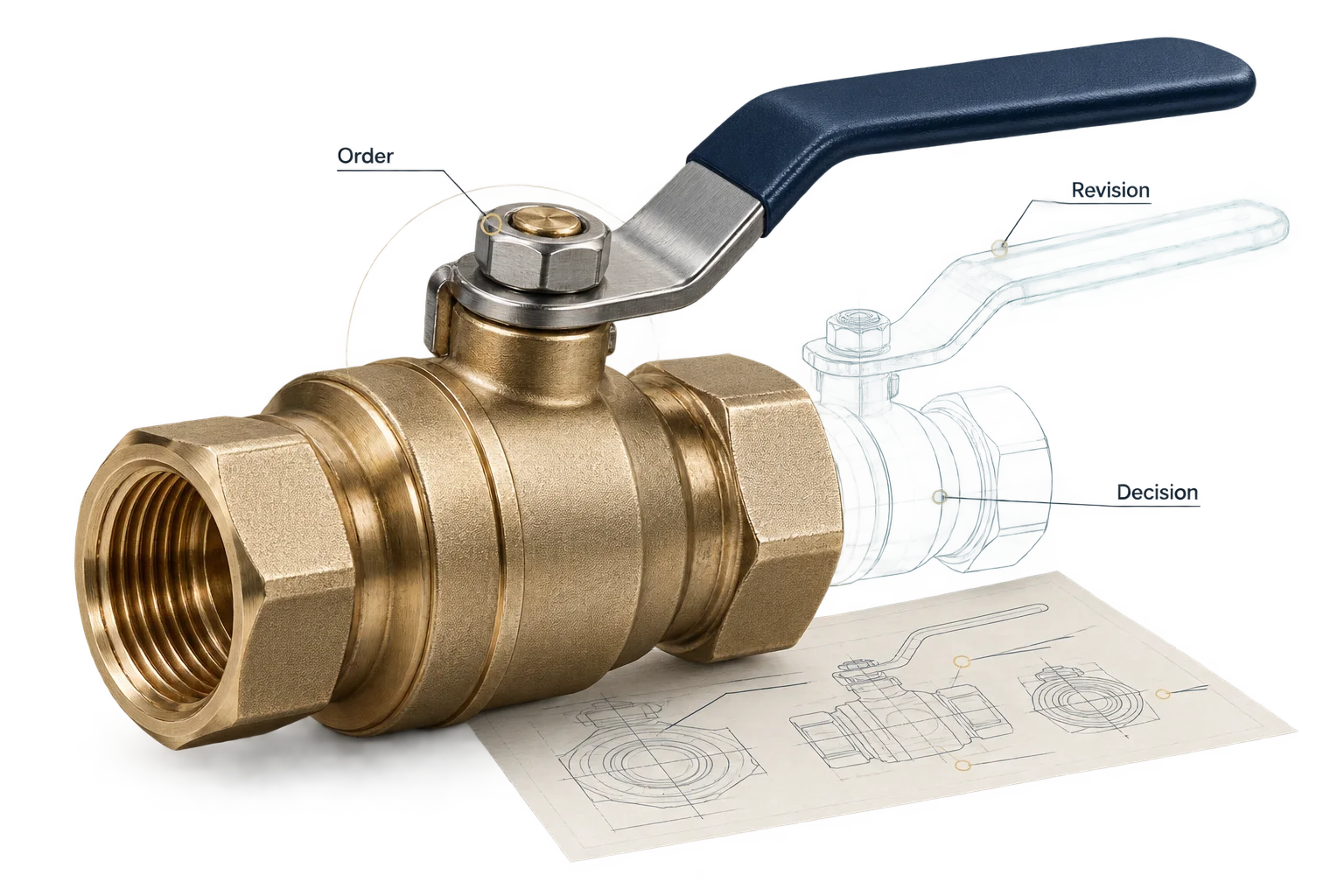
An order file should show what was approved, what later changed and why the next action is acceptable.
Keep the supplier identity, factory role, quotation, purchase order, specification, sample and payment references together. If the proposed production site or supplier changes, review that identity and capability before accepting the change.
Compare the proposal with the same quantity, quality, timing and packing scope. Record the reason, cost or schedule effect, evidence and unresolved risk.
Identify who accepts, rejects or requests more information, with the decision date and conditions. Keep earlier versions so production, inspection and shipping use the same current instruction.
Production status, inspection timing and shipment readiness need related but different records.
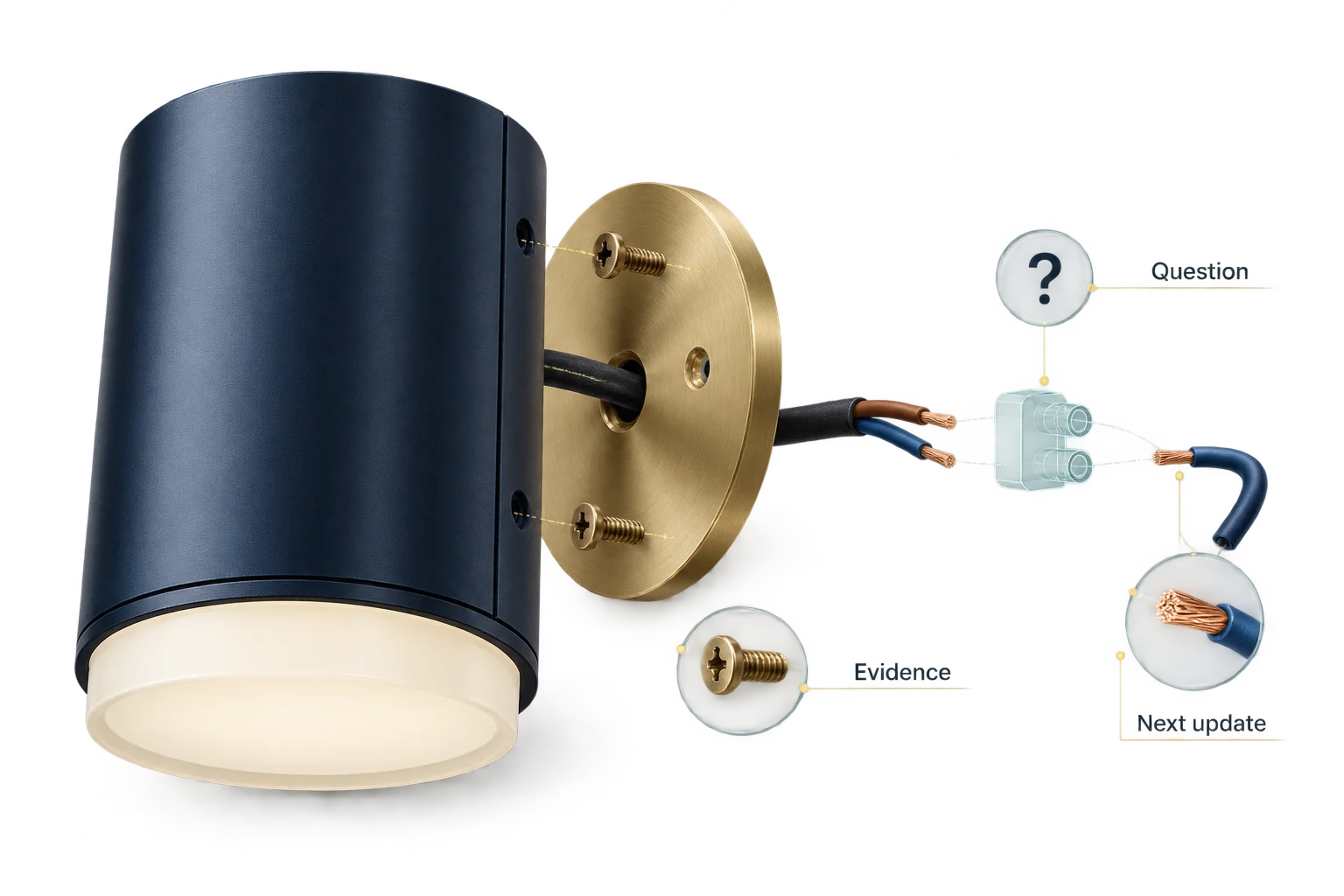
Ask about the specific missing part, quantity, stage or date. Record the requested evidence, supplier reply and next update rather than treating a general assurance as confirmation.

Use readiness and packing updates to plan the agreed inspection. Keep the current specification, check scope, result and release authority identifiable. An unresolved finding may require correction or recheck before the buyer approves shipment.
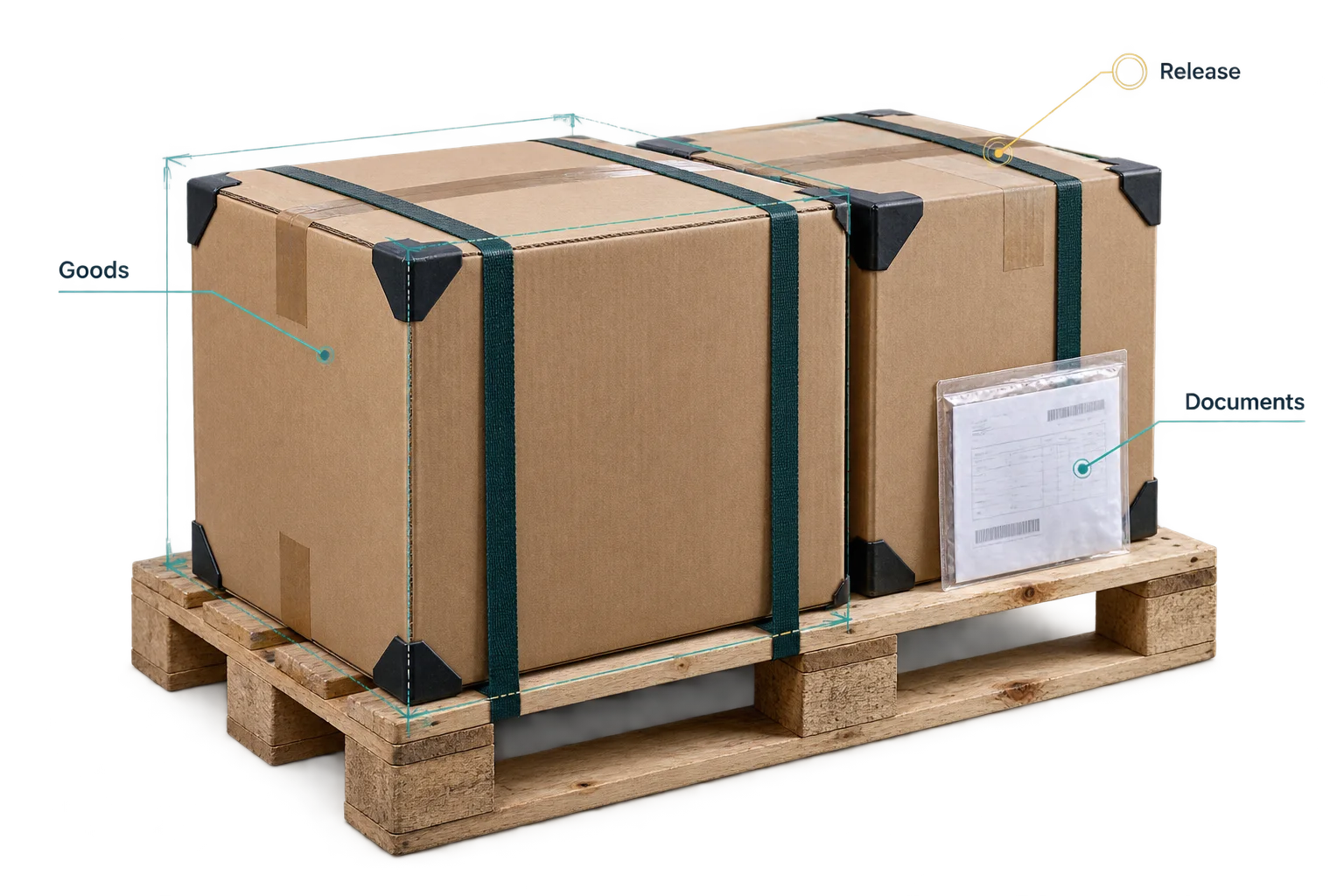
Confirm packed quantities, dimensions, weights, packing records and required documents before freight handoff. Goods being ready does not by itself confirm collection, payment approval or cargo release.
Keep the decision attached to the order, evidence and remaining conditions.
Identify the exact product, destination and order stage. Preserve both records, mark assumptions and request the missing fact or check. Name the owner and next response date. Use a qualified specialist where testing, customs, legal, tax or regulatory judgment is needed.
Record the approved requirement, original and revised dates, supplier explanation, supporting evidence, exceptions, correction request and dated buyer decision. Keep model, batch, quotation, sample, inspection, payment and shipment references connected so the next reviewer sees what changed.
Order follow-up often connects directly with quality control, inspection, shipping, and warehouse preparation.
Organize order details, supplier communication, samples, approvals, and production handoff.
Learn more16Prepare quality checkpoints and inspection requirements while production is still active.
Learn more17Coordinate product checks before shipment once production and packing are ready.
Learn more18Move from production readiness into documents, packing details, and freight communication.
Learn moreUse these guides to plan supplier communication, inspection timing and options when an order date changes.
Plan a second supplier option and the checks needed before moving an order.
Read the guide 23Set expectations for repeat orders, supplier communication and performance review.
Read the guide 24Where inspection sits in the production schedule and what it confirms.
Read the guide 25Track production and shipping milestones against your required stock date.
Open the toolUnderstand the scope of follow-up, the evidence to request and the decisions that remain with the buyer.
We check production milestones with your supplier, request progress photos or videos and flag delays or specification changes. We also follow inspection timing, packing status and readiness for shipping.
No. Order follow-up improves visibility, but supplier updates cannot guarantee production quality, on-time completion or freight timing. Review the evidence and remaining uncertainty before approving the next commitment.
Order follow-up should start after order confirmation or deposit, once the supplier has confirmed product details, sample approvals, production timeline, and key milestones.
Yes. LifaSourcing.com can help organize requests for progress photos, videos, packing updates, or milestone evidence, depending on what the supplier can reasonably provide.
Order follow-up helps monitor production status so inspection timing can be planned before shipment. Inspection coordination is a separate step for arranging product checks before goods leave China.
Send supplier details, purchase order or quotation, product specifications, quantity, sample approval status, target timeline, and current concerns to simon@lifasourcing.com or WhatsApp +86 173 7653 5037.
Agree the reporting cadence, milestone dates, responsible contact and evidence required in the scope. The useful interval depends on the order stage and risks; there is no single frequency for every product. Changes and missed responses should be recorded when identified, with the next action and update date.
Record what is missing, why the supplier says it is unavailable and which decision depends on it. Ask for a specific alternative or an agreed check, and identify any extra scope or cost. Keep the status unconfirmed until suitable evidence or a stated limitation is reviewed; do not turn silence into a completed milestone.
Send the confirmed order, supplier details, specification, quantity, sample status and timeline. Identify the update, change or delay you need help resolving.