

Identify the sample
Use the supplier, model, version and reference revision. Attach photographs, measurements and any check limitations to that sample.

We coordinate sample requests, supplier revisions and delivery. Compare each sample with your brief and record the details approved for production.
Explore Sample Coordination: scope, inputs, steps, deliverables, approvals, timing, risks and next steps with LifaSourcing.com.
This service is built around the practical details buyers need before approving suppliers, samples, production, inspection, or shipment.
Product samples help buyers test material, finish, function, packaging, labeling, and supplier communication before approving a...
Small sample mistakes can become expensive production mistakes when the approval record is vague.
LIFA coordinates product samples from China so you can review materials, finish, fit, function, packaging and labeling before deciding on a production order. We organize supplier requests, agreed checks, sample costs, revision notes and courier handoffs.
Each sample should answer a defined question and remain linked to its specification. We record differences and supplier replies for your review. You approve the sample and any conditions; product compliance, payment and bulk-order authorization remain separate decisions.
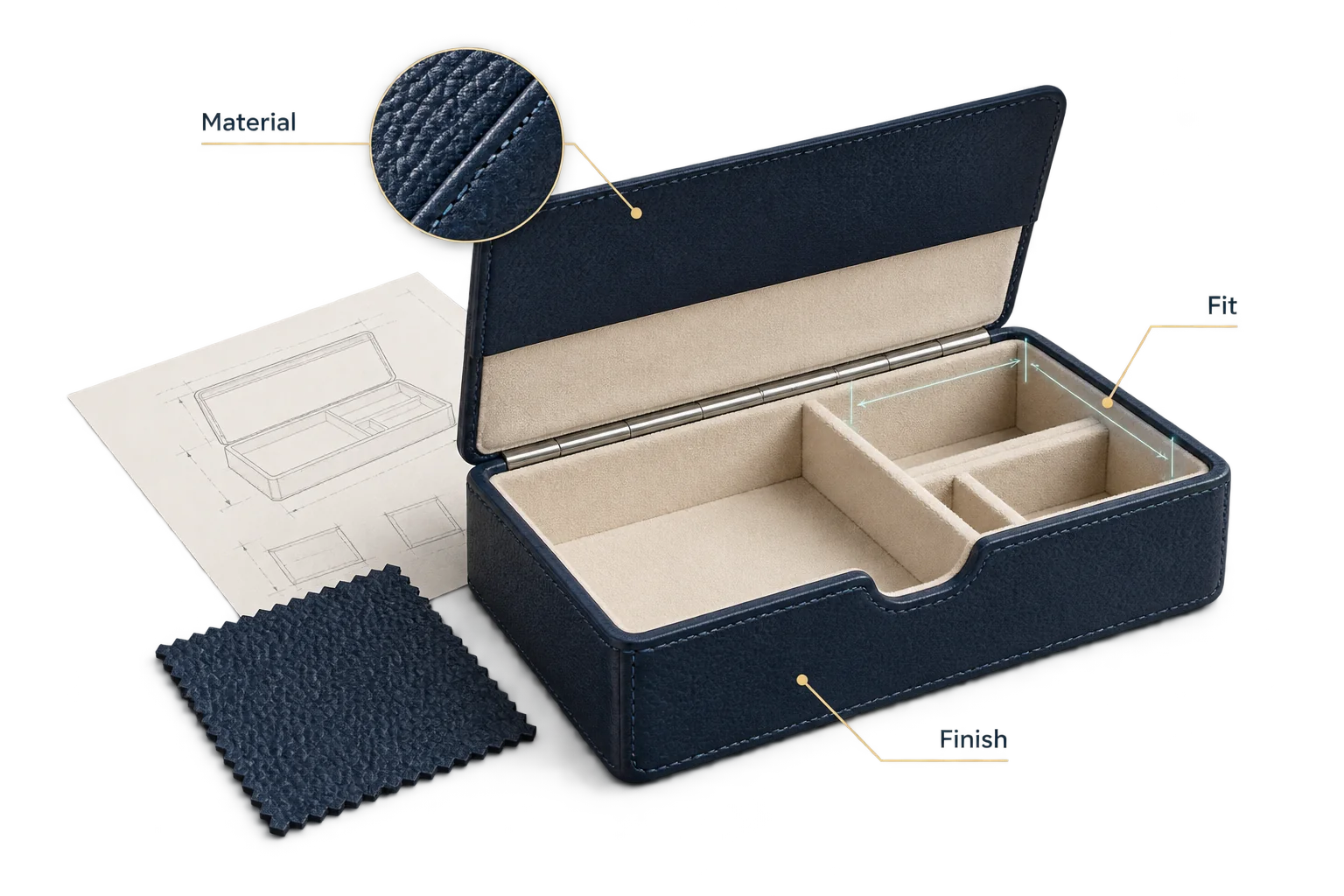
A useful sample round starts with a clear request and ends with a recorded decision. These three gaps make that harder.
State the material, size, color, function, finish, packing and allowed differences before the supplier prepares the sample. Identify the model and specification revision, the check or test required, tolerances and defect concerns. Agree the evidence needed and who decides on an exception.
View Service 06Give each version an identifier and date. Keep the earlier sample, requested change, supplier explanation and buyer feedback together. Record what was checked, what remains unresolved and whether another version or specialist test is needed.
Discuss This 07An approved sample provides a reference for the order. It does not establish the quality of all bulk goods. Carry its requirements and accepted exceptions into production follow-up and inspection planning, with a separate buyer decision before release.
View ServiceKeep the request, supplier response, sample version and next decision connected throughout the round.
Organize reference photos, drawings, materials, dimensions, finish, packaging, labels, quantity and the questions the sample should answer. Set the method, tolerance, defect concern and evidence format for each agreed check. Preserve the original finding when a correction follows.
View Service 09Confirm sample availability, preparation cost, lead time, courier charge, customization limits, available colors and any difference between the sample and intended production.
View Service 10Record what changed, why it changed and which version the buyer is reviewing. Compare suppliers against the same requirement rather than different sample briefs.
Discuss This 11Keep the selected sample identifier, specification revision, approval conditions, open questions and next owner together for production and quality planning.
Discuss ThisThe selected sample, written specification and any accepted differences should describe the same product. That record supports supplier comparison, revision requests and later inspection.
Use the sample to define the intended result. Bulk production still needs its own schedule, quality checks and release decision.
Confirm sample preparation, customization, packing and courier costs, the dispatch plan and who pays each charge before work begins.
Record the supplier, model, sample version, date, findings, buyer decision and conditions still to resolve. Keep earlier versions available.
A stock sample, customized sample and production reference may answer different questions. Record the purpose and limits before requesting one.

LIFA follows the request from supplier preparation to the agreed review and dispatch. Notes identify the sample received, differences from the brief and information still needed before the buyer decides.
Sample coordination serviceCompare the agreed dimensions, visible material and finish, fit, accessible function and packing with the current brief. Specialist performance or composition questions may need separate tests.
Explore sourcing servicesConfirm contents, recipient, packing, courier account, dispatch details and tracking. Record delays or delivery exceptions so the buyer can adjust the review plan.
See our sourcing processLIFA can receive and review samples in China within the agreed scope, then share observations before international forwarding. The review should focus on the questions that matter for your product and identify anything it cannot establish.
Start with the product reference, questions to resolve, supplier details and the sample’s destination.
Provide photos, links, dimensions, materials, colors, finish, function and any existing sample to match. State the intended user and destination, electrical or radio features, packaging and product claims where relevant. Keep applicable rule sources and approved requirements with the brief.
View Service13Supplier contacts or product links if already available, plus any quote, catalog, chat history, or previous sample notes.
Discuss This14Name the questions about fit, finish, function, durability, assembly, packaging or labeling. Agree how each can be checked and which questions need specialist testing.
Discuss This15Provide the recipient and address, courier account if available, review deadline, sample quantity, packing needs and responsibility for each fee.
Discuss ThisUse the blank CSV to record the sample purpose, reference, observations, revision request, buyer decision and courier handoff.
Move from a defined request to supplier preparation, review, revision and a documented buyer decision.
Review product references, supplier links, target quality, packaging, destination, courier needs, and questions the sample should answer.
Ask suppliers for sample availability, cost, lead time, customization limits, courier details, and what differs from bulk production.
Confirm the recipient, contents, packaging and courier arrangement. Track dispatch and delivery to the agreed reviewer, recording exceptions that affect the review date.
Compare the sample with the current brief. Record findings, buyer feedback, supplier explanations and any revision needed before the next round.
Keep the exact sample identifier, dated decision, specification revision and accepted conditions. Production, packing and inspection use that reference; later changes need another recorded decision.
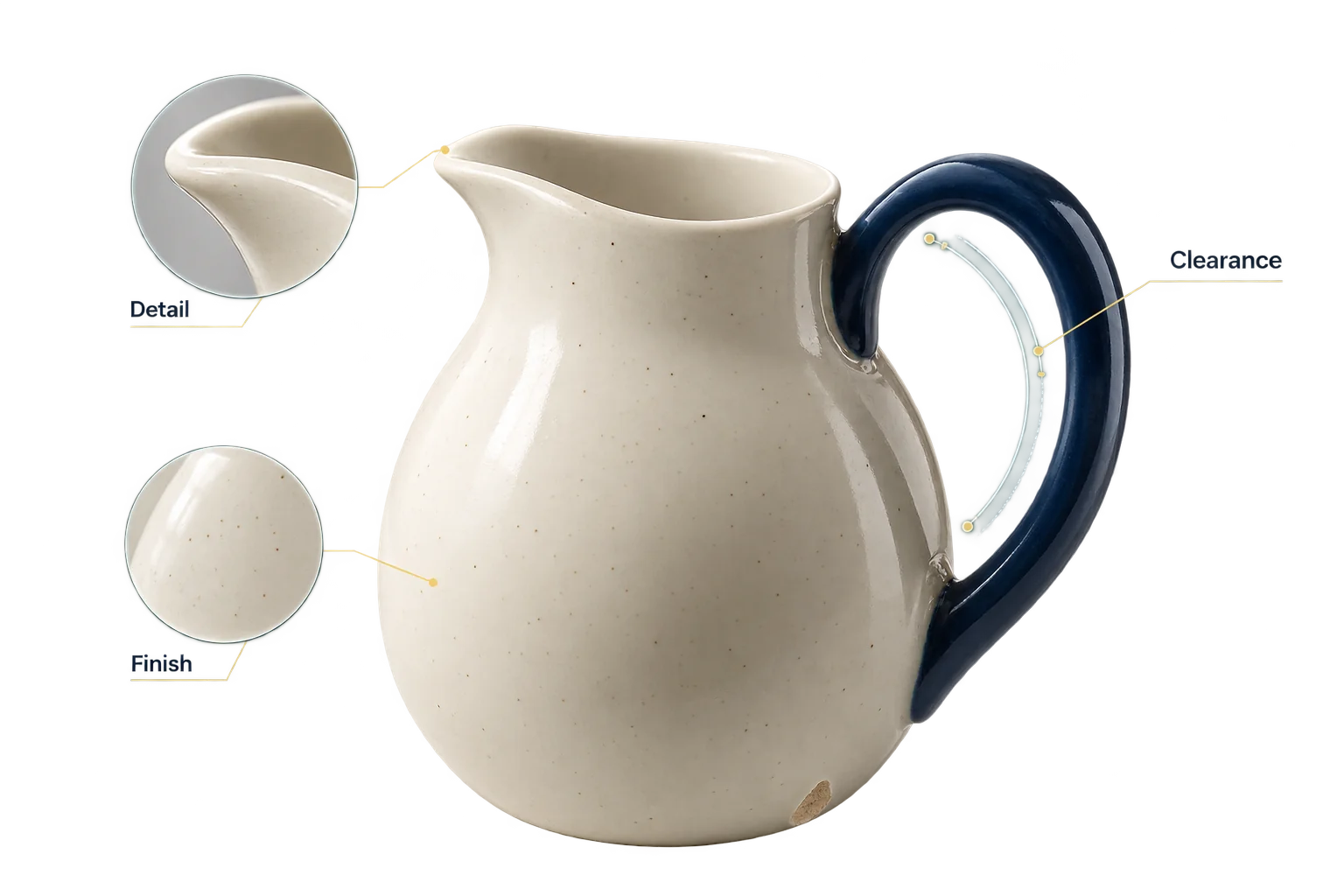
When the agreed scope includes a physical review in China, observations should show which sample was checked, against what reference and by which method.
Use the supplier, model, version and reference revision. Attach photographs, measurements and any check limitations to that sample.
Describe the observed material, finish, fit, function or packing difference. Separate a visual observation from a property that needs a specialist test.
The buyer decides whether to request a correction, another sample, further testing or forwarding for review. Keep unresolved conditions with the handoff.
Supplier communication and physical dispatch answer different questions. Keep both records connected to the version being reviewed.

Record the sample request, cost, lead time, supplier reply, requested change and next review. Preserve earlier versions so the buyer can see why a detail changed.
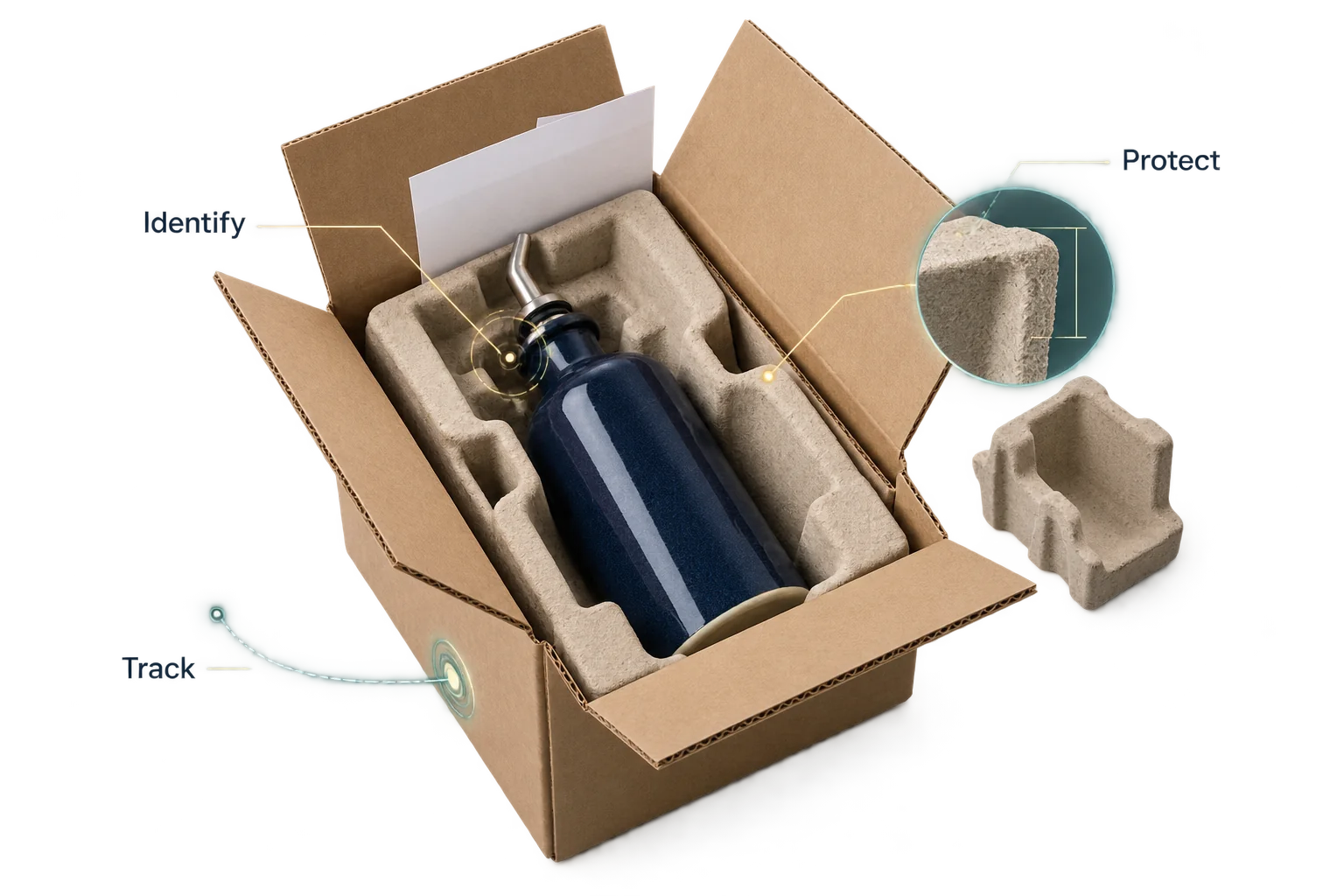
Confirm the contents and version, packing condition, recipient, payer, dispatch date and tracking reference. Record any delivery exception and the buyer’s next decision. A courier update confirms movement, not sample approval.
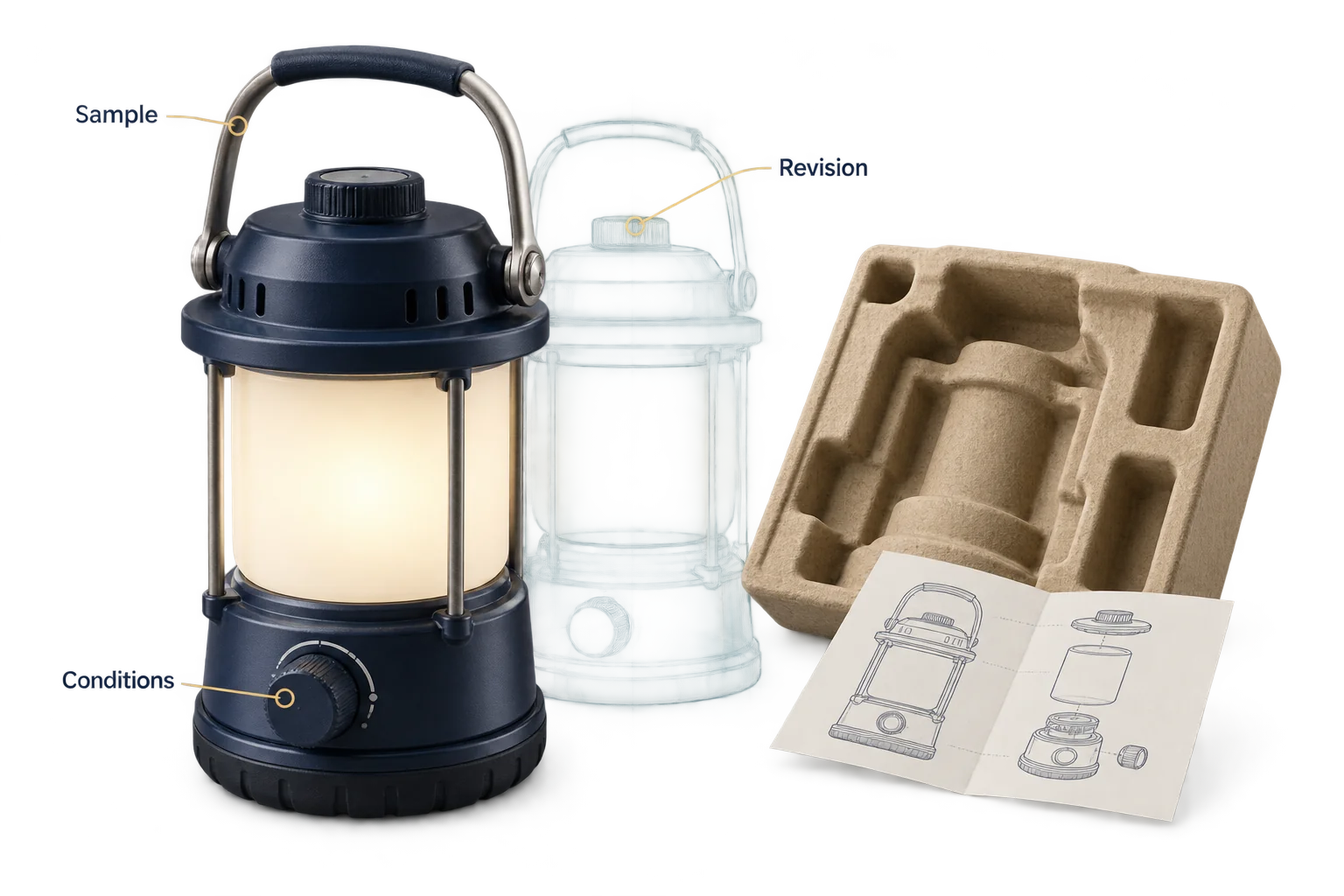
A message saying “approved” is incomplete if the factory cannot identify the sample, revision and conditions behind it.
Link the physical sample to its model, supplier, version, date, specification and review notes. Keep photographs that identify the reference.
Record what the buyer accepted, what still needs correction and whether another sample or test is required. Sample acceptance does not authorize every later change.
Give production, packing and inspection the same current reference. Preserve earlier revisions and written buyer decisions so later reviewers can trace a change.
Confirm the sample work and separate charges before the supplier begins.
The written scope and quotation identify request preparation, supplier communication, agreed checks, revisions and forwarding. Supplier choice, specification approval, payment, product compliance, tax and legal decisions stay with the buyer or appointed specialist unless the agreement states otherwise.
Record buyer approval for the selected supplier, specification, sample or golden sample, quotation and exclusions, tooling and revision. A sample decision does not approve the contract, payment milestones, material substitutions, bulk inspection result, shipping mode or cargo release automatically.
Cost and timing depend on sample availability, customization, number of suppliers and rounds, review scope, locations, document quality and courier requirements. Testing, tooling, travel, freight, duty, tax and other third-party charges remain separate unless included in the quotation. The written quotation takes precedence.
After a sample is reviewed, buyers usually need supplier review, quotation comparison, production follow-up, and inspection coordination.
Review supplier details before approving sample payment, deposit, or production.
View Service17Compare price, MOQ, lead time, materials, and terms after sample results are clearer.
View Service18Coordinate supplier updates after the buyer approves the sample and production details.
View Service19Use the approved sample and written spec as references for pre-shipment checks.
View ServiceAn approved sample becomes the reference for production, so it is worth getting the request right.
What to specify so the sample you receive reflects what will be produced.
Read the guide 21Turn an approved sample into a written standard production can be judged against.
Read the guide 22When a sample needs tooling, who owns the mold, and what that costs.
Read the guide 23Allow for sampling rounds before committing to a production start date.
Open the toolThese answers help buyers avoid confusing sample review with final production approval.
Sample coordination means organizing supplier communication, sample requirements, sample fee details, courier handoff, tracking, revision notes, and buyer approval records before a production order is approved.
Yes. Share the supplier contact, product link, specifications, target quantity, and sample requirements. LifaSourcing.com can help coordinate the supplier-side request and keep the process organized.
No. A sample is a reference, not a guarantee about bulk production. Keep written approval notes and arrange appropriate production follow-up or inspection so goods can be checked against the approved sample and specification.
Prepare product specifications, photos or links, material and size details, packaging needs, target market, supplier contacts if available, the number of samples needed, courier preference, and any tests or comparison points you want reviewed.
Yes. LifaSourcing.com can help track what changed between sample rounds, record buyer feedback, and communicate revision points to the supplier before another sample is prepared.
Use the request quote page or contact Simon by WhatsApp at +86 173 7653 5037 or email simon@lifasourcing.com. Send product details, supplier links if available, sample quantity, packaging notes, destination, and timeline.
Identify the sample version and the exact difference from the agreed brief. Keep photographs, measurements and the supplier’s explanation with the original finding. Agree whether to correct it, request another sample, arrange a specialist test or accept a stated exception. Record the buyer’s decision before the next round.
Consolidation can be discussed as part of the coordination scope. Confirm each sample’s identity, readiness, size, protective packing and destination with the receiving and courier parties. Agree the combined dispatch plan and charges first; waiting for one sample can change the timing for the others.
Send the product reference, supplier contacts, sample quantity, review questions, packing needs, destination and deadline. LIFA will help clarify the request and coordination scope.