Trace the product route
Start with the approved product reference and identify the material preparation, forming, assembly, finishing, testing and packing stages relevant to it.

We coordinate checks of factory registration, equipment, staffing and production capacity. Review the evidence against your product requirements before choosing a manufacturer.
Explore Factory Verification: scope, inputs, steps, deliverables, approvals, timing, risks and next steps with LifaSourcing.com.
Factory verification support helps buyers review whether a supplier's factory claims make practical sense before samples, deposits...
Each stage helps turn supplier factory claims into clearer review points.
This service is built around the practical details buyers need before approving suppliers, samples, production, inspection, or shipment.
LIFA reviews the production site, equipment and process claims behind a Chinese supplier’s quotation. We compare the available evidence with your product, order quantity and timeline, then organize findings and questions for your next decision.
Supplier verification focuses on company and transaction records. Factory verification asks whether the claimed facility can support the product and work proposed. The agreed scope can use a document review, live video, a site visit or specialist audit coordination; each gives different evidence and has different limits.
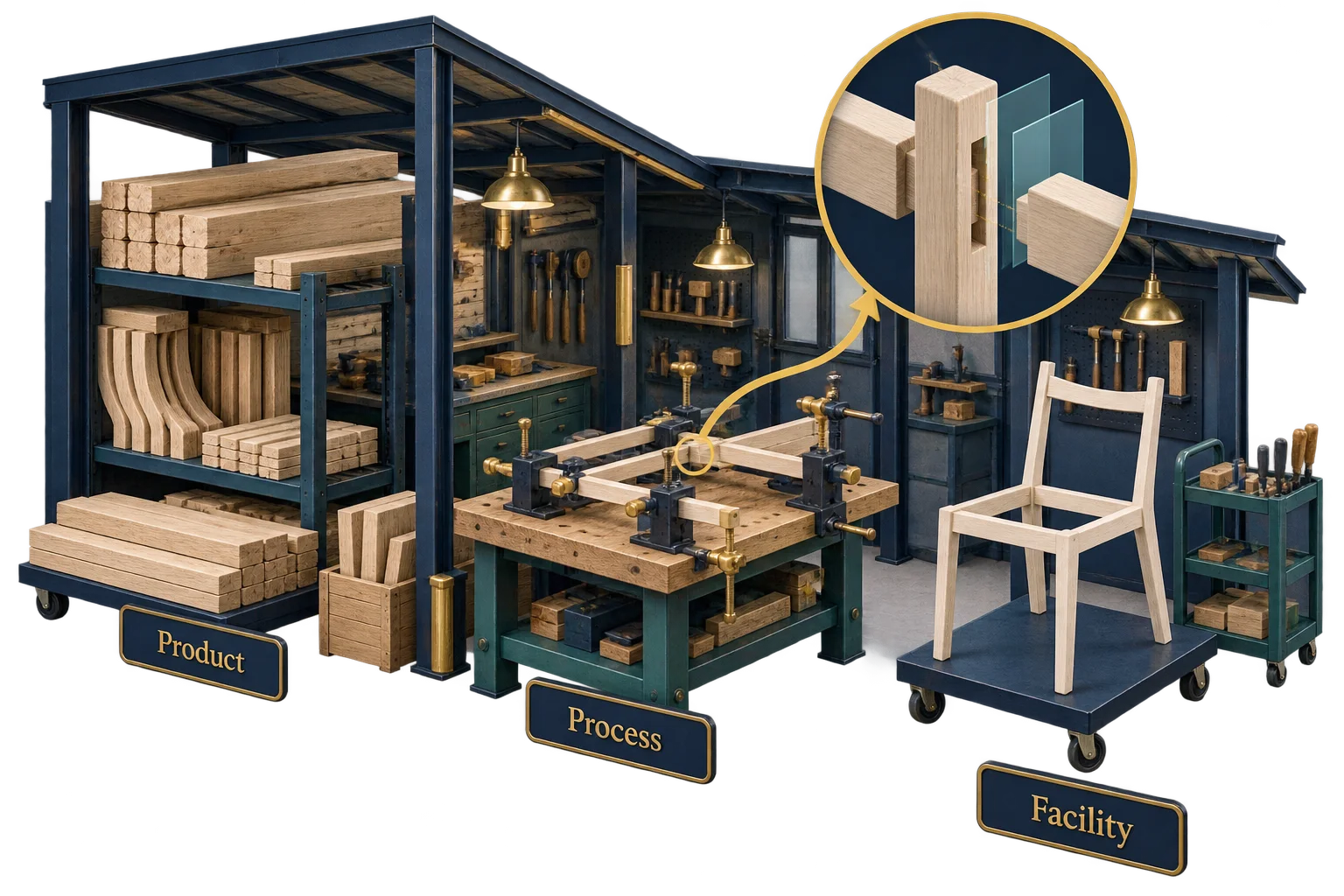
Use factory verification when a supplier profile does not answer where your product would be made, which processes happen there or whether the proposed production route suits the order.
Supplier profiles, sales offices, showroom photos, and factory claims do not always prove where or how production happens.
Discuss This06Output numbers, equipment lists, worker counts, and lead times should be checked against your product and order quantity.
Discuss This07Turn a broad audit request into specific production and quality questions. Include the product model, specification revision, sample reference, critical process and expected evidence. Keep corrective actions open until a recheck supports closure or you accept the stated limitation in writing.
Discuss ThisWe turn your product requirements and factory concerns into a scoped review. The output identifies supported findings, access limits, unanswered questions and next-step options.
Organize the factory name and address, supplier role, relevant product category, proposed production route and available documents, photographs or videos.
Discuss This09Ask which lines, machines, materials and processes would handle the order, including sample history, current load, output assumptions and lead time. Keep capacity claims tied to the product, quantity and delivery plan. Compare quotation exclusions and separate sample, tooling, packing or logistics costs in the later commercial review.
Discuss This10Agree the review method, site and production areas, product reference, evidence requests, access permissions and timing. Remote review, live video, an arranged visit and a specialist audit require different preparation and are quoted to scope.
Discuss This11Summarize what was reviewed, the source and date, exceptions and follow-up owners. Link any proposed material, quantity, tooling, packaging, quality, freight or payment change to a revised quotation so you can assess its cost and timing before approval.
Discuss ThisA machine list or factory photograph is useful only when it answers a question about the product and production route you intend to use.
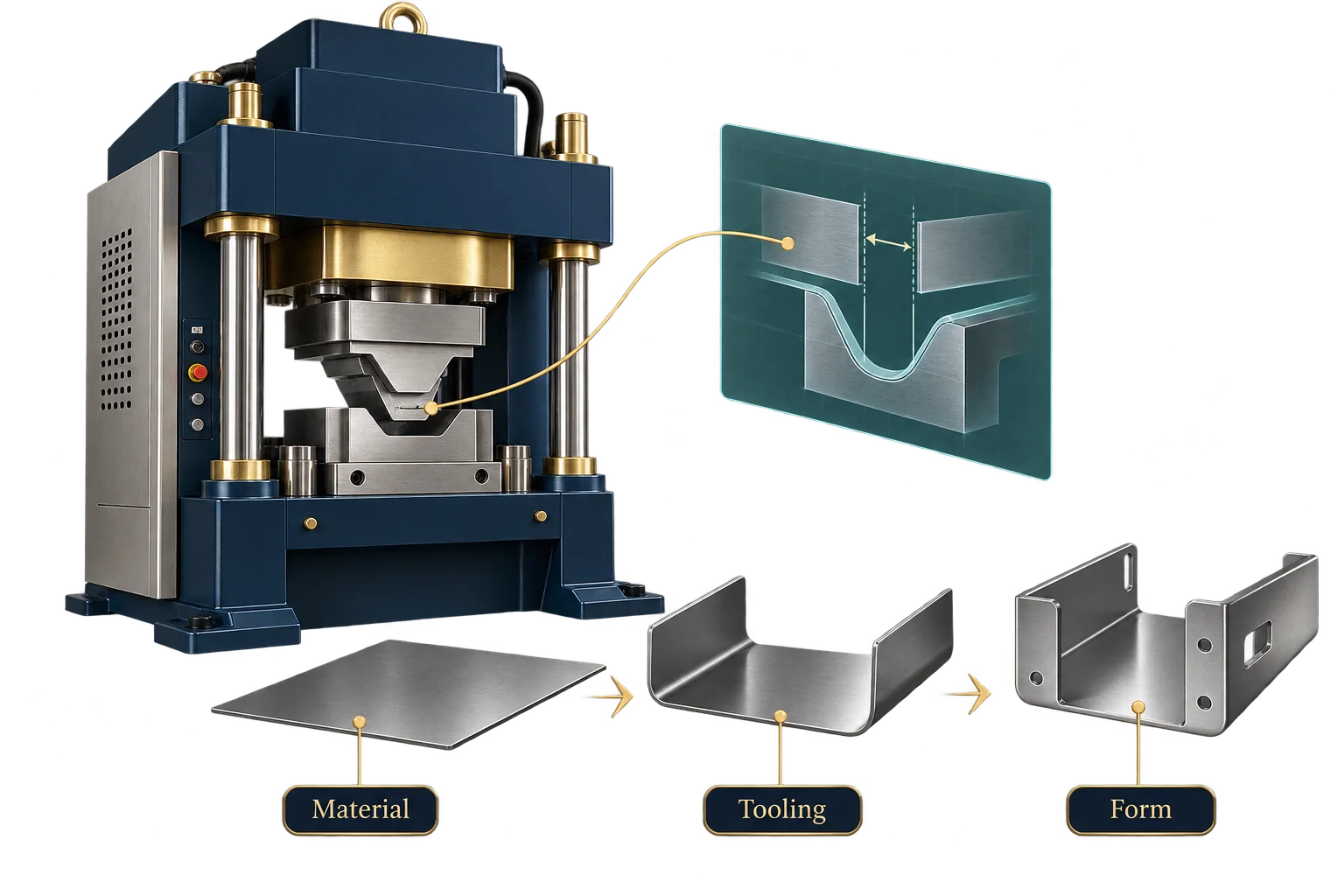
Compare the proposed process with the equipment, staffing, tooling and workshop evidence available. If the agreed scope includes a visit, record what is observed on site; document or video reviews must be identified as such.
Check relevant production steps, equipment, material flow, storage, quality controls and stated capacity against the supplier’s original claims and your product requirements.
Keep dated photographs, video notes, documents and findings with the location and review scope. Record areas that were not accessible, operations not running, unanswered questions and the next buyer decision. This gives useful context beyond a pass/fail label.
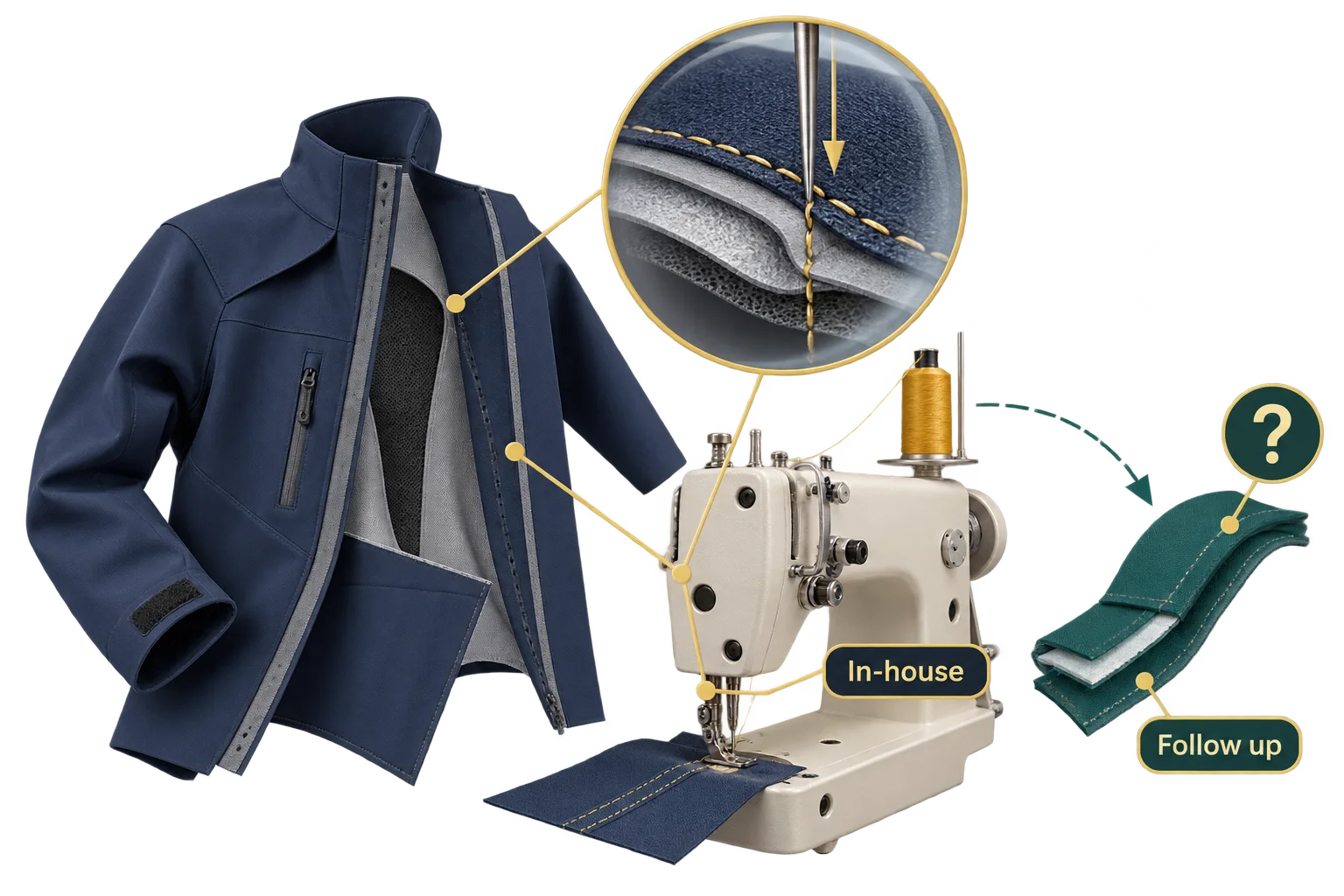
A factory may complete some operations in house and send others to another facility. Follow the actual product route so the review covers the work that matters.
Start with the approved product reference and identify the material preparation, forming, assembly, finishing, testing and packing stages relevant to it.
Ask for equipment, process and quality evidence for the step most likely to affect the requirement. Keep photographs, measurements, documents and exceptions attached to that question.
Record subcontracted steps, external sites and the supplier’s control over them. Accept, correct or escalate the finding before carrying the agreed route into production, inspection, packing and release planning.
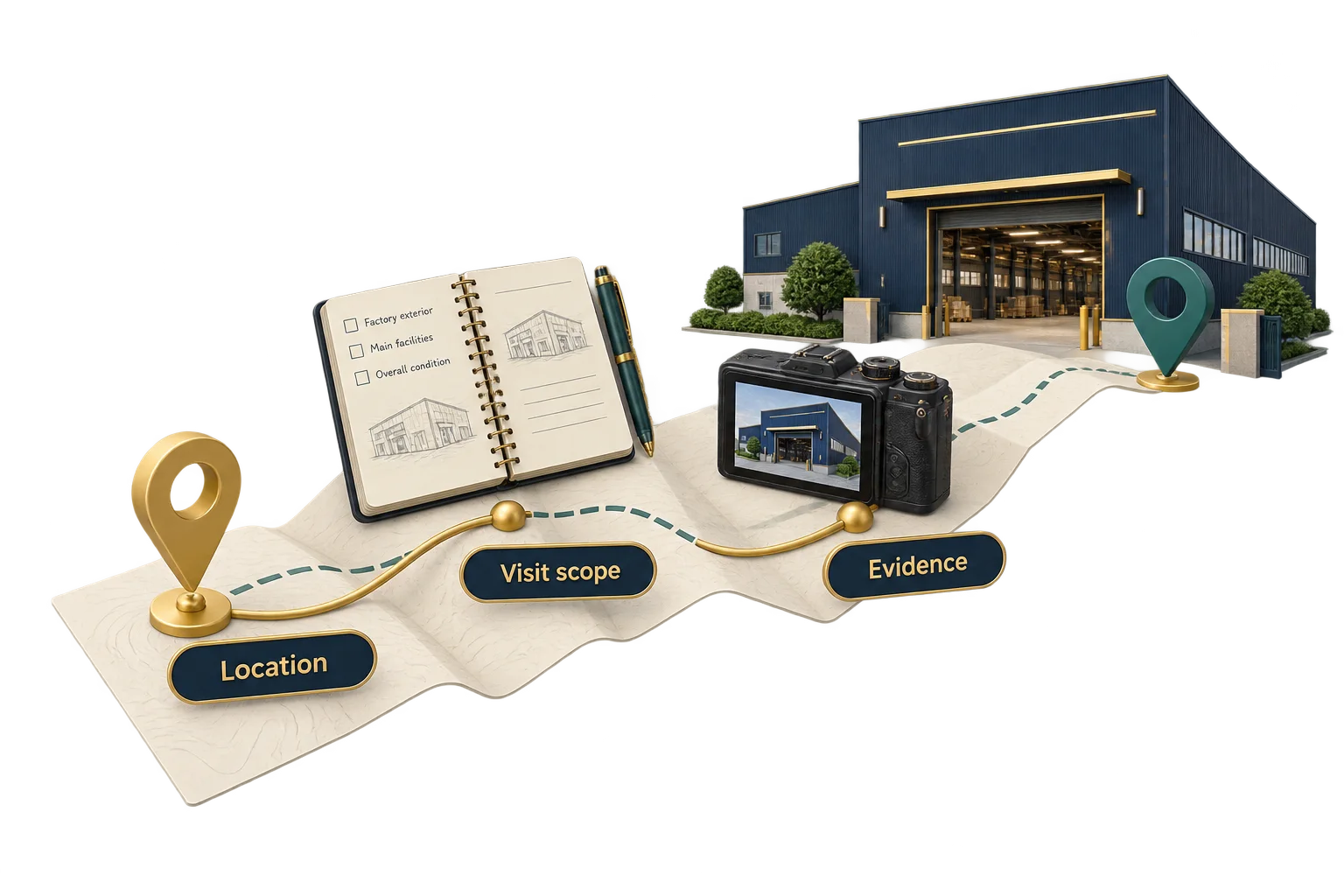
LIFA can coordinate factory visits across China’s manufacturing regions. Agree the location, access, scope and timing before booking. A visit can provide direct observations and photo or video records; a remote review can help prepare targeted questions but has different limits.
The factory review should focus on the exact product, order size, and risk points the buyer needs to clarify.
Supplier link, factory name, factory address if available, contact person, business documents, and any factory photos or videos already received.
Product specifications, materials, process requirements, target quantity, samples, target price, packaging, and timeline.
Production line claims, equipment lists, worker count, export experience, quality process, certificates, or subcontracting concerns.
Remote review, video call, China-side visit support, third-party audit coordination, or deeper pre-production review.
Use the blank CSV to connect each production claim to the requirement, review method, evidence request and next decision. Keep unobserved areas and unresolved questions visible.
Each stage helps turn supplier factory claims into clearer review points.
LifaSourcing.com reviews the supplier link, factory details if available, product requirements, quantity, and buyer concerns.
Questions are organized around factory address, production lines, equipment, process capability, photos, videos, and documents.
Supplier responses are compared with the product type, order quantity, timeline, sample status, and production requirements.
If deeper checking is needed, LifaSourcing.com helps organize questions for a factory visit, live call, or third-party audit scope.
The review can move into samples, quotation comparison, quality control planning, inspection coordination, or supplier replacement.
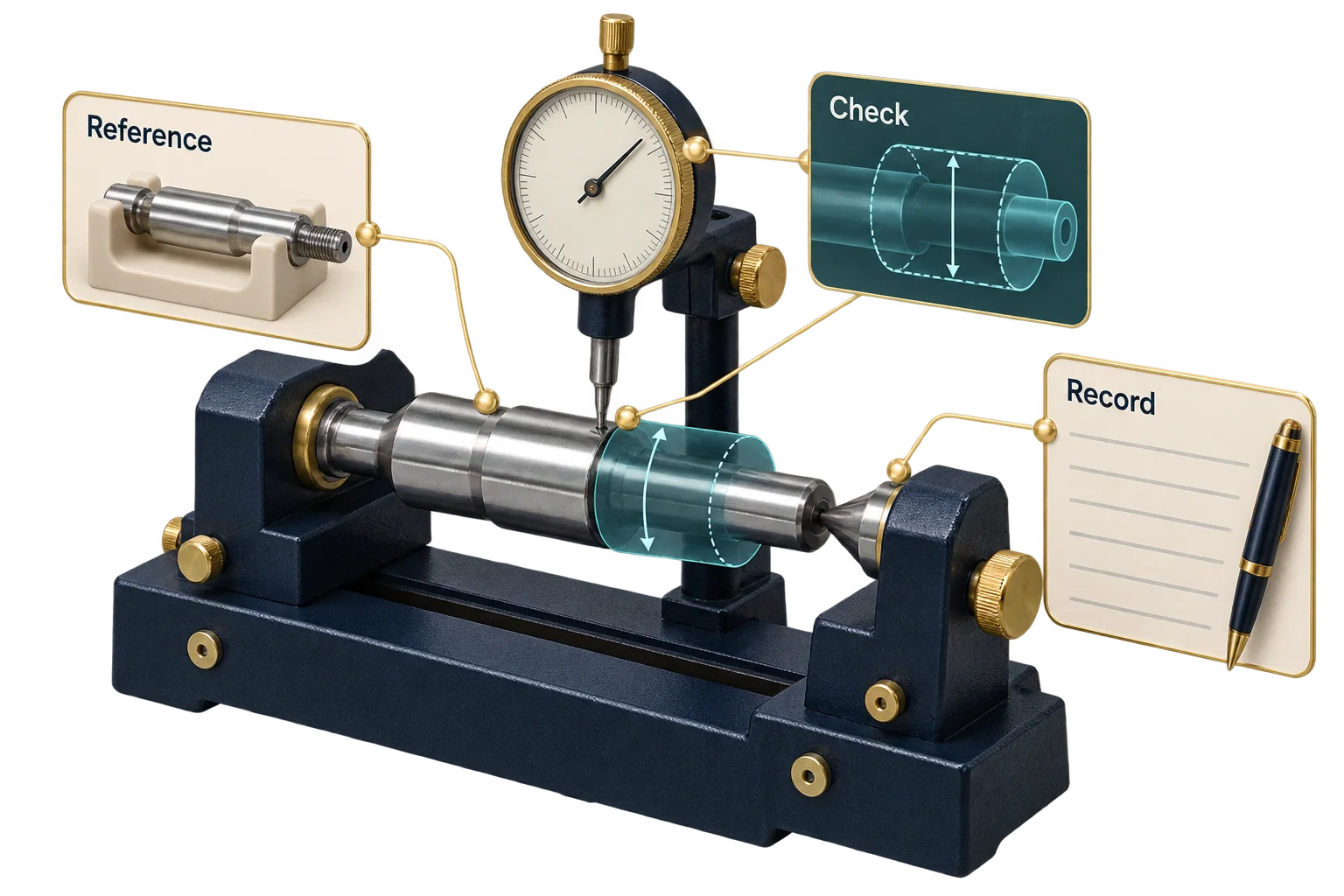
A useful checklist connects the buyer’s requirement with the evidence available at the factory. It should show what was checked, how and with what limitation.
Use the relevant specification revision, sample, process requirement or agreed checklist. Choose evidence appropriate to the question: observation, measurements, photographs, production records or staff explanations.
Record the location and date, source, review method, result and any difference from the requirement. Distinguish a factory statement from an observed or documented fact.
Name the owner and expected evidence for each corrective action or further check. The buyer decides whether to accept, request a recheck or escalate before the next production, inspection, packing or release step.
Keep factory findings, supporting records, limitations and the next action together so buyers can decide what to verify before committing.
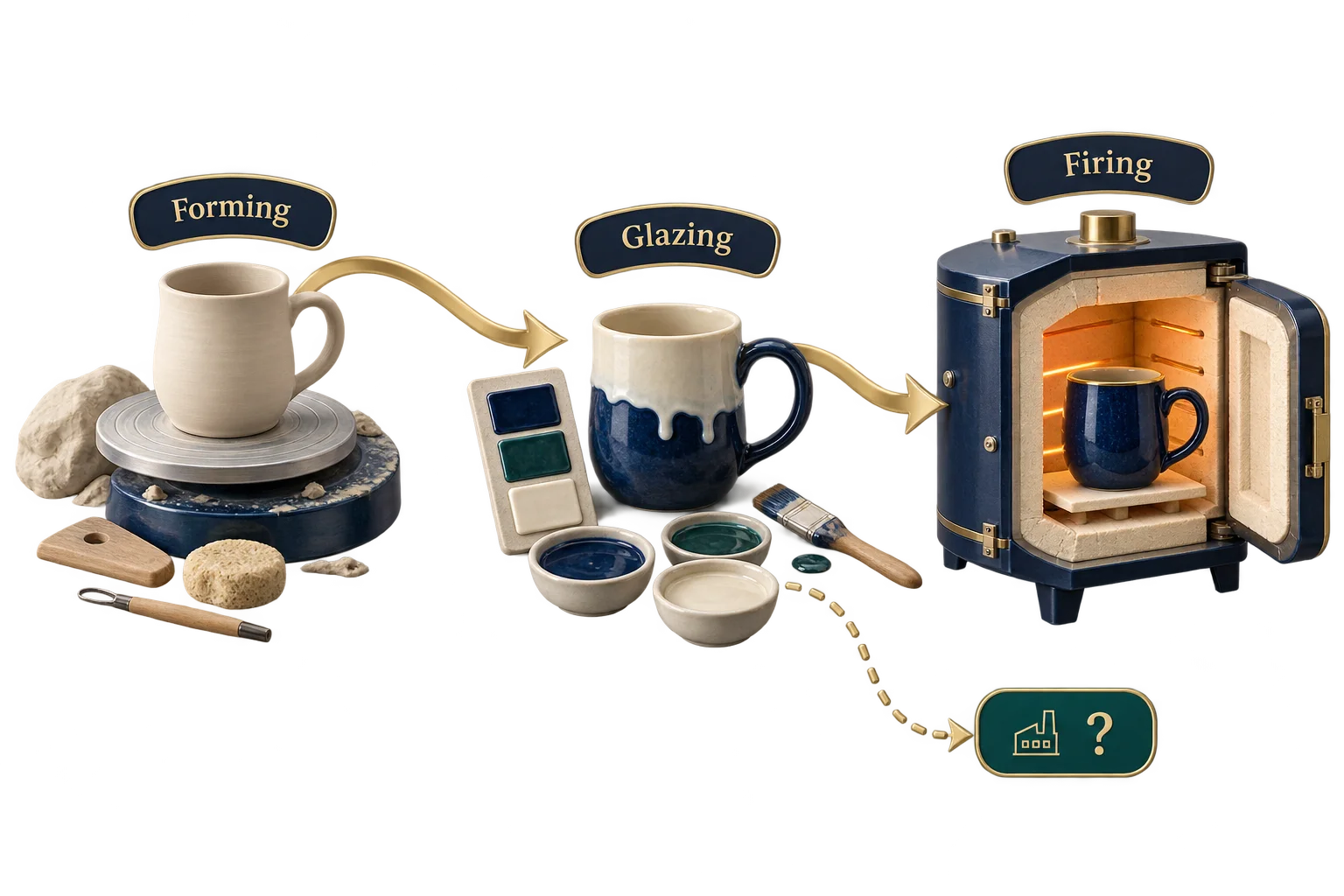
Ask where each production step happens, which equipment handles it and which operations depend on another facility. Keep the reply with the process and site it describes.
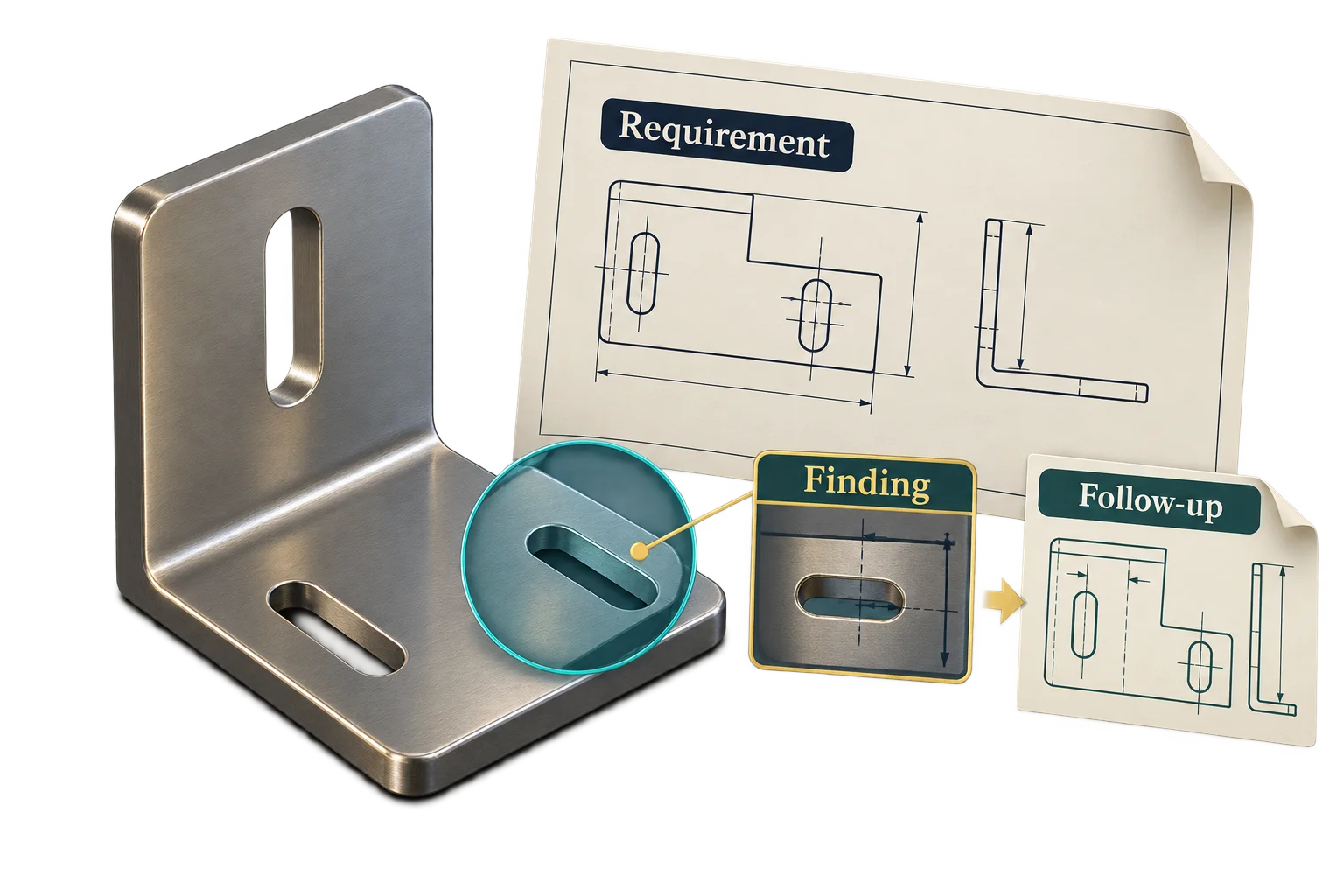
Attach a finding to the exact model, specification revision, sample or batch involved. Record the method, observed difference and proposed correction. Keep the issue open until a recheck provides evidence or the buyer accepts the limitation.
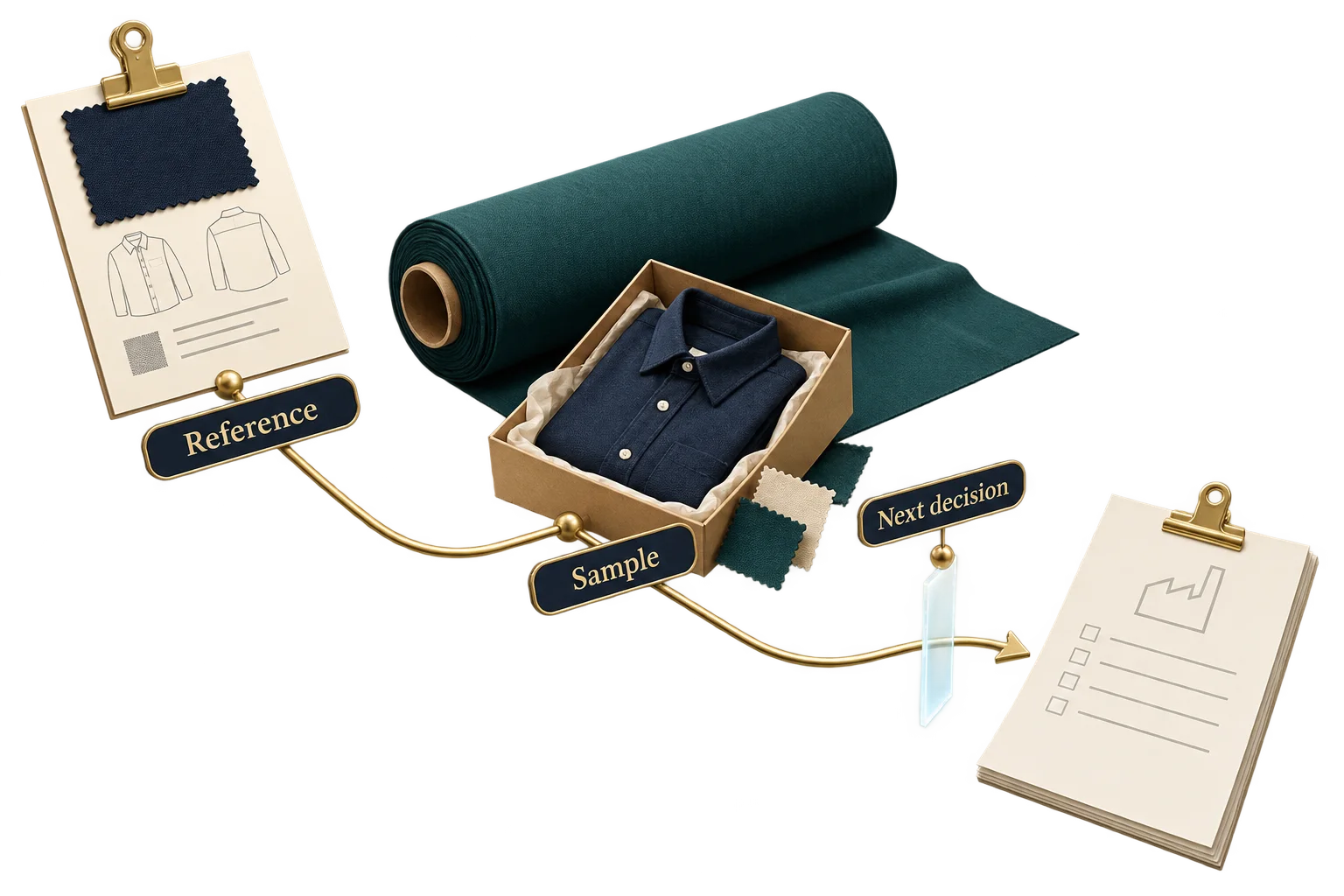
Use the reviewed requirement when requesting samples, planning deeper audits or adjusting supplier choice. Preserve the source, action, owner, deadline and dated buyer decision, including earlier versions when the requirement changes.
A factory review describes the evidence available within its scope and at the time of the check. Use it alongside samples, written terms and later production or shipment controls.
Record the actual production address, the supplier’s role and the evidence connecting that facility to your product. Office or showroom photographs alone leave the production-location question open. Assign an owner to follow up before the next buyer decision.
Discuss This13A factory may be strong in one material, process, or product type and weak in another.
Discuss This14Current order load, staffing, material availability, subcontracting and seasonality can change the production plan. Ask for the assumptions behind the proposed output and lead time, then revisit them when the order or schedule changes.
Discuss ThisA scoped review supports a decision about the production route. It does not replace product testing, ongoing quality controls or a shipment inspection.
The artwork here illustrates the method and is not evidence of a completed customer visit. Ask LIFA for a relevant, shareable record showing the product requirement, review method, location, findings, limitations and buyer decision. Confidentiality may restrict available examples. Use a qualified specialist for testing, customs, legal, tax or regulatory judgments.
Record the requirement, factory and review scope, supporting evidence, unresolved issues and the buyer’s dated decision. Link the record to later quotations, samples, batches, inspection findings, payments and shipment references so the next reviewer can see what changed and why.
Factory verification usually connects to quotation, sample, quality, and inspection planning.
Review company information and documents before focusing on factory production capability.
Learn more16Compare price, MOQ, lead time, materials, tooling, packaging, and payment terms after factory claims are clearer.
Learn more17Request and review samples after factory fit and production questions are better organized.
Learn more18Plan inspection support before shipment once production moves forward.
Learn moreFactory verification matters most when product requirements, production scale, or supplier claims carry meaningful risk.
Review factory capability before machinery, parts, tooling, technical products, or recurring production orders.
Explore route20Clarify production capability, equipment claims, and technical communication before machinery-related orders.
Explore route21Review factory process, sample handling, packaging capability, and quality controls before branded production.
Explore routeUnderstand which audit answers your question, what to look at on site, and what a failed check costs.
Which audit answers which question, and where each one stops being useful.
Read the guide 23Three checks that get confused constantly, and the decision each one supports.
Read the guide 24What to look at on the floor, what to photograph, and what to ask before leaving.
Read the guide 25Weigh the cost of verification against the cost of a defective production run.
Open the toolClear answers help buyers use factory verification as practical risk reduction, not as certainty.
We help check the production site, equipment, capacity and processes claimed by a factory. The agreed scope may include a site visit or remote review, with findings for your decision before samples or production.
No. Factory verification reduces uncertainty by organizing available evidence and risk notes, but it cannot remove every production-quality, delivery, compliance, or supplier-performance risk.
Supplier verification reviews company information, documents, and communication. Factory verification focuses more on the production location, equipment, capacity signals, process conditions, and whether factory claims match the buyer's product needs.
Some factory checks can be supported remotely through documents, photos, videos, live calls, and supplier questions. Higher-risk orders may still require an in-person visit or third-party audit.
Prepare supplier links, product details, quotation, order quantity, factory address if available, sample status, destination country, and the specific factory claims you want checked.
Send the supplier link, factory details if available, product information, order quantity, destination country, and main concerns to simon@lifasourcing.com or WhatsApp +86 173 7653 5037.
Start with the decision you need to make. Documents and live video can clarify specific claims remotely. A site visit can add direct observations of agreed areas at an agreed time. A specialist audit uses a defined assessment scope and competent auditor. Agree the product, criteria, access, evidence and deliverable before choosing; none of these methods establishes every future production outcome.
Record what was requested, what was refused or unavailable, and how that limits the review. Ask whether another source, a live demonstration or a revised visit scope can answer the question. You can postpone the commitment, request deeper checking or consider another supplier; unavailable evidence should remain visible in the decision record.
Share supplier links, product details, order quantity, factory information if available, photos or documents received, and the production claims you want reviewed.