
Quick Answer
For any legal product sourcing, buyers should compare more than price. Supplier capability, materials, packaging, labeling, inspection criteria, and export preparation should all be reviewed before payment decisions.
LIFA can help organize China-side communication and supporting steps. Final supplier selection, payment decisions, product compliance, and import rules remain the buyer's responsibility.
- Product photos, drawings, model numbers, or reference links.
- Quantity, target price, packaging needs, and destination country.
- Required standards, manuals, labels, accessories, or test reports if applicable.

Product Examples and Sourcing Points
Useful category pages should explain product examples, sourcing considerations, supplier checks, inspection points, packaging, and shipping notes.
general sourcing
Ask suppliers for clear specifications, packaging, and quality expectations for this item so quotes can be compared fairly.
Discuss This 02special requests
Ask suppliers for clear specifications, packaging, and quality expectations for this item so quotes can be compared fairly.
Discuss This 03cross-category products
Ask suppliers for clear specifications, packaging, and quality expectations for this item so quotes can be compared fairly.
Discuss This 04custom requirements
Ask suppliers for clear specifications, packaging, and quality expectations for this item so quotes can be compared fairly.
Discuss ThisHow the Work Is Organized
LIFA keeps sourcing tasks in a clear sequence so the buyer can review each stage before moving forward.
Inquiry Review
We review your product details, quantity, target market, and sourcing needs.
Supplier Search
We help identify supplier options and compare basic information.
Supplier Verification
We support checking supplier details before the buyer moves forward.
Quotation Comparison
We help compare price, MOQ, lead time, payment terms, and product details.
Sample / Order Preparation
We help organize samples, order details, inspection needs, and shipping preparation.
Common Risks to Review
Useful category pages should explain product examples, sourcing considerations, supplier checks, inspection points, packaging, and shipping notes.
Unclear specifications can lead to quotes that are not truly comparable.
Two quotes can look similar on price while covering different materials, tolerances, or accessories — ask each supplier to confirm the same spec sheet.
View Service 02Packaging, labeling, and spare part details can change landed cost and buyer risk.
Export packaging, required labels, and included accessories or spare parts should be confirmed in writing, since they affect both cost and what arrives at delivery.
View Service 03Import compliance requirements vary by market and remain the buyer's responsibility.
Certifications, safety marks, and labeling rules differ by destination country and product type, and should be confirmed independently before ordering.
View ServicePractical Checklist
Concrete points to check before you move forward, based on what buyers commonly overlook.
Describe your product as specifically as possible
A generic category name isn't enough; materials, use case, and target market help match the right supplier.
Confirm the product is legal in both China and your destination market
Rules differ by country, so check both ends before committing time to sourcing.
Flag any special handling or certification needs early
Unusual materials or regulated categories may need extra lead time to source properly.
Be ready to explain your quantity and timeline
This helps narrow supplier options to those who can realistically match your scale.
See It In Practice
These snapshots reflect how LIFA keeps a sourcing project organized: clear supplier communication, careful verification and quality checks, and shipping prepared before handover.

Supplier communication
Organized requirements make supplier answers easier to compare.

Verification and quality checks
Documents, inspection points, and sample notes are reviewed in context.
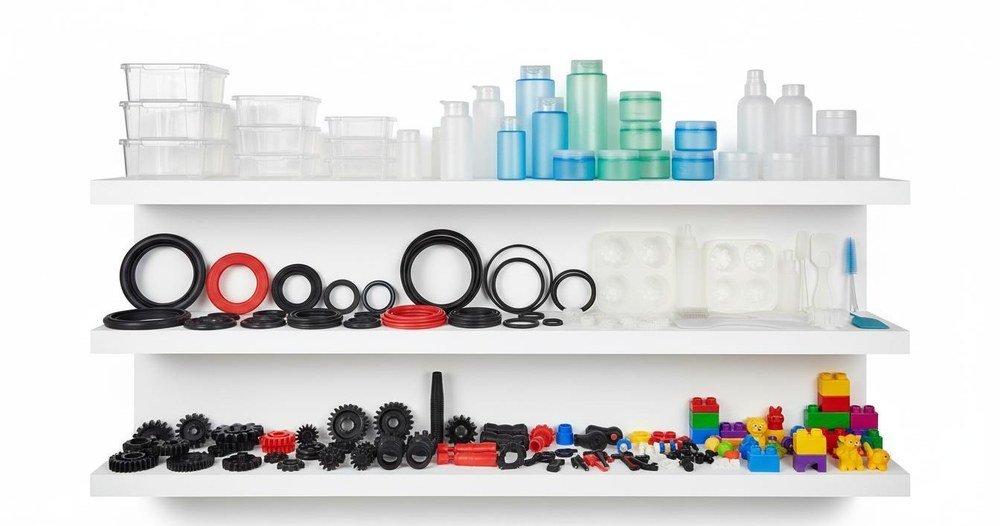
Shipping preparation
Packaging, handover, and freight details are prepared before shipment.
Where to Go Next
Continue exploring the sourcing topics and services most relevant to your project.
Product Sourcing
Find product options and supplier sources that match your target market and quantity.
Explore This Service 02Supplier Verification
Review supplier information before committing to payment, samples, or production.
Explore This Service 03Inspection Coordination
Arrange inspection support so you know product condition before shipment.
Explore This Service 04China Sourcing Checklist
A step-by-step checklist for planning a China sourcing project.
Read the Guide 05Request a Quote
Send your product details and get a practical next step from LIFA.
Start This RequestWhy Sourcing Any Legal Product Sourcing Matters
Smart sourcing of any legal product sourcing starts with asking the right questions early.
Market-Specific Compliance Verification
Every product category has unique regulations. Identify all compliance requirements for your target market early to avoid costly delays.
View Service 02Supplier Capability Assessment
Different products require different supplier capabilities. Verify the supplier has experience with your specific product type and quality standards.
Discuss This 03Quality Standards & Testing Alignment
Quality expectations vary by product. Set clear quality benchmarks, arrange sample approvals, and confirm all testing requirements upfront.
Discuss ThisAny Legal Product Sourcing Sourcing Learning Path
Build your knowledge across critical sourcing topics for any legal product sourcing.
How to Verify Chinese Suppliers
Evaluate supplier credibility and capability.
Read the Guide 02How to Source Products from China
Follow a systematic sourcing process.
Read the Guide 03China Sourcing Checklist
Use a comprehensive checklist for any product.
Read the Guide 04Get Started with LIFA
Send your any legal product sourcing sourcing request and get a practical next step.
Start This RequestBuilt on Transparent Buyer Feedback
LIFA Global Trade welcomes verified customer reviews on Trustpilot. Real feedback from buyers helps you evaluate our China sourcing support, communication, and coordination services with confidence and transparency.
Your honest feedback helps us improve our sourcing support and helps other buyers make informed decisions.
Questions Buyers Ask
Clear expectations help keep China sourcing work practical and responsible.
LIFA provides sourcing support, communication organization, supplier verification support, inspection coordination, and shipping preparation. Final supplier selection, payment decisions, product compliance, and import rules remain the buyer's responsibility.
Prepare product specifications, target quantity, destination market, target price if available, packaging needs, supplier links if you have them, and the service you need.
Use the request form or contact Simon directly by email at simon@lifasourcing.com or WhatsApp +86 173 7653 5037. If a static form does not open your email app, send the details manually.
Anything outside LIFA's listed categories, or with niche materials, low-volume manufacturing, or unusual regulatory requirements.
Yes, if a request looks impractical or non-compliant, LIFA will raise that early rather than proceeding blindly.
Share your requirements with LIFA Global Trade.
Send product details, quantity, target country, supplier links if available, and the support you need.
LIFA Services for This Category
Get professional sourcing support for this product type.
Why Any Legal Product Sourcing Matters
Understanding any legal product sourcing helps buyers make informed decisions and reduce sourcing risks.
Clear Decision-Making
Well-organized information about any legal product sourcing enables confident supplier selection and smoother sourcing workflows.
Start Your RequestRisk Reduction
Understanding any legal product sourcing reduces common sourcing mistakes and prevents costly delays in production timelines.
View ServiceCost Optimization
Proper knowledge of any legal product sourcing helps buyers identify value opportunities and negotiate better terms with suppliers.
Read the GuideAny Legal Product Sourcing Practical Sourcing Scenarios
Review practical sourcing situations, common risks, and preparation steps before starting a similar request.
Amazon Seller: Electronics Scaling
Review how volume planning, supplier comparison, and inspection checkpoints can support an electronics scaling project.
View scenarioPrivate Label: Defect Crisis Recovery
Review how clear specifications, sample checks, and inspection notes can reduce quality surprises before shipment.
View scenario ⚡Dropshipper: Viral Trend Capture
Review how supplier responsiveness, production timing, and freight choices affect urgent sourcing projects.
View scenarioRelated Resources & Next Steps
Explore additional guides and resources to expand your understanding of China sourcing.
Knowledge Center
Comprehensive sourcing guides covering supplier checks, quality control, logistics, and compliance.
Explore guidesHow to Source from China
Complete methodology for finding suppliers, comparing quotations, and organizing sourcing steps.
Learn moreSupplier Verification
Detailed verification checklist and best practices for evaluating supplier credibility and capability.
Learn more 📊All Case Studies
Educational sourcing scenarios showing planning challenges, trade-offs, and review points across different buyer situations.
View allLIFA Support for Any Legal Product Sourcing
LIFA Global Trade coordinates practical China-side support tailored to your sourcing needs.
Supplier Verification
LIFA helps review supplier information and coordinate verification checks before you commit to payment.
Learn more 📊Quotation Comparison
Organize and compare quotations side-by-side on price, MOQ, materials, lead time, and payment terms.
Learn more 🎯View All Services
Explore all LIFA services including product sourcing, factory checks, inspections, and shipping coordination.
Explore servicesCommon Questions About Any Legal Product Sourcing
Find answers to questions buyers commonly ask about any legal product sourcing.
Proper planning around any legal product sourcing is critical to timeline success. LIFA helps coordinate these steps in sequence so delays don't cascade into production delays or missed shipment windows.
Common mistakes include underestimating complexity, not organizing communication clearly, and moving forward without proper verification. LIFA's coordination helps prevent these by keeping steps structured and reviewable.
Yes. Contact LIFA with your specific any legal product sourcing-related sourcing question. Email simon@lifasourcing.com or message WhatsApp +86 173 7653 5037 to discuss how LIFA can coordinate support.
Start with the Knowledge Center for comprehensive guides, then browse case studies to see how other buyers have handled similar any legal product sourcing-related challenges. LIFA's team can provide personalized guidance for your situation.
Let LIFA coordinate the any legal product sourcing work for you.
Share your any legal product sourcing-related details and sourcing needs with LIFA. Get expert coordination from Hangzhou to streamline your supplier communication and China-side verification steps.
Continue through LIFA's sourcing network.
Use these internal routes to move between related pages, return to section hubs, or open the complete page directory.
Complete Site Links
Every public page is listed in one crawlable directory for visitors and search engines.
Open site mapProduct Sourcing
Browse category-specific product sourcing pages and practical buyer use cases.
Go to hubUsed Machinery Sourcing from China
Step back to a nearby page in the same topic group.
Go backApparel & Textiles Sourcing from China
Continue to the next connected page in this topic group.
ContinueChina Sourcing Services
Compare the practical services LIFA can coordinate for your sourcing project.
Explore servicesChina Sourcing Guide
Use guides, checklists, and risk notes to prepare better sourcing decisions.
Read guides