

Origin and preparation
Identify pickup, handling, consolidation, storage, packing, documents and export-related charges. Check minimum charges, unit basis and which partner performs the work.
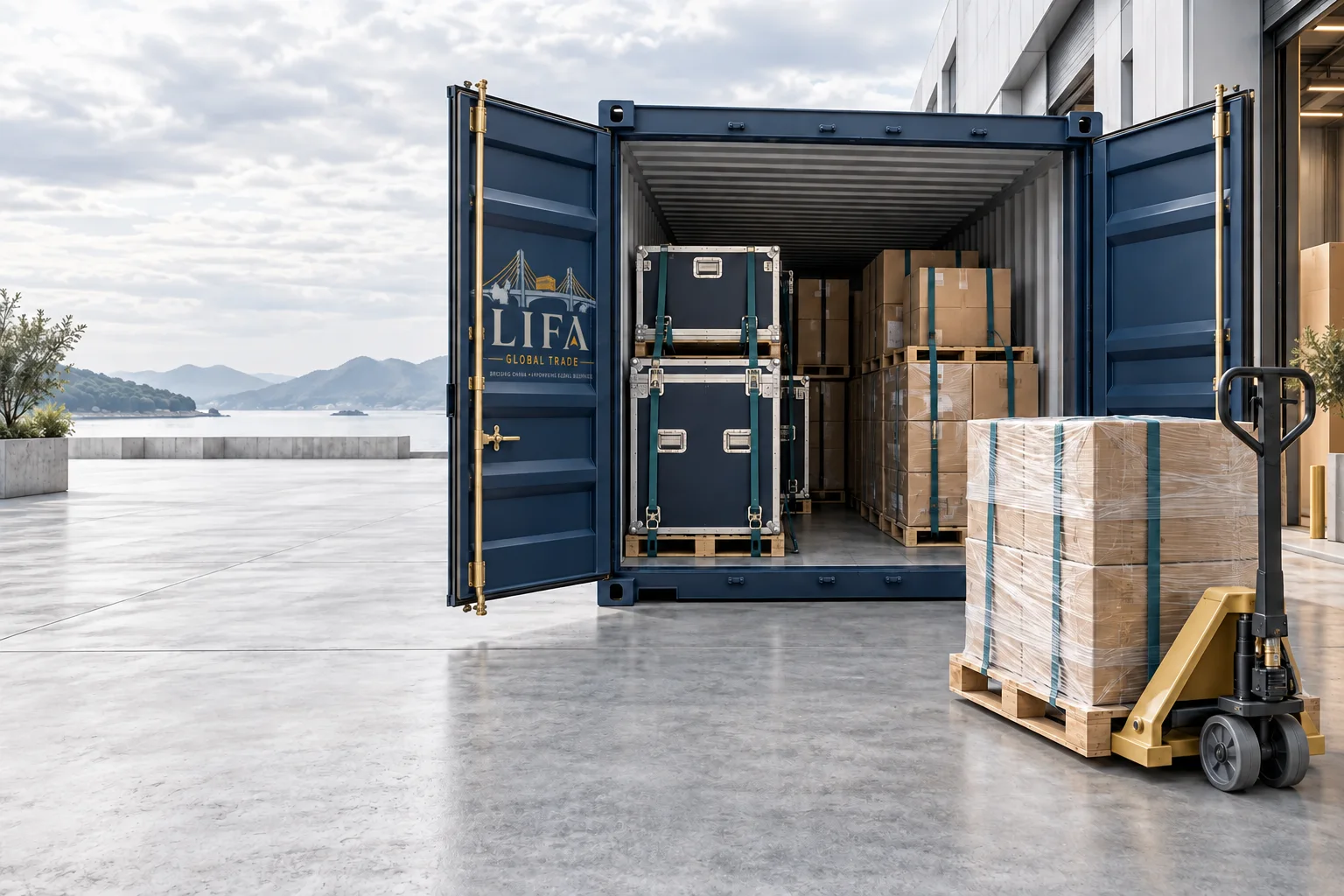
We organize cargo details, export documents and freight communication around your agreed delivery terms. Review responsibilities and costs before handing goods to the carrier.
Use the same packed cargo, destination and timing requirements to compare available routes.
Clarify pickup, documents, export coordination, consolidation and carrier handover.
Name the trade term, place and responsibility for each part of the shipment.
Keep quantities, dimensions, weights, value, ready dates and documents consistent.
LIFA coordinates shipping from China by bringing cargo details, supplier readiness, freight options and documents into one shipment plan. Compare available routes using the same carton dimensions, weight, value, pickup locations, destination and delivery priorities.
China-side support covers freight quotations and booking, supplier pickup, invoice and packing-list information, export documents, HS-code questions, export-clearance coordination, consolidation where useful and carrier handover. Agree the named place, included work and exclusions in writing. Destination clearance normally stays with the buyer, broker or destination provider; any requested DDP arrangement needs its own confirmed responsibilities and quotation.
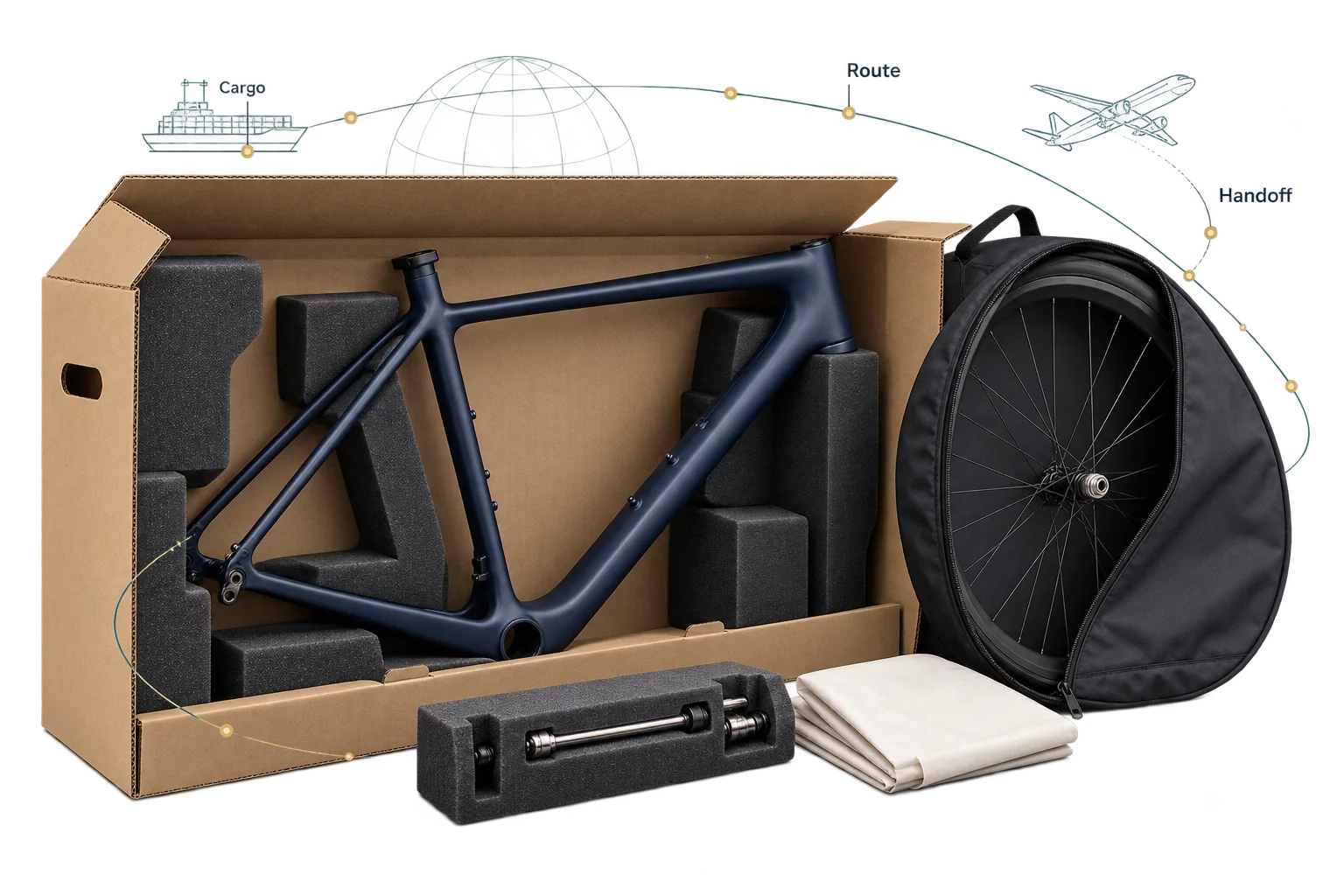
Start with your cargo size, ready date, destination and delivery priority. LIFA compares available routes against the same cargo details, with the included services and extra charges stated in the quote.
| Freight option | When to consider it | What to confirm before booking |
|---|---|---|
| Sea freight: FCL or LCL | Container loads or smaller consignments that can share container space, where the delivery schedule allows sea transport. | Cargo volume, consolidation and destination handling, sailing schedule, port charges and the final delivery arrangement. |
| Air freight | Orders where delivery timing or product value justifies comparing an air route. | Chargeable weight, cargo acceptance, airport handling and transport from the destination airport. |
| International express | Samples and smaller shipments for which a courier service is available and suitable. | Package dimensions, restricted-item acceptance, service coverage, customs responsibilities and surcharges. |
| Rail or a combined route | Destinations and cargo for which a rail or multimodal connection is available. | Route availability, each transfer, transit assumptions, destination handling and the carrier's cargo restrictions. |
Confirm the named handover point and the work your destination forwarder or broker will take over. A freight quote needs to state which origin and destination charges are included.
Confirm the delivery address, unloading needs and who handles import clearance, duties and taxes. Where a DDP arrangement is requested, these responsibilities must be clear in the written quote.
Coordinate each supplier's ready date, carton marks and packing list before consolidation. Compare collection, handling and storage costs with separate shipments before choosing the arrangement.
Transit times, carrier acceptance and prices depend on the route, cargo and booking date. The shipment quote supplies the current terms. Send your cargo details for a shipping comparison.
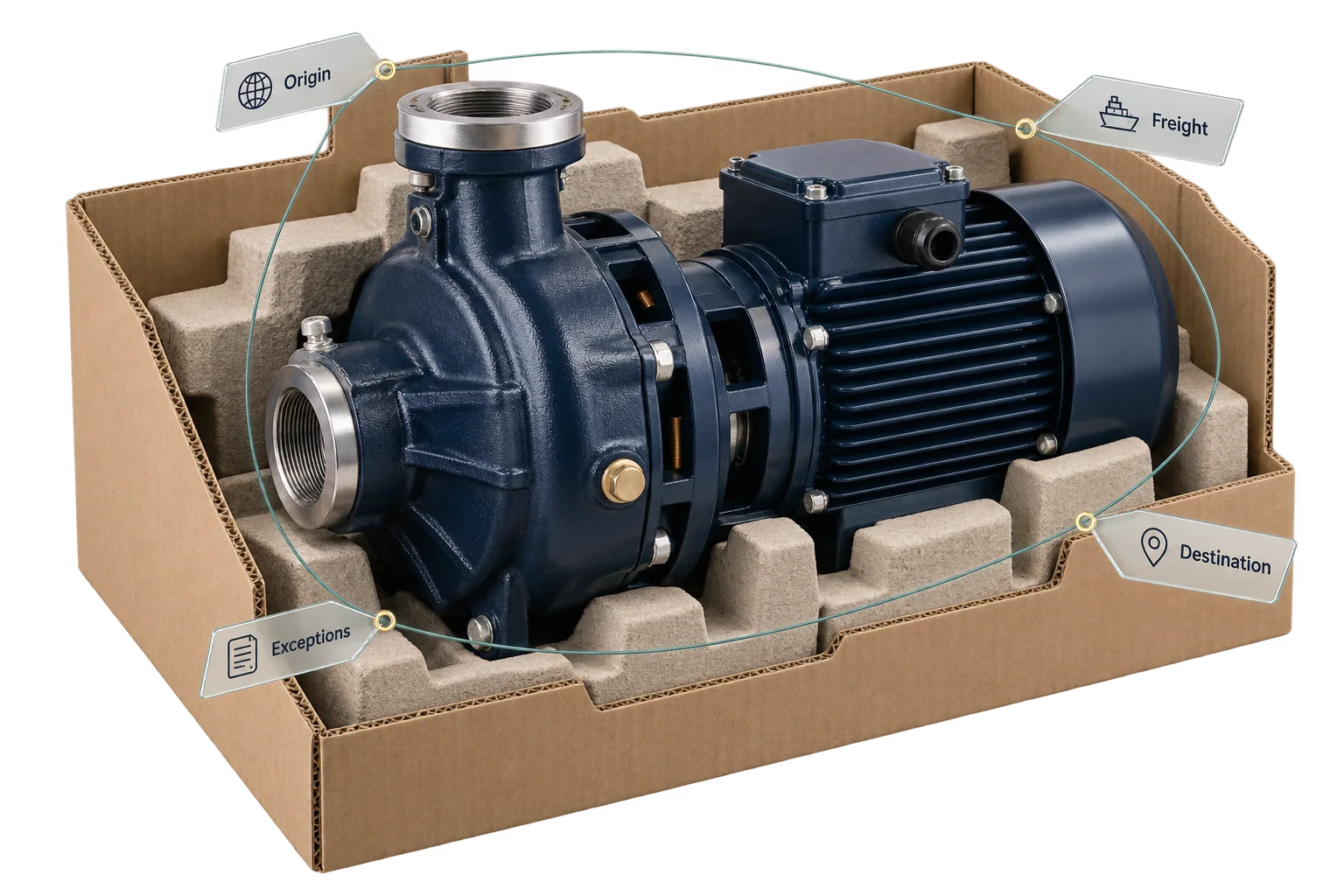
Ask each provider to state the charging basis and what is included. Keep contingent charges visible alongside the quoted total.
Identify pickup, handling, consolidation, storage, packing, documents and export-related charges. Check minimum charges, unit basis and which partner performs the work.
Compare the route, carrier/service, chargeable weight or volume, freight, applicable surcharges and any requested insurance. Record validity, included transit stages and the quoted exclusions.
Clarify terminal handling, clearance, duties, taxes, final delivery and unloading responsibilities. Ask about storage, waiting, failed delivery and other conditional charges, including their triggers. Review an incomplete price as incomplete rather than treating it as the delivered total.
The freight line is only one part of a shipment. Incomplete cargo data, documents or handover instructions can change the route and final charges.
Compare FCL, LCL, air, rail, express or multimodal options where the cargo and route allow them. Check readiness, handling, urgency and the exact delivery point before choosing.
Identify who supplies and checks the invoice, packing list, transport details, HS-code information and any required certificates. Reconcile them with the cargo and booking. Keep unresolved information visible before handover.
Different factory locations and ready dates can add collection, storage and handling. Compare a combined shipment with separate dispatches using the same destination and included services.
Define the origin work, freight arrangement and handover points before booking.
Compare available sea, air, rail, express and multimodal routes against product type, packed volume, weight, timing and destination. Keep quote validity and acceptance conditions visible.
Collect invoice, packing-list, transport, certificate and carton information for the agreed shipment. Confirm the source and responsible reviewer, and resolve differences between goods, documents and booking details.
Coordinate supplier readiness, pickup addresses, collection windows and partner receiving instructions. When consolidation is useful, agree handling, packing and storage costs before goods move.
Keep loading handover, tracking references, insurance requests and shipment updates connected to the cargo record. Name the contact, next milestone, open exception and buyer decision instead of marking an unconfirmed stage complete.
Coordinate the export declaration, HS-code questions, supporting documents and China-side clearance work with the appointed parties. Record any information or action still needed before departure.
Work from the agreed Incoterms rule and named place. For terms such as EXW, FOB, CFR, CIF, DAP or DDP, clarify the relevant transport mode, task allocation and quoted costs with the responsible parties. A trade term does not replace the booking, insurance terms or other sales-contract details.
Two offers are comparable only when their cargo details, destination and included services match.
Record the agreed trade term, named place and the parties arranging transport, clearance, insurance and final delivery. Resolve any gap between the sales terms and freight quotation before booking.
Specify the relevant Incoterms rule and exact place. Confirm that the rule suits the mode and that the quotation identifies its included and excluded tasks.
Identify who supplies, checks and hands over each required document. Use the actual product, route and destination requirements, preserving corrected versions and unresolved questions.
Carton counts, dimensions, marks, certificates, pickup timing and destination instructions need to agree before freight handover.
LIFA follows these China-side details with suppliers and freight partners so the buyer can review the route and any unresolved assumptions.
A clear brief lets providers price the same shipment and makes missing assumptions easier to spot.
Provide the product description, quantity, carton count, packed dimensions, gross weight, cargo value and photographs. Identify fragile goods, batteries or other characteristics the carrier must assess before accepting the shipment.
Share supplier contacts, pickup addresses, production and packing status, current ready dates and target delivery timing. Identify which suppliers need collection.
Name the destination country, port or delivery address, importer and broker contacts where available, trade term, unloading/access needs and final receiving requirements.
Share available certificates, labeling requirements, HS-code information if known, insurance needs and document instructions from the appointed destination parties. Flag questions that still require confirmation.
Use the blank CSV to record cargo inputs, delivery boundaries, charges, exclusions, validity and unresolved questions.
Move from a consistent cargo brief to comparable options, documents, an approved handover and traceable updates.
Review product type, supplier addresses, quantity, packed dimensions, gross weight, value, ready date, destination, timing priorities and trade terms.
Compare routes on the same cargo and delivery boundary. Record the rating basis, service inclusions, exclusions, insurance scope, validity and conditions that could change the quote.
Assign invoice, packing list, HS-code information, required certificates and transport details to the appropriate parties. Resolve conflicting fields before the next handover.
Confirm the buyer’s release instruction, collection window, supplier and carrier contacts, packing condition and any partner receiving or consolidation work.
Record pickup, departure and tracking information from its source. Keep document handover, changed estimates and remaining destination responsibilities visible.

A reliable handover uses one current shipment record, with differences resolved or explicitly held for review.
Confirm the packed quantity, marks, dimensions, gross and net weight, value, ready date and supplier locations. Keep the model, batch and carton identity traceable.
Compare the cargo record with the invoice, packing list and booking. Check consignee, route, named place, contacts and the agreed document requirements.
Preserve the original, correction, source and approval date. Confirm that the supplier, freight partner and buyer are working from the same revision before release.

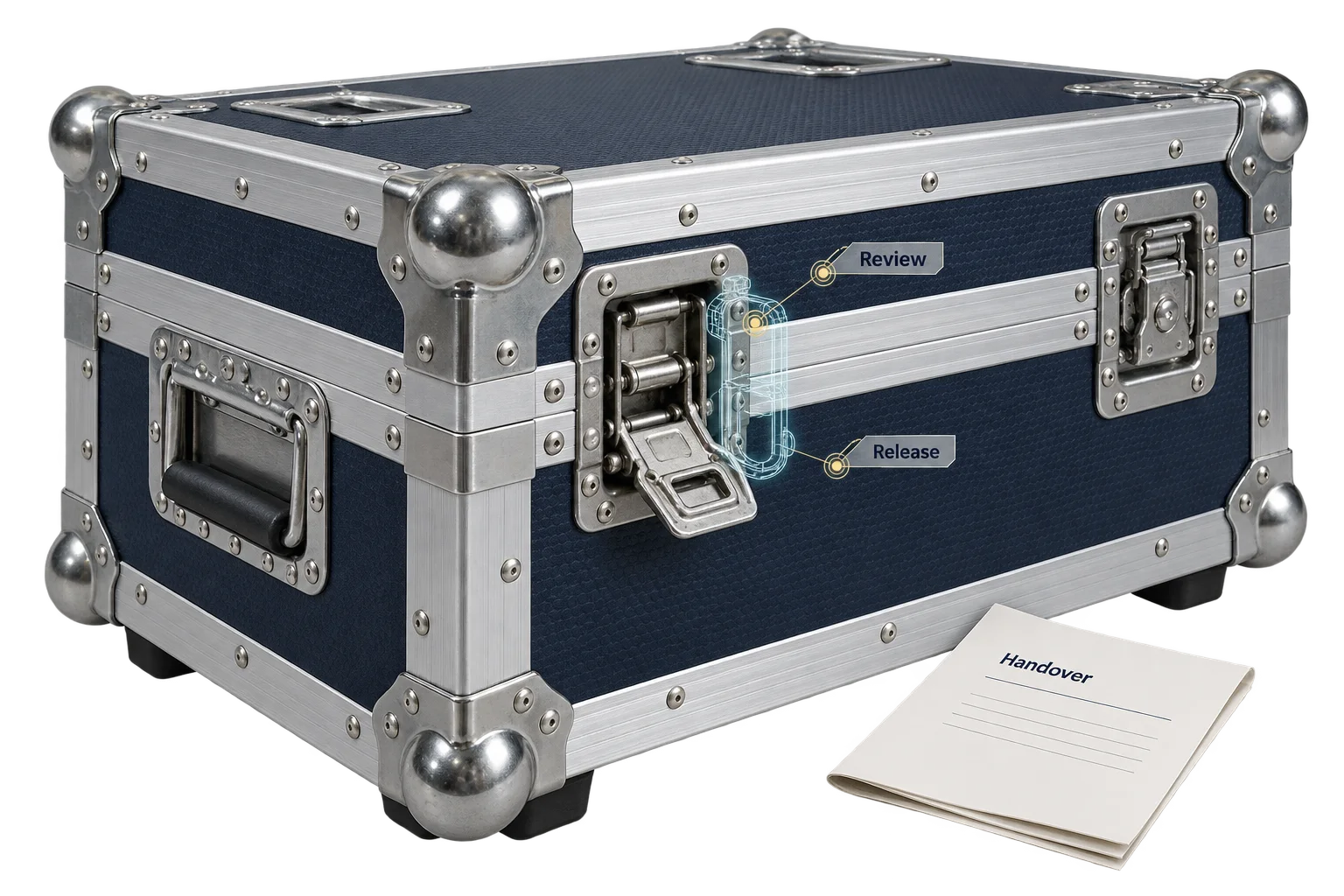
Keep carton count, marks, dimensions, gross and net weight, contents, value, ready date and pickup address together. Reconcile the invoice, packing list, booking, consignee and named delivery point. If a value changes, confirm its effect on the freight quote and documents.

A confirmed collection needs the right goods, address, access, contacts and release instruction at the same time. LIFA coordinates the supplier and origin partners, keeping revised ready dates and packing information visible.
Connect production, inspection, packing and trade terms before confirming the shipment.
Review goods, cartons, labels, and loading readiness before shipment approval.
19Track production and packing readiness before freight booking becomes urgent.
20Coordinate cartons, labels, retail packaging, warnings, and destination packaging needs.
21Understand how shipping responsibilities and costs can change by trade term.
The agreed Incoterms 2020 rule and named place identify defined delivery obligations, cost allocation and the point where risk transfers. They do not replace a freight quote or the rest of the sales contract. Review the ICC Incoterms rules before pricing the route.
Where cost and risk transfer under each term, and which one suits your setup.
Read the guide 23When consolidation beats a full container, and where LCL quietly costs more.
Read the guide 24The charges that appear after booking, and how to get quotes on one basis.
Read the guide 25Model freight, duty, and handling against the delivery term you are considering.
Open the toolClear answers for buyers comparing China freight routes, documents, and destination responsibilities.
LIFA coordinates freight comparison, booking, China-side pickup, carton and packing data, invoice and packing-list information, export documents and clearance work with the appointed parties. Consolidation, insurance requests, loading handover and shipment updates are included when agreed in the scope.
The right method depends on cargo volume, weight, urgency, destination, handling risk, and budget. FCL often suits larger container shipments, LCL can suit smaller sea shipments, and air or express can suit urgent or higher-value goods. LifaSourcing.com helps compare available options before the buyer approves the route.
The document set depends on the cargo, route, trade terms and destination. It commonly includes invoice, packing-list and transport information, with HS-code details and certificates or permits where required. Confirm the actual list and each document’s owner with the responsible export and destination parties.
Yes, where supplier readiness, partner capacity, product compatibility, storage timing and the freight plan allow it. Confirm collection, receiving, handling and storage charges first, then compare consolidation with separate dispatches.
Destination customs clearance is normally handled by the buyer, appointed broker or destination provider. If you request a DDP arrangement, confirm the responsible parties, duties, taxes, delivery point and exclusions in the written quotation before approval.
Buyers should prepare supplier locations, cargo quantity, carton dimensions, gross weight, cargo value, ready date, destination country and address, Incoterms if known, certificate needs, insurance preference, and delivery-priority notes.
Final packed dimensions, weight, carton count, readiness, route or delivery requirements may differ from the initial brief. Quote validity, carrier acceptance and stated surcharges can also matter. Ask the provider to identify the changed input, charging basis and revised total, then record the buyer’s decision before booking or release.
Do not infer the charge scope from the destination address alone. Ask the provider to state the trade term, named place, clearance arrangement, duties, taxes and delivery exclusions. Where DDP is requested, confirm the proposed responsibilities and written quotation with the relevant parties before approving it.
Send the packed dimensions, weight, quantity, value, supplier locations, ready dates and destination. Include the delivery priority and trade term if known so LIFA can clarify the freight comparison and handover scope.