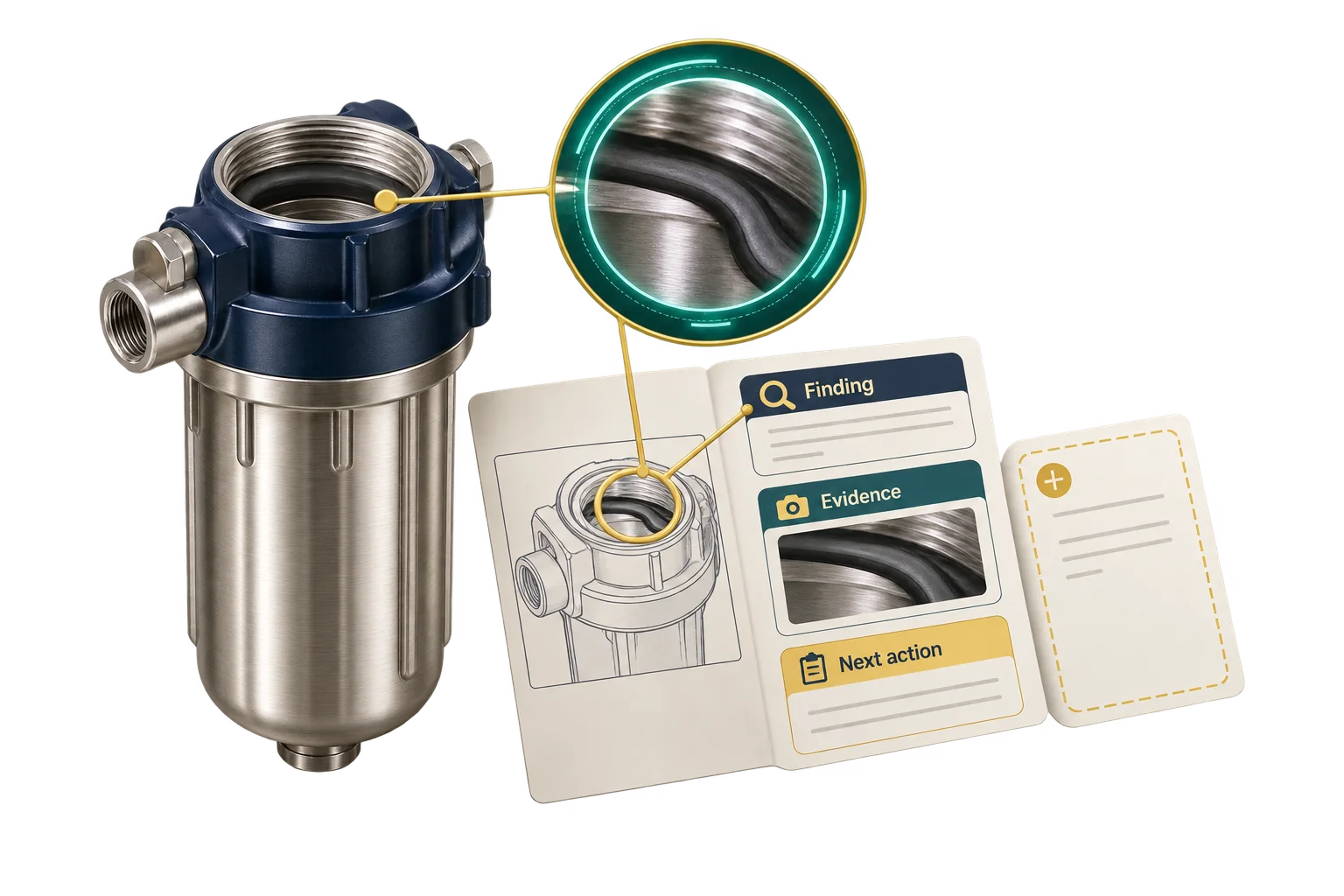
Inspect your products before they leave ChinaUse the findings to decide release
We coordinate inspection scope, factory readiness and report review against your requirements. Use the findings to approve shipment, request corrections or arrange reinspection.
LIFA arranges the scope, supplier access, timing and report review for product inspections in China. We connect your purchase order, specification and sample references to the checks the selected provider will perform.
The scope can cover pre-shipment or during-production inspection, packing review and separately agreed loading checks. You receive findings and unresolved questions for your decision on corrections or release. Sampling, access limits and tests outside the scope remain explicit.
Agree the checks first. Review the findings before release.
Plan the checkpoint
Who should arrange an inspection, and when?
Inspection coordination is for importers, distributors, e-commerce brands and project buyers who need evidence before approving a shipment. Start while production and packing can still be corrected. A factory readiness message is a useful trigger, but the brief should be agreed earlier so the supplier can keep the approved sample, specifications and acceptance criteria available.
For the buyer
Use it before payment or release
Arrange a check when the order is near completion, when a new supplier is producing a first order, or when a known quality concern needs a documented answer. It can also support a mid-production checkpoint or container-loading review when that scope is agreed in advance.
For the factory
Give the supplier a clear, workable brief
Share the exact factory address, contact person, ready date and access requirements. The supplier must confirm that goods are available for the agreed sample, measurements and functional checks. Travel and access are confirmed from the factory's actual location, not assumed from a city name.
Buyer problem
Clarify the scope before the inspector arrives
A report is only useful when the inspection scope matches the product, order terms, approved sample, and shipment risk. Buyers need the right questions prepared before the inspector arrives.
05
The factory says goods are ready
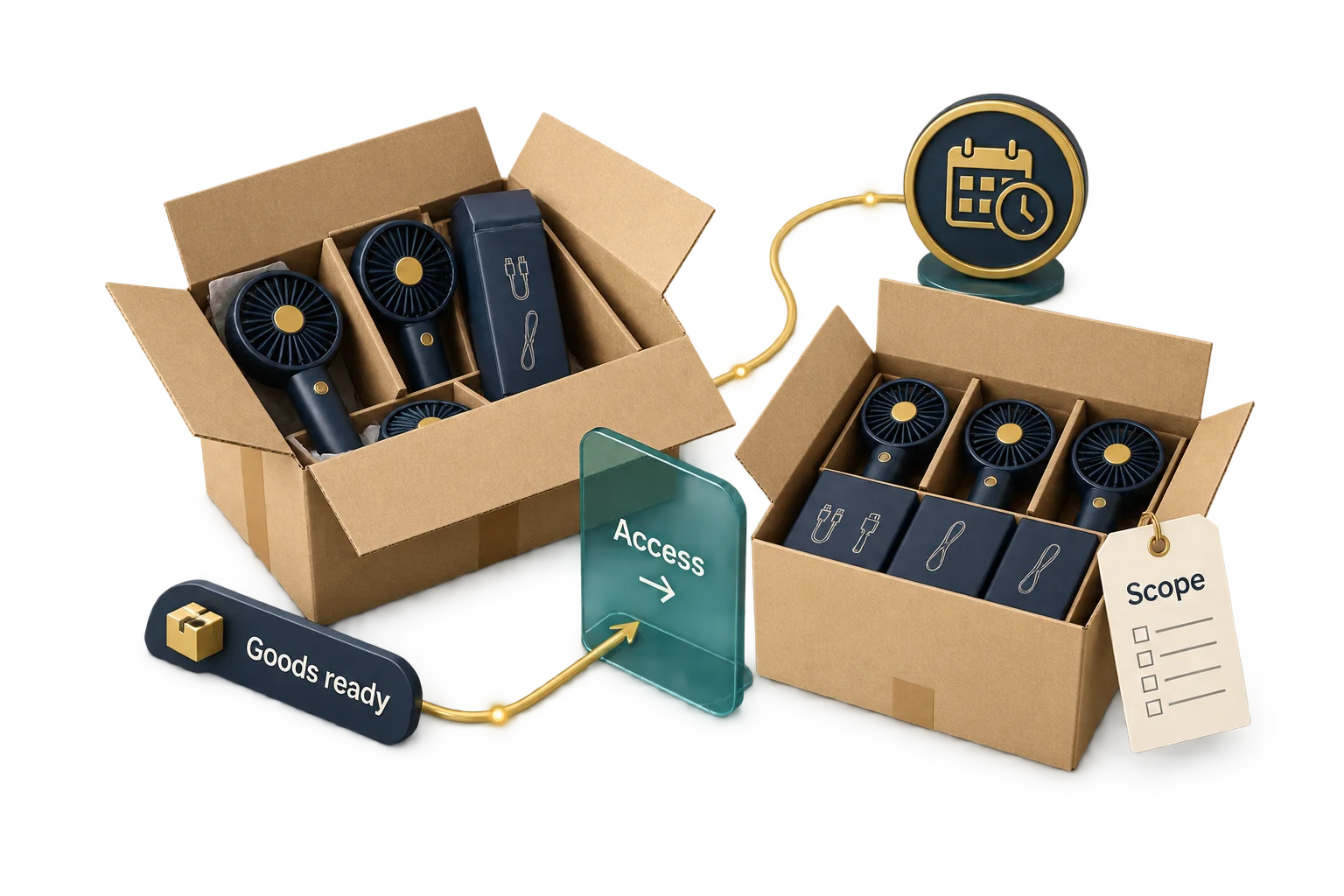
Readiness needs more than a message. Buyers often need production status, packing photos, carton counts, inspection access, and realistic timing before booking the check.
06
The inspector lacks clear standards
If specifications, sample notes, packaging rules, and defect concerns are not organized, inspection findings may miss the buyer's real risk points.
07
The report is hard to act on
Connect each finding to the model, batch, specification revision, sample, method and defect category. State the correction requested, who will respond and whether a recheck is needed. The buyer can approve, ask for more evidence or hold shipment, with remaining exceptions recorded.
How LifaSourcing.com helps
China-side inspection coordination with practical follow-up
LifaSourcing.com helps organize the inspection request, supplier communication, and post-report review so the buyer can make a clearer shipment decision.
08
Inspection scope preparation
Product specs, sample notes, PO details, defect concerns, and packaging requirements are organized before the inspection request is sent.
09
Supplier access coordination
LifaSourcing.com helps confirm factory contact, inspection address, production status, packing readiness, and timing so inspection access is not left vague.
10
Report review support
Key findings, photos, defect notes, carton issues, and open questions are reviewed in plain language.
11
Shipment handoff
If the buyer approves next steps, inspection findings can be connected with packaging, documents, and shipping coordination.
Inspection scope
Product inspection services in China, matched to your order
The written brief separates what can be observed on site from what needs a laboratory or specialist. Each point is checked against the buyer's approved reference, and the final record states whether the check was sampled or complete.
01
Specifications and technical parameters
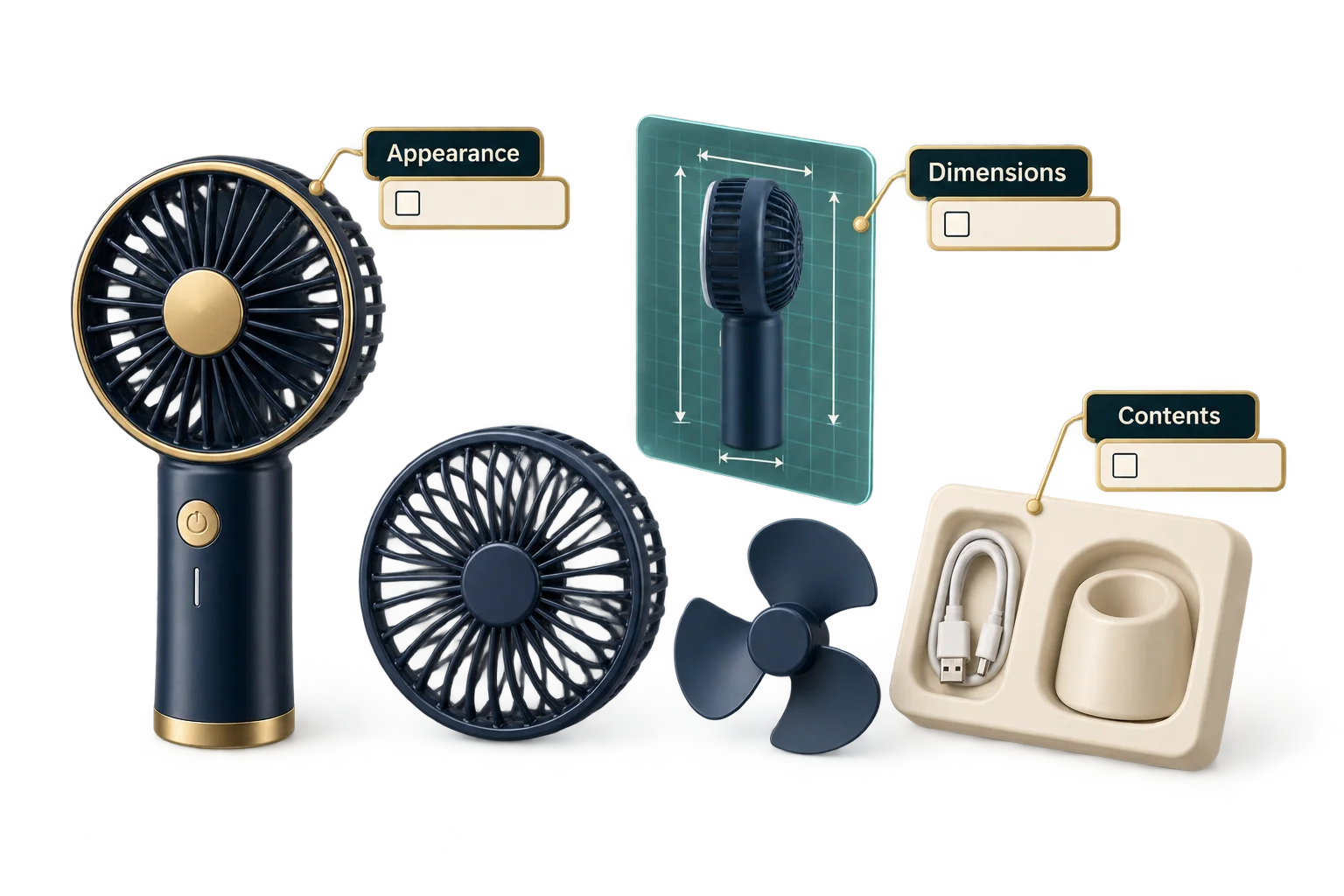
Check the agreed dimensions, identifiable materials, construction, model, tolerances, accessories and accessible functions against one dated reference. Separate observable results from composition or performance claims requiring laboratory tests. List unapproved alternatives and missing product, packaging or destination requirements before the visit.
02
Quantity, models and order distribution
Compare available quantities, SKU and model distribution, carton counts and packing-list information with the purchase order. The brief states whether the count is sampled or complete, so a sample check is never presented as a count of every unit.
03
Quality, workmanship and damage
Record visible broken parts, scratches, contamination, assembly issues and missing accessories. Use the agreed defect categories and method. Any functional result must name the sample and what was actually checked, with conflicting findings and uncompleted checks left visible.
04
Packaging, labels and shipping marks
Compare protective materials, carton condition, label content, barcodes, artwork, model references and shipping marks with the approved files. A visual label check does not certify legal compliance; destination-market requirements remain the buyer's responsibility.
05
Detailed photographs and videos
Request close-ups, product or carton identification, measurement views and demonstrations of visible problems. Link each image to the requirement, model or batch, method, finding and next decision. Preserve the original evidence when the supplier later proposes a correction; photographs cannot establish the condition of uninspected units or inaccessible areas.
06
Live video factory inspection
Join an on-site inspection through a scheduled live call, ask questions, request close-up views and observe agreed measurements or functional checks. Factory permission, advance scheduling and a reliable connection are required. A live call supplements the agreed inspection and does not prove every unit is defect-free.
Choose the evidence route
Compare inspection methods
These routes can be combined, but they answer different questions. The quotation confirms the provider, scope, sample, timing, report format and any third-party cost before work starts.
Inspection routes and their boundaries
Route
Best for
Buyer can see
Boundary
Coordinated on-site inspection
Pre-shipment product quality, quantity, packaging and visible condition.
Agreed sample checks, measurements, photos, videos and findings.
It is a sample or defined scope, not proof that every unit meets every requirement.
Live video participation
Remote questions and real-time views during an agreed on-site check.
Products, close-ups, measurements or functional demonstrations requested during the call.
Depends on factory permission, connection quality and the agreed inspection scope.
Independent third-party inspection
Buyers who request a provider independent from the supplier.
Provider identity, expertise, scope and reporting requirements agreed before appointment.
Independence must be checked for the selected provider; fees and travel are quoted separately.
Third-party laboratory testing
Specialist product tests, materials or standards that an on-site check cannot establish.
Sample identification, test method, laboratory report and stated limitations.
LifaSourcing.com coordinates an independent lab; it does not own an accredited laboratory or issue legal approvals.
Service in practice
Agree the checks and the decision rules in advance
The inspection brief tells the provider what to check, which reference applies and how the buyer will review the result.
Many buyers wait until the supplier says the order is finished, then rush to arrange inspection. By that stage, packing may already be underway and correction options may be limited.
LifaSourcing.com helps connect order follow-up, quality control notes, inspection timing, packaging requirements, and shipping preparation so the buyer has a clearer view before approving shipment.
Confirm inspection timing while production and packing are still manageable.
Make approved samples, product specs, and defect concerns visible to the inspection process.
Review report findings before shipment approval instead of after goods leave China.
Buyer preparation
What buyers should prepare
Inspection coordination becomes more useful when the buyer prepares practical order information instead of only asking for a general check.
12
Product and sample details
Provide the model, specification revision, sample photos, materials, dimensions, tolerances, color, function and defect concerns. Identify the order or batch, method, defect definitions and person authorized to decide on an exception.
13
Order and supplier details
Prepare supplier contact, factory address, production status, purchase order details, quantity, packing progress, and expected completion date.
14
Packaging and labeling
Share current carton marks, retail and inner packing files, barcodes, manuals, warnings and quantity expectations. Include the product’s function, material, model, intended user, electrical or radio features, origin, destination and claims where these affect a requirement. Keep the approved rule source and effective date with the packing checklist.
15
Decision timeline
Confirm the requested check date, shipment deadline, report need and flexibility for correction or reinspection. Name who decides on a hold, further check or release when findings conflict with the requirement.
Resolve the missing part of the brief before confirming the visit.
Verification decision brief
Resolve the brief before confirming the visit
A workable booking needs a defined product, exact location, accessible goods and an agreed scope. Resolve missing information before asking the provider to travel.
01
Define the product and checks
Provide the current specification, sample reference, quantities, packing files and defect concerns. State the methods, evidence and any specialist work required.
02
Confirm the site and access
Name the factory address, responsible contact and permitted inspection areas. Check provider availability, equipment and any request for independent inspection or live participation.
03
Confirm readiness and timing
Confirm production and packing status, accessible sample quantity, the inspection date and report needs. If the goods or access change, revise the scope and timing before the visit.
LIFA communicates with the factory and selected provider about the agreed scope, timing and access. After the check, we organize the findings, limitations and follow-up questions for the buyer’s decision. Attendance and live participation depend on the agreed arrangement.
Inspection points drawn from the buyer’s specification, not a generic list.
Factory access and timing arranged directly with production staff.
Report findings explained with photos, quantities, and next-step options.
Step-by-step process
From inspection brief to the shipment decision
A clear sequence helps buyers avoid rushed inspection requests and late shipment surprises.
01
Inspection brief review
Review the purchase order, product specification, sample, packing rules and quality concerns. Identify missing information, check methods, tolerances, defect classes, evidence format and decision authority before confirming the request.
02
Readiness confirmation
The supplier confirms production status, packing progress, carton quantity, exact inspection address, contact person and target date. If goods are not ready, the date and scope are revisited before booking.
03
Scope and timing setup
Inspection type, sample notes, AQL expectations, packaging checks, photo requirements and any live video or independent-provider request are written into the quotation and supplier brief.
04
Inspection and report review
Review the completed report against the agreed brief. Keep measurements, defects, quantities, labels, carton checks, photos and videos tied to the inspected sample. Mark incomplete tests and limits, then record any correction or recheck needed.
05
Shipment decision support
The buyer chooses whether to approve shipment, request supplier correction, arrange reinspection or hold the release. Any new scope, fee or schedule is confirmed before follow-up work begins.
Records and decisions
Every finding is tied to a scope, a sample and a next action
An inspection report should state the agreed scope, date and location, sampling information, check results, relevant measurements, identified defects, photographs and limitations. It should also identify checks that could not be completed and distinguish inspected results from untested characteristics.
After review, LifaSourcing.com can communicate documented discrepancies to the supplier, track the response and coordinate a further check when requested. Reinspection scope and any additional fee are confirmed first. Supplier cooperation, successful correction and a defect-free shipment are never guaranteed.
Deliverable
Inspection report
Keep the scope, date, location, sample basis, measurements, defects and limitations together. Identify checks not completed and the buyer’s decision on the findings. Later corrections should be linked to the original report.
Evidence
Photo and video set
Label close-ups, carton or product references, measurement views and issue demonstrations so the buyer can match each image to the model, batch, requirement and finding. State what the image cannot establish.
Follow-up
Correction record
Supplier response, agreed correction, open question, owner and buyer decision before payment or shipment moves.
Optional
Laboratory report
Independent test result with sample identity, method, capability or accreditation scope where required, cost and turnaround.
Track findings through the release decision
Use the blank CSV to keep the requirement, original finding, supplier response, recheck and buyer decision in one record.
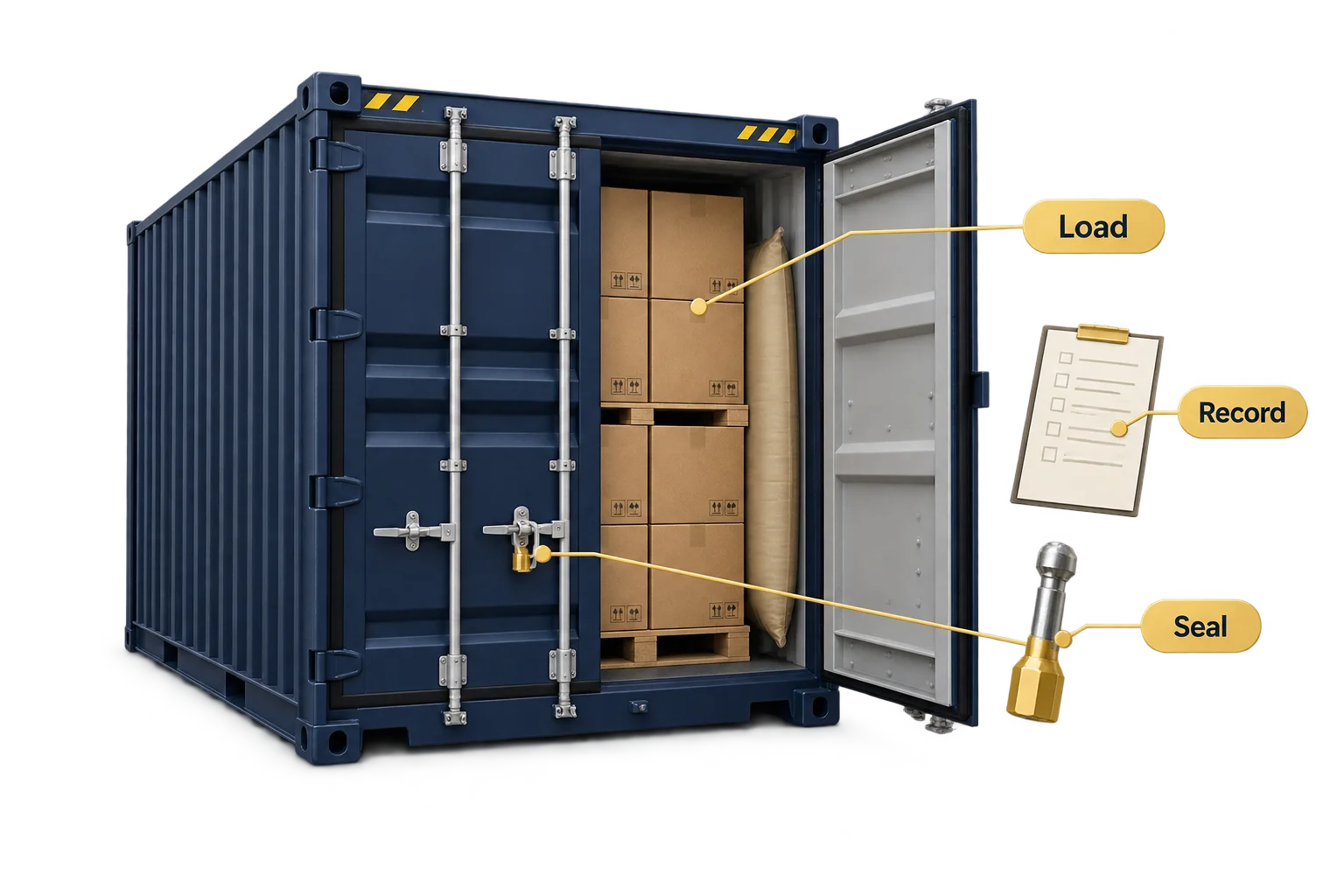
A sampled result describes the agreed sample and method.Record the agreed loading checks separately from product inspection.
Inspection release record
Use the findings within the scope that produced them
Match the findings to the purchase order, current specification, sample reference, defect definitions and packing requirements. Record the available quantity, inspected sample, completed checks, photographs and limits. Identify what needs correction, reinspection, a payment decision or a release decision.
01Inspection scope
Set the questions before bookingList the product, model, quantity, production stage, sampling basis, measurements, functions, workmanship points, packaging checks, and evidence the inspector must capture.
02Finding reference
Tie each result to a requirementUse photos, measurements, counts, and document references so the buyer can see what passed, what failed, and which specification supports the finding.
03Correction record
Track exceptions to closureAssign each accepted deviation, supplier correction, replacement quantity, rework deadline, and reinspection need to an owner and approval status.
04Shipment decision
Separate reporting from approvalKeep the inspection result, supplier response, payment position, shipment timing, and final buyer release in the same decision record.
Review the original finding before accepting a correction or release.
Verification decision brief
Keep a finding open until the follow-up is reviewed
A supplier’s correction message does not replace the inspection finding. Keep both records together so the next decision has a clear basis.
01
Review the original evidence
Match the report, photographs, measurements and defect category to the inspected model or batch and the applicable specification.
02
Agree the supplier response
Record the proposed correction, owner, date and evidence needed. Confirm whether a new sample, photographs or reinspection can answer the original concern, with any additional scope and cost agreed first.
03
Decide on the next step
Record the buyer’s decision to accept, request further work or hold release. Carry remaining conditions into packing, documents, payment and shipment instructions.
Confirm location, timing, price and responsibilities before booking
LifaSourcing.com is based in Hangzhou, Zhejiang. Inspection availability, travel requirements and access are confirmed from the factory's exact address. An itemized proposal can include the inspection scope, deliverables, exclusions, payment arrangements, scheduling, cancellation, rescheduling and reinspection terms.
Pricing factors
What shapes the quotation
Factory location and travel, product complexity, SKU count, sample size, duration, equipment, reporting and optional laboratory work affect the fee. Compare proposals on the same scope, quantity, reference and destination boundary. Record currency, validity, exclusions and any product, tooling, packing or freight costs discussed alongside the inspection. Separate estimates from confirmed amounts and obtain written approval before a price or payment commitment.
Scheduling
What must be ready
The factory must confirm production status, accessible goods, contact person and a workable date. Lead time depends on scope, location, supplier permission, provider availability and document quality, so no booking or report deadline is guaranteed on this page.
Buyer responsibility
What the service does not replace
You choose acceptance criteria and remain responsible for payment, product compliance, customs, import decisions and final release. Company details, transaction eligibility and an available payment route must be confirmed for the engagement. Keep product quantity, delivery terms and destination boundaries consistent when comparing related quotations; an excluded item can move cost or risk to a later step.
Need an itemized proposal?Send the factory address, product brief, target date and requested evidence through the inspection request form.Prepare an inspection request
Buyer decision notes
Agree costs and approval points before booking
Confirm who can approve the scope, changes, follow-up costs and final shipment decision.
Buyer approval
Which decisions require written buyer approval?
The Inspection Coordination record should show written buyer approval for the final specification, selected supplier, sample or golden sample, quotation and exclusions, tooling, contract, payment milestone, material change, inspection disposition, shipping mode, and cargo release. Operational coordination can prepare each decision, but it should not replace the buyer's commercial, compliance, or payment authority.
Commercial check
What determines the fee, third-party cost and expected timing?
The Inspection Coordination fee and timing depend on the written scope, product and supplier complexity, number of options or inspections, locations, document quality, and required handoffs. Testing, travel, samples, tooling, freight, duty, tax, and other third-party charges remain separate unless a quotation includes them. The written quotation takes precedence over general page guidance.
Practical answer
How should I review conflicting evidence?
Keep the exact product, destination and order stage with the conflicting records. Compare each source with the approved requirement, identify what remains unanswered and assign the next check. Use a qualified specialist where the decision requires testing, customs, legal, tax or regulatory judgment.
Related support
Services often connected with inspection coordination
Inspection is stronger when it connects with the sourcing, production, quality-control, and shipping workflow.
Clear answers for buyers who want inspection support before shipment approval.
Yes. LifaSourcing.com can coordinate a pre-shipment inspection in China against your purchase order, specifications, approved samples and acceptance criteria. We confirm the factory's exact location, readiness, access and scope before booking.
Send the product category and intended use, quantity, models or SKUs, supplier and factory contact, exact address, ready and shipment dates, specifications, drawings, tolerances, approved samples, purchase order or proforma invoice, packing list, packaging and label files, and your acceptance or sampling criteria.
The agreed scope can cover product specifications, accessible technical or functional checks, quantity and SKU distribution, workmanship, visible damage, missing parts, packaging, labels, barcodes, artwork references and shipping marks. The report distinguishes sampled checks from complete counts and notes anything that could not be tested.
Yes, when requested. The selected provider, relevant expertise, independence from the supplier, inspection scope, reporting requirements and fees are agreed before appointment. A coordinated inspection is not described as independent unless that relationship has been checked.
The quotation depends on factory location and travel, product complexity, SKU count, sample size, inspection duration, equipment requirements, reporting and any optional laboratory work. The written proposal identifies third-party, travel and other separate charges.
We review the finding against your approved criteria, document the discrepancy and communicate it to the supplier. You decide whether to accept, request correction, arrange reinspection or hold shipment. Any additional scope or fee is confirmed first, and supplier cooperation or a defect-free result is not guaranteed.
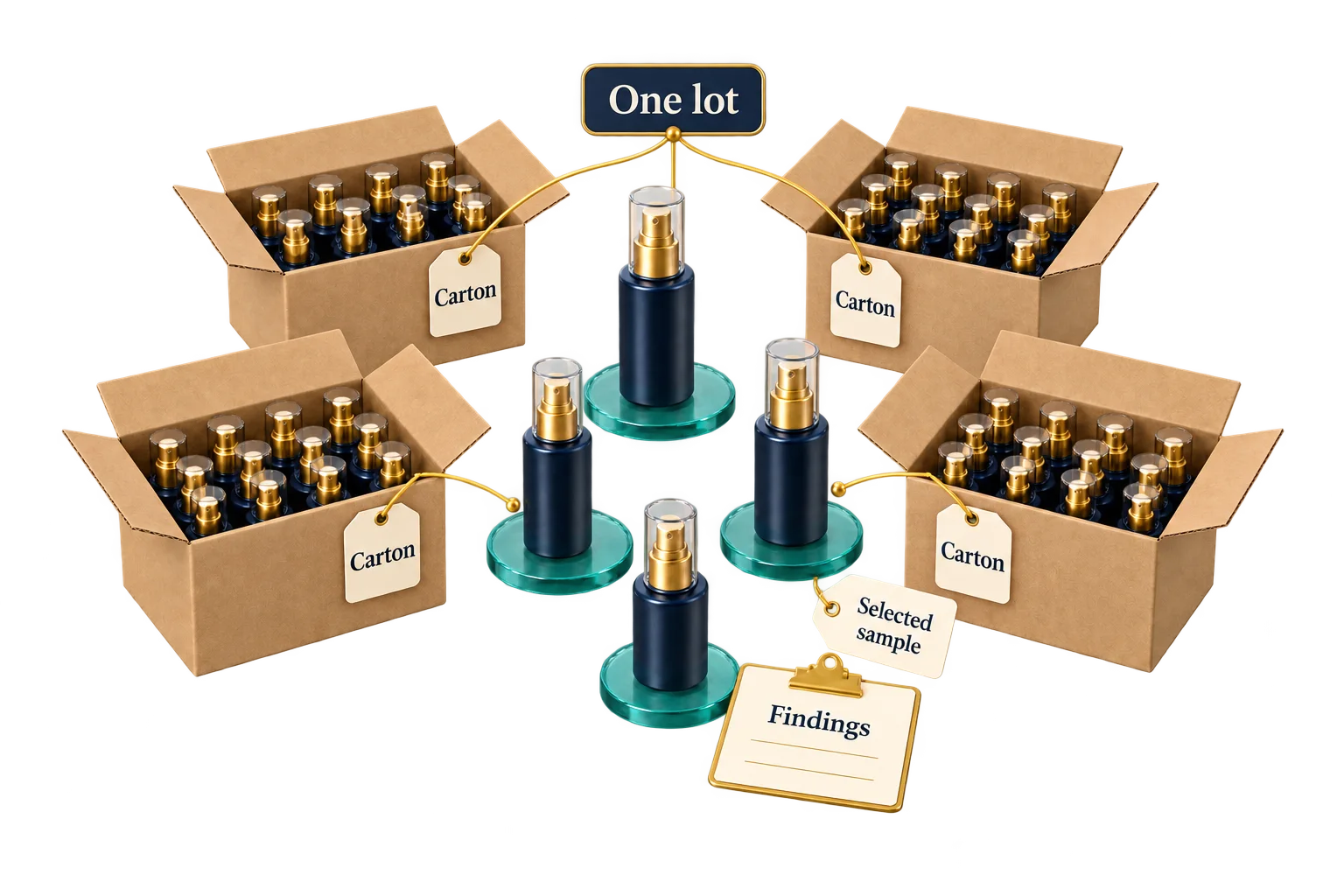
No. Acceptance sampling uses findings from a selected sample to make a decision about the lot under an agreed plan. It does not check every unit or establish the exact quality of the full lot. Review the sample basis, methods, defect findings and limitations before making the release decision.
No. A loading check can document agreed carton, loading, handling, packing-reference and seal points at the shipment handoff. A product inspection checks specified product characteristics under its own scope and sample plan. Agree both scopes if your order needs both kinds of evidence.
Ready to inspect before shipment approval?
Arrange the inspection your order needs
Send the factory address, product reference, quantity, production status and target date. LIFA will help clarify the scope, readiness and evidence needed for your next decision.
01
SendProduct specification, approved sample notes, order status, defect concerns, and target date.
02
OrganizeEvidence requests, inspection scope, supplier corrections, documents, and open exceptions.
03
ApproveAcceptance criteria, correction result, payment or production step, and shipment release.