Evidence to collect
Photos, measurements, documents, and exceptions tied to the approved specification.

We organize supplier briefs around your sales channel, product specifications and fulfillment needs. Check samples, labels and packaging before ordering stock.
Explore Ecommerce Sourcing: scope, inputs, steps, deliverables, approvals, timing, risks and next steps with LifaSourcing.com.
The work focuses on practical supplier questions, sample notes, packaging details, inspection readiness, and shipping preparation...
This service is built around the practical details buyers need before approving suppliers, samples, production, inspection, or shipment.
For online sellers, China sourcing must connect the product idea with supplier capability, MOQ, sample quality, packaging, labeling...
For online sellers, China sourcing must connect the product idea with supplier capability, MOQ, sample quality, packaging, labeling, inspection timing, fulfillment requirements, and shipping cost. A product that looks profitable on screen can become difficult if carton size, defect rate, labeling, or prep rules are ignored.
LifaSourcing.com organizes these China-side steps so sellers can compare options before committing. Buyers remain responsible for market research, platform compliance, listing content, advertising, payment approval, import decisions, and final supplier choice.
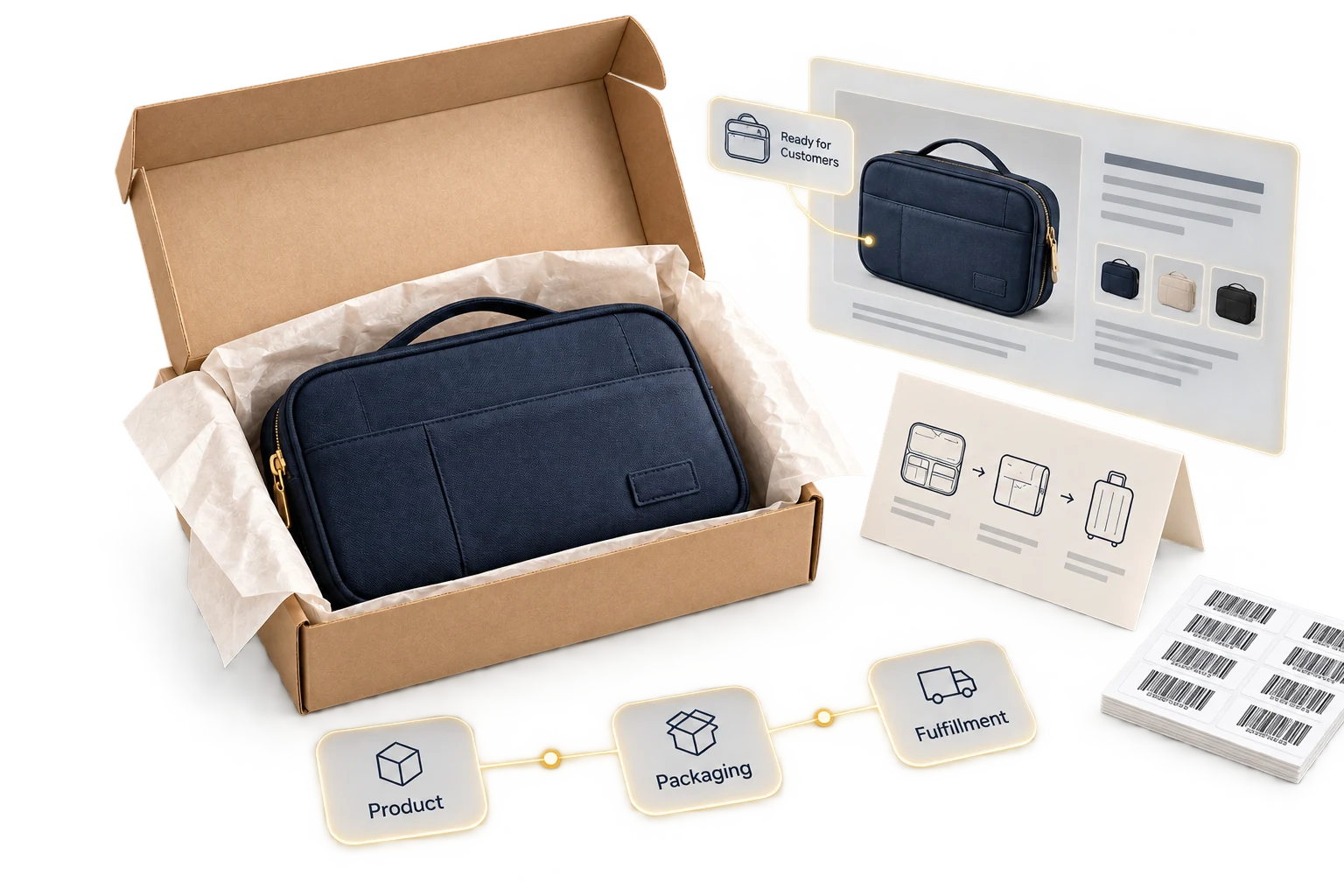
Marketplace sellers often move fast. LifaSourcing.com helps slow down the sourcing details that can affect returns, account problems, fulfillment delays, and landed cost.
Size, weight, fragility, packaging layers, and carton configuration can change shipping cost and customer experience. These details should be compared before the first order. Evaluate the product looks good but ships badly on one commercial basis: specification, quantity, currency, Incoterm, validity period, MOQ, tooling, packaging, payment terms, lead time, and exclusions. Keep confirmed amounts separate from estimates and require written buyer approval before accepting a price or payment commitment.
Discuss This 06Barcode placement, carton marks, polybag warnings, set packaging, inserts, and FBA or 3PL handoff notes need supplier-side coordination before goods leave China.
Discuss This 07Many sellers need a controlled test order, but suppliers may quote bulk MOQ, generic packaging, or lead times that do not fit a marketplace launch plan. Before deciding on MOQ and packaging do not fit testing, normalize every offer to the same product, quantity, delivery term, packaging, inspection basis, and destination boundary. Flag unpriced items and conditional terms, because a lower quotation can shift cost, quality, inventory, timing, or risk elsewhere in the order.
Read the GuideThe work focuses on practical supplier questions, sample notes, packaging details, inspection readiness, and shipping preparation instead of vague product hunting.
Organize supplier options around product specification, MOQ, materials, customization, sample availability, lead time, and destination-market needs.
Discuss This 09Compare sample costs, small-batch feasibility, production timing, payment terms, and the difference between prototype samples and bulk production. Evaluate sample and MOQ comparison on one commercial basis: specification, quantity, currency, Incoterm, validity period, MOQ, tooling, packaging, payment terms, lead time, and exclusions. Keep confirmed amounts separate from estimates and require written buyer approval before accepting a price or payment commitment.
Read the Guide 10Help suppliers understand barcode notes, carton marks, inserts, private label packaging, set packaging, and fulfillment preparation details.
View Service 11Coordinate inspection timing, packaging checks, quantity notes, carton condition, and shipping preparation before goods move to a warehouse or freight handoff.
View Service
Product claims, materials, warning labels, instructions, packaging strength, carton labels, and quantity checks can all affect returns and marketplace operations. LifaSourcing.com helps buyers organize these supplier-side details before shipment, while the seller keeps responsibility for platform rules, compliance review, listing content, and final approval.
Claims such as waterproof, organic, certified, child-safe, or medical-grade should not be used unless the buyer has suitable proof and compliance review.
Damaged packaging, weak cartons, wrong labels, or missing inserts can create fulfillment and customer-service problems even when the product is correct.
MOQ, unit price, package size, volumetric weight, prep fees, storage fees, and freight method should be reviewed together.
This service is built around the practical details buyers need before approving suppliers, samples, production, inspection, or shipment.

Amazon, TikTok Shop, and Shopify sellers each face different sizing, labeling, and packaging expectations — LifaSourcing.com builds the supplier brief around the specific marketplace so what arrives is actually sellable on day one.
Poly bagging, suffocation warnings, FNSKU labels, and carton configuration are confirmed against the seller's fulfillment method before the factory packs a single unit.
Shipment splits, carton labeling, and freight booking are lined up with the destination fulfillment center's inbound rules so pallets aren't rejected on arrival. The controlled record for warehouse handoff coordination distinguishes coordination work from approval authority. Record the source information, action taken, exception, deadline, and buyer disposition, then preserve earlier versions so the decision trail shows what changed rather than only the latest status.

Within Source products with marketplace details organized, connect the approved requirement to the quality evidence found in China and keep that reference with the buyer's decision record.
Photos, measurements, documents, and exceptions tied to the approved specification.
Accept, correct, or escalate each finding before payment or shipment moves forward.
Carry the approved result into production, inspection, packing, and release instructions.

E-commerce margins depend on details that happen in China: product weight, packaging size, defect rates, and restock lead times. LifaSourcing.com checks these factors at the source so sellers can price and plan with real numbers.
Each step gives sellers clearer information before they approve samples, packaging, production, inspection, or shipment.
Review the product idea, marketplace, target customer, target quantity, packaging expectations, destination, and compliance questions.
Coordinate supplier questions around specifications, MOQ, customization, lead time, sample costs, and quote details so answers can be compared.
Organize sample notes, packaging materials, label requirements, inserts, carton marks, and any FBA or 3PL preparation notes.
Prepare inspection points around product function, appearance, quantity, packaging, carton condition, labeling, and shipment readiness.
Coordinate freight communication, carton data, warehouse handoff notes, and shipment preparation before goods leave the supplier side.
Clear input helps suppliers quote accurately and helps LifaSourcing.com separate usable answers from generic replies.
Photos, reference links, materials, size, color, function, target quality level, must-have features, and details that cannot change. Connect product criteria to the exact model, specification revision, approved sample, lot or batch, test method, defect class, result, corrective action, and release owner. Keep exceptions open until the buyer reviews evidence from a recheck or accepts the stated limitation in writing.
Discuss This 13Target platform, destination country, category rules you already know, barcode needs, listing claims, and any platform restrictions to review.
Discuss This 14Private label needs, inserts, sets, carton marks, FBA or 3PL prep notes, retail packaging, and whether goods ship direct or through a warehouse. Before packaging and fulfillment is approved, reconcile the packing list, commercial documents, carton marks, cargo dimensions, value, Incoterm place, route, insurance, and delivery contact. Record what each logistics quote excludes so a low freight line is not mistaken for the full delivered cost.
View Service 15Target unit cost, test-order quantity, expected launch date, sample deadline, destination port or warehouse, and preferred shipping method if known. The comparison for budget and timeline shows more than unit price. Align quantity breaks, material or specification changes, sample and tooling costs, packaging, quality controls, freight responsibility, payment milestones, timing, and validity so the buyer can see which trade-off creates the apparent saving.
Ask AI Trade Desk
Within Source products with marketplace details organized, review cargo facts, route assumptions, documents and handover responsibilities together before approving the freight plan.
Record dimensions, weight, value, ready date, supplier locations, and destination requirements.
Compare time, cost, consolidation, customs, insurance, and delivery responsibility.
Confirm documents, booking data, carton marks, contacts, and release approval before movement.
For e-commerce orders, the sourcing file should connect product samples, packaging, labeling, inspection, and fulfillment preparation instead of treating them as separate last-minute tasks.

Product requirements, MOQ, customization, packaging, and sample questions are organized before comparing supplier answers.

Carton labels, packaging condition, shipment notes, and warehouse handoff details are prepared before freight movement. Before fulfillment preparation is approved, reconcile the packing list, commercial documents, carton marks, cargo dimensions, value, Incoterm place, route, insurance, and delivery contact. Record what each logistics quote excludes so a low freight line is not mistaken for the full delivered cost.
Settle these practical questions before applying Ecommerce Sourcing to a live supplier, order, quality, compliance, or shipment decision.
The Ecommerce Sourcing record should show written buyer approval for the final specification, selected supplier, sample or golden sample, quotation and exclusions, tooling, contract, payment milestone, material change, inspection disposition, shipping mode, and cargo release. Operational coordination can prepare each decision, but it should not replace the buyer's commercial, compliance, or payment authority.
Within Source products with marketplace details organized, record the approved requirement, comparable supplier or route inputs, supporting documents, exceptions, corrective actions and the buyer's dated approval. Keep model, batch, quotation, sample, inspection, payment and shipment references together so the next reviewer can see what changed and why.
These connected pages help sellers move from product idea to supplier review, packaging, quality checks, and shipment preparation.
Coordinate supplier options, product customization, and private label requirements for brand-led products.
View Service 17Prepare supplier-side packaging, labels, inserts, carton marks, and fulfillment notes before production moves forward.
View Service 18Organize product, packaging, quantity, and readiness checks before online orders reach customers.
View Service 19Prepare freight communication, carton details, documents, and handoff steps before goods leave China.
View ServiceOnline margins are decided by landed cost and return rate, not by the quoted unit price.
Categories that suit online selling, and the risks that come with each.
Read the guide 21Validate a product before you build listings and buy inventory.
Read the guide 22Test selling price against unit cost, fees, and shipping before you order.
Open the tool 23Get the true delivered cost per unit, including freight and duty.
Open the toolClear answers before sampling can prevent problems later in production, fulfillment, and customer delivery.
E-commerce sourcing can include product option review, supplier communication, quotation and MOQ comparison, sample coordination, packaging and labeling notes, quality control planning, inspection coordination, fulfillment preparation, and shipping coordination before the goods move to an Amazon FBA warehouse, a 3PL, or the buyer's destination.
Yes. LifaSourcing.com supports online sellers by organizing China-side sourcing questions, supplier communication, sample and packaging details, inspection timing, and shipping preparation. Platform listing decisions, advertising, account compliance, payment, and import decisions remain the seller's responsibility.
No. LifaSourcing.com helps organize sourcing, supplier communication, quality checks, packaging notes, and shipping preparation, but buyers remain responsible for market validation, product selection, listing strategy, ads, platform compliance, payment, and import decisions.
Prepare product photos or links, target marketplace, expected quantity, target price if available, packaging and labeling needs, barcode or FBA/3PL notes, destination country, compliance questions, supplier links if you have them, and your ideal timeline.
LifaSourcing.com can help coordinate supplier-side packaging, carton marks, label notes, sample checks, and shipping handoff details toward FBA or third-party fulfillment requirements. The seller should confirm final platform rules and destination requirements before shipment.
Use the request quote page or contact Simon by WhatsApp at +86 173 7653 5037 or email simon@lifasourcing.com. Send the product idea, marketplace, target quantity, packaging notes, destination country, and any supplier links or sample photos you already have.
Share your Amazon, Shopify, TikTok Shop, or marketplace product idea with target quantity, sample needs, packaging or label notes, FBA or 3PL requirements, destination country, supplier links if available, and budget range.