Identify the claim
Name the company, product reference, factory role or transaction detail being checked. Attach relevant documents, photographs, measurements or supplier replies to that question.

We check company records and review supplier claims against your requirements. Use the findings to decide what needs further verification before paying a deposit.
Explore Supplier Verification: scope, inputs, steps, deliverables, approvals, timing, risks and next steps with LifaSourcing.com.
Supplier verification support helps buyers organize the information needed before trusting a new supplier: business details...
Each stage is designed to turn scattered supplier claims into a clearer buyer decision file.
This service is built around the practical details buyers need before approving suppliers, samples, production, inspection, or shipment.
LIFA reviews a Chinese supplier’s business details, available documents and transaction records before you commit. We compare the company identity, quotation, factory claims and payment details, then organize the supporting sources and unanswered questions for your decision.
The review shows what the available evidence supports and where a deeper check is needed. It does not establish future product quality, delivery, regulatory approval or payment outcome. You retain supplier selection, payment approval, product-compliance and import decisions.
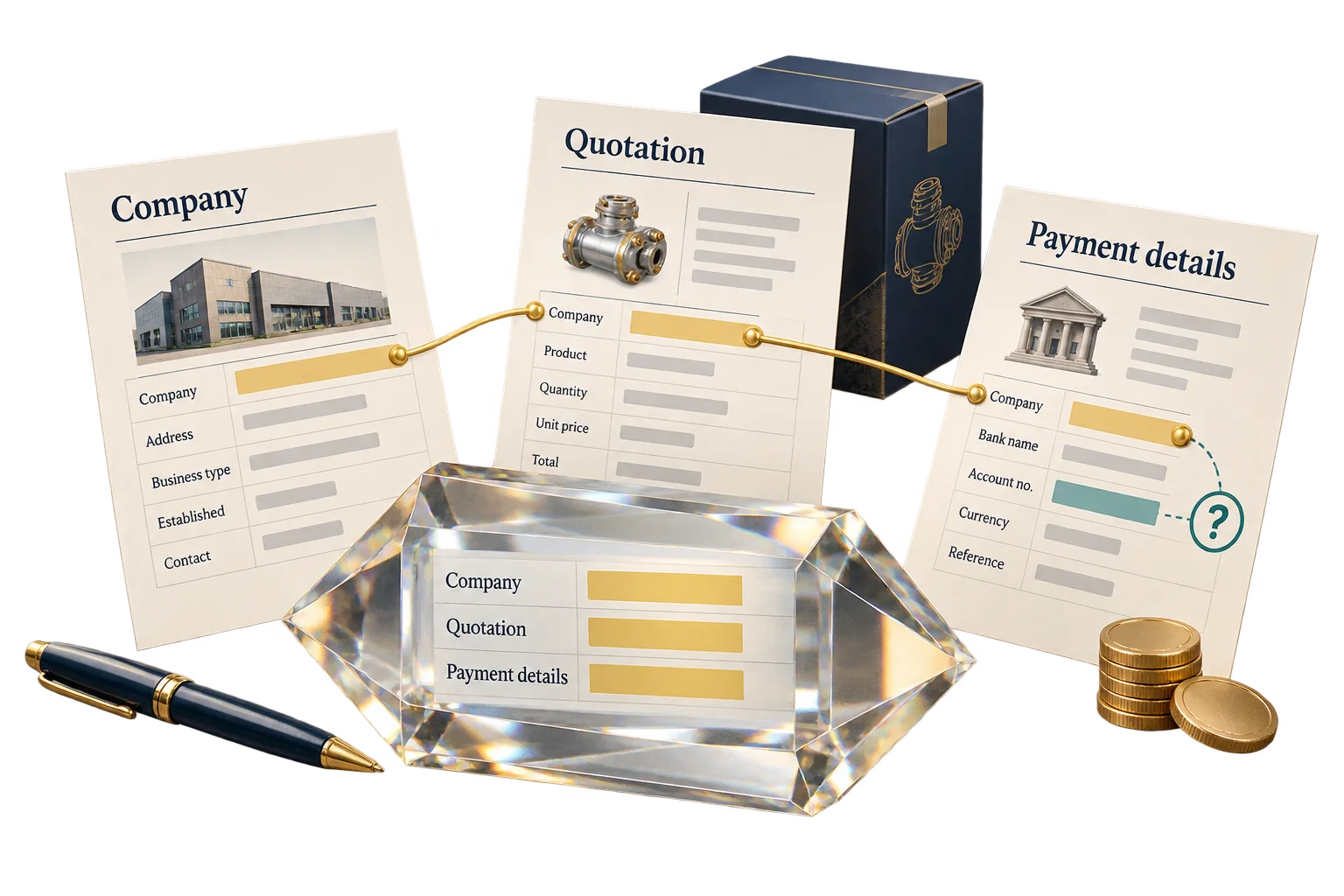
Use supplier verification when a potential supplier looks suitable but its identity, documents or proposed transaction still need clarification.
Company names, platform names, business licenses, beneficiary details, payment accounts, and factory claims may not always align clearly.
Discuss This06A supplier may claim factory capability, but buyers need to understand what evidence supports that claim before samples, deposits, or production.
Discuss This07Certificates, licenses, addresses, photos, sample records, invoice details, and export documents need practical review against the product and destination market.
Discuss ThisWe organize supplier information, request missing details, compare records and prepare a findings summary. The written scope identifies which checks are included and which need a separate specialist or site review.
Compare supplier names, addresses, platform links, contact details and quotation records. Record beneficiary information where available and identify mismatches that need an explanation.
Discuss This09Request documents relevant to the product, order, destination market, packaging and your concerns. Record the document source and which claim it is intended to support.
Discuss This10Compare factory-role statements, product capability, MOQ, lead time, payment terms, invoice details and supplier replies. Distinguish a consistent supplier statement from independently supported evidence.
Discuss This11Receive a summary of supported findings, unresolved questions, source limitations and next-step options. You decide whether to continue, check more deeply, clarify written terms or choose another supplier.
Read MoreA marketplace name, business license, invoice and payment instruction may describe different entities. Establish which company is quoting, supplying and receiving payment, and record any explanation for a difference.
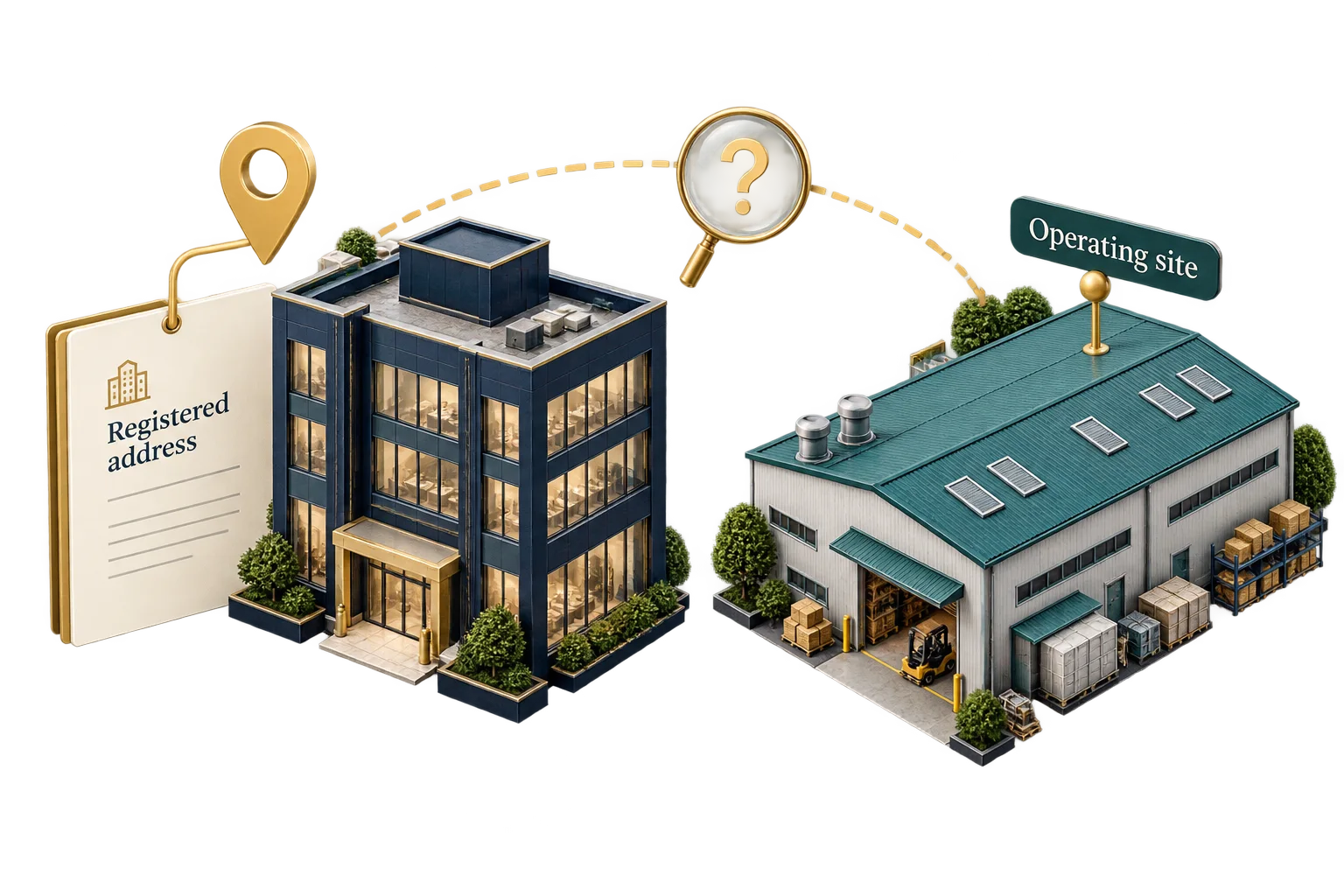
Review the registered company name, registration code and address against accessible official records where the agreed scope allows. Keep the source and review date with the supplier’s documents. A registration entry alone does not establish manufacturing capability.
Compare available business-registration information, address records and relevant export documents with the supplier’s claims. Unavailable records and unanswered questions remain visible in the findings.
Record the evidence behind claimed equipment, capacity and factory roles. Where a document review cannot answer the question, propose a scoped factory review before the buyer makes the next commitment.
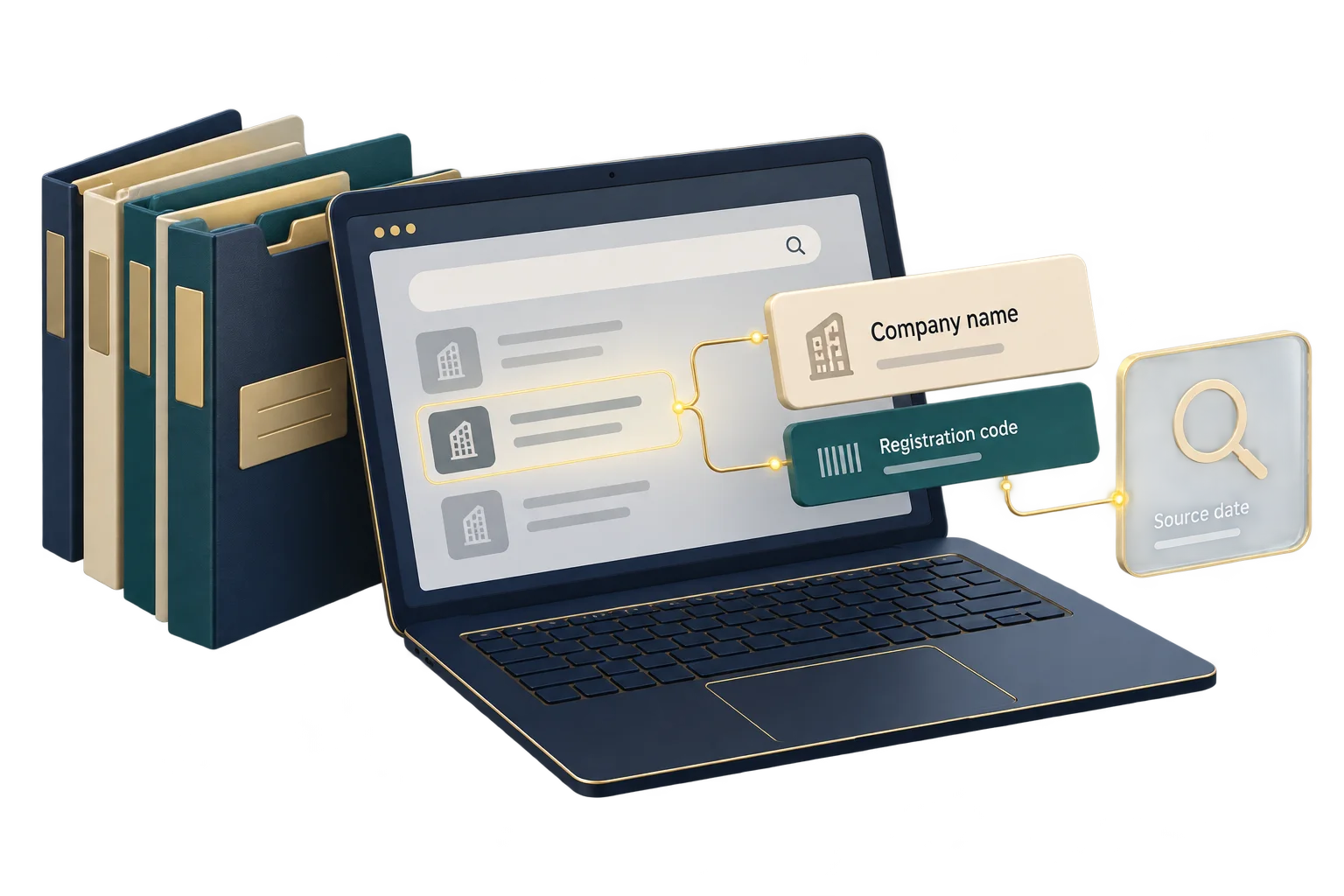
China-side follow-up helps connect supplier answers with available registration information, documents and operating-location claims. LIFA records the source and date of each check and explains what could not be confirmed, so you can see the basis of the review.
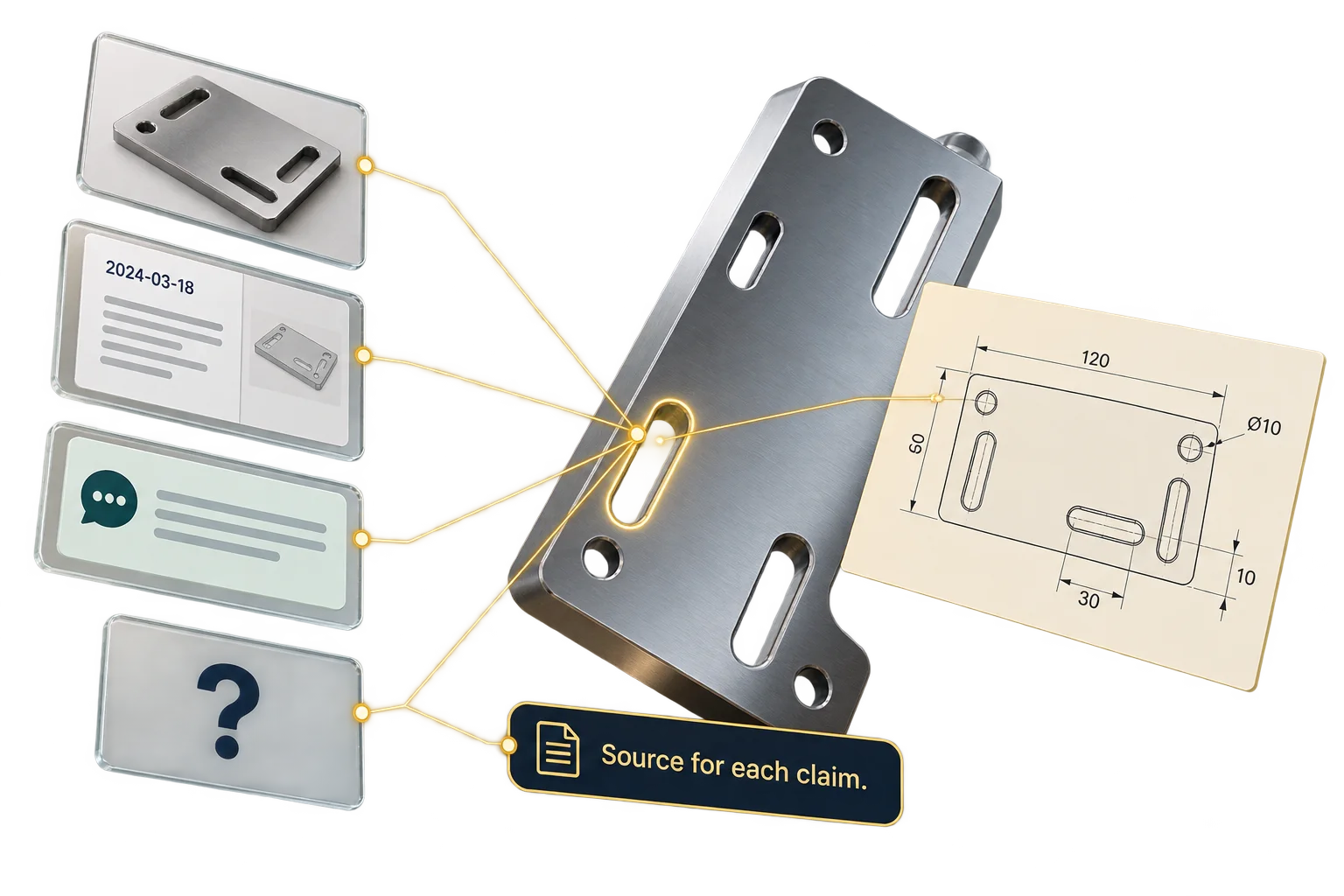
A document is useful when it answers a specific question about the supplier or order. Keep the claim, supporting record and review outcome together.
Name the company, product reference, factory role or transaction detail being checked. Attach relevant documents, photographs, measurements or supplier replies to that question.
Record who issued the information, when it was obtained and what it covers. Note missing pages, conflicting names, product mismatches or details that could not be independently checked.
Decide whether the finding is supported, needs correction or requires escalation. Carry the buyer’s decision and any open exception into later production, inspection, packing and release instructions.
A useful verification check starts with the supplier information and the exact concern the buyer wants to clarify. When the file is incomplete, LifaSourcing.com can help organize what is available and identify missing details before supplier follow-up.
Supplier name, website or platform link, contact person, business license if available, quotation, beneficiary or payment details if provided, and any previous message history.
Product photos, specifications, quantity, target market, packaging needs, sample status, certification questions, shipping destination, and expected production timeline.
Certificates, test reports, company documents, factory photos, videos, sample records, inspection reports, invoice drafts, export documents, or old quotations.
Explain whether you are worried about identity, factory capability, document authenticity, payment risk, quality, delivery timing, compliance documents, or shipment preparation.
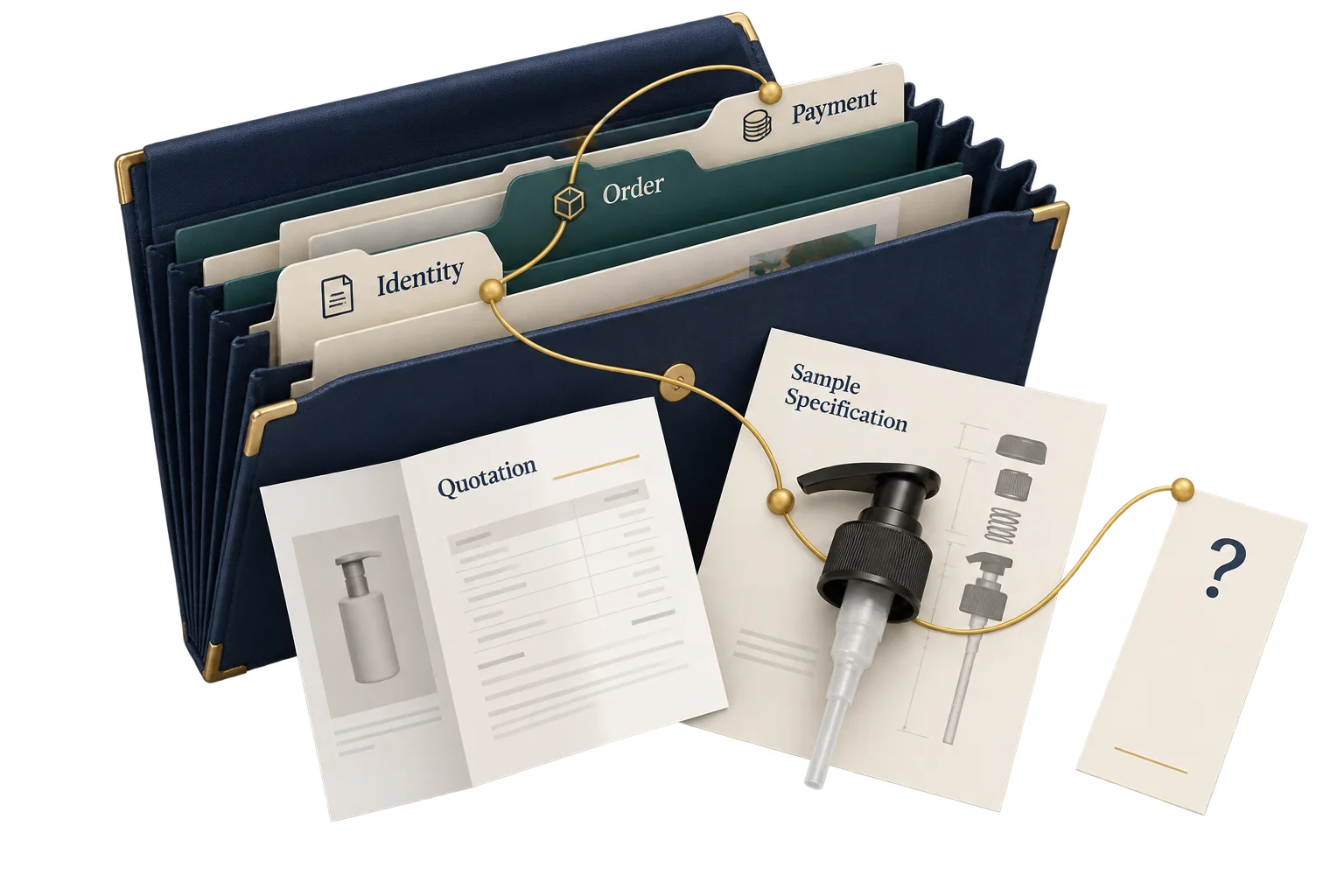
A complete starting file reduces repeated questions. Keep original documents and supplier messages alongside the product and transaction they relate to.
Group company details, product specifications, samples, quotations, invoices and proposed payment information. Use the same product and supplier references so a later reviewer can follow the connection.
List missing documents, unclear beneficiary details, inconsistent names, certificate questions and unsupported factory claims. Give each follow-up a question, owner and expected response.
Keep the original record, later clarification and dated buyer decision together. Carry the accepted requirement and remaining conditions into samples, purchase terms, production, inspection and shipping.
Each stage is designed to turn scattered supplier claims into a clearer buyer decision file.
LifaSourcing.com reviews the supplier link, product details, quotation, destination market, order size, documents received, payment questions, and the buyer's main concerns.
Supplier questions are organized around business details, product fit, factory claims, certificates, beneficiary details where possible, documents, and communication clarity.
Supplier-provided documents, payment terms, invoice details, certificate claims, and factory claims are reviewed for consistency, obvious gaps, and follow-up questions.
The buyer receives organized notes showing what looks clear, what remains uncertain, what should be confirmed in writing, and what may need deeper checking.
The review can move into factory verification, quotation comparison, sample coordination, written purchase terms, inspection planning, shipping preparation, or supplier replacement.
Connect supplier identity, available documents, unresolved questions and the next buyer decision in one verification record.
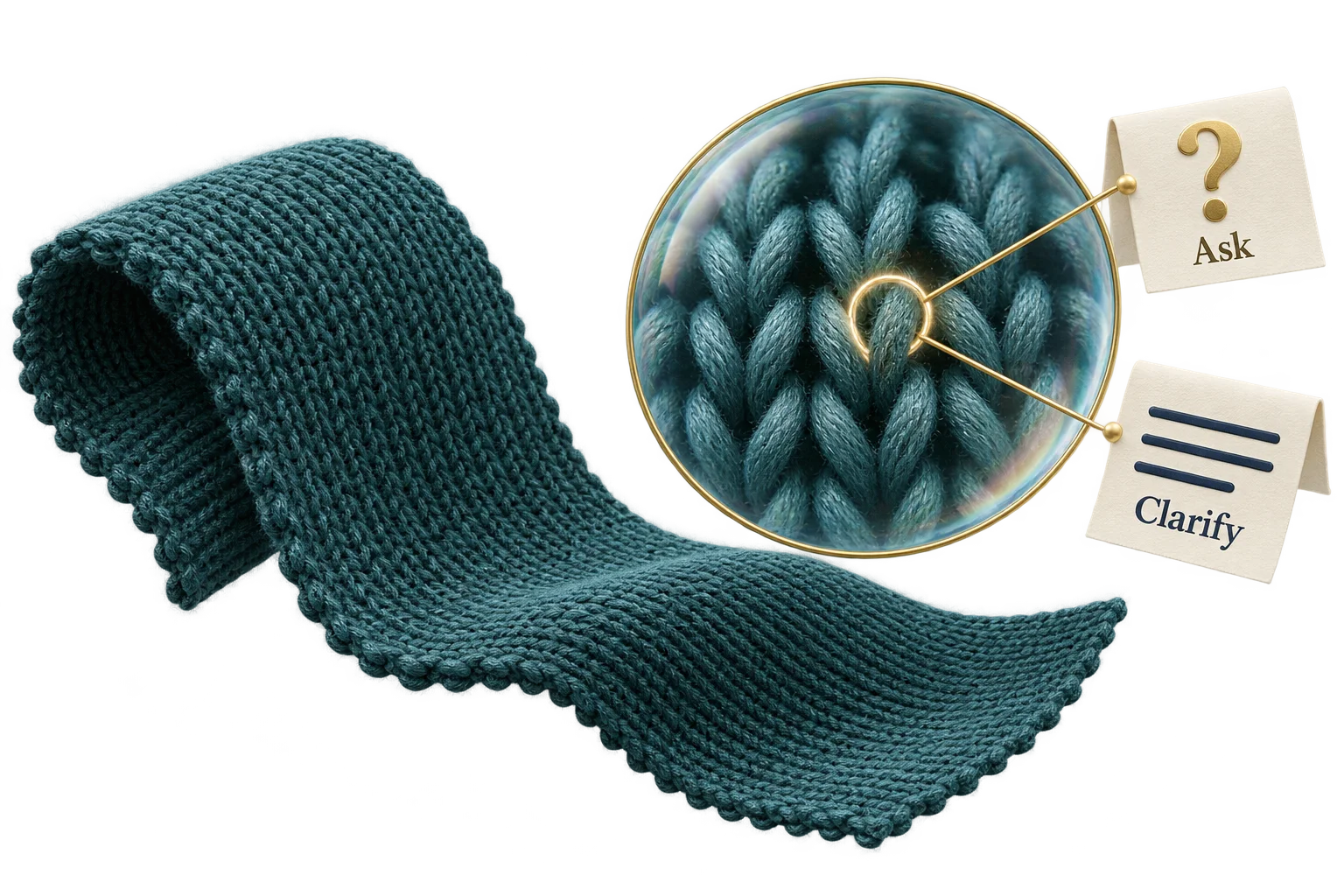
Clear questions make supplier answers, payment terms, certificate claims, and unanswered issues easier to compare and follow up.
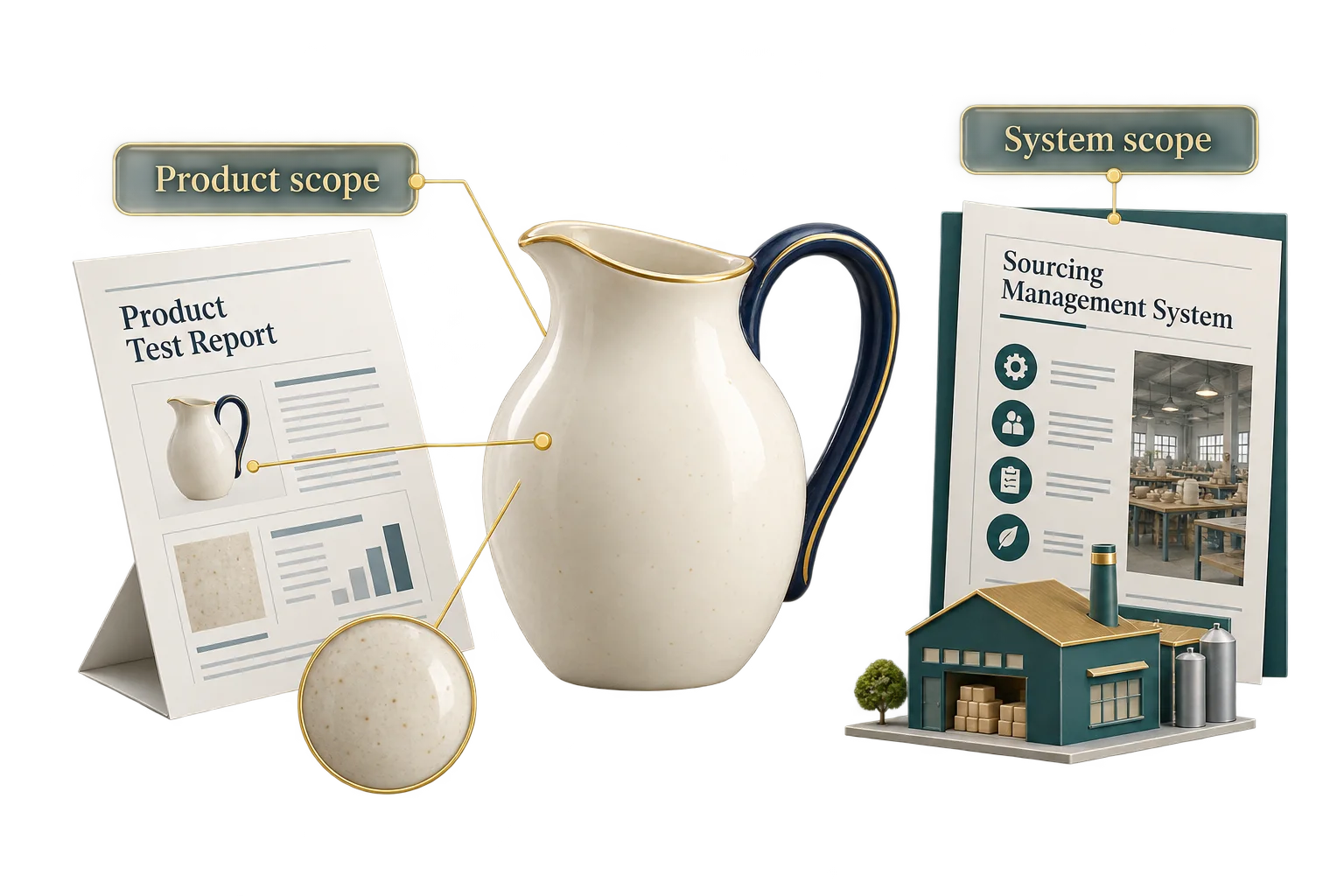
Match each document to the company, product, site and claim it covers. A management-system certificate and a product test report answer different questions; verify relevant scope and issuing-source details.
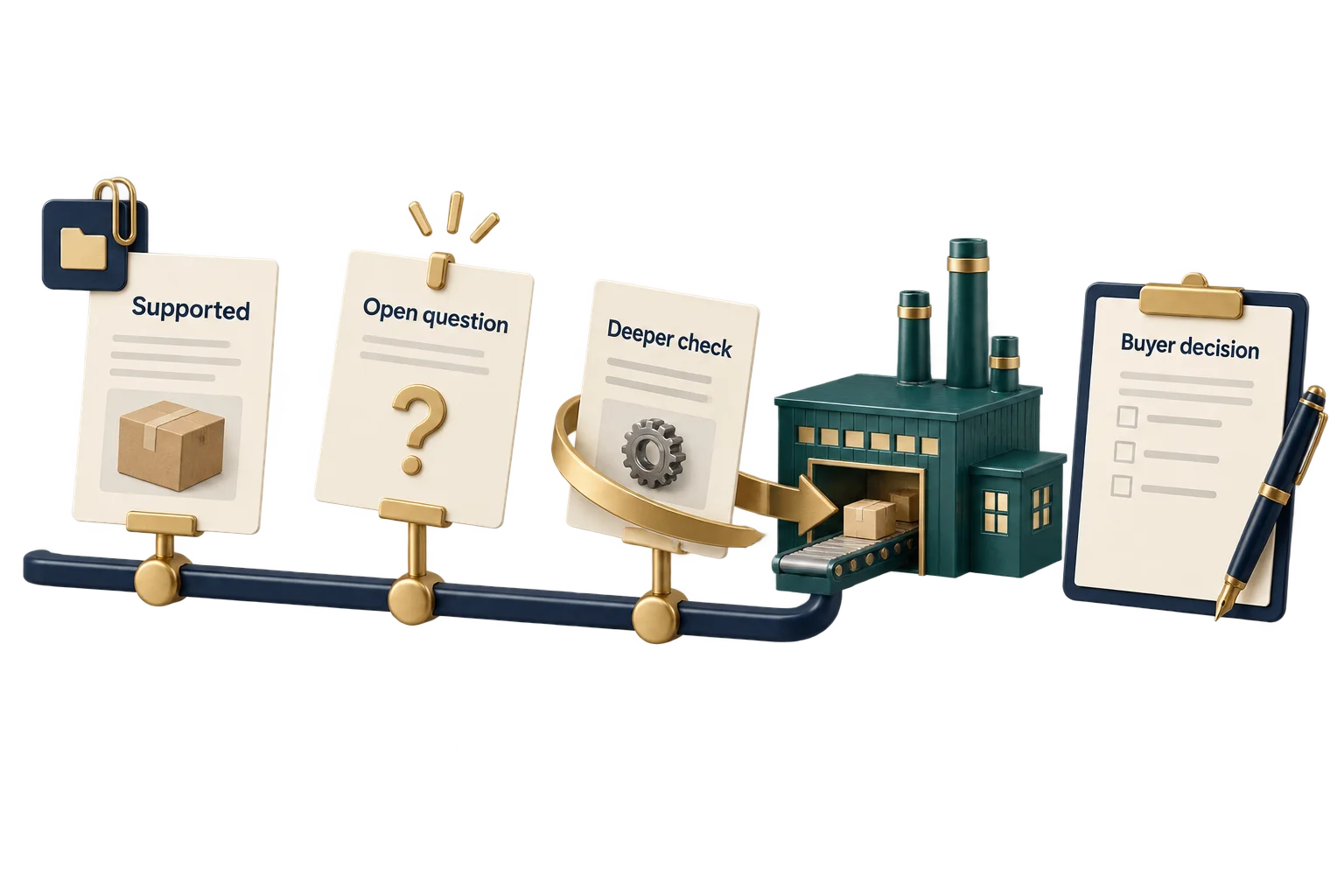
Record what is supported, what remains open and who will follow up. You can continue, verify more deeply, request samples, clarify purchase terms, plan inspection or shipping, or change suppliers. Preserve the evidence, owner, due date and buyer decision before the next handoff.
Verification is useful because supplier risk often appears in small details, not only in obvious warning signs.
Match the company, product reference, issuer, scope and date on each relevant document to your order. A record covering another model, site or market may not answer your question.
Discuss This17A company may be registered without owning or operating the claimed production site. Factory verification can investigate the location, process and equipment within its agreed scope.
Discuss This18Compare the proposed beneficiary, payment account, company name, invoice and written milestone terms. An unexplained change needs a documented follow-up and fresh buyer authorization before a payment decision.
Read the GuideThe written scope makes the review’s deliverables, fees, separate costs and approval points clear. Findings should be useful even when a supplier cannot answer every question.
When LIFA finds your supplier, sourcing costs are included in the quoted product price with no separate 5% commission. When you bring your own supplier, our standard coordination commission is 5% of the approved order value unless agreed otherwise in writing. Additional services and third-party costs are confirmed in the written quote.
View Fees13LifaSourcing.com does not accept hidden factory commissions, undisclosed kickbacks, rebates, referral incentives, or supplier payments that could influence recommendations or verification notes.
Read More14LifaSourcing.com organizes risk signals and next-step options, while the buyer approves supplier selection, specifications, quotation acceptance, payment authorization, compliance decisions, and final purchasing.
View Service15After buyer approval, promising suppliers can move into written purchase terms, invoice-documented supplier payments, sample coordination, inspection planning, and shipping preparation.
Discuss ThisVerification reduces uncertainty; it does not guarantee future performance. LifaSourcing.com can organize identity records, supplier documents, facility evidence, communication checks, and open questions so the buyer can see the basis and limits of the review.
Official links are starting points, not a complete product-specific compliance opinion. Rules and public records can change. Confirm the current requirements for the product, transaction, and destination market before ordering.
Verification should leave you with a usable evidence record and a clear view of its limits.
Provide the supplier identity and links, product and quantity, destination, quotation, proposed transaction terms, available documents and the concern you want checked. If the order has reached production, add the purchase order, specification revision, sample reference, batch status and inspection requirements. Testing, defect classification and shipment release need their own agreed scope.
The artwork on this page illustrates the method; it is not a reviewed customer case. Ask LIFA for a relevant, shareable record showing the original concern, sources checked, open questions, scope limitations and buyer decision. Confidential information may limit what can be shared. A qualified specialist is needed where the decision requires legal, customs, testing, tax or regulatory judgment.
Supplier verification often sits between supplier search and deeper order preparation.
Coordinate deeper checks when supplier factory claims need a closer physical or operational review.
Learn more20Compare price, MOQ, lead time, materials, packaging, and payment terms after supplier options are clearer.
Learn more21Organize sample requests and buyer feedback after the supplier review looks acceptable.
Learn more22Plan inspection and quality control coordination before mass production or shipment.
Learn more23Compare freight options, packing needs, consolidation possibilities, shipping documents, and handoff details after supplier approval.
Learn moreSupplier verification is especially useful when the buyer is preparing a new supplier relationship, a higher-risk order, or a recurring procurement program.
Review supplier details before deposits, repeat orders, private label work, destination-market compliance steps, or shipment planning.
Explore route25Check business and factory claims before machinery, components, custom parts, technical products, or higher-value equipment orders.
Explore route26Review supplier identity, samples, packaging capability, certificate questions, and document questions before brand-specific production.
Explore routeKnow which signals matter, which documents to ask for, and which red flags end a conversation early.
The checks that separate a registered manufacturer from a convincing website.
Read the guide 28A working checklist to run before samples, deposits, or a first production order.
Read the guide 29Common ways a trading company presents itself as the factory, and how to test the claim.
Read the guide 30Terms worth challenging before signing, and what a workable written agreement includes.
Read the guideClear answers help buyers use verification as a practical risk-reduction step, not as certainty.
We review supplier business details, documents, factory claims, quotes and payment information where available. You receive the findings, unanswered questions and next-step options before deciding whether to proceed.
No. LifaSourcing.com manages the China-side verification work and organizes risk notes, but the buyer keeps final approval over supplier selection, specifications, quotation acceptance, payment authorization, compliance decisions, and final purchasing approval.
No. Supplier verification reduces avoidable risk by organizing available information and highlighting concerns, but it cannot fully verify supplier performance, product quality, delivery, regulatory approval, or payment outcome.
Common documents include business license details, beneficiary information where possible, product certificates when relevant, factory address information, export documents if available, product photos, sample records, quotation details, invoice details, and available test reports. Requirements depend on the product and destination market.
Supplier verification focuses on company information, records, transaction details and claim consistency. Factory verification focuses on the production site, equipment, processes and capacity relevant to your product. The factory review may be remote or on site; agree the method and limits before work begins.
Verify a new supplier before paying for samples, placing a deposit or starting production. Review the supplier again if company details, bank accounts, factory claims or payment terms change.
A business license and matching registration record help identify the company. They do not by themselves establish product quality, factory ownership, available capacity or the proposed payment arrangement. Compare the registration information with the supplier’s quotation and transaction records, then identify which operational or product claims need a separate check.
ISO 9001 concerns a quality-management system. It does not by itself certify your product or replace product-specific testing. Check the certified entity, site, scope, validity and issuing body, and separately review the requirements and evidence for your product and destination market.
Share supplier links, product details, quotation if available, destination country, documents received, beneficiary or payment questions, packaging or shipping needs, and anything that feels unclear.