Record the claim and its source
Record the claimed company identity, product range, factory role, capacity, documents and payment details. Distinguish supplier statements from information checked in a later verification scope.

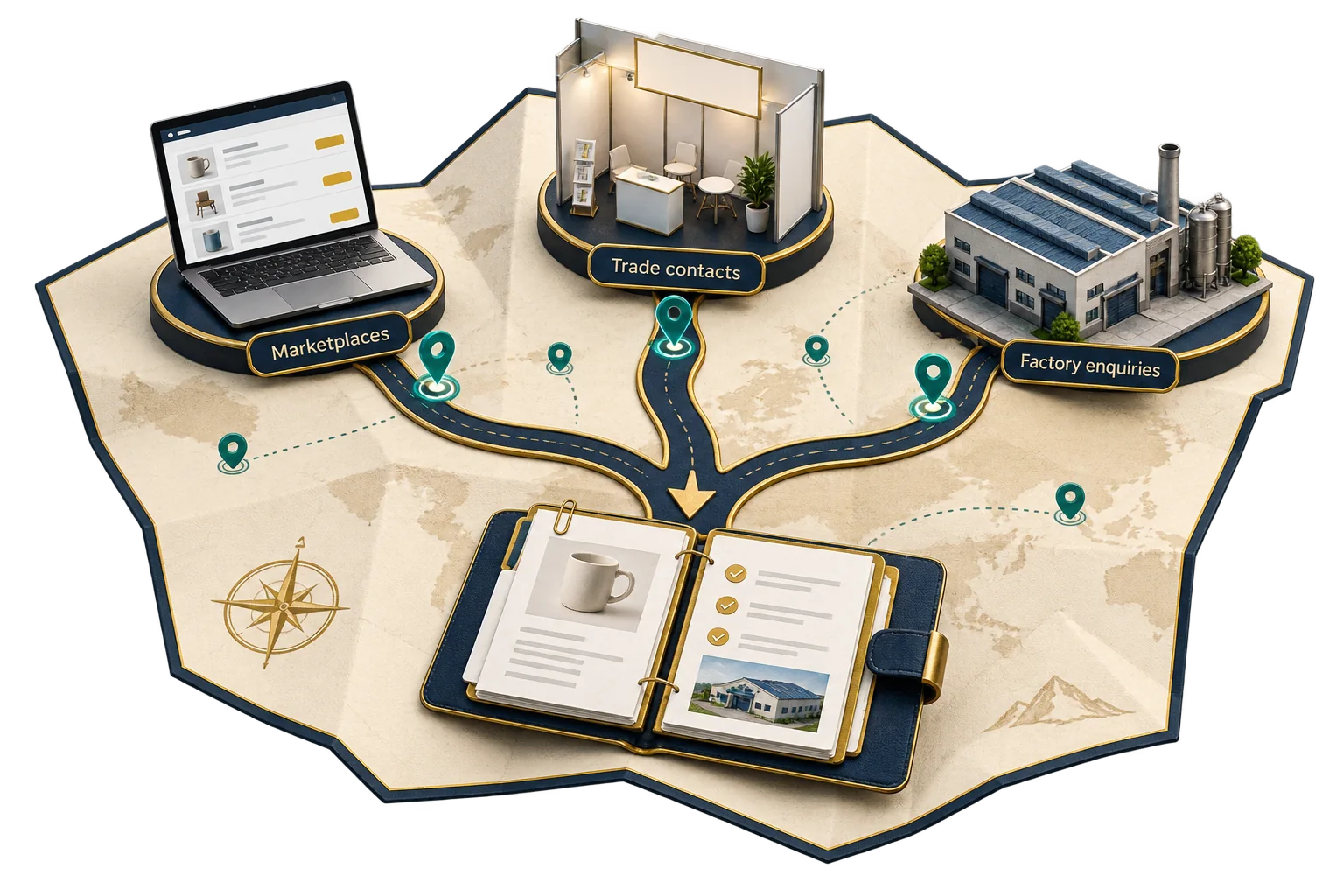
We search marketplaces, trade contacts and factory networks against your requirements. Review a focused shortlist before investing in samples or supplier visits.
Explore Supplier Search: scope, inputs, steps, deliverables, approvals, timing, risks and next steps with LifaSourcing.com.
Supplier search support means LifaSourcing.com manages the early China-side work of finding possible suppliers: reviewing available...
Each stage helps narrow a broad market into a reviewable shortlist with clearer approval points.
This service is built around the practical details buyers need before approving suppliers, samples, production, inspection, or shipment.
LIFA finds Chinese factories and wholesale suppliers that may fit your product, quantity and destination market. We turn your brief into supplier questions, contact suitable candidates and organize their replies into a shortlist you can compare.
The shortlist records product fit, supplier type, minimum order quantity (MOQ), sample options, lead-time assumptions and unanswered questions. Search identifies candidates; it does not verify them. You choose whether to continue with supplier checks, comparable quotations, samples, written purchase terms, inspection planning, payment-document coordination or shipping preparation.
Use supplier search when you have a product to buy and need manageable options before spending on samples or committing to an order.
Marketplace searches can produce hundreds of listings without showing which options fit your product, MOQ, and market needs.
Discuss This06Factories, trading companies, workshops, and wholesalers may all respond differently. The buyer needs to understand the tradeoffs.
Discuss This07If outreach questions are vague, supplier answers become hard to compare and the shortlist becomes unreliable.
Discuss This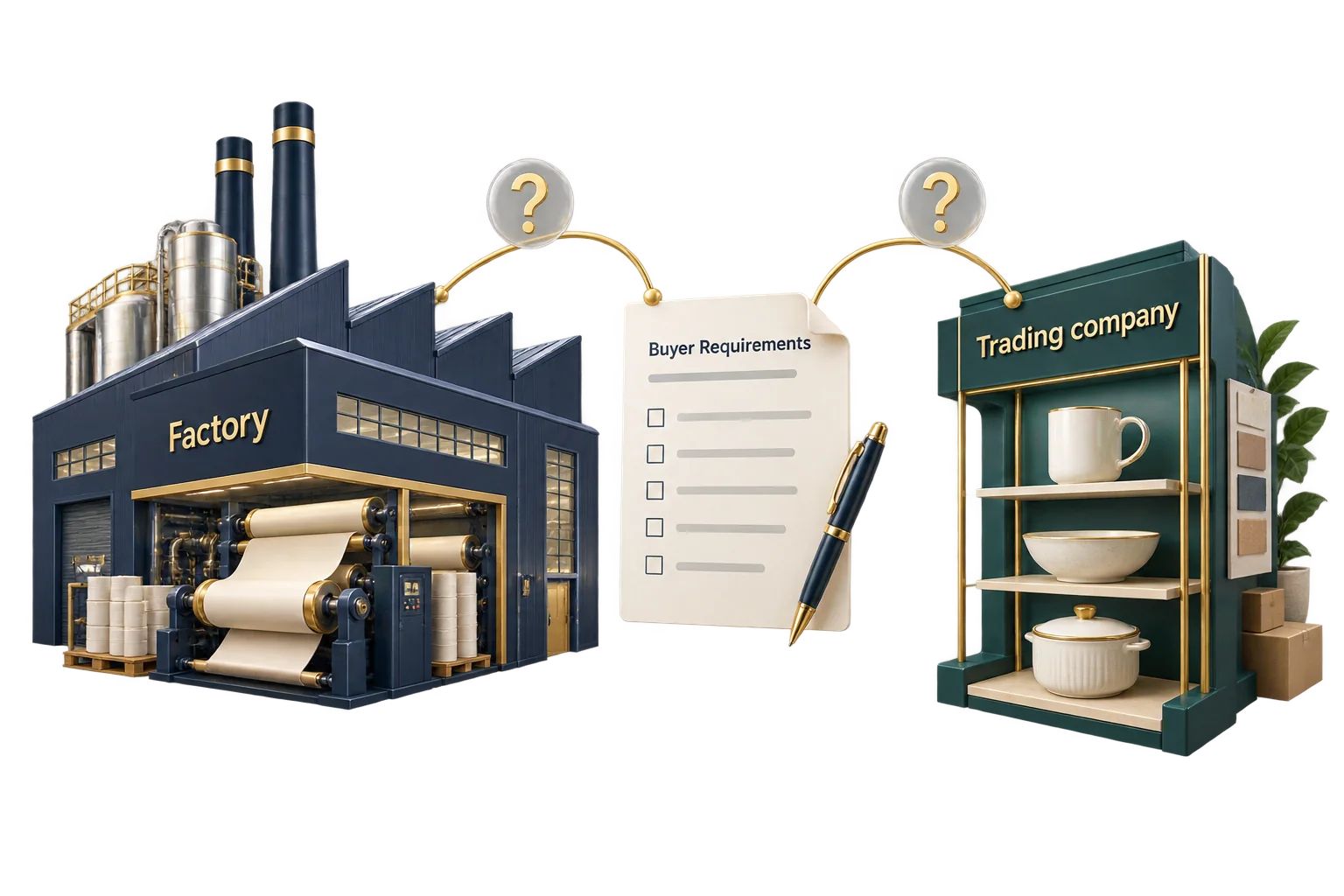
Factories, trading companies, workshops and wholesalers can suit different requirements. China-side follow-up helps clarify the product range, supplier role, order-size fit and export experience. Document reviews and site verification remain separate checks.
LIFA organizes the search brief, chooses relevant channels, follows up with suppliers and records their responses for your review.
Product details, quantity, destination country, budget assumptions, certification questions, packaging needs, and supplier preferences are organized first.
Discuss This09Choose search channels by product category, order size, supplier type and location. Record available document and delivery signals rather than treating a listing as proof. Carry packing, cargo dimensions, value, delivery terms, insurance and delivery contacts into the later shipping brief, where included and excluded logistics charges can be compared.
Discuss This10Supplier questions are prepared to compare capability, MOQ, lead time, product fit, sample options, payment terms, and communication quality.
Discuss This11Initial supplier information is organized so buyers can decide which options deserve verification, samples, quotation comparison, contract discussion, or shipping planning.
Discuss ThisA useful search follows the product category and order size. Marketplace listings, trade contacts and factory enquiries can contribute different candidates to the same review.
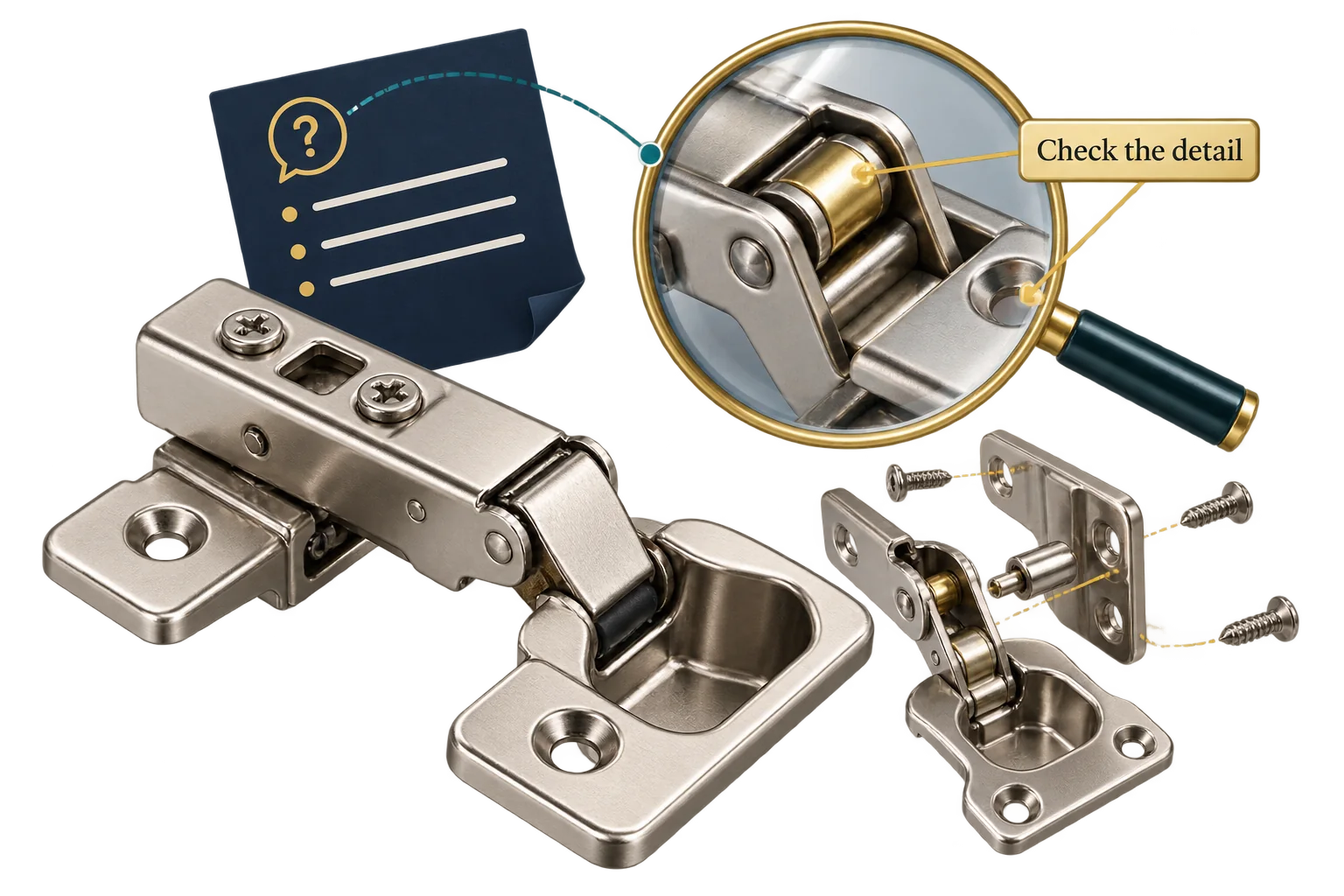
A listing may look right while leaving your exact requirements unanswered. Keep the supplier claim, your question, the reply and any supporting evidence together.
Record the claimed company identity, product range, factory role, capacity, documents and payment details. Distinguish supplier statements from information checked in a later verification scope.
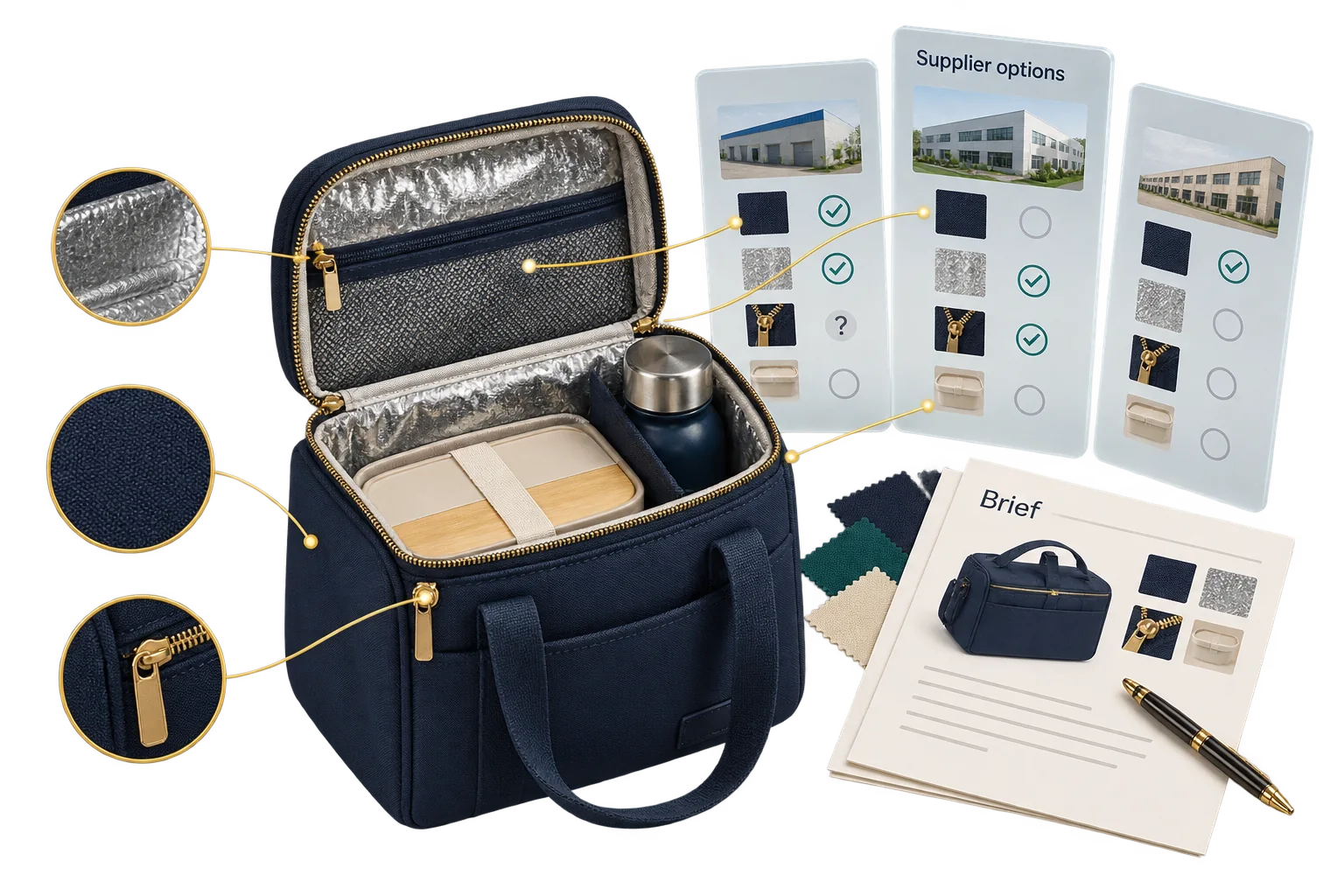
Send the same specification, quantity, quality expectations, timing and packing scope to each candidate. Ask suppliers to identify any deviation rather than assume every reply covers the same product.
Keep unanswered questions and conflicting information beside the comparison. You decide which candidates merit verification, samples or further clarification before choosing a supplier.
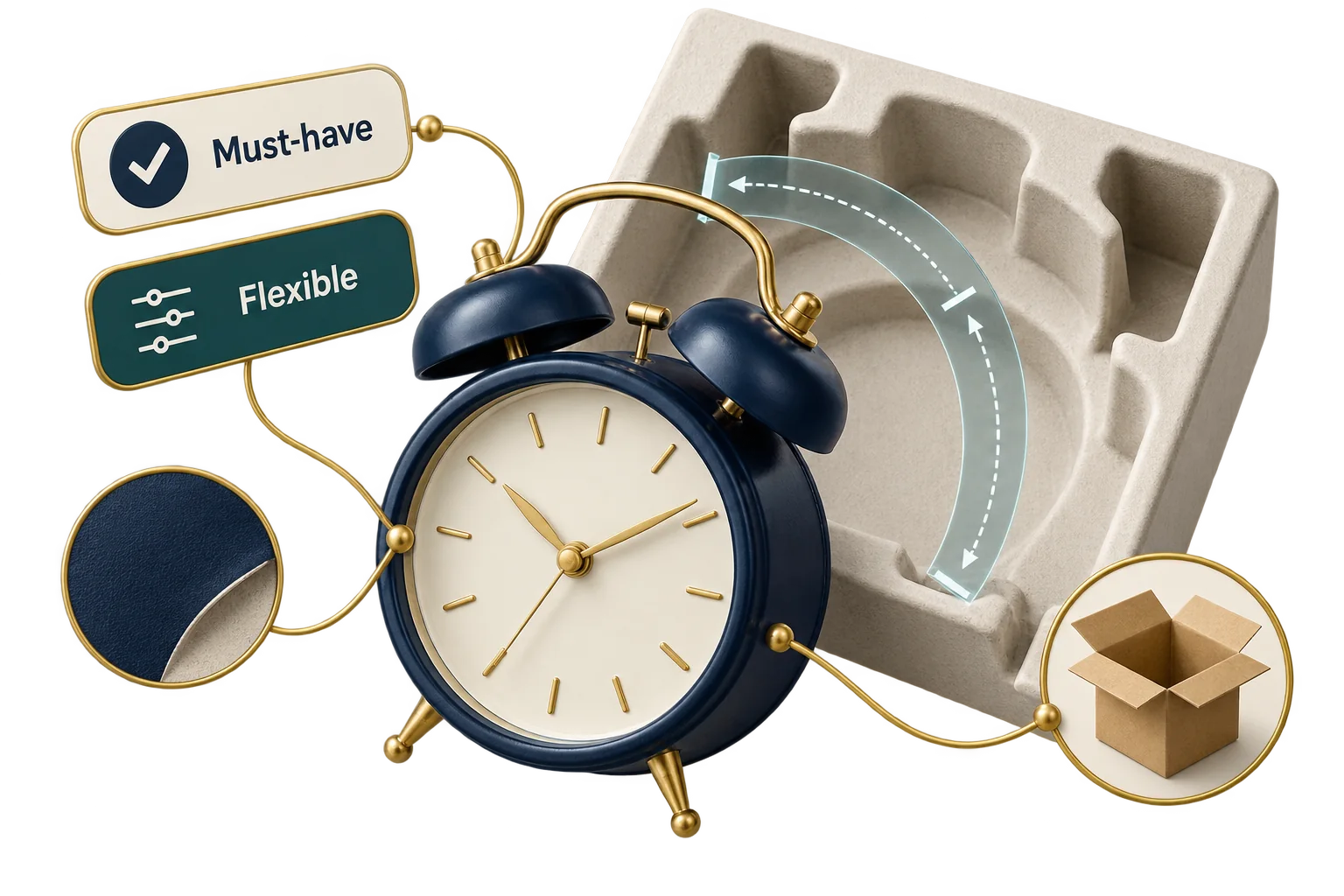
Define what the product must do and where it will be sold. Then show which details can change so suppliers can suggest suitable options without changing the brief silently.
Record intended use, materials, dimensions, quality expectations and destination-market requirements. These define what a suitable product must satisfy.
State quantity, acceptable MOQ, sample budget, timing and packaging needs. Identify flexible choices such as color, an existing model or pack format.
If no candidate meets the brief, identify the constraint and its effect. You can revise a requirement, widen the search or stop before a sample or order commitment.
Supplier search works better when the search brief separates must-have requirements from flexible preferences. When details are still developing, LifaSourcing.com can help organize available information and identify missing points before formal outreach.
Product links, photos, specifications, materials, quantity, target market, and packaging expectations.
Factory or trading company preference, target region if any, export experience, communication language, and order-size expectations.
Target price range, acceptable MOQ, sample budget, timeline, and any non-negotiable requirements.
Supplier links, old quotations, message screenshots, sample feedback, or issues you want the new search to avoid.
Download a blank CSV for supplier replies, MOQ, sample terms, missing evidence and the next action. Use one row per candidate; an empty field means an unanswered question, not an approved supplier.
Each stage helps narrow a broad market into a reviewable shortlist with clearer approval points.
LifaSourcing.com reviews product details, quantity, destination country, target price, packaging, timeline, certification questions, and supplier preferences. If the brief is incomplete, LifaSourcing.com helps organize available details before outreach.
Search routes are selected based on product category, likely supplier type, order size, buyer priorities, risk profile, documentation needs, and delivery expectations.
Questions are sent or organized to test product fit, MOQ, lead time, sample options, payment terms, certificate availability, packaging ability, and response quality.
Supplier options are arranged for buyer review with practical notes, unanswered questions, supplier-type signals, commercial assumptions, and next-step suggestions.
The shortlist can move into verification support, quotation comparison, samples, written purchase terms, inspection planning, payment-document coordination, or shipping preparation.
Keep the original question, the comparison and the next action together.

Clear questions make early supplier replies, payment terms, documentation claims, and delivery assumptions easier to compare.
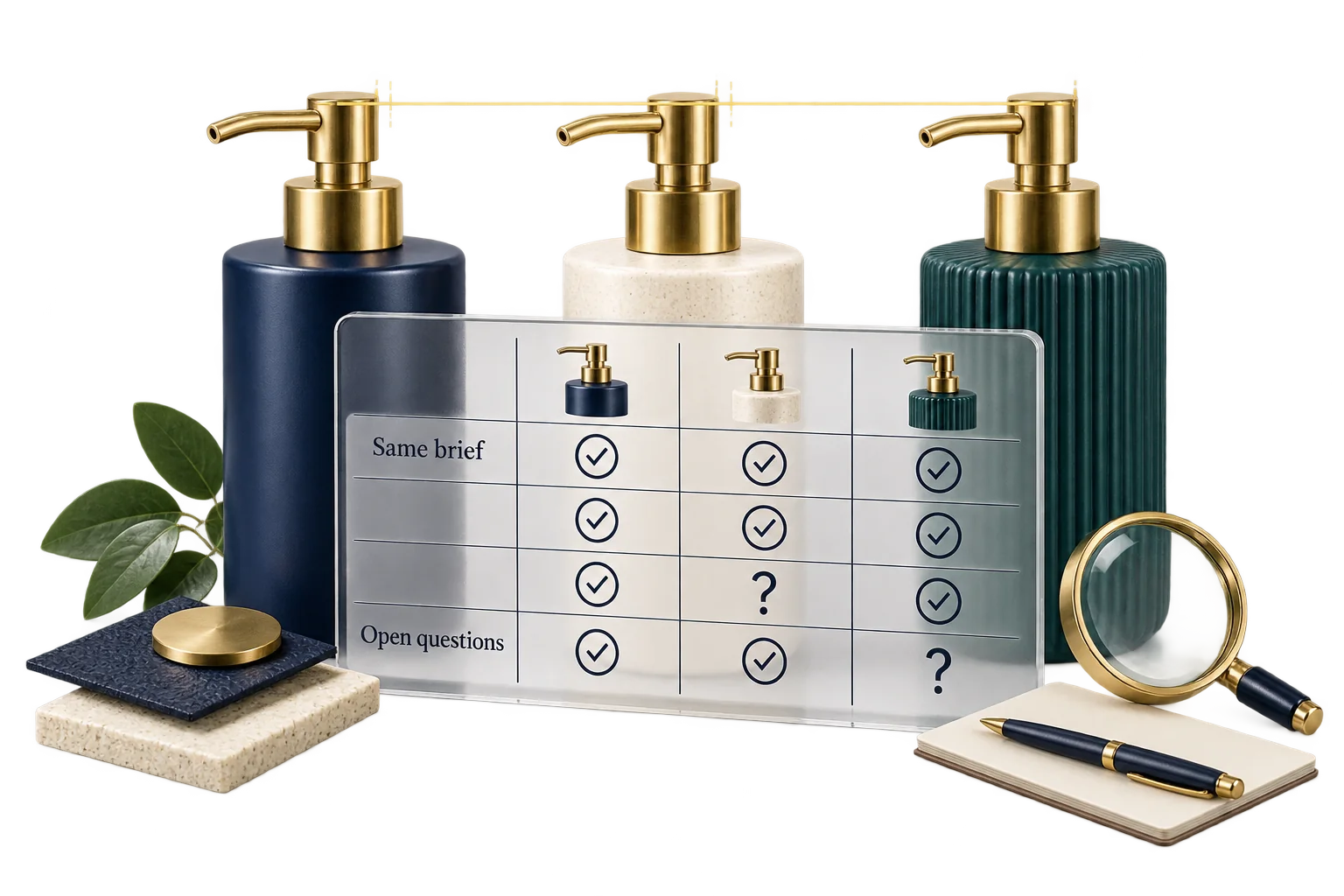
Initial supplier information is organized before deeper verification, contract discussion, samples, or deposits begin.
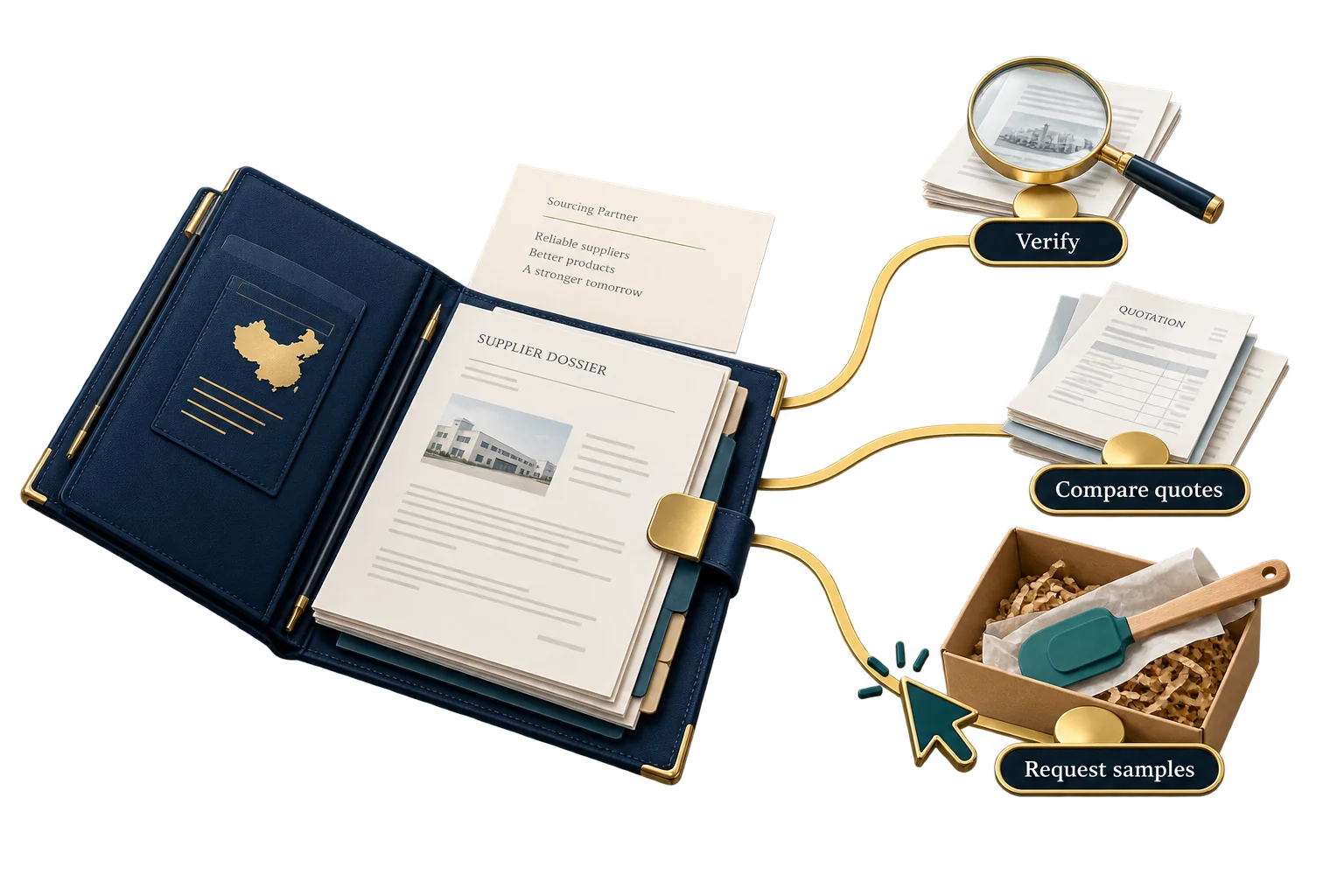
Supplier search should prepare the path toward quotes, samples, inspection, packaging, payment documents, consolidation, and shipping questions.
A supplier shortlist is only useful when the search criteria, comparison points, and next-step checks are clear.
Fast responses can be useful, but capability, MOQ, product match, documentation, delivery ability, and communication detail still need review.
Discuss This17Some suppliers act as factories, trading companies, or intermediaries. The shortlist should make these signals easier to discuss before payment or production decisions.
Discuss This18Compare candidates against the same product specification, quantity, packaging, quality requirement and delivery basis. A lower quote may leave out tooling, testing, packing or freight. Record those gaps alongside lead time and payment terms before deciding which options deserve a closer review.
Discuss ThisSupplier search should identify useful options without creating hidden incentives or rushing buyers into weak commitments.
When LIFA finds your supplier, sourcing costs are included in the quoted product price with no separate 5% commission. When you bring your own supplier, our standard coordination commission is 5% of the approved order value unless agreed otherwise in writing. Additional services and third-party costs are confirmed in the written quote.
View Fees13LifaSourcing.com does not accept hidden factory commissions, undisclosed kickbacks, rebates, referral incentives, or supplier payments that could influence supplier recommendations.
Read More14You approve the shortlist and the next commitment. Recommendations compare product fit, capability, quality expectations, price, documents, delivery assumptions and communication. Record the reason for each choice, the supporting reply, the person responsible and any deadline. Resolve or explicitly escalate conflicting information before samples, payment, production, inspection or shipping.
View Service15Promising suppliers can move into verification, written purchase terms, invoice-documented supplier payments after buyer authorization, inspection planning, and shipping preparation.
Start Your RequestSupplier search prepares the next buying decision. Verification, testing and inspection answer different questions and need their own agreed scopes.
You provide the brief and approve the direction. LIFA finds candidates, gathers replies and records gaps. Suppliers state their capability and quote against the brief. You choose the next step; verification, testing, inspection and logistics specialists act within the scope agreed for that stage.
Ask LIFA for a relevant, shareable record and review the product, market, search criteria, supplier replies, unresolved questions and buyer decision. Client confidentiality may limit what can be shared. Use a qualified specialist for customs, testing, legal, tax or regulatory judgments.
Supplier search is usually the first decision stage before deeper review, samples, quotations, production planning, and shipment preparation.
Review supplier information and risk signals before payment, samples, or larger commitments.
Learn more 20Compare price, MOQ, lead time, materials, packaging, and payment terms across shortlisted suppliers.
Learn more 21Coordinate deeper factory claim checks when a supplier option needs closer review.
Learn more 22Organize sample requests and feedback after the buyer chooses promising supplier options.
Learn more 23Compare freight options, packaging needs, consolidation opportunities, documents, and handoff details before shipment.
Learn moreDifferent buyers use supplier search for different reasons, but each route benefits from clearer comparison before commitment.
Prepare supplier options for repeat orders, destination-market requirements, and longer-term purchasing plans.
Explore route 25Compare suppliers by MOQ, price tiers, packaging, replenishment needs, and product consistency.
Explore route 26Shortlist suppliers for product launches, private label preparation, sample review, and packaging questions.
Explore routeRead how supplier search works before you commit, then compare shortlisted options on the same figures.
Where real manufacturers are found, and how factory routes differ from marketplace listings.
Read the guide 28What each route shows you, what it hides, and when a China-side agent changes the outcome.
Read the guide 29Tell manufacturers from resellers during search, and know when a trading company still suits the order.
Read the guide 30Put shortlisted suppliers side by side on price, MOQ, lead time, and total cost before deciding.
Open the toolClear answers help buyers separate supplier search from verification, sampling, and final supplier selection.
LifaSourcing.com helps organize product requirements, supplier search routes, supplier outreach, initial supplier information, quotation request preparation, communication notes, and a shortlist buyers can review before deeper verification, samples, payment, or production decisions.
No. LifaSourcing.com manages the China-side search work and organizes supplier options, but the buyer keeps final approval over supplier selection, specifications, quotations, payment authorization, and final purchasing decisions.
No. Supplier search identifies and organizes options. Supplier verification is a deeper follow-up step that can review company information, beneficiary details where possible, available documents, factory signals, and risk points before payment, samples, or production decisions.
Prepare product photos or links, specifications, target quantity, destination country, target price if available, packaging needs, certification questions, preferred supplier type, and any supplier links you already found. If the brief is incomplete, LifaSourcing.com can help organize available details and identify missing information before outreach.
Yes. We can use other supplier channels in China when they fit your product, order size and requirements. We compare the options and supporting information; you approve the supplier.
The shortlist can move into supplier verification support, quotation comparison, sample coordination, written purchase terms, inspection planning, payment-document coordination, packaging review, or shipping preparation depending on the buyer's next decision.
LIFA can assess small-order options against your product, quantity and destination. Ready-stock products may have different minimums from customized production. Send your target quantity, acceptable MOQ, branding and packaging needs so the search can identify available options and their limits. Supplier availability, price and sample terms are confirmed through replies; a suitable match is not guaranteed.
Share product links, specifications, quantity, destination country, preferred supplier type if any, budget range, packaging or certification questions, shipping needs, and the supplier links you already found.