Tiles, stone, and surfaces
Ceramic tiles, porcelain tiles, slabs, countertops, wall panels, and decorative surfaces need dimensions, thickness, finish, color batch, breakage protection, and packing review.
LIFA Global Trade helps buyers coordinate China-side sourcing for tiles, flooring, panels, doors, windows, sanitary ware, hardware, fixtures, decorative materials, packaging review, inspection planning, and container shipping preparation.
Supplier search for Building Materials covers 1688, trade fairs, and factory networks — not just marketplace ads.
Price, MOQ, materials, lead time, and terms aligned side-by-side before you decide.
Supplier and factory checks coordinated before your money moves — not after.
FOB, CIF, DDP, or EXW — Building Materials shipments coordinated from factory to port.
Additional realistic images have been added to support the page content while keeping the current LIFA layout and card styling.

A practical view of the sourcing work behind this page.

Details buyers can review before they compare supplier options.

China-side coordination evidence organized for clearer decisions.

Operational details that help reduce avoidable sourcing mistakes.

Preparation notes for production, packing, or shipment follow-up.
Building materials can vary by dimension, thickness, finish, grade, color batch, fire or water resistance requirements, packing method, and project standard. A low quote is not useful unless suppliers are pricing the same product and the same shipment requirements.
LIFA helps organize supplier communication from Hangzhou so buyers can compare clearer options before samples, production, and shipment decisions. Buyers remain responsible for final technical approval, engineering review, compliance, supplier choice, payment, import rules, and project decisions.

A porcelain tile, aluminum profile, flooring panel, sanitary fixture, and door system should not be compared with the same questions.
Ceramic tiles, porcelain tiles, slabs, countertops, wall panels, and decorative surfaces need dimensions, thickness, finish, color batch, breakage protection, and packing review.
SPC, laminate, engineered panels, wall boards, ceilings, and decorative sheets need material structure, wear layer, color matching, carton strength, and sample approval.
Doors, windows, aluminum profiles, frames, locks, handles, and fittings need drawings, measurements, finish, hardware, installation context, and packaging protection.
Basins, faucets, shower hardware, drains, accessories, and project fixtures need finish consistency, functional checks, spare parts, labels, and shipping protection.

Building material sourcing becomes risky when suppliers quote from broad photos or short product names. LIFA helps organize the information suppliers need before useful quotation, sample, and inspection decisions can happen.
Product type, dimensions, material, grade, finish, color, drawings, photos, quantity, destination, packing needs, and supplier links are organized into a sourcing brief.
Suppliers are asked about sample availability, MOQ, lead time, document support, factory information, quality checks, packaging method, loading plan, and export preparation.
Buyer-facing notes compare specifications, sample differences, finish, thickness, packing details, price terms, shipment assumptions, and open supplier questions.
LIFA can help coordinate inspection scope, carton marks, crate or pallet review, loading preparation, freight communication, and shipping documents.
Most building material problems start with unclear specifications, finish expectations, batch assumptions, or packing requirements.
Confirm size, thickness, weight, tolerance, edge details, profile drawings, installation context, and any project-specific measurements before supplier comparison.
Ask about base material, surface treatment, coating, color code, texture, grade, batch consistency, wear layer, and available test reports or declarations.
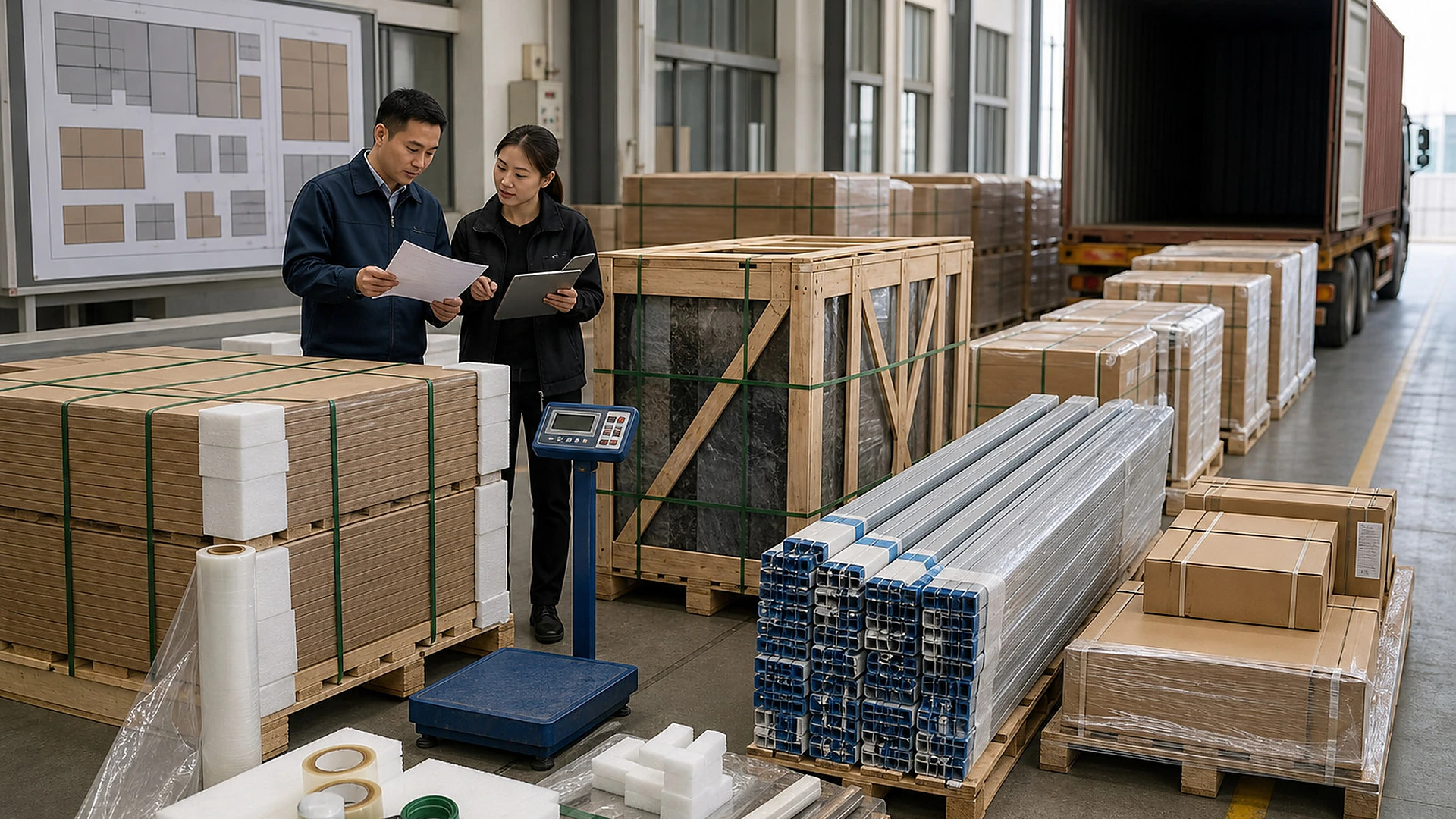
Review carton strength, crate design, pallet method, breakage protection, carton marks, container weight, loading sequence, and destination unloading requirements.
Photos alone are rarely enough for building materials. Drawings, dimensions, target finish, installation context, and destination requirements help reduce wrong assumptions before samples and bulk pricing.

Building materials are often heavy, fragile, project-specific, and expensive to correct after arrival.
Suppliers may quote different thickness, grade, finish, hardware, packing, or document scope unless requirements are written clearly.
Tiles, panels, flooring, and finishes can vary between samples and production batches, so batch and shade questions should be raised early.
Poor crates, cartons, pallets, or loading plans can create breakage and claims that are difficult to resolve after arrival.
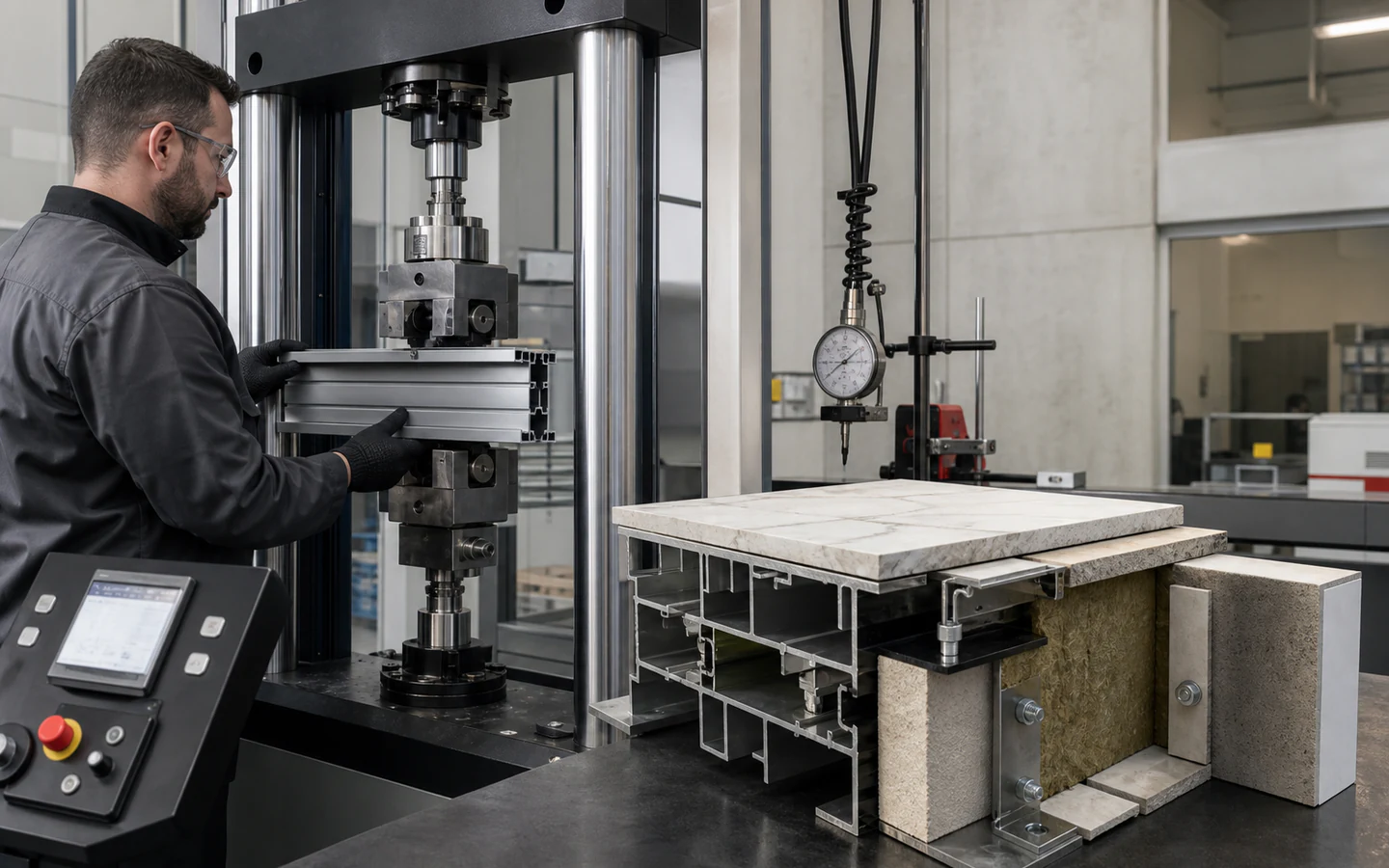
Fire, structural, plumbing, electrical, or destination-market requirements should be reviewed by qualified experts before buyer approval.

For project cargo, packaging and container planning can matter as much as the unit price. LIFA can help coordinate buyer-defined inspection scopes and shipping preparation so obvious packing and document issues are easier to catch before goods leave China.
Coordinate checks for quantity, dimensions, finish, shade, workmanship, labels, carton marks, sample comparison, and buyer-defined packing points.
Discuss crate or pallet method, container weight, loading sequence, breakage protection, shipping documents, and freight communication before final release.
Most building materials projects combine supplier search, verification, samples, inspection, packaging, and shipping coordination.
Organize supplier identity, business details, factory claims, document requests, and risk signals before larger commitments.
2Coordinate tile, panel, fixture, finish, or hardware samples and buyer feedback before production decisions.
3Plan buyer-defined checks for dimensions, finish, quantity, packing, labels, carton marks, and shipment readiness.
4Coordinate freight communication, container planning, documents, and shipment preparation for heavy or fragile materials.
Some projects overlap with hardware, raw materials, construction equipment, furniture fittings, and packaging.
Building materials sourcing benefits from practical checks before samples, payments, production, and container loading.
Understand how to compare price, specification, packing, terms, and open supplier questions.
2Review what can be checked before shipment and what buyers should define in advance.
3Clarify shipping terms before comparing building material quotations and freight assumptions.
Visit the official profile to read or leave honest feedback. This page does not display fake ratings, fake review counts, or invented testimonials.
Prepare product type, dimensions, material, finish, grade, color, quantity, destination market, packaging needs, sample requirements, drawings or photos, and any standards or test reports required by your project or market.
LIFA can help coordinate supplier communication, sample review, document requests, and inspection support, but buyers should define the required technical standards and use qualified testing or engineering review where needed.
LIFA can help organize sourcing for tiles, flooring, wall panels, doors, windows, sanitary ware, hardware, fixtures, decorative materials, and related project supplies where legal export and import requirements can be met.
Samples help buyers review color, texture, finish, thickness, dimensions, packaging, and batch expectations before larger orders. Final approval should consider project specifications and destination-market requirements.
Heavy or fragile materials should be discussed early around crate strength, pallet method, carton marks, loading plan, container weight, breakage protection, and shipping-document preparation.
Send product photos, drawings or specifications, quantity, destination, project timeline, packaging needs, and supplier links if available through the request form, email simon@lifasourcing.com, or WhatsApp +86 173 7653 5037.
Send product photos, drawings, dimensions, finish requirements, quantity, destination, packing needs, and supplier links if available. LIFA will help organize the China-side sourcing steps clearly.