

Visual checkpoints for Buy used machinery with condition evidence organized first.
Additional realistic images have been added to support the page content while keeping the current LIFA layout and card styling.

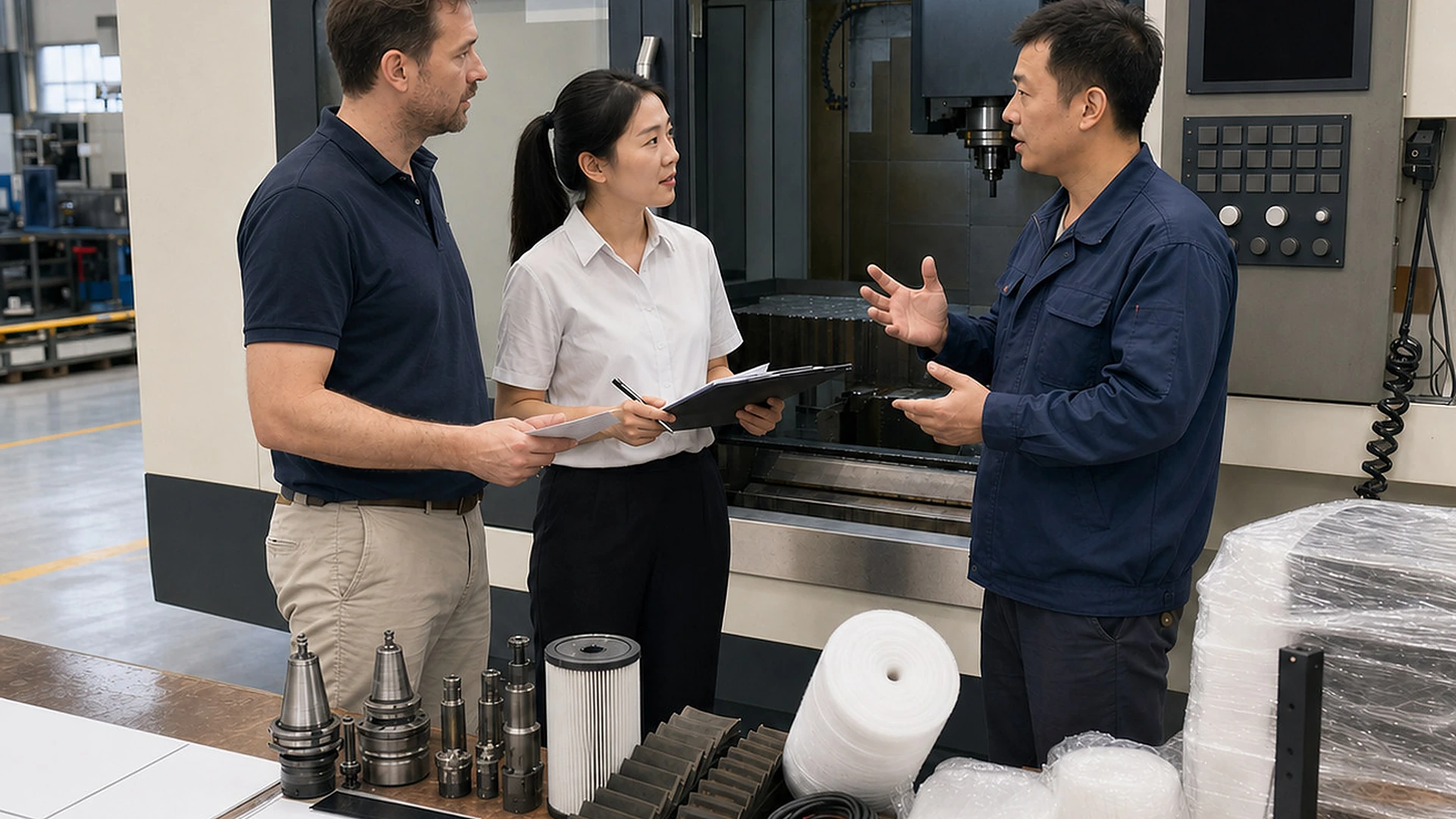
Sourcing overview
A practical view of the sourcing work behind this page.

Supplier communication
Details buyers can review before they compare supplier options.

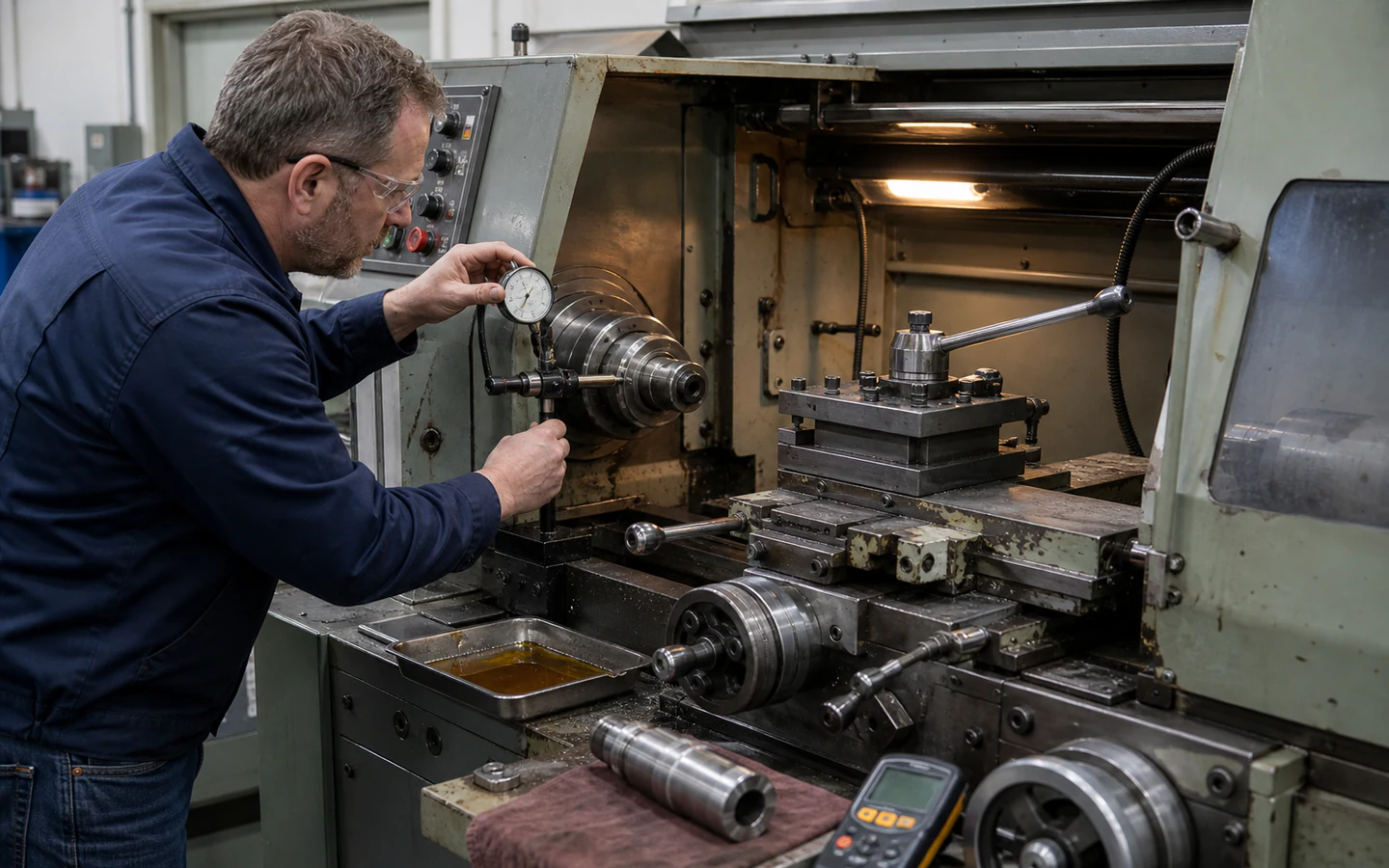
Verification checks
China-side coordination evidence organized for clearer decisions.

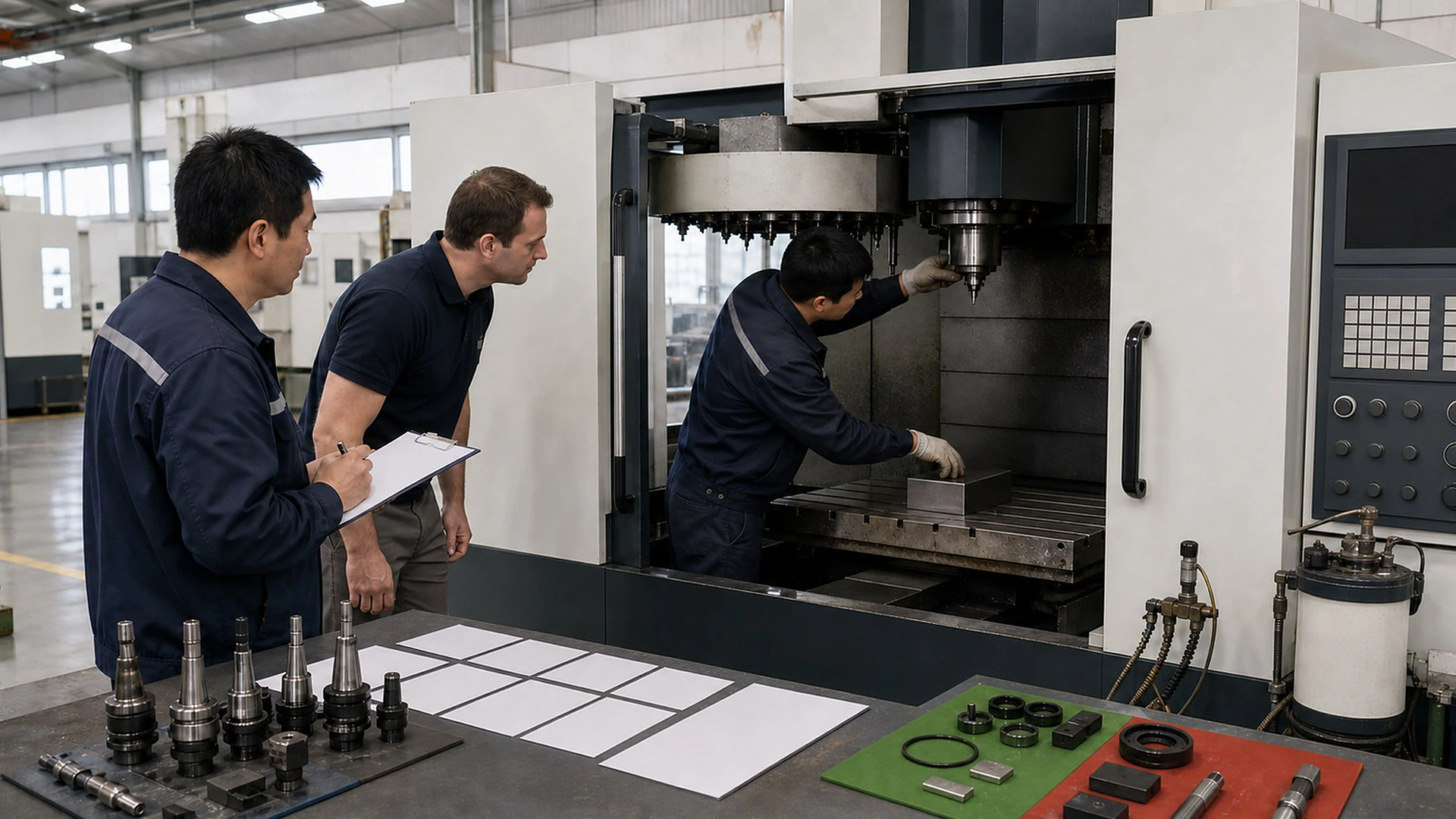
Sample planning
Operational details that help reduce avoidable sourcing mistakes.

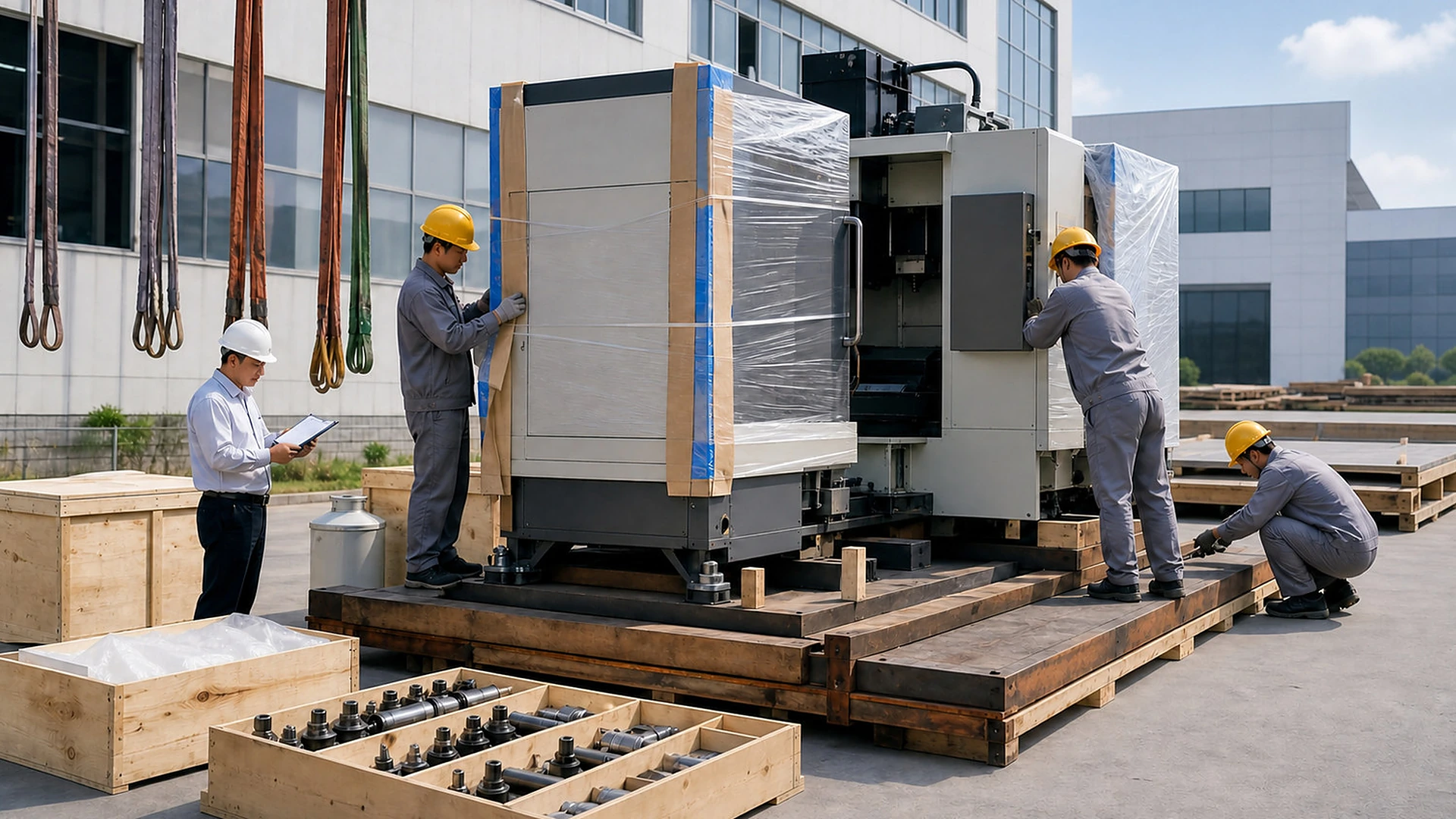
Shipping prep
Preparation notes for production, packing, or shipment follow-up.
Used machinery sourcing needs condition proof before price negotiation.
Second-hand machinery can save budget, but the risk is different from buying new equipment. A useful offer should explain current condition, working status, missing parts, maintenance notes, accessories, spare parts availability, packing method, and whether a live test or inspection can be arranged.
LIFA Global Trade supports buyers by organizing China-side supplier communication, quotation comparison, verification support, inspection coordination, and shipping preparation. Buyers remain responsible for final supplier choice, technical acceptance, payment, compliance, import rules, installation, and operating safety.
- Useful for factories, importers, distributors, repair businesses, and industrial buyers seeking second-hand equipment.
- Best started with target machine type, model references, acceptable age or condition, capacity needs, and destination country.
- Designed to turn scattered seller claims into a clear review file before the buyer commits.
Used equipment needs sharper questions than new machinery.
Every used machine has a history. The sourcing work should make that history easier to inspect, compare, and document.
Used production lines
Confirm line layout, included machines, dismantling plan, control system, missing parts, test-run status, packing method, and whether all components are available.
Discuss This 💡Second-hand machines
Review model, year, hours if available, running video, wear points, current location, ownership or seller details, accessories, and replacement part availability.
Discuss This 🗂️Refurbished equipment
Ask exactly what was refurbished, what parts were replaced, what tests were completed, and what support or warranty terms the seller is willing to document.
Discuss This 📌Machine accessories
Check tooling, molds, fixtures, manuals, spare parts, controllers, cables, guards, sensors, and consumables because small missing items can become expensive later.
Discuss ThisA careful workflow for second-hand machinery decisions.
Used machinery sourcing should move in stages: request clarity, seller comparison, condition evidence, verification, inspection planning, then packing and shipment preparation.
Requirement Review
We organize machine type, model references, required capacity, acceptable condition, destination country, budget range, and inspection needs.
Seller Search
Potential sellers are asked for the same condition evidence so buyers can compare details instead of relying on vague listings.
Condition Evidence
Photos, videos, serial or model details, running status, accessories, spare parts, refurbishment notes, and missing-part questions are organized for buyer review.
Verification & Inspection
LIFA can coordinate seller verification, site or factory checks, live test requests, third-party inspection planning, and pre-shipment review points.
Packing & Shipping Prep
Dismantling, cleaning, rust protection, crate or pallet packing, dimensions, weight, loading photos, and freight handoff details are prepared before shipment.
What to send before LIFA contacts used machinery sellers.
Used machinery searches become more practical when the buyer defines what condition is acceptable before seller communication begins.
Machine type and model references
Share the exact equipment type, brand or model references, capacity target, and examples of acceptable alternatives.
Condition boundaries
Explain acceptable age, wear level, refurbishment needs, missing parts tolerance, and whether running-video evidence is mandatory.
Inspection expectations
Decide whether you need photos only, video test, remote live call, local inspection, or a technical third-party inspection.
Shipment and import details
Prepare destination country, freight preference, compliance concerns, destination handling limits, and any import restrictions already known.
Common used machinery risks to review before payment.
Used equipment risk is rarely only about the sticker price. The bigger risks often sit inside machine condition, missing parts, dismantling, packing, and post-arrival repair needs.
Condition claims may be incomplete
Ask for current photos, operating videos, serial plates if available, inspection access, and clear notes on repaired, replaced, or missing parts.
Discuss This ⭐Running tests may be limited
Some machines cannot be tested fully before dismantling or shipment. Buyers should define what evidence is enough for their risk level.
Discuss This 💰Spare parts can change the real cost
Older equipment may need consumables, tools, controllers, sensors, fixtures, manuals, or part replacements before it can be used safely.
Discuss This 🧭Dismantling can create damage
Marking parts, protecting panels, packing loose accessories, and documenting dismantling steps can reduce confusion after arrival.
Discuss This 💡Import rules may be stricter for used equipment
Some markets restrict used machines or require specific cleaning, certificates, safety documents, or import approvals. Buyers must verify destination rules.
Discuss This 🔰After-sales support is not the same as new machinery
Warranty, installation, remote support, and replacement parts should be written clearly, but buyers should expect limits with second-hand equipment.
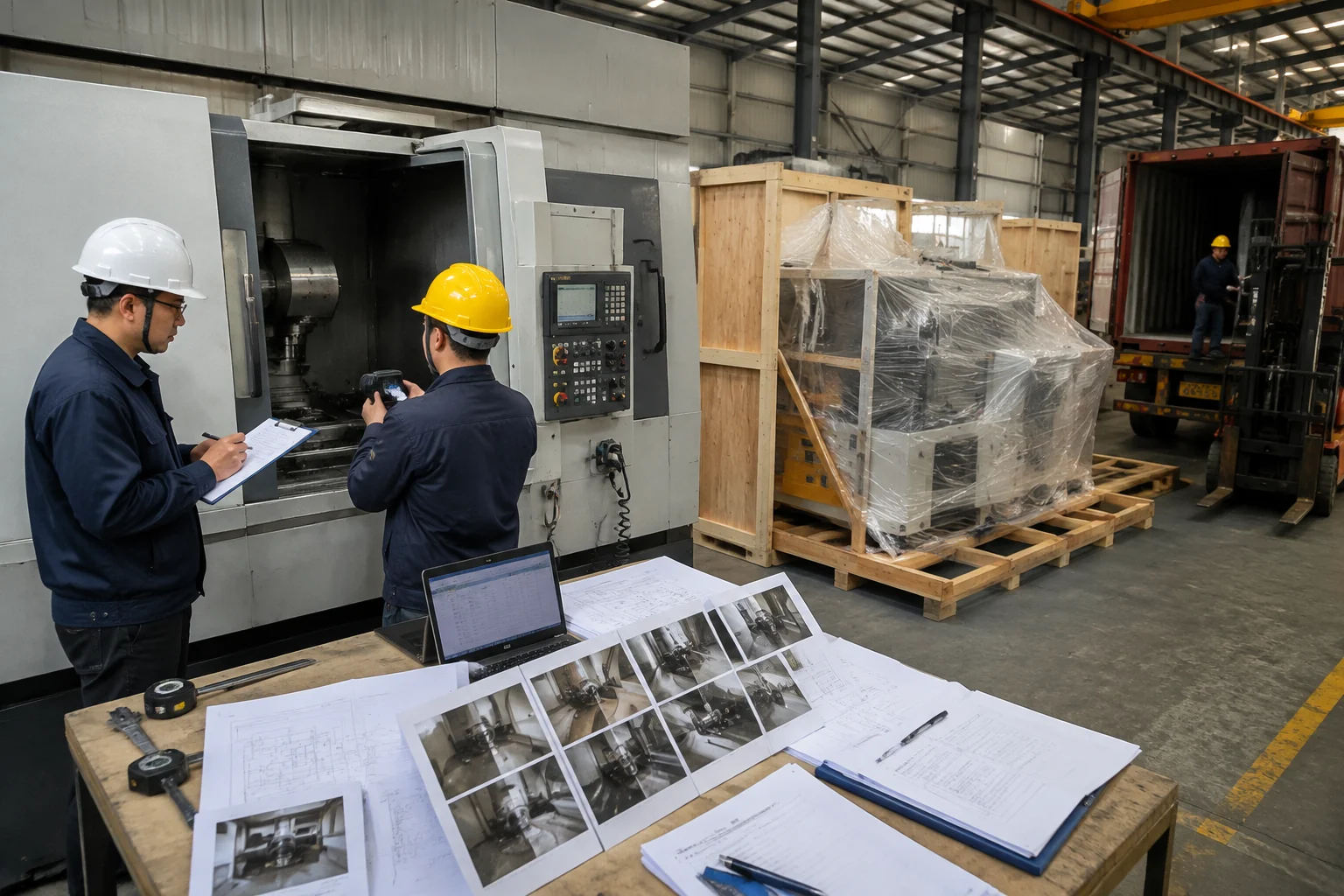
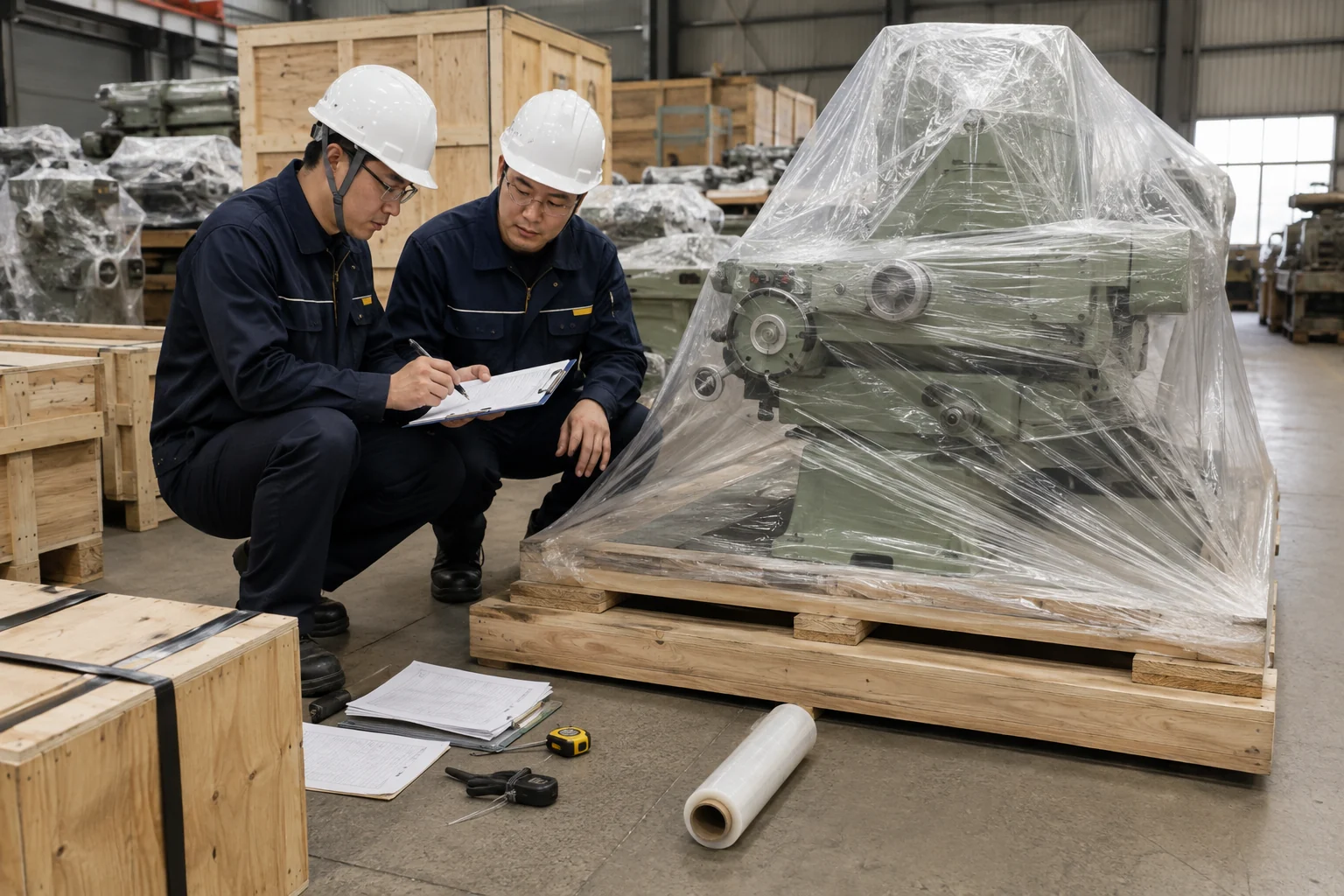
Discuss ThisCondition evidence and packing preparation should be visible.
LIFA can help coordinate the practical records buyers need before releasing balance payment or authorizing shipment.
Condition and verification checks
Seller details, machine evidence, running status, inspection scope, and buyer questions are organized in one review path.
Export packing preparation
Dismantling notes, crates, pallets, rust protection, dimensions, loading photos, and freight handoff details are prepared before shipment.
Services that support used machinery sourcing.
Second-hand machinery usually needs sourcing, verification, inspection planning, and shipping preparation working together.
Product Sourcing
Organize seller search and inquiry communication for used machines, production lines, accessories, and spare parts.
Explore product sourcing ✅Supplier Verification
Review seller or supplier information before buyers move toward deposit, inspection, or shipment planning.
Review verification 🏭Factory Verification
Coordinate site-side checking when a machine's location, seller claim, or equipment condition needs deeper review.
See factory checks 🔬Inspection Coordination
Plan condition checks, live test evidence, packaging review, and pre-shipment inspection support.
Plan inspection 🚢Shipping Coordination
Prepare packing, dimensions, weight, loading notes, freight communication, and shipment documents.
Prepare shipping 📍China Visit Support
Support buyers who want to visit sellers, inspect machines, or review equipment in China before commitment.
Plan a visitContinue with machinery and equipment sourcing routes.
Used machinery often connects with new machinery, construction equipment, spare parts, and machinery-buyer support.
Machinery & Industrial Equipment
Compare new equipment sourcing, supplier capability, technical quotation details, and inspection planning.
Open category 🔗Construction Equipment
Review excavators, loaders, attachments, site equipment, condition evidence, packing, and shipping needs.
Open category ⭐Spare Parts
Prepare part numbers, drawings, materials, tolerances, samples, and packaging for equipment support orders.
Open category 👥Machinery Buyers
See how LIFA supports buyers sourcing equipment for factories, resale, repair, or industrial projects.
Open industry pageUseful guides before buying used machinery from China.
These guides help buyers prepare better questions before seller communication, inspection, and shipping preparation.
Supplier Verification Checklist
Use a practical checklist before deposits, condition inspections, or shipment planning.
Read the guide 🔬Pre-Shipment Inspection Guide
Plan condition evidence, photos, video, packing review, and shipment readiness before final balance.
Read the guide 🧭FOB vs CIF vs DDP
Understand shipping terms before comparing heavy equipment freight and destination responsibility.
Read the guideLIFA on Trustpilot
LIFA Global Trade welcomes honest customer reviews on Trustpilot. We do not display fake ratings, fake review counts, or invented testimonials.
Used machinery sourcing questions buyers ask.
Clear expectations help buyers decide what evidence is enough before payment or shipment.
Yes. LIFA can help organize used machinery sourcing communication for legal equipment requests, including supplier search, condition evidence, quotation comparison, supplier verification, live test or inspection planning, export packing questions, and shipping preparation.
Used machinery needs deeper condition review. Buyers should ask about machine age, usage history, current running condition, maintenance records if available, missing parts, refurbished work, accessories, spare parts, test videos, dismantling method, packing, and realistic after-sales limitations.
LIFA can help coordinate condition evidence, supplier communication, factory or seller verification, photo and video requests, and inspection planning. Final technical acceptance should be made by the buyer or a qualified technical inspector selected for the specific machine type.
Prepare machine type, brand or model references if available, required capacity, acceptable age range, destination country, budget range, desired condition, required accessories, spare parts questions, inspection needs, and any supplier links or photos already found.
No. LIFA helps organize sourcing, supplier communication, verification support, inspection coordination, and shipping preparation. Buyers remain responsible for final supplier choice, technical approval, payment decisions, compliance, import rules, installation, and operating safety.
Used machinery can be shipped when dismantling, cleaning, rust protection, crate or pallet packing, dimensions, weight, loading method, spare parts, and freight handoff details are planned carefully. LIFA can help coordinate these preparation steps with suppliers or freight partners.
Send the machine type, seller link, and condition questions.
Share model references, photos, supplier links, desired condition, inspection needs, destination country, and shipping concerns so LIFA can organize the next step.