Indoor LED lighting
Bulbs, panels, downlights, strips, tubes, and decorative lights need wattage, lumens, CCT, CRI, driver details, housing material, packaging, and label review.

We align supplier offers on output, voltage and environmental ratings. Review samples and technical records against the conditions where your products will be used.
Source Energy Lighting from China with specifications, supplier checks, MOQ, sampling, quality control, compliance, packaging and...
Specifications, samples, packaging, quality checks, and shipment readiness need to be clarified before supplier comparison becomes...
LED and solar lighting products can look similar while using different drivers, chips, housings, battery cells, solar panels...
A simple LED bulb, outdoor floodlight, solar garden light, and commercial fixture require different specification and document checks.
LED and solar lighting products can look similar while using different drivers, chips, housings, battery cells, solar panels, waterproof ratings, labels, and test reports. A useful supplier comparison should clarify the technical scope before samples or bulk orders.
LifaSourcing.com helps organize supplier communication from Hangzhou so buyers can review clearer options. LifaSourcing.com does not certify electrical products or replace lab testing; buyers remain responsible for technical approval, compliance, supplier choice, payment, import rules, and final decisions.
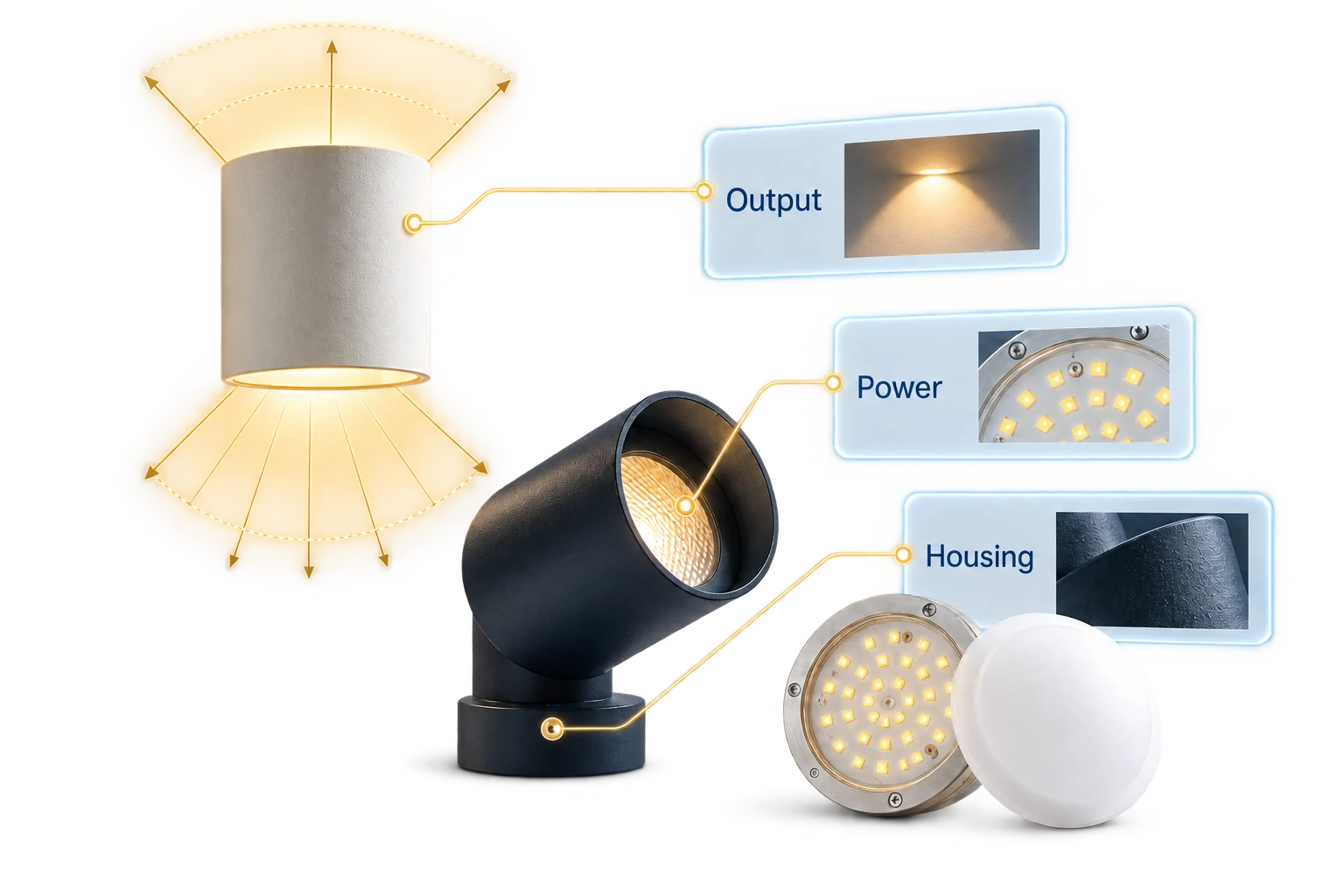
A simple LED bulb, outdoor floodlight, solar garden light, and commercial fixture require different specification and document checks.
Bulbs, panels, downlights, strips, tubes, and decorative lights need wattage, lumens, CCT, CRI, driver details, housing material, packaging, and label review.
Floodlights, street lights, high bays, wall lights, and work lights need IP rating, heat dissipation, housing, mounting hardware, function checks, and carton protection.
Solar garden lights, solar street lights, and portable solar lamps need panel rating, battery capacity, controller details, runtime expectations, waterproofing, and packaging checks. Start solar lighting with the product facts that determine the rule: function, material, model, user, electrical or radio features, packaging, origin, destination, and marketing claims. Record the official source and effective date, then carry approved requirements into the specification and inspection checklist.
Drivers, controllers, sensors, cables, housings, brackets, and replacement accessories need compatibility, input/output specs, labels, document requests, and sample review.
Specifications, samples, packaging, quality checks, and shipment readiness need to be clarified before supplier comparison becomes meaningful.
Electrical and lighting products need clearer technical language than general consumer goods.
Confirm wattage, voltage, lumens, luminous efficacy, color temperature, CRI, beam angle, dimming, sensor features, lifespan claims, and buyer-defined test needs. Treat performance details as part of the controlled product specification. Record materials, dimensions, tolerances, variants, finish, labels, packaging, approved sample, and allowed substitutions, then route any change through written approval before production or a repeat order.
Ask about LED chips, drivers, cables, housing material, heat dissipation, battery cells, solar panels, protection circuits, and document availability.
Review model labels, warning labels, manuals, retail boxes, barcode or SKU needs, carton marks, foam protection, pallet plans, and destination-market language.
Lighting sourcing becomes risky when suppliers quote from photos alone. LifaSourcing.com helps organize the technical and commercial questions needed before sample, document, inspection, and shipment decisions.
Product type, wattage, voltage, lumens, color temperature, IP rating, battery or solar details, quantity, destination, documents, packaging, and supplier links are organized.
Suppliers are asked about chip, driver, housing, battery, solar panel, MOQ, samples, lead time, test reports, inspection cooperation, labels, and export preparation.
Buyer-facing notes compare sample quality, specification gaps, document availability, packaging details, price terms, and open technical questions.
LifaSourcing.com can help coordinate buyer-defined inspection scope, carton marks, packaging review, freight communication, and shipment readiness checks.
A clear request reduces vague supplier assumptions about performance, components, certifications, packaging, and inspection. If the product is regulated in your market, buyers should define the required standard or consult a qualified lab or compliance advisor.

Lighting defects, wrong labels, missing accessories, or weak packaging become harder to fix after shipment. LifaSourcing.com can help coordinate buyer-defined inspection scope and shipping preparation before final release.
Coordinate checks. Connect inspection coordination to the exact model, specification revision, approved sample, lot or batch, test method, defect class, result, corrective action, and release owner. Keep exceptions open until the buyer reviews evidence from a recheck or accepts the stated limitation in writing.
Confirm carton strength, foam protection, pallet method, model labels, manuals, shipping documents, freight communication, and destination planning.
Electrical performance, product claims, and safety requirements need careful buyer-side review before approval.
Brightness, wattage, runtime, waterproofing, battery capacity, and lifespan claims should be supported by specifications, samples, and buyer-defined testing.
Drivers, chips, batteries, solar panels, sensors, and housings can differ widely even when product photos look similar.
CE, RoHS, FCC, UL, ETL, UKCA, or other document needs vary by market and product. Buyers should verify requirements with qualified advisors or labs.
Lights, lenses, panels, and solar items need protective packing, carton marks, accessory control, and shipment preparation before release.
Energy and lighting products benefit from practical checks before samples, document review, inspection, payment, and shipment release.
Review supplier identity, factory claims, documents, and risk signals before trusting quotations.
23Understand what can be checked before shipment and what buyers should define in advance.
24Compare specification, sample, document, packaging, inspection, and shipment assumptions before choosing suppliers.
Lighting is an electrical product: certification, driver quality, and lifetime claims all need evidence.
Electrical safety and efficiency documentation for lighting products.
Read the guide 26Conformity requirements for lighting entering the European market.
Read the guide 27Specify components and testing so lifetime claims are supportable.
Read the guide 28Function and burn-in testing before goods are shipped.
Read the guideMost lighting projects combine supplier search, document requests, samples, inspection, packaging, and shipping coordination.
Organize supplier identity, business details, factory claims, document requests, and risk signals before larger commitments.
19Coordinate lighting samples, technical questions, supplier feedback, packaging notes, and revision comments before production.
20Organize supplier document requests and third-party testing communication where buyers define the required standard.
21Plan buyer-defined checks for function, labels, accessories, packaging, carton marks, and shipment readiness.
Some lighting projects overlap with solar, electronics, hardware, building materials, and raw components.
Settle these practical questions before applying Energy Lighting to a live supplier, order, quality, compliance, or shipment decision.
Define Energy Lighting packaging with product protection, inner pack, master carton, carton dimensions and weight, stacking limits, moisture or shock risks, marks, labels, and destination handling in mind. Use the packed cargo data to compare air, courier, LCL, and FCL options, then test or inspect the packaging before shipment release.
A Energy Lighting RFQ should identify the exact product and variant, specification revision, quantity breaks, packaging, destination, Incoterm, sample needs, tooling, testing, lead time, payment terms, and quotation exclusions. The approval checklist should connect the selected quotation to supplier verification, sample status, quality criteria, compliance questions, and shipping assumptions.
Map each Energy Lighting handoff against the chosen Incoterm and contract: who arranges pickup, export clearance, main carriage, insurance, import clearance, duty and tax, final delivery, and damage claims. The trade term does not replace the purchase contract, cargo facts, insurance scope, or the named delivery point.
Review the exact Energy Lighting power system, ratings, battery chemistry and capacity, charger, EMC behavior, radio modules and frequencies, transport configuration, labels, manuals, and destination market. Required testing depends on the final model and market, so match reports to the produced configuration and confirm transport rules before booking.
Prepare product type, wattage, voltage, lumens, color temperature, materials, chip or driver requirements, IP rating, battery or solar panel specifications, quantity, destination market, certification needs, sample requirements, packaging needs, and supplier links if available.
No. LifaSourcing.com can help request supplier documents, organize sample and inspection communication, and coordinate third-party testing communication when needed, but buyers should confirm legal compliance with qualified labs or advisors for their destination market.
We can help source LED bulbs, panels, strips, downlights, outdoor lights, solar garden lights, floodlights, emergency lights, drivers, fixtures, and related legal energy or lighting products.
Common checks include appearance, dimensions, labels, packaging, quantity, function, power-on checks, color temperature, brightness consistency, accessories, carton marks, and buyer-defined electrical or lab-test requirements.
Yes. Solar lighting usually requires extra attention to battery capacity, solar panel rating, charging performance, runtime expectations, waterproofing, controller details, packaging, and destination-market rules.
Send product photos, specifications, wattage, voltage, quantity, destination market, certification or testing needs, packaging requirements, and supplier links if available through the request form, email simon@lifasourcing.com, or WhatsApp +86 173 7653 5037.
Send product photos, wattage, voltage, lumens, certification needs, quantity, packaging expectations, destination country, and supplier links if available. LifaSourcing.com will help organize the China-side sourcing steps clearly.