



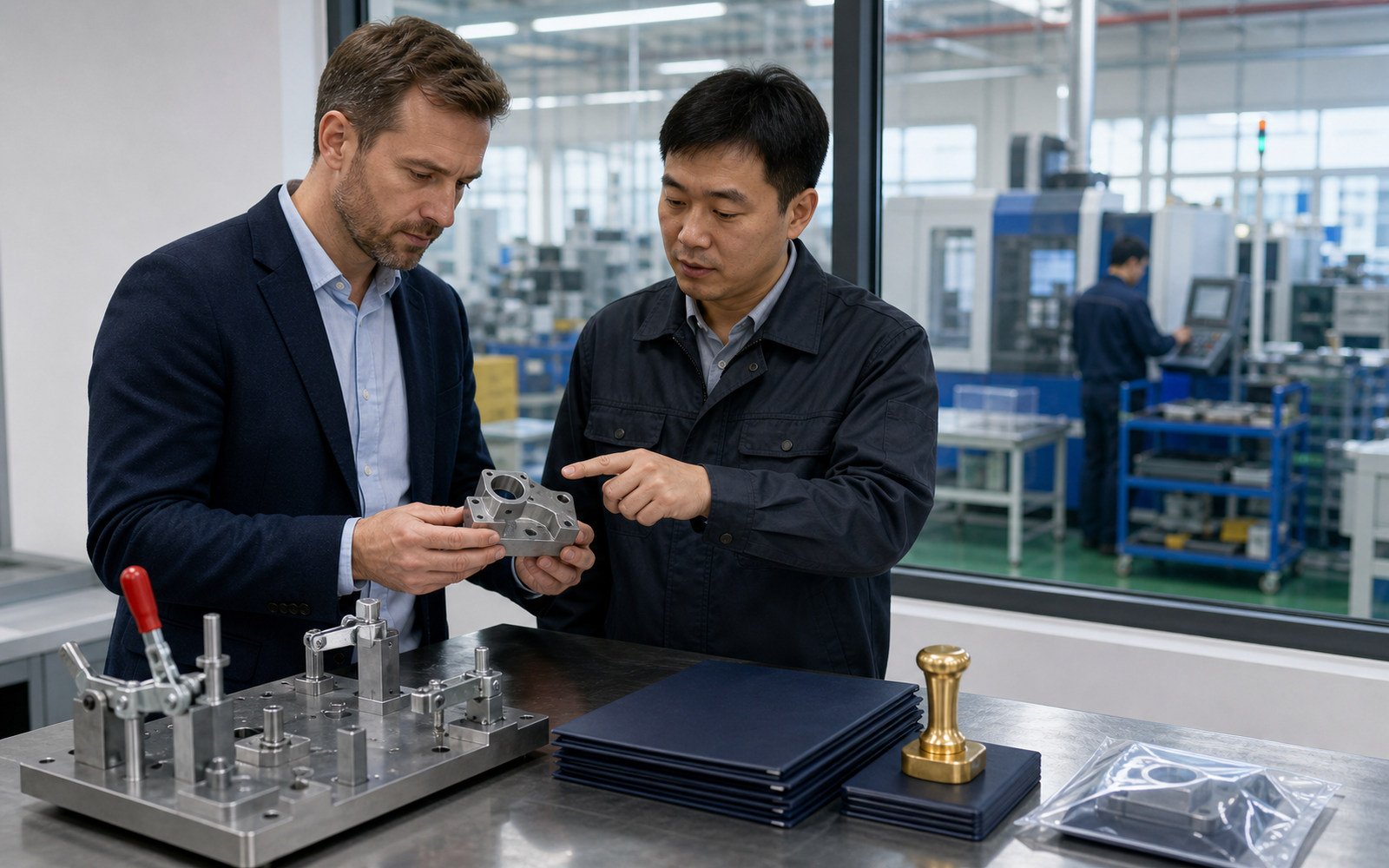

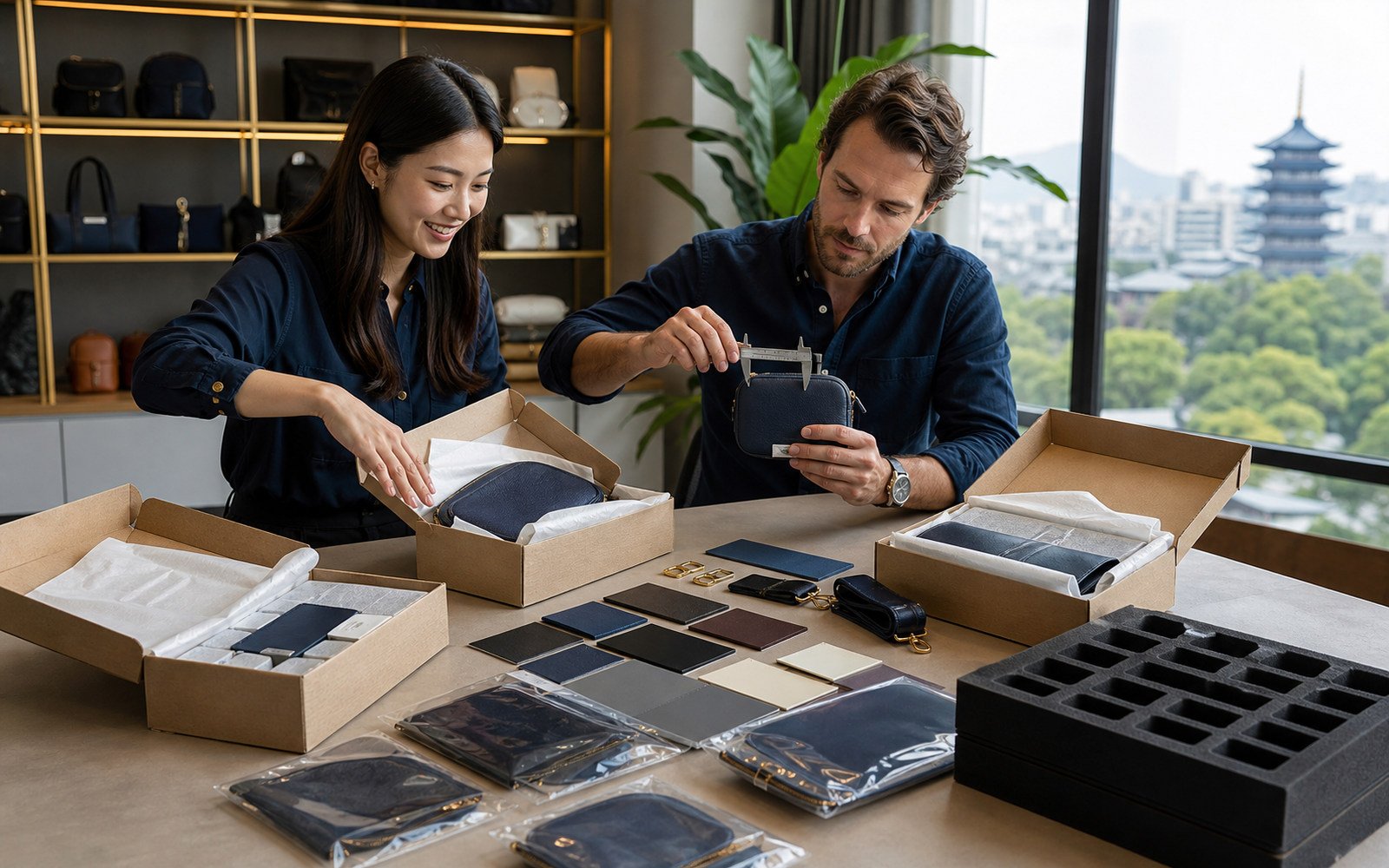











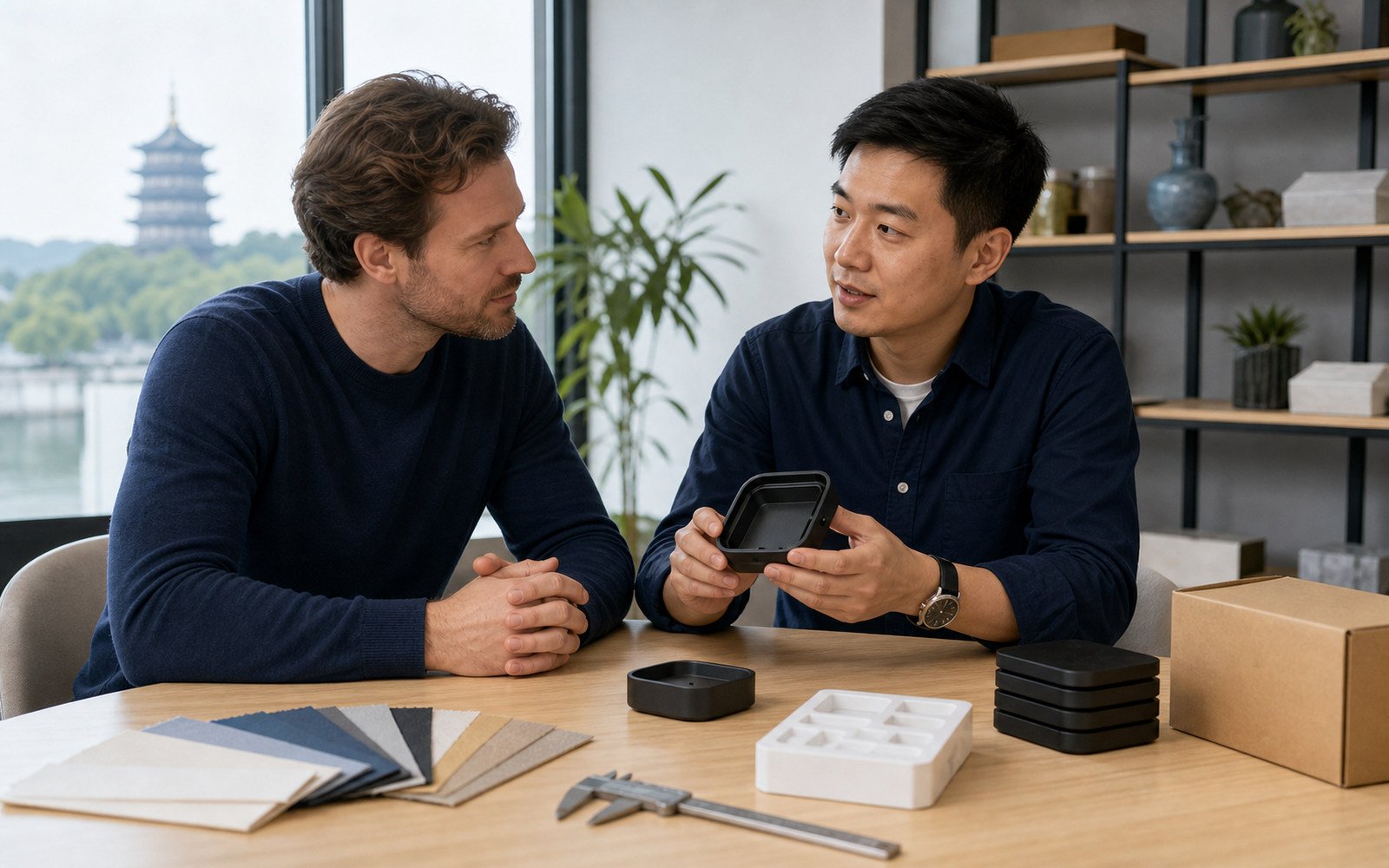


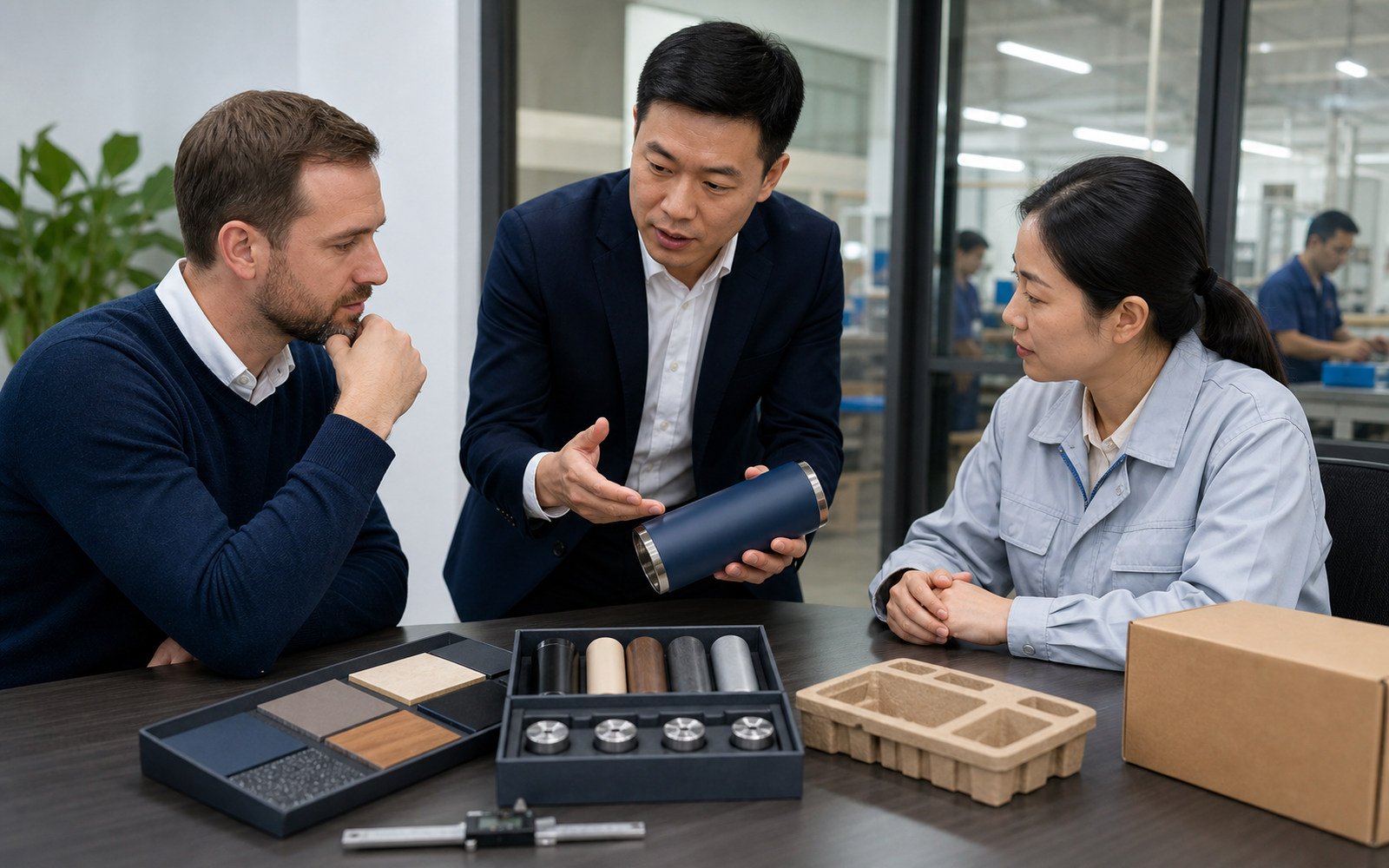
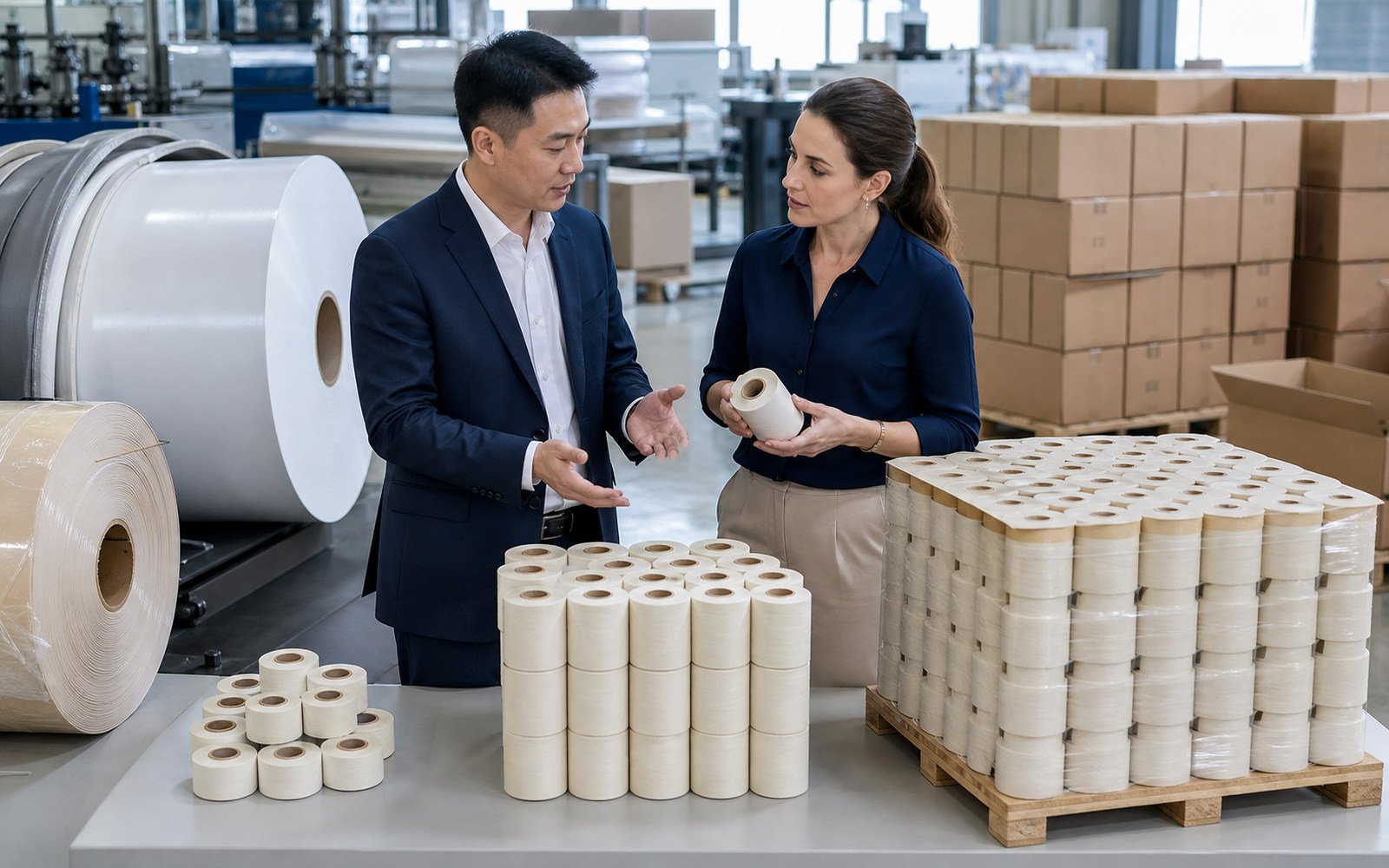


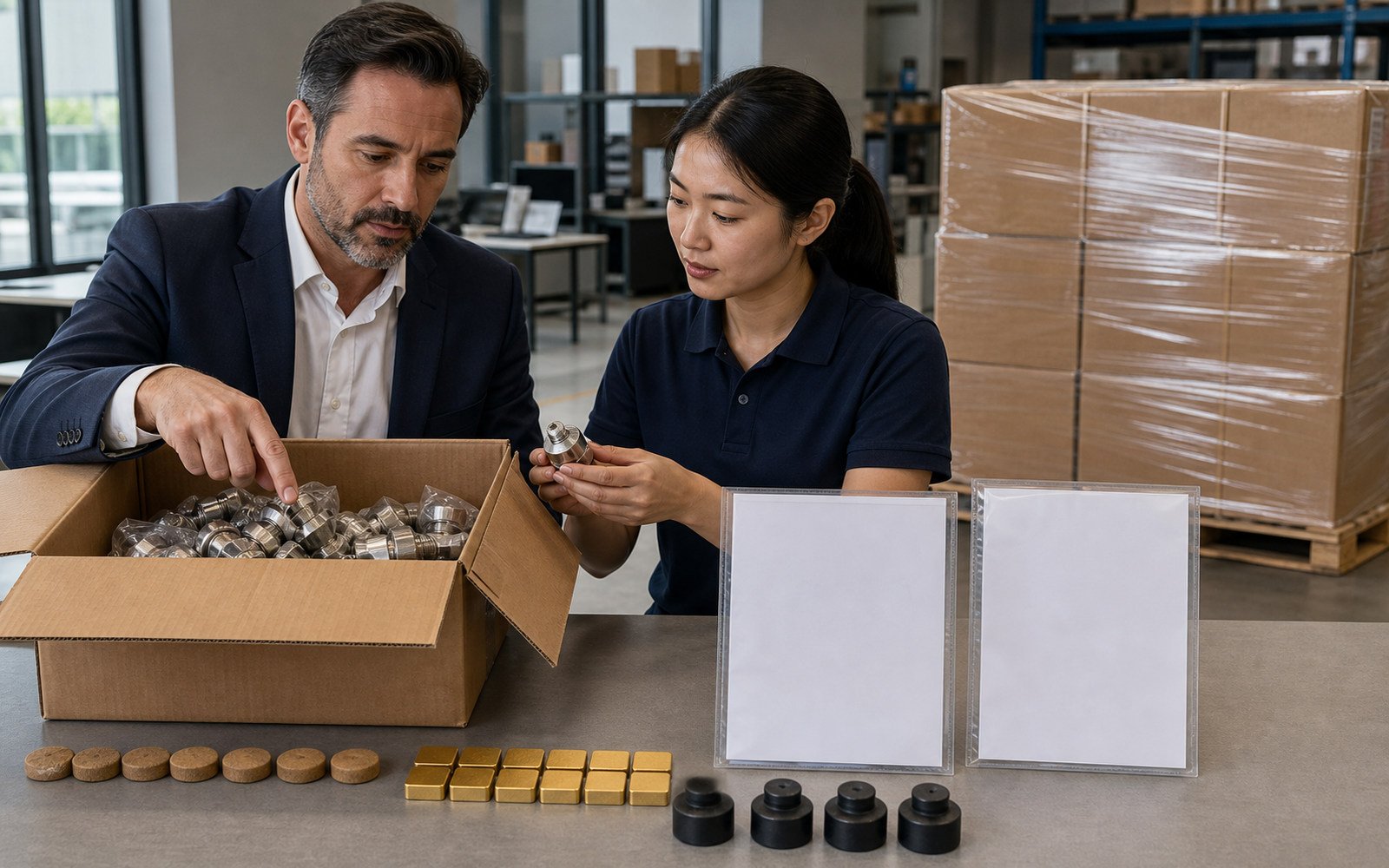

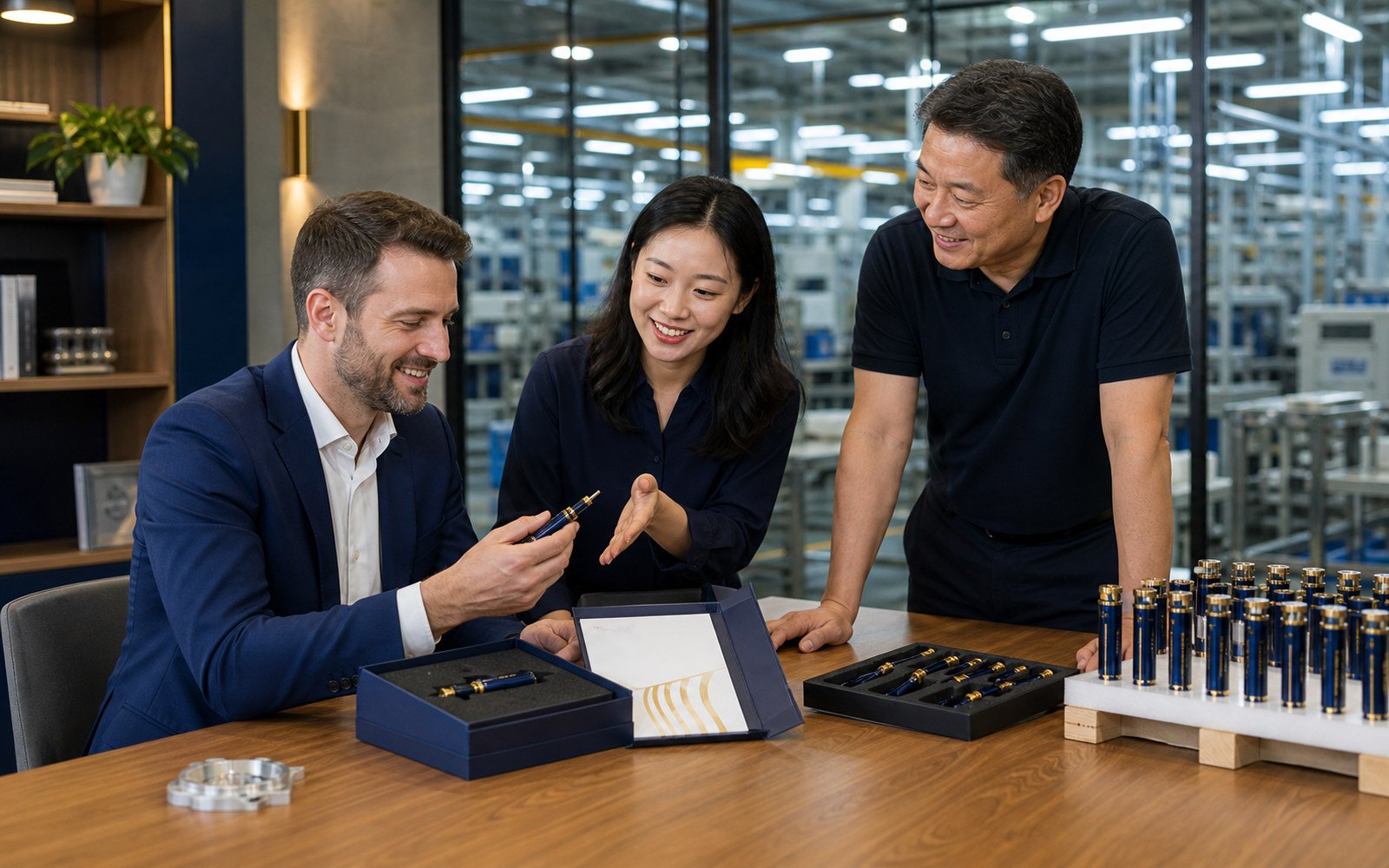
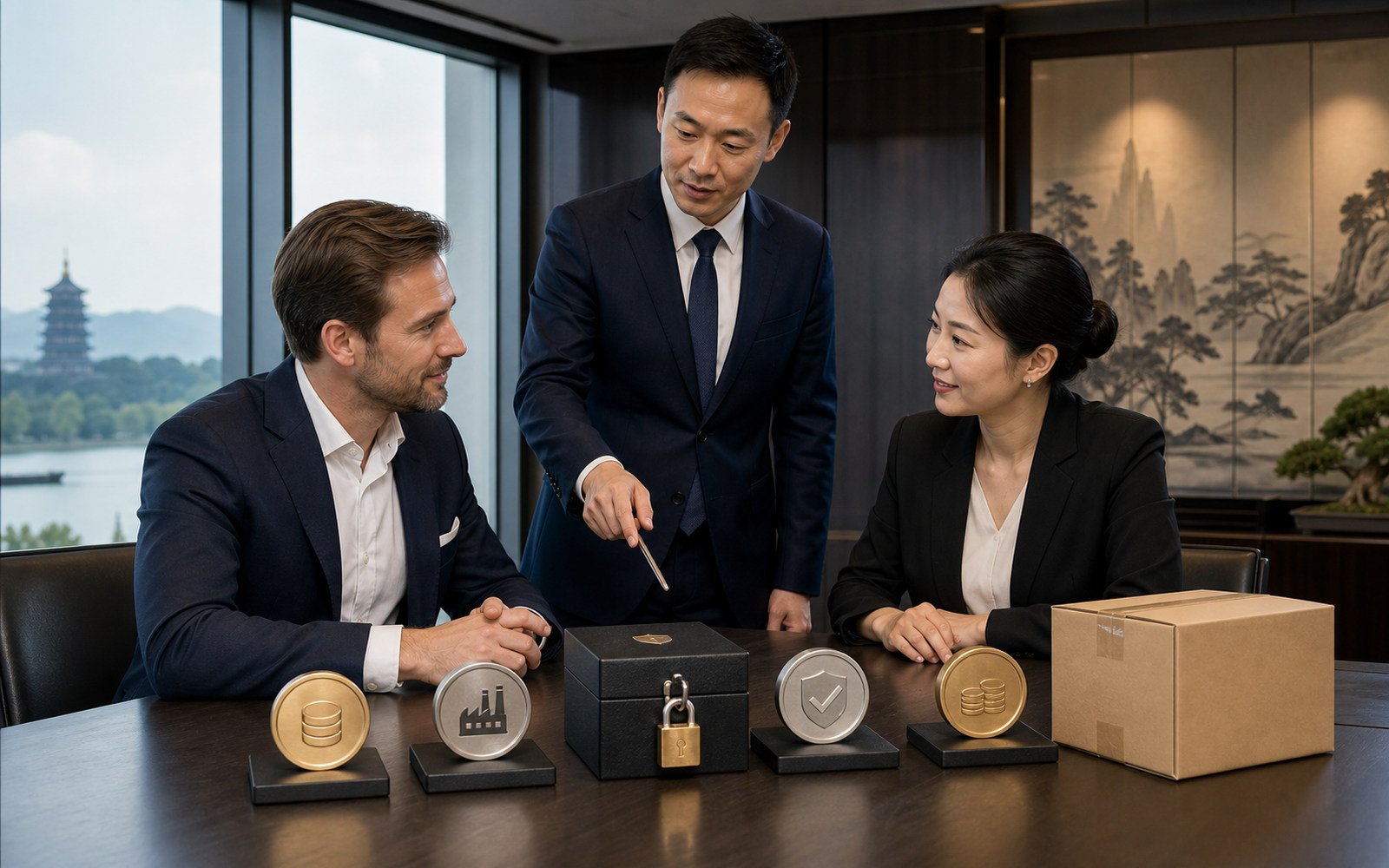

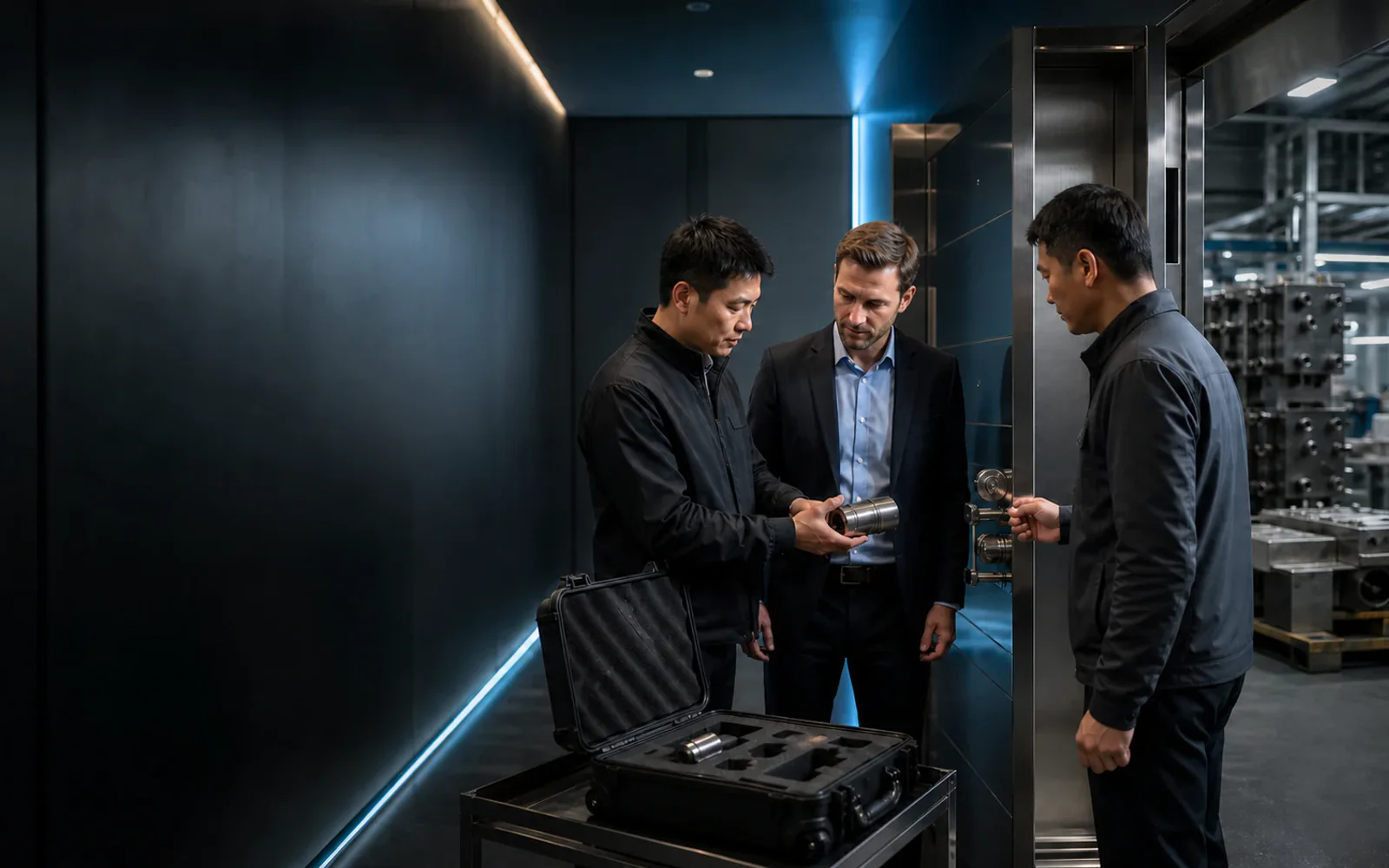




Visual checkpoints for Everything about importing from China — explained properly .
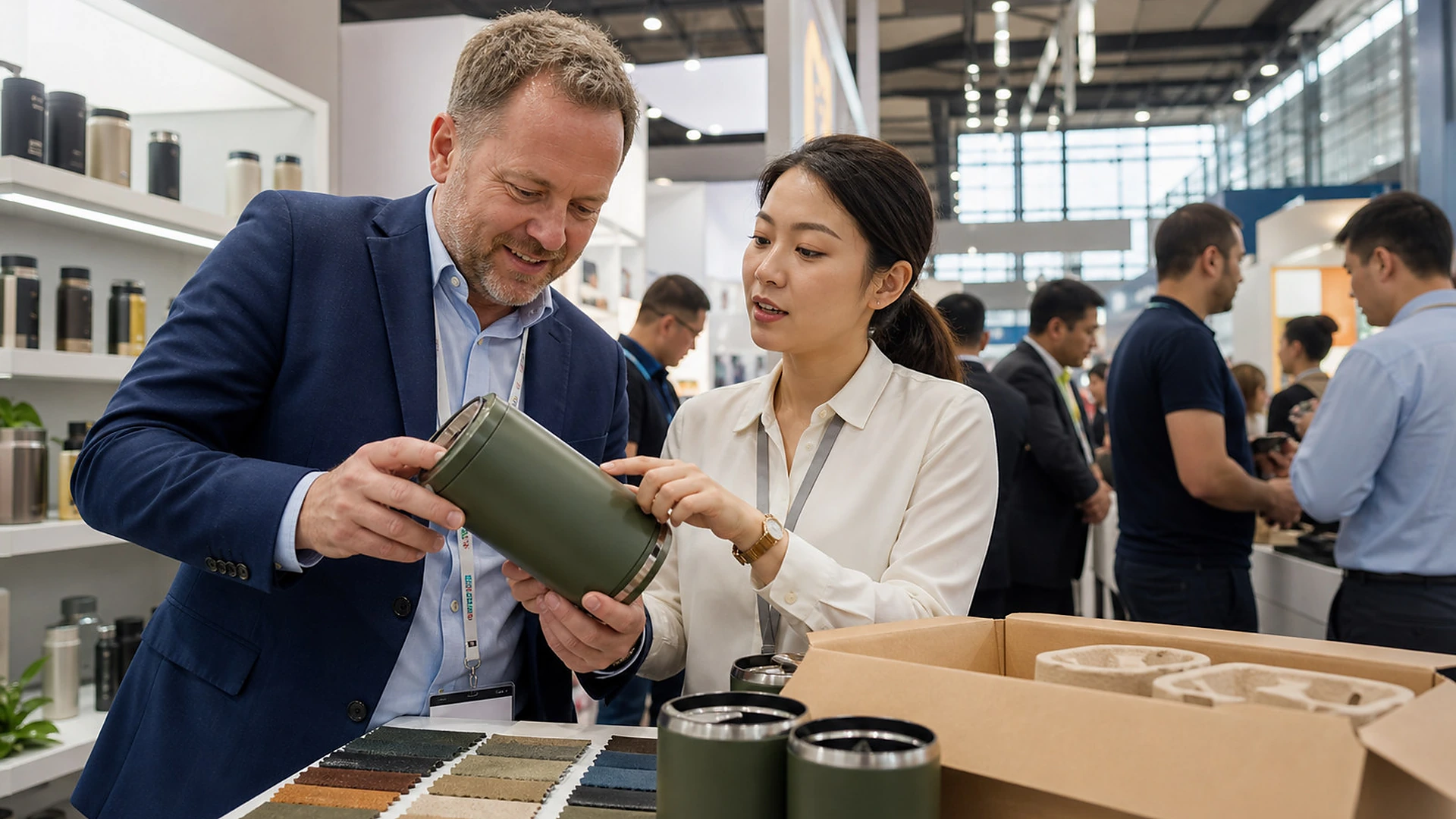
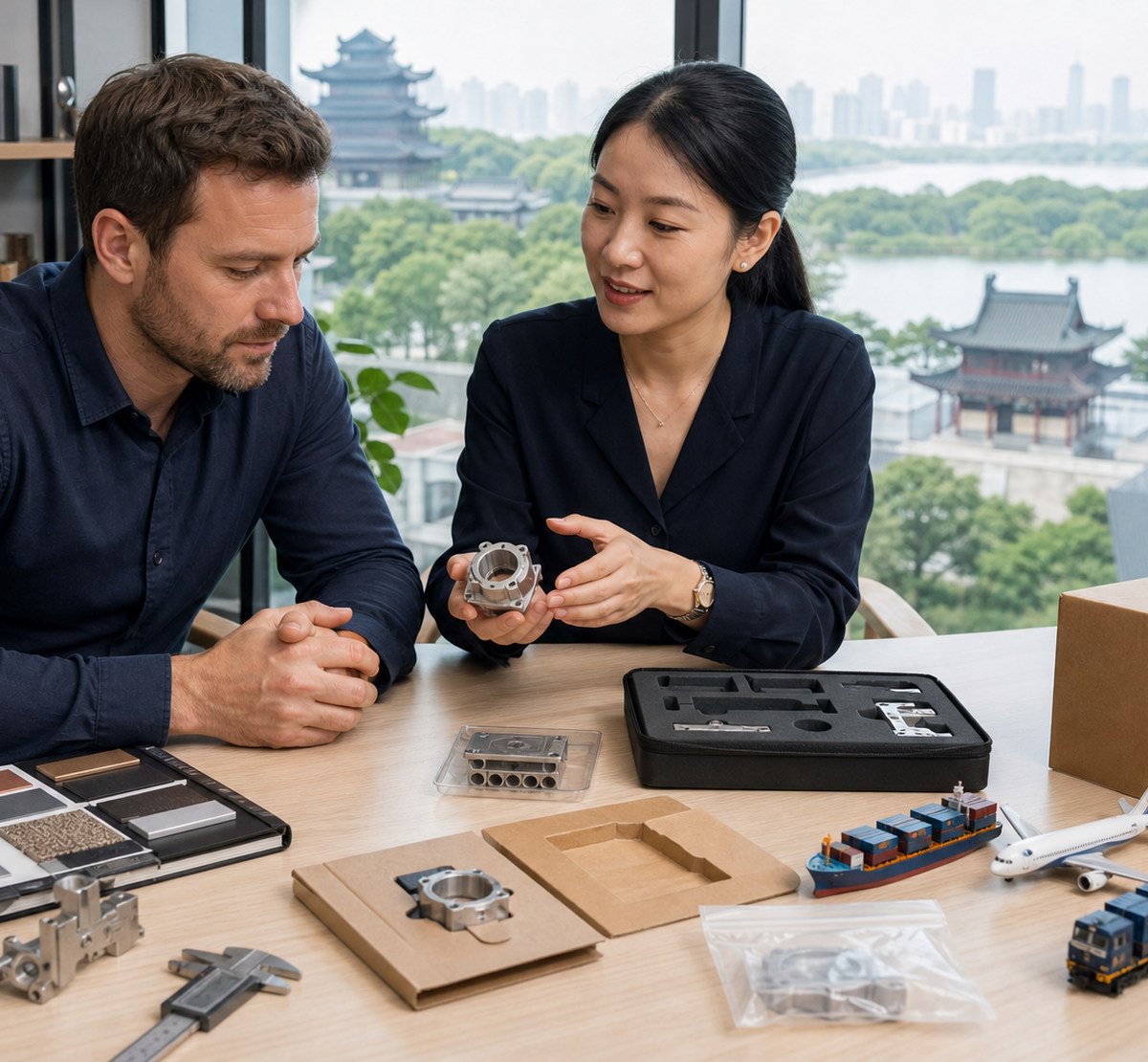
Additional realistic images have been added to support the page content while keeping the current LIFA layout and card styling.

Research notes
A practical view of the sourcing work behind this page.

Supplier examples
Details buyers can review before they compare supplier options.

Checklist view
China-side coordination evidence organized for clearer decisions.

Practical review
Operational details that help reduce avoidable sourcing mistakes.

Next steps
Preparation notes for production, packing, or shipment follow-up.
What is the LIFA Knowledge Center?
The LIFA Knowledge Center is a free educational platform about importing from China and international trade, published by LIFA Global Trade in Hangzhou. It is organized into fourteen knowledge categories covering sourcing methodology, Chinese business types, wholesale markets, trade agreements, Incoterms, logistics, customs compliance, payments, product certification, factory verification, manufacturing, trade terminology, country guides, and case studies.
Every guide is written to be one of the most useful resources available on its topic — comprehensive enough to act on, honest about risk, and updated when trade practice materially changes.
- Start from the knowledge map below and follow your actual sourcing question.
- Use the checklists to prepare clearer requirements before contacting suppliers or LIFA.
- Keep final supplier choice, payment, compliance, and import decisions under your control.

Fourteen categories. One complete trade education.
Every part of international trade with China has a home here. Start with the category that matches your question — each one grows with new comprehensive guides.
International Trade Basics
What international trade is, import vs export, global supply chains, procurement, and how buying from China actually works.
Enter category 02Chinese Business Types
Factories, trading companies, sourcing agents, buying offices, freight forwarders — who does what, and what each one costs you.
Enter category 03China Wholesale Markets
Canton Fair, Yiwu, Guangzhou, Shenzhen electronics, Foshan furniture, Keqiao textiles — how China's physical markets work.
Enter category 04Trade Agreements & Tariffs
RCEP, WTO rules, and how tariffs, duties, and trade frameworks shape what your imports really cost.
Enter category 05Incoterms Library
FOB, EXW, CIF, DDP, DAP, FCA and every other term — what each one covers, and which one protects you.
Enter category 06International Logistics
Sea, air, rail, and express freight, LCL vs FCL, containers, consolidation, insurance, and freight documentation.
Enter category 07Customs & Import Compliance
Customs clearance, HS codes, import documentation, and the compliance mistakes that hold shipments at the border.
Enter category 08International Payments
T/T, letters of credit, escrow, Trade Assurance, payment structures, currency risk, and fraud prevention.
Enter category 09Product Certification
CE, FCC, RoHS, REACH, ISO, UL — what each mark means, when it may apply, and how to verify requirements.
Enter category 10Factory Verification & Quality
Factory audits, supplier verification, AQL sampling, inspection methods, and reading quality reports correctly.
Enter category 11Manufacturing: OEM, ODM & Private Label
Custom manufacturing, tooling and molds, sampling, mass production, and how OEM, ODM, white label, and private label differ.
Enter category 12Tools, Templates & Trade Dictionary
Calculators, checklists, decision trees, templates, and plain-language definitions of trade terminology.
Enter category 13Country Import Guides
How buyers in the United States, Europe, the Middle East, Africa, and beyond import from China — market by market.
Enter category 14Sourcing Case Studies
Realistic educational scenarios: supplier evaluation, quality crises, logistics planning, and the lessons behind each decision.
Enter categoryFeatured guides buyers use most.
Choose the guide that matches your current sourcing question, then move to a service page only when you need direct China-side support.
How to Source Products from China
A practical starting point for defining your product, comparing sourcing routes, and requesting your first quotations.
Read the Guide
How to Verify Chinese Suppliers
Key checks to run on a new supplier before samples, deposits, or production begin.
Read the Guide
How to Compare Supplier Quotations
How to line up price, MOQ, lead time, and terms so quotations can be compared fairly.
Read the Guide
How to Request Samples from China
What to specify, expect, and check when requesting samples before a bulk order.
Read the Guide
How to Avoid Sourcing Scams
Warning signs to watch for and practical steps that reduce the risk of a bad-faith supplier.
Read the Guide
Supplier Verification Checklist
A working checklist for reviewing a supplier's registration, capability, and communication.
Read the Guide
Factory Visit Checklist
What to look for and ask about during an in-person or virtual factory visit.
Read the Guide
Pre-Shipment Inspection Guide
When a pre-shipment inspection is worth arranging, and what it can catch before goods ship.
Read the Guide
How to Read an Inspection Report
How to interpret defect classifications, sampling methods, and photos in an inspection report.
Read the Guide
Export Documentation Checklist
The export documents to confirm with your supplier before freight is booked.
Read the Guide
How to Compare Freight Quotes
What to check beyond price when comparing freight forwarder quotations.
Read the Guide
LCL vs FCL Shipping
How to decide between consolidated and full-container shipping for your cargo volume.
Read the Guide
FOB vs CIF vs DDP
What each shipping term actually covers, and which suits a first-time importer.
Read the Guide
Private Label Sourcing Guide
How private label sourcing works, from finding a willing supplier to approving branded packaging.
Read the Guide
China Sourcing Checklist
A step-by-step checklist covering an entire sourcing project from inquiry to shipment.
Read the Guide
How New Importers Can Start Sourcing from China
Practical advice for a first sourcing project, from the first inquiry to the first shipment.
Read the Guide
How E-commerce Sellers Can Find Better Products from China
How online sellers can compare suppliers and test products before committing to a bulk order.
Read the Guide
How to Reduce Risk When Buying from Chinese Suppliers
Practical steps that reduce risk at each stage, from verification through to shipment.
Read the Guide
What Is a Sourcing Agent
The quick answer: a sourcing agent helps an overseas buyer handle the China-side parts of a purchase that are hard to manage remotely, such as supplier communication, verification support, and shipping coordination, while the buyer keeps control of final decisions.
Read the Guide
Understanding MOQ
The quick answer: MOQ is the smallest quantity a supplier is willing to produce or sell per order, usually set based on their production efficiency and material purchasing, not an arbitrary number. It can sometimes be negotiated, but rarely eliminated entirely.
Read the Guide
Alibaba vs 1688 vs a Sourcing Agent
The quick answer: Alibaba is built for international buyers with English-language listings and export-ready suppliers; 1688 often has lower domestic pricing but is written for Chinese buyers and harder to navigate directly; a sourcing agent can help bridge either platform, or work with suppliers outside them, with added communication and verification support.
Read the Guide
Product Certification Basics
The quick answer: certification marks like CE, FCC, and RoHS each relate to different regulatory regions and product concerns, and the specific requirements for your product depend on its type, materials, and destination market. This guide is educational; it is not compliance advice for a specific product.
Read the Guide
Reading a Commercial Invoice & Packing List
The quick answer: a commercial invoice states what was sold and its declared value for customs purposes, while a packing list describes how the shipment is physically packed. Both should match each other and the actual goods before the shipment departs.
Read the Guide
China Trade Fairs Guide
The quick answer: trade fairs like the Canton Fair let buyers meet many suppliers in person, compare products directly, and start relationships that are followed up afterward. They complement, rather than replace, supplier verification and quotation comparison.
Read the Guide
Building Long-Term Supplier Relationships
The quick answer: long-term supplier relationships are usually built through consistent communication, realistic expectations on both sides, and a track record of orders that go smoothly, rather than through a single contract or agreement.
Read the Guide
Common Payment Methods and Terms Explained
The quick answer: most China sourcing orders use a split payment structure, commonly a deposit before production and a balance payment before or after shipment, most often transferred by bank wire (T/T). Exact terms are negotiated between buyer and supplier on each order.
Read the GuideBrowse by buyer question.
Use these topic routes when you know the type of decision you need to make next.
Where do I start?
Plan the full workflow from product brief and supplier search to samples, inspection, and shipment.
Read the GuideCan I trust this supplier?
Review business details, communication signals, production claims, and verification points before committing.
Read the GuideWhich quote is actually better?
Compare price, MOQ, material, lead time, payment terms, packaging, freight terms, and hidden assumptions.
Read the GuideHow should I handle samples?
Request samples with clear specs, compare them against requirements, and avoid approving vague changes.
Read the GuideWhat should be checked before shipping?
Understand inspection timing, report review, packing checks, freight comparison, and export documents.
Read the GuideHow do I prepare private label sourcing?
Organize branding, packaging, MOQ, sample approval, compliance questions, and launch timeline before bulk orders.
Read the GuideHow to use these guides before you contact suppliers.
Good sourcing questions save time. Use the guides to prepare clearer details before supplier outreach, sample approval, inspection planning, or shipping coordination.
01. Match the guide to your stage
New project? Start with the sourcing guide. Already have supplier options? Start with verification, quotation comparison, samples, or inspection.
Read the Guide02. Turn reading into a brief
Write down product specs, quantity, destination country, packaging needs, budget range, supplier links, and unanswered questions.
Use the Checklist03. Send LIFA the hard parts
If a guide exposes a supplier risk, unclear quotation, sample issue, inspection need, or shipping question, send it with your product details.
Start This RequestWhy buyers and search engines can trust this library.
The Knowledge Center is built to be cited — by importers making real decisions and by the search and AI systems they ask.
Comprehensive by design
No thin content. Each guide is written to be one of the best resources available online for its topic, with definitions, comparisons, and workflows.
Discuss This 02Honest about risk
Guides explain what can go wrong and what stays the buyer's responsibility — no inflated promises, no invented statistics.
Read More 03Evergreen and maintained
Content is written to stay useful, and updated when trade rules, market practice, or logistics conditions materially change.
Discuss This 04Written from the China side
Published by a working sourcing team in Hangzhou — the explanations come from supplier calls and shipments, not recycled articles.
Discuss ThisMove from guide reading to sourcing action.
When a guide points to a real decision, these service routes help you organize the China-side work.
Product Sourcing
Find product options and supplier sources that match your target market and quantity.
Explore This Service 02Supplier Verification
Review supplier information before committing to payment, samples, or production.
Explore This Service 03China Sourcing Checklist
Turn your reading into a practical sourcing brief before you request support.
Use the Checklist 04Request a Quote
Send your product details and get a practical next step from LIFA.
Start This RequestOpen to Transparent Buyer Feedback
LIFA Global Trade welcomes honest customer reviews on Trustpilot. Buyer feedback helps future visitors evaluate our China sourcing support, communication, and coordination services without invented public scores.
Your honest feedback helps us improve our sourcing support and helps other buyers make informed decisions.
Questions Buyers Ask
Use these answers to choose the right guide and understand where LIFA support begins.
Start with the China sourcing checklist or the guide on how to source products from China. Those pages explain product requirements, supplier search, quotation comparison, samples, inspection planning, and shipping preparation in order.
The guides are practical buyer education. They explain common sourcing steps and risks, then link to LIFA services when China-side coordination, supplier verification support, sample coordination, inspection coordination, or shipping preparation may help.
Yes. If you already have a supplier, start with supplier verification, quotation comparison, sample review, inspection reports, or export documentation guides instead of the beginner sourcing guide.
LIFA provides sourcing support, communication organization, supplier verification support, inspection coordination, and shipping preparation. Final supplier selection, payment decisions, product compliance, and import rules remain the buyer's responsibility.
Send product specifications, quantity, destination country, supplier links if available, and your question by request form, email at simon@lifasourcing.com, or WhatsApp at +86 173 7653 5037.
Yes. Message Simon with the topic or sourcing problem. Buyer questions help shape which practical guides LIFA adds next.
Need help with a real sourcing request?
Send your product details to LIFA and we will help you organize the next step from China.