



Bedding and bed sets
Sheet sets, duvet covers, pillowcases, quilts, mattress protectors, and hotel bedding need clear size charts, fabric composition, thread count or GSM where relevant, stitching details, and packaging references.
LIFA Global Trade helps buyers coordinate China-side sourcing for bedding, towels, curtains, table linens, cushions, throws, textile home accessories, private-label packaging, inspection planning, and shipping preparation.
Supplier search for Home Textiles covers 1688, trade fairs, and factory networks — not just marketplace ads.
Price, MOQ, materials, lead time, and terms aligned side-by-side before you decide.
Supplier and factory checks coordinated before your money moves — not after.
FOB, CIF, DDP, or EXW — Home Textiles shipments coordinated from factory to port.
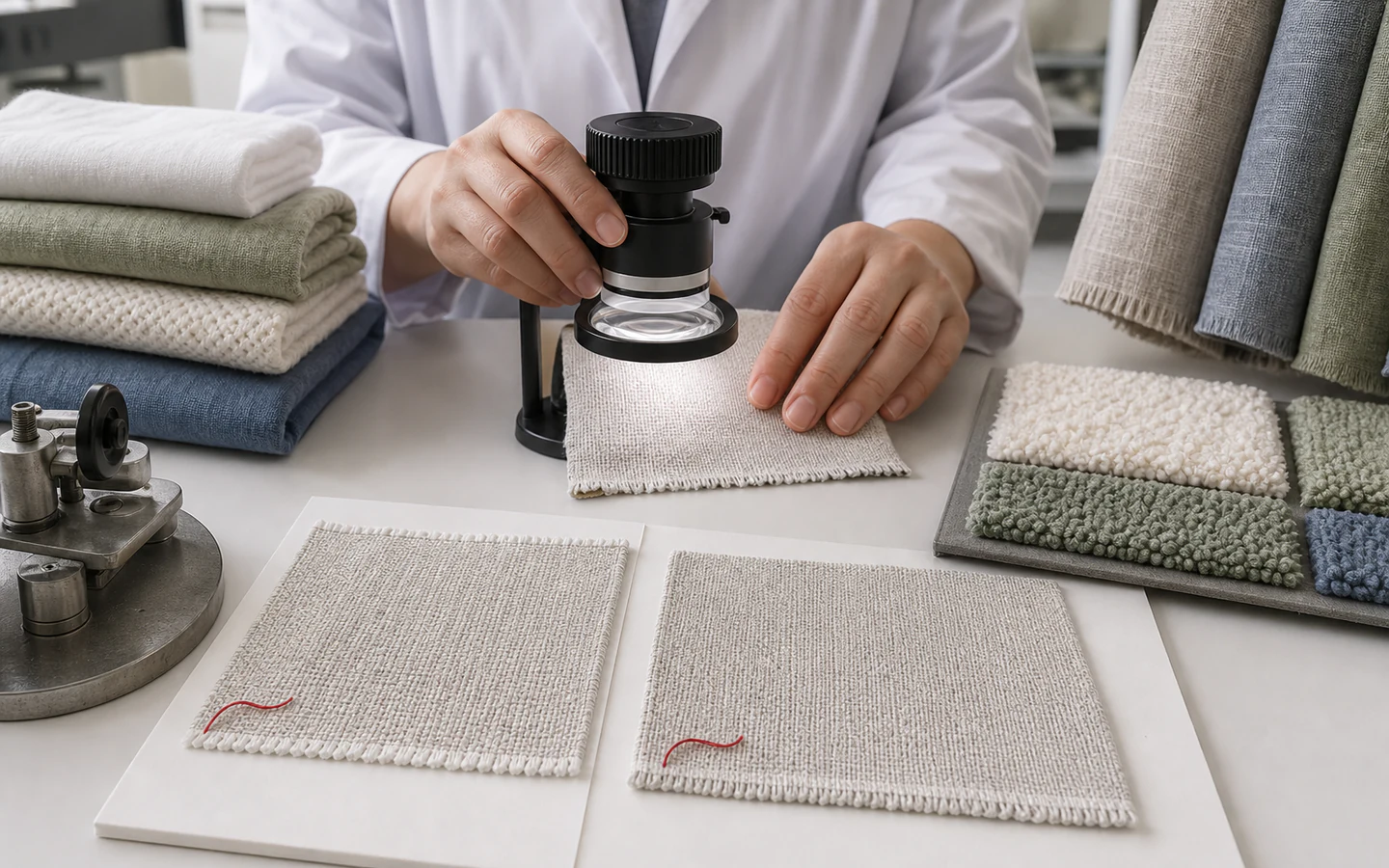
Additional realistic images have been added to support the page content while keeping the current LIFA layout and card styling.

A practical view of the sourcing work behind this page.

Details buyers can review before they compare supplier options.

China-side coordination evidence organized for clearer decisions.

Operational details that help reduce avoidable sourcing mistakes.

Preparation notes for production, packing, or shipment follow-up.
For bedding, towels, curtains, cushions, throws, and table linens, a buyer needs more than a low unit price. Fabric composition, GSM or thread count, stitching, color-lot consistency, finishing, shrinkage expectations, packaging, labeling, inspection criteria, and shipment volume all affect the real sourcing decision.
LIFA helps organize supplier communication and sourcing comparisons from Hangzhou so buyers can review clearer options before committing. Buyers remain responsible for supplier choice, payment, compliance, import rules, and final commercial decisions.
Home textiles often look simple in photos, but the sourcing risks change by product type, material, finish, and destination-market expectations.
Sheet sets, duvet covers, pillowcases, quilts, mattress protectors, and hotel bedding need clear size charts, fabric composition, thread count or GSM where relevant, stitching details, and packaging references.
Towels, bath mats, robes, and spa textiles need GSM clarity, absorbency expectations, pile quality, edge finishing, colorfastness requirements, shrinkage limits, and carton packing plans.
Curtains, cushions, throws, table linens, runners, and soft home accessories need fabric weight, color reference, texture, backing, sewing method, label details, and retail packaging coordination.
Retail sets and e-commerce textile products need barcode placement, care labels, insert cards, polybag or box details, carton marks, photography samples, and shipping-volume awareness.
Many textile problems begin when buyers ask for “good cotton bedding” or “premium towels” without measurable details. LIFA helps organize the practical questions suppliers need to answer before a buyer compares quotations.
Product photos, size chart, material target, fabric feel, color reference, packaging need, quantity, destination, and supplier links are organized into a sourcing brief.
Suppliers are asked about composition, GSM or thread count, MOQ, sample cost, lead time, label support, packaging method, inspection cooperation, and export preparation.
Buyer-facing notes compare specifications, pricing, sample gaps, packaging details, and open questions so decisions are not based on unit price alone.
When the buyer proceeds, LIFA can help coordinate sample notes, inspection scope, carton marks, packaging review, freight communication, and shipment readiness checks.
Small differences in yarn, weave, finishing, size tolerance, or packaging can create large differences in price and buyer satisfaction.
Ask for composition, weave, GSM or thread count, finishing, fabric width where relevant, washing effect, softness target, and whether the supplier can match a physical swatch.
Color reference, dye-lot control, colorfastness expectations, sample approval, and acceptable shade variation should be discussed before production.
Check seam strength, edge finishing, embroidery or printing quality, zipper or button details, loose threads, size tolerance, and care-label placement.
For home textiles, supplier quotations can vary because each factory assumes a different material, weight, stitch method, or package. A clearer request reduces confusion before samples and payment decisions.
Product photos, drawings, or reference links.
Material composition, GSM, thread count, or fabric swatch target.
Size chart, color references, patterns, trims, and label needs.
Quantity, target market, budget range, and sample expectations.
Packaging method, barcode, care label, carton mark, and insert-card needs.
Destination country, shipping timeline, and any supplier links already under review.
Home textile mistakes are often preventable when requirements, samples, inspection scope, and packaging are clarified before production and shipment.
Two towel quotes can look similar while using different GSM, yarn, edge finishing, packing, or carton quantity. LIFA helps organize clearer quote comparison notes.
Samples should be checked against fabric feel, size, color, stitching, labels, packaging, and buyer notes before production expectations are treated as final.
Bulky textile cartons can affect freight planning. Packing method, carton size, compression, moisture protection, and loading details should be reviewed early.
Inspection scope can include dimensions, appearance, fabric defects, stitching, loose threads, labels, color consistency, quantity, packaging, carton marks, and shipment readiness. LIFA can help coordinate inspection support, but buyers remain responsible for final acceptance decisions.
Size, fabric feel, color, print or embroidery, stitching, trims, labels, and sample reference are reviewed against the buyer's approved notes.
Polybag, box, label, barcode, insert, carton mark, moisture protection, and carton strength can be included in inspection coordination.
Carton count, loading preparation, export document communication, and freight handoff details are organized before final shipping steps.
LIFA links to its Trustpilot profile for transparency only. This page does not display fake ratings, fake review counts, or invented testimonials.
LIFA can help organize sourcing requests for bedding, towels, curtains, table linens, cushions, throws, blankets, fabric home accessories, hotel textiles, retail textile sets, and private-label home textile products.
Important specifications include fabric composition, GSM or thread count where relevant, size, color reference, weave, finishing, stitching, shrinkage expectations, colorfastness requirements, labeling, packaging method, and destination-market requirements.
Compare suppliers by fabric clarity, sample accuracy, stitching and finishing consistency, MOQ, production lead time, packaging ability, inspection cooperation, color-lot control, export experience, and willingness to document specifications clearly.
LIFA can help coordinate sample requests, supplier communication, swatch notes, packaging references, revision comments, and comparison details so buyers can review options before larger order decisions.
LIFA can help organize inspection coordination for size, appearance, stitching, fabric feel, color consistency, labeling, packaging, carton marks, quantity, and shipment readiness before final shipping decisions.
No. LIFA supports supplier communication, quotation comparison, document requests, sample coordination, inspection coordination, packaging review, and shipping preparation. Buyers keep responsibility for supplier choice, payment, compliance, import rules, and final commercial decisions.
LIFA can help organize supplier communication, sample notes, quotation comparison, inspection coordination, and shipping preparation from China.