Plan quality control before production beginsConnect findings to corrective action
We coordinate checkpoints around your product risks and approved requirements. Review findings during production and before shipment so problems can be addressed early.
Plan quality checks from the approved sample to shipment
LIFA turns your product specification and approved sample into a practical quality-control plan for production in China. We organize what to check, when to check it, which evidence to request and how to follow up with the supplier.
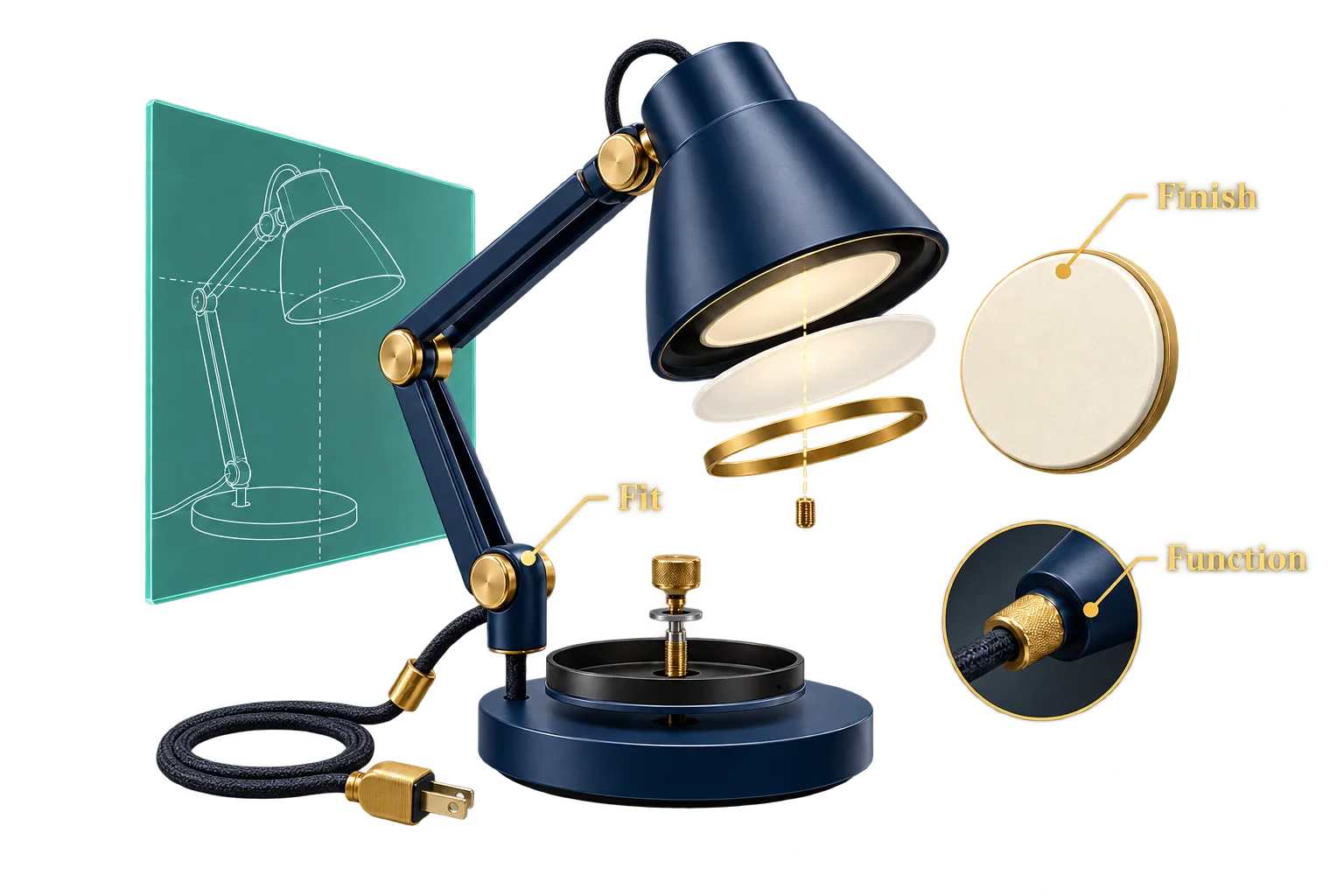
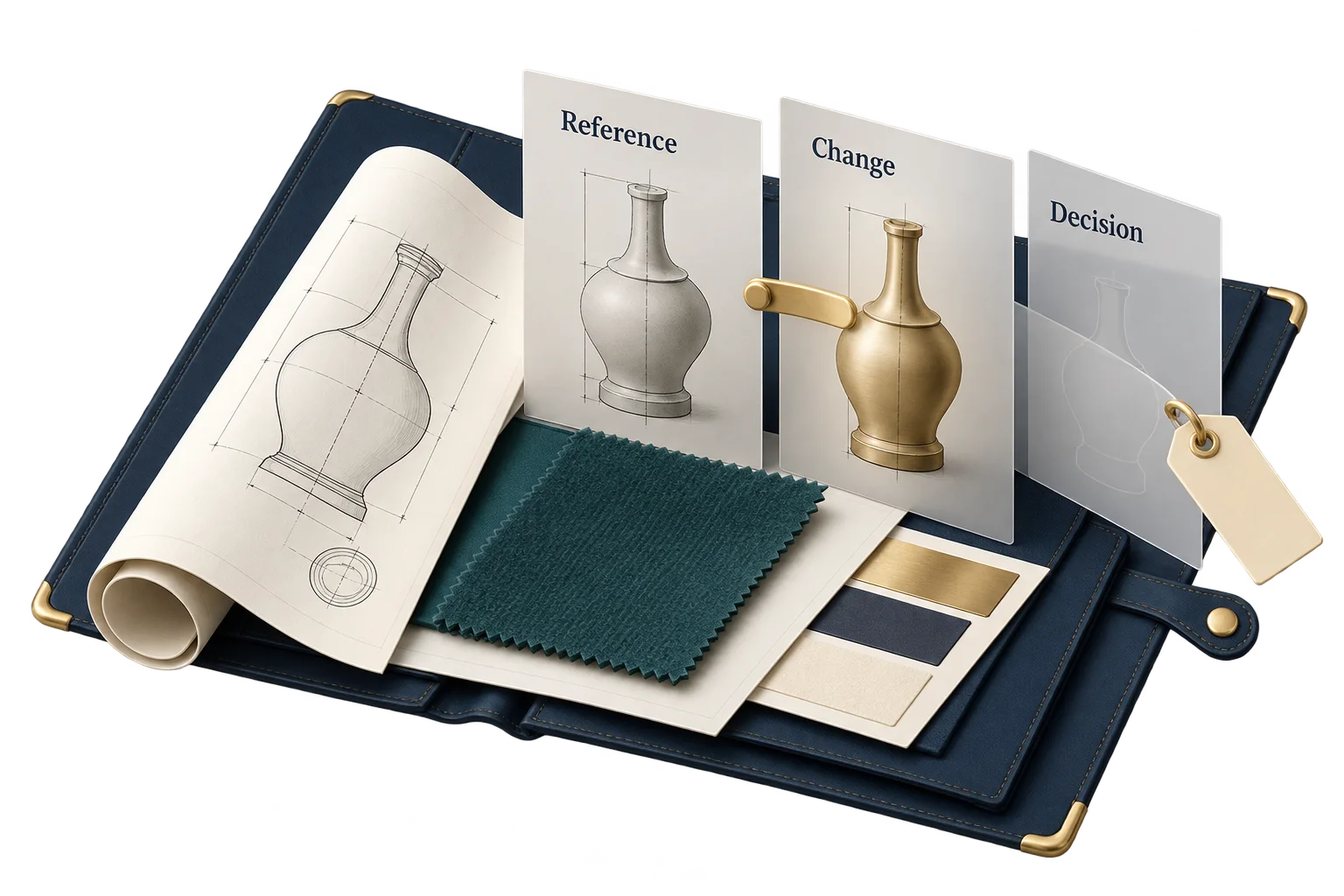
The scope can include materials, dimensions, finish, function, defect definitions, packaging and inspection preparation. The plan records the reference, method, timing and decision owner for each checkpoint. You approve the standards and next steps; product compliance and specialist testing remain separate requirements.
Buyer problem
Resolve unclear standards before production moves ahead
Quality checks are easier to use when the supplier knows the standard before making or packing the goods. Three gaps deserve attention early.
05
Specifications are too vague
State the material, dimensions, tolerances, color, finish, function, label and packing requirements for each variant. Name the reference file and allowed substitutions. Ask the supplier to disclose deviations before you approve the price or production plan.
06
Sample details are not written down
Photograph and measure the sample, record its materials and finish, and identify any accepted differences. Give the supplier a dated written reference. Preserve earlier revisions and the buyer’s approval when the standard changes.
07
Inspection is arranged too late
Plan checks while the supplier can still correct the work. Connect the production schedule to inspection access, packing and shipment deadlines. Keep findings linked to the sample, affected quantity, photographs, proposed correction and buyer decision.
How LifaSourcing.com helps
What LIFA organizes for your quality plan
A shared quality record keeps requirements, supplier replies and open actions together, so you can see which decisions still need attention.
08
Specification review
Compare drawings, product details, approved sample notes, supplier quotations and destination requirements. Record materials, dimensions, tolerances, variants, finish, labels, packaging and allowed substitutions in the current specification.
09
Defect criteria notes
Describe observable appearance, function, measurement, labeling, accessory, quantity and packing concerns. Agree defect definitions, severity and the evidence needed before the check begins.
10
Supplier QC follow-up
Ask the supplier specific questions about the requirement and request relevant evidence. Separate supplier statements from supported findings. Record the product, process, batch, proposed timing and owner of each unresolved issue.
11
Inspection handoff
Prepare the current specification, sample reference, defect definitions, inspection scope and reporting needs for the selected provider. The handoff records who can approve changes, further checks and release; coordination does not transfer that authority.
Risk reduction
Make the approved standard visible to the supplier
Retail-ready packaging, consistent finish, working accessories and dimensional fit need clear references. A brief order description can leave these expectations open to interpretation.
LIFA organizes the sample notes, files and check points the supplier needs to confirm. Photos and updates should answer named questions about the product, with unresolved differences returned to you for a decision.
Clarify materials, color, dimensions, function, and finish before production moves too far.
Request supplier photos and updates that match the buyer's main risk points.
Connect QC notes with inspection coordination when independent checking is needed.
Service in practice
Place checks where they can inform the next production step
Choose the check stage around the product’s risks and the factory’s actual sequence, then agree what evidence will be available.
Coordinate checks with the factory’s actual schedule
LIFA follows up on production status and arranges the agreed quality checkpoints around available materials, work in progress and packing readiness. Findings are organized for buyer review before the next commitment.
Confirm production and access status before setting a checkpoint date.
Keep photos, measurements and quantities tied to the product and check scope.
Agree the correction and recheck scope with the supplier when follow-up is needed.
Buyer preparation
What buyers should prepare
Start with the current product reference, the quality concerns and the production schedule. Missing information can be listed for follow-up.
Identify unacceptable issues such as scratches, color mismatch, weak stitching, poor function, missing parts or damaged cartons. Define the requirement, tolerance, defect class, check method and decision authority. Preserve the original finding when a correction is later proposed.
14
Packaging details
Provide carton marks, inner and retail packing, barcode files, instructions, warnings and destination requirements. Identify each file’s revision and the sample it represents. Route changes through written approval before production or a repeat order.
15
Timeline and supplier link
Share supplier contacts, production status, expected completion date, inspection target, shipping plan, and decision deadlines.
Build your product-specific quality plan
Use the blank CSV to connect each requirement to its reference, check method, production stage, evidence and next decision.
Move from a defined product standard to scheduled checks, supplier follow-up and a documented handoff.
01
QC brief review
LifaSourcing.com reviews product details, approved sample notes, supplier links, quotation terms, and the buyer's main quality concerns.
02
Specification alignment
Identify missing materials, sizes, colors, tolerances, functions, packing and label references. Confirm destination requirements and allowed substitutions. Use one dated specification and preserve the approval history for changes.
03
Checkpoint planning
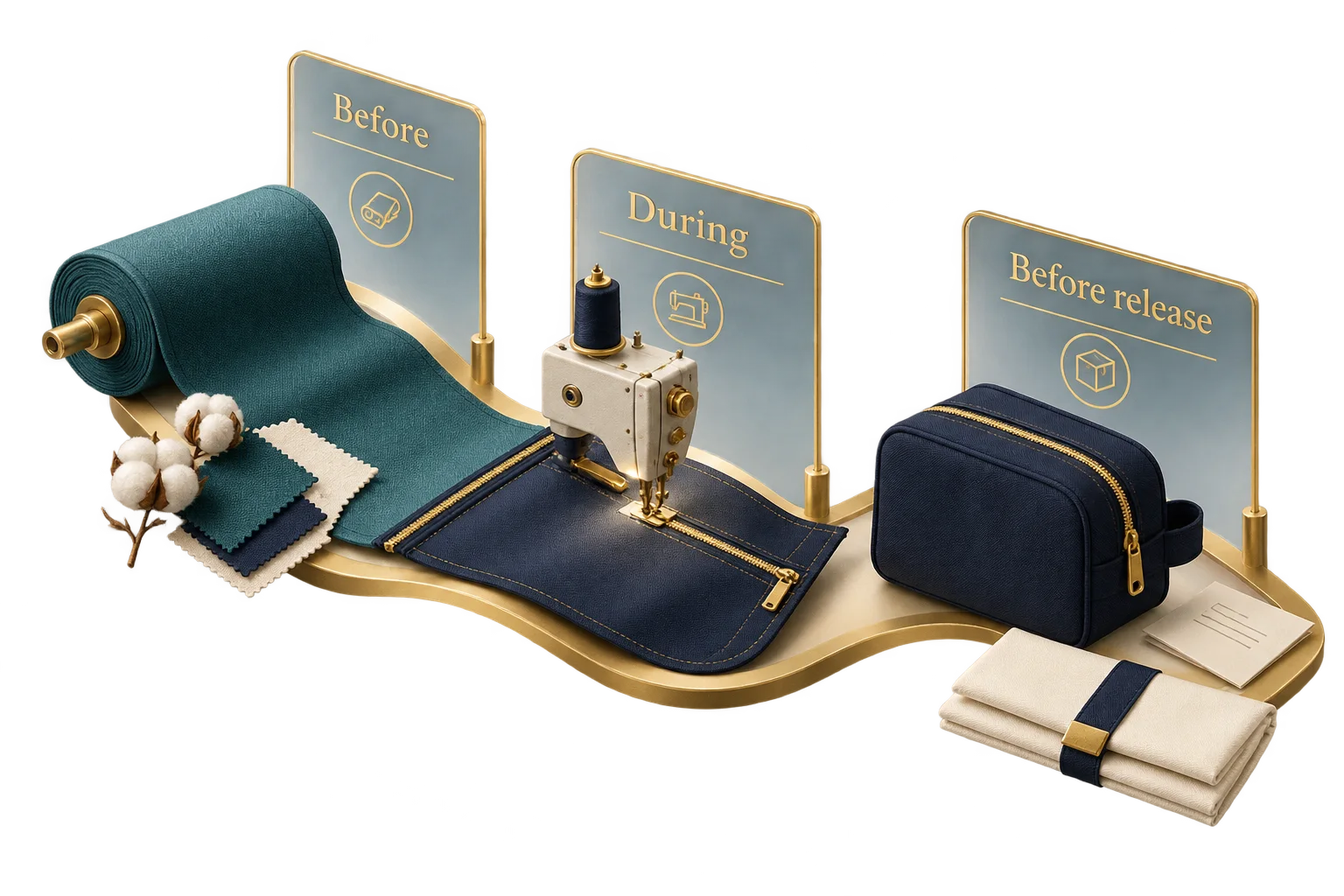
Choose the relevant sample, material, in-process, packing and pre-shipment checkpoints. Record the model or batch, method, defect criteria, timing, evidence owner and buyer approval needed at each stage.
04
Supplier follow-up
Request updates that answer the agreed check points. Record supplier replies, photographs, measurements and open exceptions. Follow up with an owner and date when a correction or further check is needed.
05
Shipping readiness handoff
Bring the current findings, remaining exceptions, packaging status and inspection requirements together before shipment planning. The buyer decides whether to proceed, request another check or hold the next step.
Identify the defect and the item shown in the evidence.
Verification decision brief
Show exactly what was found
A useful defect record connects the observation to the product and requirement. General comments such as “quality looks poor” leave too much unclear.
01
Identify the item
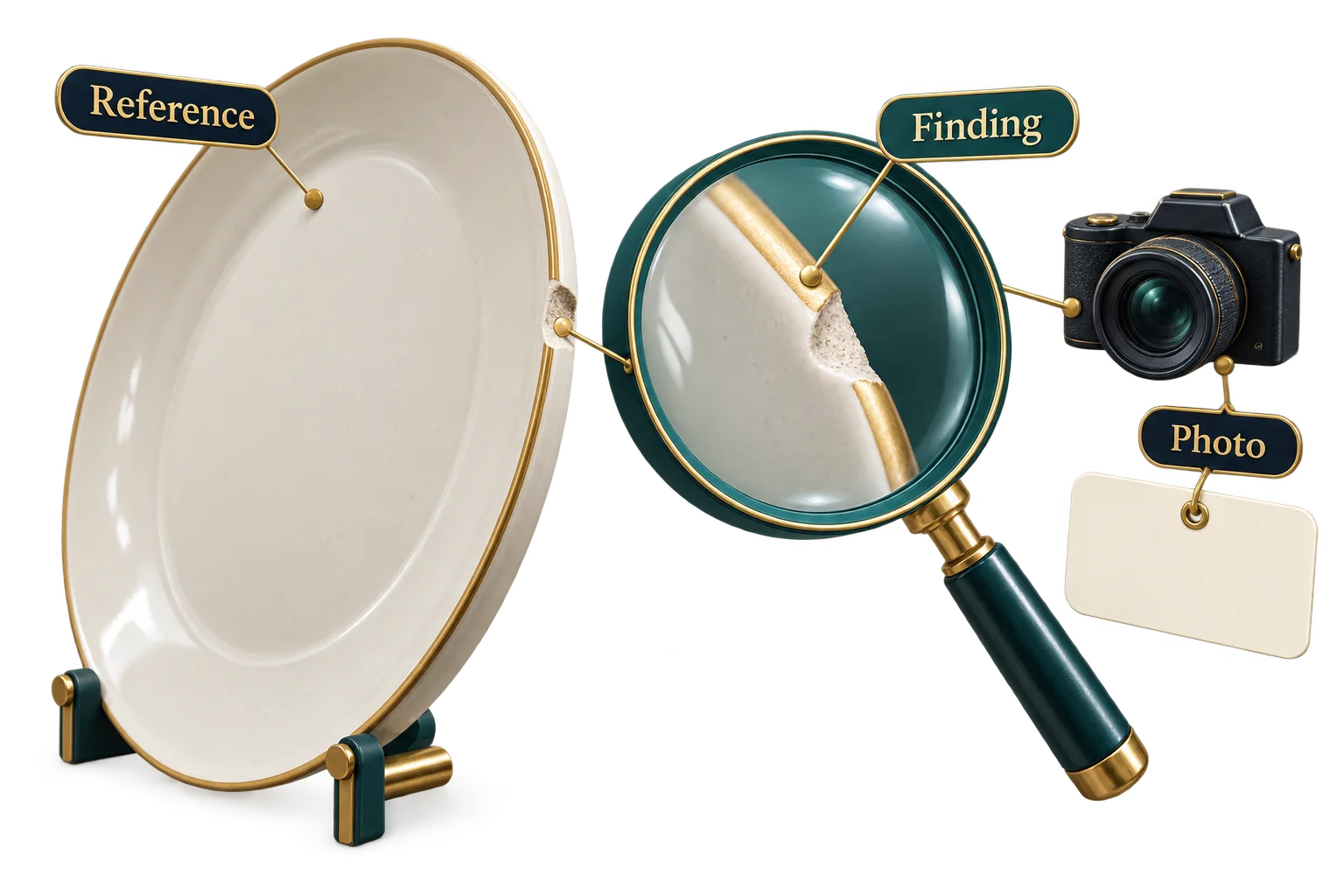
Record the model, batch or sample, reference revision, location and date. Use a photograph or measurement that makes the affected feature identifiable.
02
Describe the difference
State the requirement, observed difference, method and defect category. Distinguish an observed quantity from an estimate and a sampled result from a full count.
03
Set the follow-up
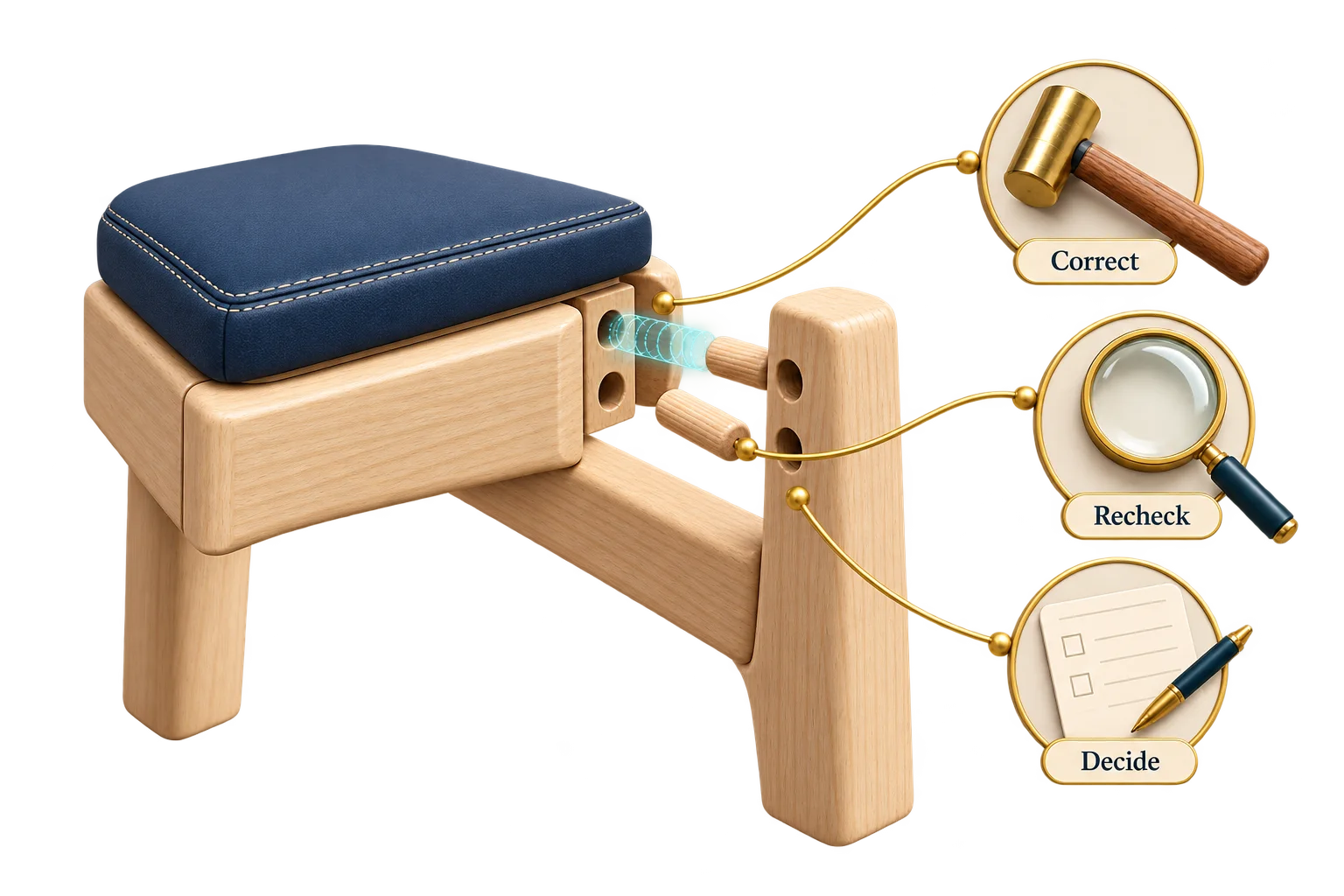
Name the correction request, evidence needed, owner and target date. The buyer decides whether to correct, recheck, accept a stated exception or hold the next step.
A correction request stays open until the follow-up is reviewed.
Verification decision brief
Track a correction through the recheck and decision
“Fixed” is a supplier update. The quality record still needs the agreed follow-up evidence before the issue can be closed.
01
Keep the original finding
Preserve the requirement, original photograph or measurement, affected model or batch and observed difference. Do not overwrite that record with a later supplier response.
02
Request the correction evidence
Name the proposed change, responsible person and completion date. Agree whether photographs, a new sample, measurements or reinspection can answer the original question.
03
Record the buyer’s decision
Link the follow-up to the original finding. Record whether the buyer accepts the result, requests another check or holds the order, and carry that decision into inspection, packing and release instructions.
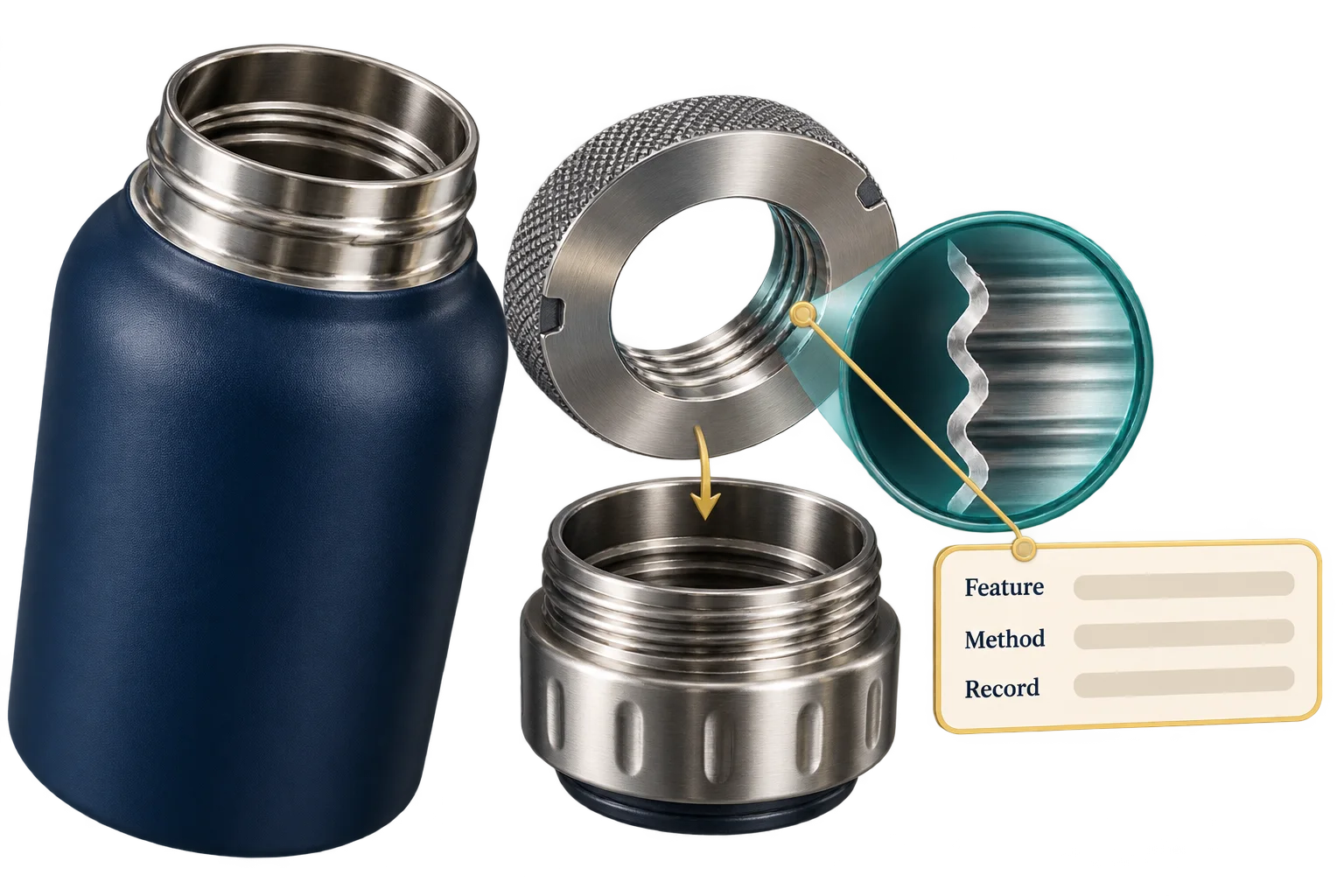
Record the feature, method and observed result together.Keep earlier revisions alongside the accepted requirement.
Quality control record
Keep the requirement, finding and decision in one record
The record should identify the model, batch, specification revision, sample, material and finish requirements, critical function, packing criteria, production stage and inspection timing. For each check, record the method, result, evidence, correction owner and next decision. Flag incomplete checks instead of treating missing information as a pass.
01Risk points
Place checks where defects can still be correctedIdentify incoming material, first article, in-process, pre-shipment, loading, and packaging checks according to the product and the cost of a late correction.
02Acceptance criteria
Write measurable pass conditionsDefine dimensions, tolerances, appearance limits, functional tests, quantity checks, defect categories, and sampling rules where they are appropriate.
03Evidence trail
Keep findings and exceptions togetherStore photos, measurements, reports, supplier explanations, corrective actions, and approved deviations against the relevant order and specification revision.
04Commercial gate
Connect quality status to the next commitmentState which result permits production, balance payment, packing, shipment booking, or release, and who has authority to approve that step.
Buyer decision notes
Agree responsibilities before quality work starts
A clear scope names the work LIFA will coordinate, the evidence to collect and the decisions that stay with you.
Practical answer
Who approves the standards and next steps?
You approve the product standard, changes, acceptance criteria and next production, payment or shipment step. LIFA organizes supplier communication and findings for that decision. Record assumptions, conflicting evidence and open exceptions; use a qualified specialist where testing, customs, legal, tax or regulatory judgment is required.
Buyer inputs
What must the buyer provide before work can begin?
Provide the specification or checklist, supplier and factory details, purchase order, quantity and batch status, sample reference, defect definitions, tolerances and destination requirements. Add the production schedule, authorized contacts and written rules for pass, hold, correction, recheck and release.
Before production runs
Guides and tools for quality control
Set the standard in writing before the line starts, then check against it on agreed sampling.
Clear answers for buyers who want to reduce quality confusion before shipment.
LifaSourcing.com helps organize product specifications, approved sample notes, defect criteria, QC checkpoints, supplier follow-up, inspection timing, packaging review, and shipping readiness communication for China sourcing orders.
No. Quality control coordination helps reduce confusion and catch issues earlier, but it does not remove every product-quality risk. Buyers remain responsible for final product standards, supplier decisions, payments, compliance, and import requirements.
Quality control planning should start before the order is confirmed, ideally while specifications, samples, packaging, labeling, and inspection expectations are still being discussed with the supplier.
QC coordination prepares the standards and checkpoints. Inspection coordination helps organize the timing, inspection request, supplier access, photos, and review steps when a pre-shipment or production inspection is needed.
Buyers should prepare product specifications, approved sample photos or notes, target quantity, packaging and labeling requirements, defect concerns, supplier links, production timeline, and destination-market requirements.
Send your product details, supplier link if available, sample notes, defect concerns, packaging requirements, and timeline through the request form, email simon@lifasourcing.com, or contact WhatsApp +86 173 7653 5037.
Yes, but record the change before the supplier acts on it. Identify the affected model or batch, specification revision, cost and timing effect, sample or test needed, and buyer approval. Preserve the earlier requirement so a later inspection can establish which version applies.
No. A quality plan organizes requirements, checkpoints and responsibilities. Checks of appearance, dimensions or accessible function may not establish material composition, safety or regulated performance. Define which questions require a competent laboratory or specialist and arrange that scope separately.
Ready to organize quality before shipment?
Plan the quality checks for your next order
Send your product specification, sample notes, supplier details, quality concerns and production timeline. LIFA will help define the coordination scope and the information needed to begin.
01
SendProduct specification, approved sample notes, order status, defect concerns, and target date.
02
OrganizeEvidence requests, inspection scope, supplier corrections, documents, and open exceptions.
03
ApproveAcceptance criteria, correction result, payment or production step, and shipment release.