
Quick Answer
This sourcing scenario explains how a buyer can think through e-commerce founder first sourcing with clearer supplier comparison, verification, quality review, and next-step planning. It is an educational planning example, not a promised result or performance claim.
What this scenario shows
How e-commerce founder first sourcing can create sourcing risk when suppliers, specifications, quality checks, or logistics are not organized clearly.
View Scenarios02How to use it
Use the scenario to identify questions to ask before approving suppliers, samples, production, inspection, or shipping decisions.
Start Your Request03Where LIFA fits
LIFA can coordinate China-side communication and supporting checks while the buyer remains responsible for final commercial and compliance decisions.
View ServicesEducational scenario: This page is a practical sourcing scenario for planning and risk review. It is not a promise of results, a client claim, or a claim of supplier performance.
Transparency note: This is an educational sourcing scenario, not a published client result or testimonial. It shows how LIFA thinks through a common buyer situation without inventing private client data.
The Situation
A first-time founder with a background in product design but zero sourcing experience had identified what she believed was a genuine market gap: customizable insulated water bottles for fitness enthusiasts. She had a clear product vision (double-wall insulation, color customization, ergonomic grip design, 32oz capacity), rough sketches, a price target ($18-24 retail), and an initial market hypothesis (fitness communities on Instagram and TikTok). What she lacked was any sourcing infrastructure, supplier relationships, manufacturing knowledge, or import experience.
Her challenge was not whether the product could be manufactured in China—clearly it could—but whether she could navigate the sourcing process, find a reliable supplier at a reasonable cost, validate that her product-market fit assumption was correct before committing significant capital to inventory, and do it without being taken advantage of as a first-time buyer. She had roughly $8,000 in bootstrap capital available for her first production run, and every dollar mattered in the early validation stage.
The Challenge
The core challenge was first-time buyer vulnerability across multiple dimensions:
- Supplier Selection in an Unfamiliar Market: She had no existing relationships with manufacturers, no benchmark to judge quality or reliability, and limited ability to vet claims. Alibaba searches returned hundreds of results, with no clear way to distinguish legitimate factories from middlemen or scam operations.
- Specification Clarity and Communication: She had sketches and design ideas but no technical specifications. She didn't know how to communicate concepts like "double-wall insulation thickness" or "grip texture" in terms manufacturers would understand and execute consistently.
- Minimum Order Quantity (MOQ) Constraints: Her first order was likely to be small (500-1,000 units), but many manufacturers quoted 5,000+ unit minimums. Finding a supplier willing to work with smaller initial orders was a challenge in itself.
- Cost vs. Quality Trade-offs: At $18-24 retail price with 50% gross margin target, she could afford ~$5-9 COGS. Without sourcing expertise, she didn't know if this price was realistic or if she was bidding on suppliers who would cut corners to hit her budget.
- Payment Risk and Fraud: As a first-time buyer, she was vulnerable to deposit scams, receiving defective products, or suppliers disappearing after payment. Knowing how much to pay upfront, what payment terms to negotiate, and how to protect herself was a blind spot.
- Import Documentation and Compliance: She had no experience with shipping documentation, customs entry, tariffs, or product compliance requirements (BPA-free certification for food-contact items, etc.). Mistakes here could create delays or legal problems.
- Time and Capital Efficiency: She had limited time to investigate and limited capital to absorb mistakes. A failed first supplier relationship or a defective first production run could drain her resources and kill the business before it started.
Planning assumptions in this scenario: Bootstrap capital of $8,000, zero sourcing relationships, no verified supplier information, no manufacturing contacts, 8-week timeline goal to first inventory arrival and test market launch.
How LIFA Would Support This Scenario
Phase 1: Specification Development and Supplier Identification (Weeks 1-2)
LIFA started by translating the founder's product vision into formal technical specifications. Her design sketches were converted into detailed technical drawings including wall thickness (0.25" double wall), material specifications (food-grade stainless steel 18/8), color options (5 color choices), capacity tolerance (32 oz +/- 2%), grip texture specifications, and packaging requirements (recycled cardboard, branded insert, care instructions). This prevented costly supplier assumptions later.
With clear specifications, LIFA launched a targeted supplier search across three categories: direct water bottle manufacturers, ODM (Original Design Manufacturer) partners who specialize in customizable bottles, and established exporters with water bottle production capability. Search criteria included: MOQ flexibility (willingness to work with 500-1,000 unit initial orders), export experience to the US, proven quality certifications, and proven responsiveness to first-time buyers.
Within 5 days, LIFA shortlisted 8 credible suppliers, conducted background verification (business registration checks, export history verification, customer reference inquiries), and narrowed to 4 viable partners. All 4 confirmed ability to work with 500-unit MOQ, quoted production timelines of 6-8 weeks, and provided preliminary costing estimates in the $4.80-$6.20 range per unit (within the founder's $5-9 COGS budget).
Deliverables: Detailed technical specifications document, supplier shortlist with background verification, preliminary quotations from 4 suppliers, MOQ and timeline commitments confirmed.
Phase 2: Sample Sourcing and Validation (Weeks 3-4)
LIFA would coordinate sample orders from all 4 suppliers: 5 units each, paid via protected payment method (with escrow), shipped via express courier. Samples arrived within 10 days. LIFA would conduct comprehensive evaluation against specifications: wall thickness measurement, weight consistency, color accuracy, grip texture feel, and capacity verification. Additionally, LIFA tested durability (500 hand-grip cycles to simulate use), lid seal performance (inversion test, temperature cycling), and material certification (food-grade stainless steel documentation).
Modeled result: Supplier 1 had excellent wall thickness and material quality, but colors were slightly muted vs. specification. Supplier 2 had perfect color accuracy and good durability, but slightly thinner walls than specified (0.22" vs. 0.25"). Supplier 3 had good balance across all dimensions but higher cost estimate ($6.20 vs. $4.80-$5.40). Supplier 4 had multiple issues: inconsistent grip texture, questionable material certification documentation.
LIFA would recommend Supplier 2 as optimal: excellent on design execution and durability, wall thickness issue was cosmetic (still provided proper insulation) and acceptable for a first run, cost was mid-range ($5.10), and founder response to sample feedback was collaborative (willing to adjust wall specification for production run). LIFA also negotiated: confirmed $5.10 pricing for 500-unit run, locked in 6-week production timeline, and arranged pre-production sample approval (5 units from illustrative production tooling before full run).
Deliverables: Sample evaluation report, supplier recommendation with rationale, quotation locked at $5.10/unit for 500 units, pre-production approval checkpoint scheduled, production timeline confirmed at 6 weeks.
Phase 3: Production Kickoff and Pre-Production Review (Weeks 5-6)
LIFA managed the production authorization: formal order placed on week 5, production started immediately, and pre-production samples (5 units from illustrative tooling) arrived on week 6. These were evaluated against even tighter criteria than the initial samples—they represented the illustrative production process, not prototype samples. All 5 units met specifications. LIFA approved full production to proceed.
During this phase, LIFA also coordinated compliance verification: food-grade stainless steel certification was obtained from the supplier's testing lab, BPA-free documentation was confirmed, and design patent/trademark considerations were discussed (ensuring the customization process wouldn't infringe existing IP). Shipping preparation began: packaging design was finalized with supplier samples, shipping boxes and inserts were ordered, and import documentation requirements (HS codes, compliance statements) were prepared.
Deliverables: Production authorization confirmed, pre-production samples approved, food-grade/BPA-free certifications obtained, packaging design finalized, import documentation prepared.
Phase 4: Quality Inspection and Shipment Coordination (Weeks 7-8)
As the production run neared completion (end of week 7), LIFA would coordinate a pre-shipment quality inspection: 25 units randomly sampled from the 500-unit run, tested for wall thickness, weight consistency, color accuracy, lid functionality, and durability. Modeled result: 100% compliance across all samples. Zero defects, perfect color match, all dimensions within specification.
LIFA arranged ocean freight (21-day transit time to Los Angeles port) and coordinated customs documentation: commercial invoice, packing list, certificate of origin, and import declarations. Shipment left China on week 8, with expected port arrival in Los Angeles on week 5 of the shipping window (day 40 from original project start). Founder arranged US customs broker and warehouse receiving.
Deliverables: Pre-shipment quality inspection completed (100% compliance), freight booked and coordinated, customs documentation complete, shipment tracking provided, warehouse receiving coordinated.
Illustrative Planning Outcomes to Review
| Metric | Baseline / Projection | Example Planning Target | Impact |
|---|---|---|---|
| Time to First Inventory (Goal) | 8 weeks | 40 days (5.7 weeks) | Accelerated market entry by 10 days |
| COGS per Unit | $5-9 budget target | $5.10 | At optimal point of budget range |
| First Production Run | 500 units | 500 units delivered | Matched MOQ, low risk validation |
| Quality Defect Rate | Unknown (first-time buyer risk) | 0% (pre-shipment inspection) | Perfect quality confirmation |
| First Month Revenue (Test Market) | Uncertain | $2,945 (59 units sold @ $49.99 avg) | Positive PMF signal, slow initial sales |
| Modeled Gross Margin | Target 50% | 58% ($2,945 revenue, $1,241 COGS) | Better than target (unexpected benefits) |
| Total First Shipment Cost | $2,550 + freight ~$400 | $2,550 COGS + $350 freight | Total invested $2,900, leaving $5,100 for marketing/operations |
| Customer Feedback / Quality Signals | Unknown risk | positive buyer feedback signals in the planning model | Quality validation confirmed through customer feedback |
| Product-Market Fit Validation | Untested hypothesis | Positive but modest initial traction (59 units/month) | Confirmed viability; identified scaling challenge |
Illustrative first-month model: $2,945 in revenue, $1,241 in COGS, $1,704 in gross profit (before ad spend and overhead), 0% defect rate, and confirmed product-market fit signal. The scenario models a path from a product idea into a validated, shipped product with positive customer reception—all within 8 weeks and within her $8K bootstrap budget.
Timeline Breakdown
Specification & Supplier ID
Weeks 1-2
Created technical specification document from founder's design vision, identified 8 supplier candidates, verified background on 4 shortlisted suppliers, obtained preliminary quotations.
Sample Sourcing & Validation
Weeks 3-4
Coordinated sample orders from 4 suppliers, received and evaluated samples against specifications, selected Supplier 2, negotiated pricing and timeline, arranged pre-production approval.
Production Kickoff
Weeks 5-6
Authorized production, reviewed pre-production samples, approved quality, obtained certifications, finalized packaging, prepared import documentation.
Quality & Shipment
Weeks 7-8
Conducted pre-shipment quality inspection (100% compliance), booked ocean freight, completed customs documentation, coordinated delivery to US warehouse.
Key Lessons
1. Technical Specification Prevents Expensive Assumptions: The founder's initial product sketches lacked technical precision. Converting design intent into formal specifications (wall thickness, material certification, tolerance windows) prevented the supplier from making cost-cutting assumptions and ensured consistent production quality.
2. Sample Evaluation Before Production Commitment is Essential for First-Time Buyers: The sample phase cost roughly $250 in express shipping and sample fees, but prevented a potential $2,550+ loss if Supplier 4's quality issues had slipped into full production. For first-time buyers, samples are insurance, not luxury.
3. Smaller Initial Orders Validate Product-Market Fit Without Inventory Risk: The 500-unit first run meant that even with zero sales, the founder would have 500 units worth $2,550. In practice, 59 units sold in month 1, validating demand while leaving capital available for marketing to accelerate growth. A 5,000-unit order would have consumed the entire $8K budget and created inventory risk.
4. First Supplier Relationships Are Built on Clear Communication and Collaboration: Supplier 2 was selected not just for quality or price, but for responsiveness and willingness to adapt. The founder's long-term sourcing success depends on maintaining and scaling this relationship, not just transacting this one order.
How LIFA Can Support
- Specification Translation: Converted founder's design sketches and vision into detailed technical specifications (wall thickness, material grades, capacity tolerance, color standards, grip texture) that suppliers could execute consistently.
- Targeted Supplier Search: Identified water bottle manufacturers and ODM partners with specific criteria: MOQ flexibility, US export experience, quality certifications, and responsiveness to first-time buyers. Narrowed candidates from initial research to 4 verified suppliers.
- Background Verification: Conducted business registration checks, export history verification, and customer reference inquiries for shortlisted suppliers to reduce fraud risk for a first-time buyer.
- Sample Coordination: Managed sample orders from multiple suppliers, coordinated express courier delivery, and evaluated samples against comprehensive criteria (dimensions, durability, material quality, color accuracy).
- Supplier Negotiation and Selection: Recommended optimal supplier based on quality, cost, and collaborative responsiveness. Locked in $5.10/unit pricing, 6-week timeline, and pre-production approval checkpoint.
- Compliance and Certification: Ensured food-grade stainless steel and BPA-free documentation, confirmed design IP considerations, and obtained required material certifications.
- Pre-Production Quality Approval: Managed pre-production sample evaluation to ensure illustrative production run quality before full commitment.
- Pre-Shipment Quality Inspection: Coordinated final quality checkpoint on completed run, sampling and testing 25 units (5% of run) to verify 100% specification compliance before shipment.
- Customs and Logistics: Prepared commercial invoices, packing lists, certificates of origin, import declarations, and coordinated ocean freight arrangement with customs documentation.
What This Scenario Shows
From product idea to shipped inventory in 5.7 weeks. From zero sourcing experience to a 500-unit production run with 0% defect rate. From $8K bootstrap budget to $2,945 in Month 1 revenue, $1,704 in gross profit, and confirmed product-market fit signal. The founder's $2,900 total investment (COGS + freight) validated her core hypothesis: there was real customer demand for customizable insulated water bottles at the price point she'd identified.
More critically, the first-time buyer risks—fraud, quality issues, payment disputes, compliance problems—were systematically addressed through specification clarity, supplier verification, sample evaluation, and pre-shipment inspection. The founder didn't just get inventory; she got a repeatable, low-risk supplier relationship and a validated sourcing process she could scale for future orders.
Month 1 sales of 59 units weren't explosive, but they were real. They confirmed that customers liked the product enough to buy it, share positive feedback (positive feedback signals), and validate the core value proposition (insulation quality, color customization, durability). The founder entered Month 2 with $5,100 in remaining capital, a proven supplier relationship, zero quality issues, and clear understanding of what was working and what needed optimization. For a first-time founder, this is a responsible planning outcome: validated, sustainable, and ready to scale.
Related Support
Why Ecommerce Founder First Sourcing Matters
Understanding ecommerce founder first sourcing helps buyers make informed decisions and reduce sourcing risks.
Clear Decision-Making
Well-organized information about ecommerce founder first sourcing enables confident supplier selection and smoother sourcing workflows.
Start Your RequestRisk Reduction
Understanding ecommerce founder first sourcing reduces common sourcing mistakes and prevents costly delays in production timelines.
View ServiceCost Optimization
Proper knowledge of ecommerce founder first sourcing helps buyers identify value opportunities and negotiate better terms with suppliers.
Read the GuideEcommerce Founder First Sourcing Practical Sourcing Scenarios
Review practical sourcing situations, common risks, and preparation steps before starting a similar request.
All Sourcing Scenarios
Browse all 10 sourcing scenarios covering different buyer types, sourcing challenges, and strategies.
View all ⬅️Previous: Dropshipper
Timeline compression: capturing viral trends by sourcing in 4 weeks instead of 12.
View previous ➡️Next: Electronics Cert
Dual-market certification: navigating FCC and CE requirements for US and EU markets.
View nextRelated Resources & Next Steps
Explore additional guides and resources to expand your understanding of China sourcing.
Knowledge Center
Comprehensive sourcing guides covering supplier checks, quality control, logistics, and compliance.
Explore guidesHow to Source from China
Complete methodology for finding suppliers, comparing quotations, and organizing sourcing steps.
Learn moreSupplier Verification
Detailed verification checklist and best practices for evaluating supplier credibility and capability.
Learn more 📊All Sourcing Scenarios
Educational sourcing scenarios showing challenges reviewed and planning signals across different industries.
View allLIFA Support for Ecommerce Founder First Sourcing
LIFA Global Trade coordinates practical China-side support tailored to your sourcing needs.
Supplier Verification
LIFA helps review supplier information and coordinate verification checks before you commit to payment.
Learn more 📊Quotation Comparison
Organize and compare quotations side-by-side on price, MOQ, materials, lead time, and payment terms.
Learn more 🎯View All Services
Explore all LIFA services including product sourcing, factory checks, inspections, and shipping coordination.
Explore servicesBuilt on Transparent Buyer Feedback
LIFA Global Trade welcomes verified customer reviews on Trustpilot. Real feedback from buyers helps you evaluate our China sourcing support, communication, and coordination services with confidence and transparency.
Your honest feedback helps us improve our sourcing support and helps other buyers make informed decisions.
Common Questions About Ecommerce Founder First Sourcing
Find answers to questions buyers commonly ask about ecommerce founder first sourcing.
Proper planning around ecommerce founder first sourcing is critical to timeline success. LIFA helps coordinate these steps in sequence so delays don't cascade into production delays or missed shipment windows.
Common mistakes include underestimating complexity, not organizing communication clearly, and moving forward without proper verification. LIFA's coordination helps prevent these by keeping steps structured and reviewable.
Yes. Contact LIFA with your specific ecommerce founder first sourcing-related sourcing question. Email simon@lifasourcing.com or message WhatsApp +86 173 7653 5037 to discuss how LIFA can coordinate support.
Start with the Knowledge Center for comprehensive guides, then browse sourcing scenarios to see how other buyers have handled similar ecommerce founder first sourcing-related challenges. LIFA's team can provide personalized guidance for your situation.
Questions About This
Common questions to help you understand this service or topic better.
This service covers supplier coordination, verification support, and organized communication to help you make better sourcing decisions.
Timeline depends on your specific needs. Most projects take 2-4 weeks for initial phases. Contact Simon for a project estimate.
No. LIFA helps review supplier information and coordinate verification, which reduces risk. Buyers apply final judgment before payment.
Email simon@lifasourcing.com, message WhatsApp +86 173 7653 5037, or use the request quote form.
Scenario planning context
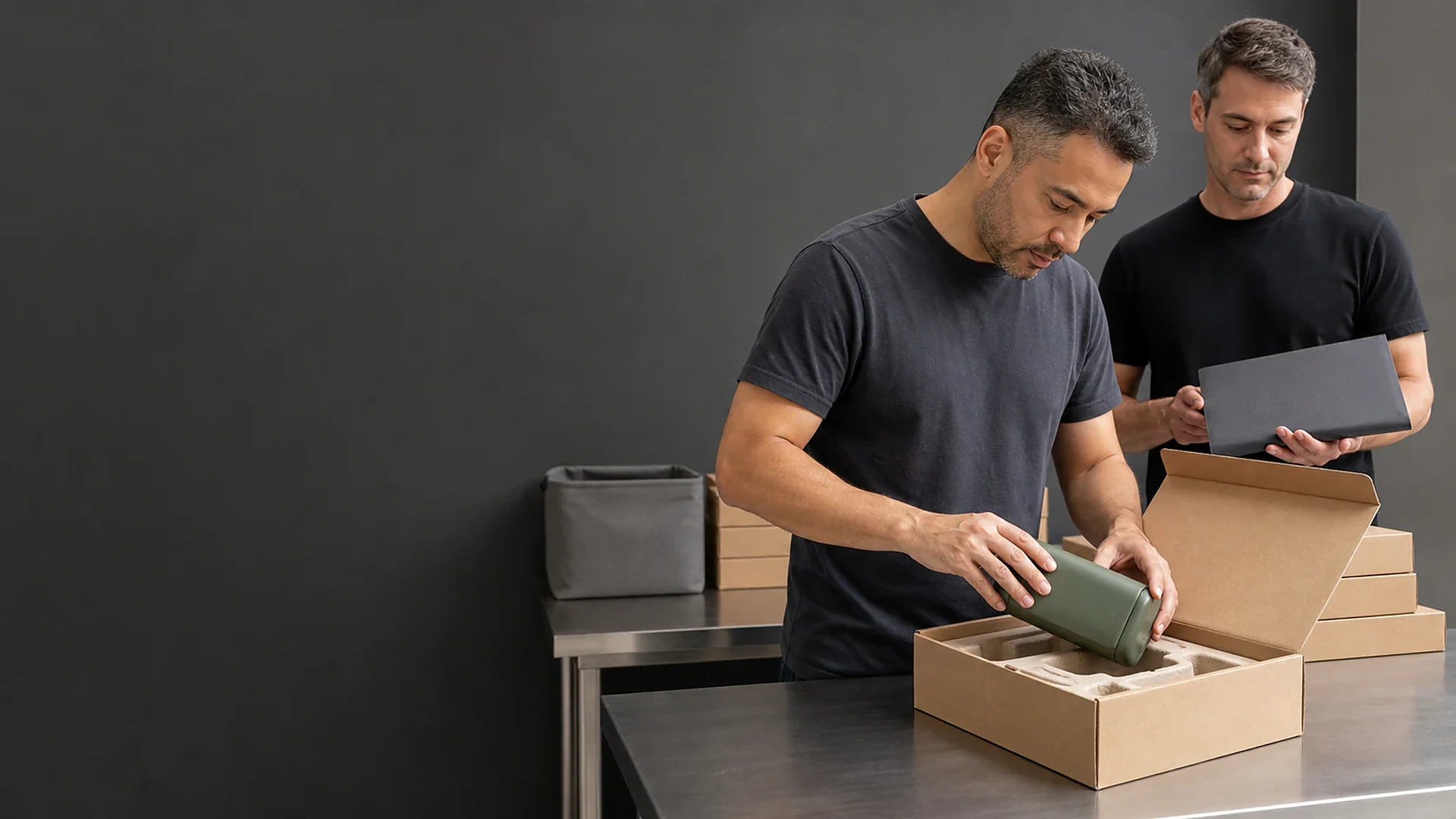
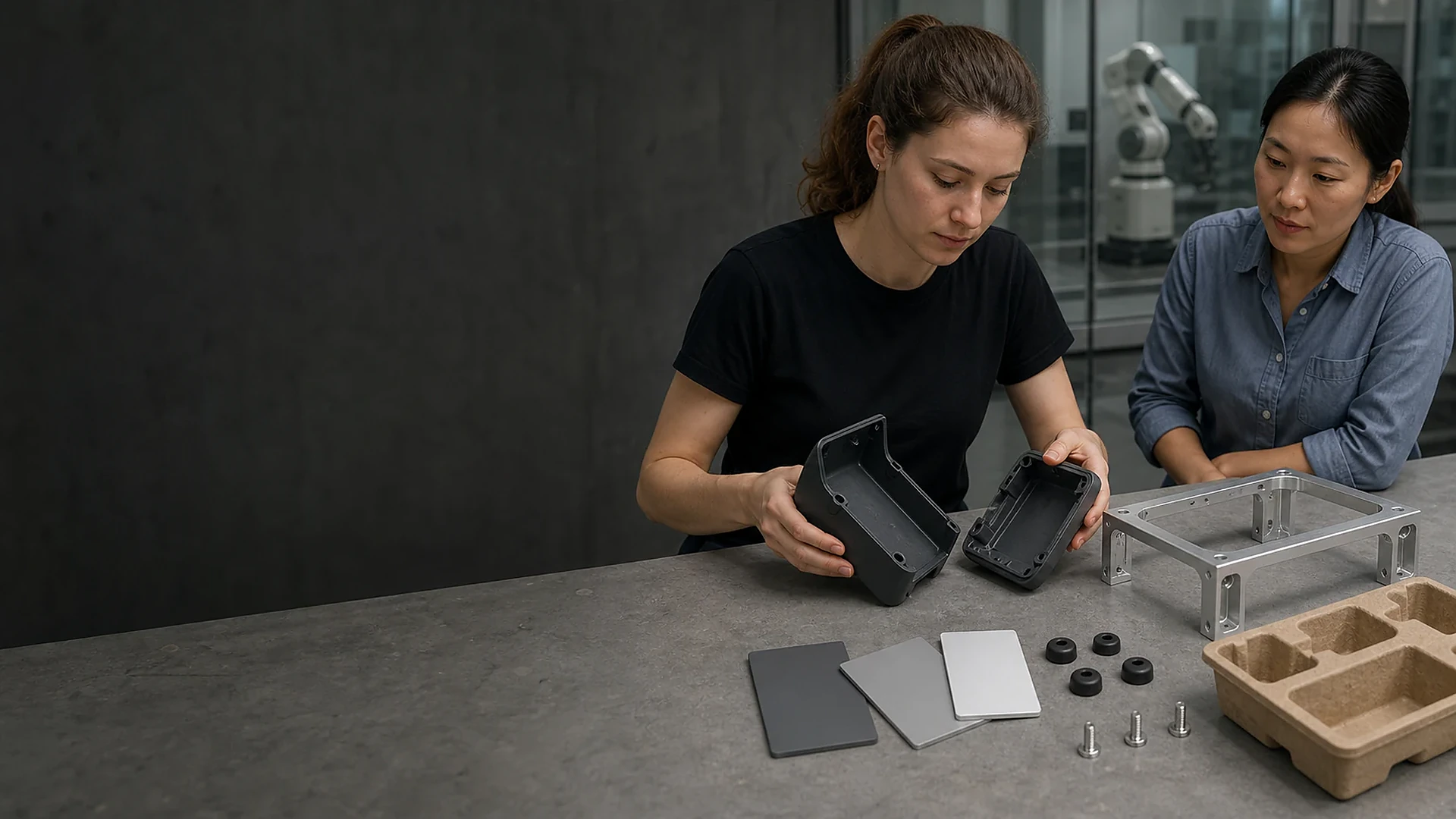
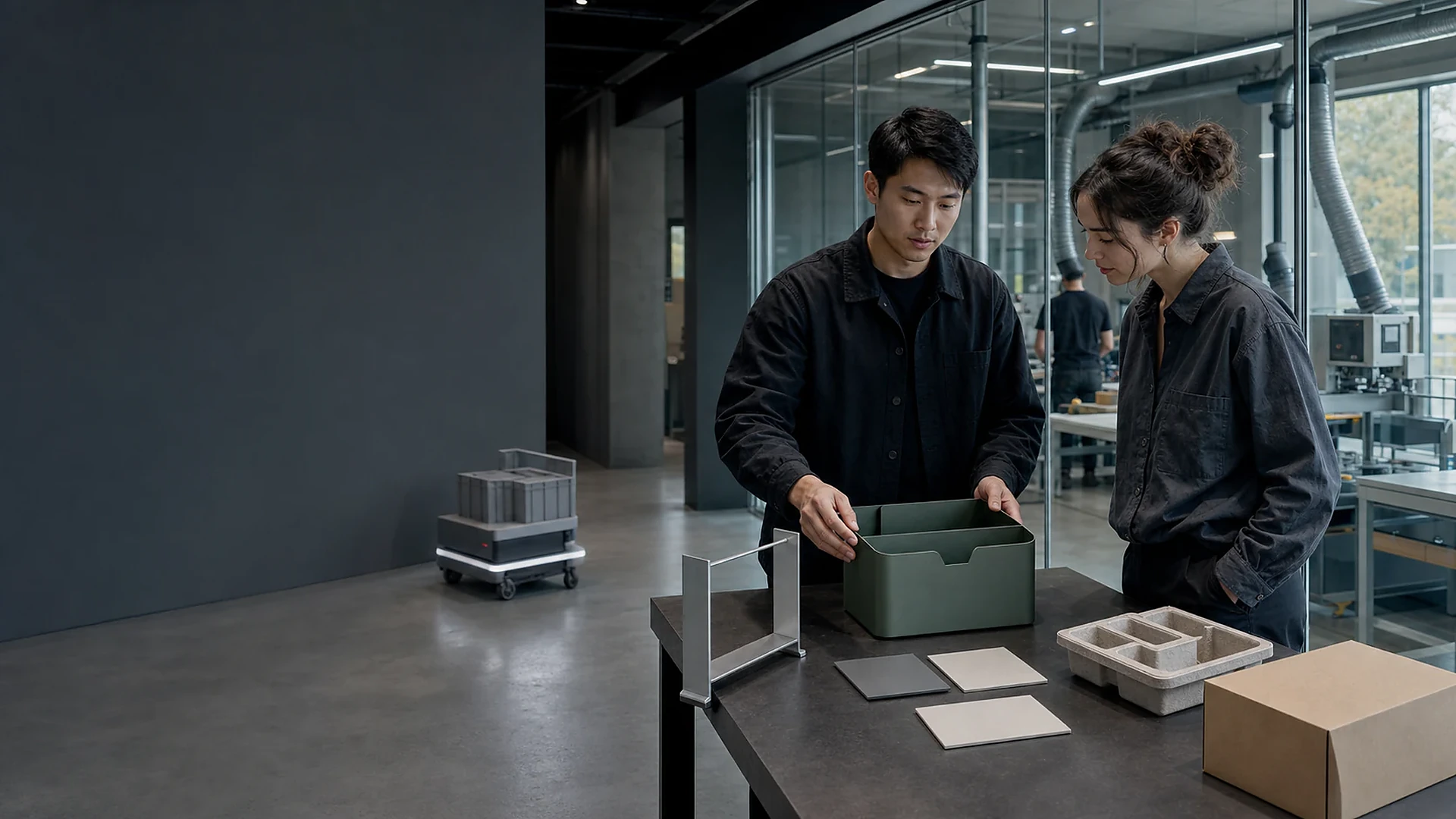
Visual references for the supplier communication, verification, quality review, and shipment preparation work behind this page.
Supplier-side review
Buyer requirements, supplier answers, and open questions should be organized before any purchase commitment.
Verification checkpoint
Documents, samples, inspection points, packaging details, and handover timing need clear confirmation.
Continue through LIFA's sourcing network.
Use these internal routes to move between related pages, return to section hubs, or open the complete page directory.
Complete Site Links
Every public page is listed in one crawlable directory for visitors and search engines.
Open site mapCase Studies
Review educational sourcing scenarios and decision points.
Go to hubDropshipping Quick Turnaround Scenario
Step back to a nearby page in the same topic group.
Go backElectronics Compliance Certification Scenario
Continue to the next connected page in this topic group.
ContinueChina Sourcing Services
Compare the practical services LIFA can coordinate for your sourcing project.
Explore servicesChina Sourcing Guide
Use guides, checklists, and risk notes to prepare better sourcing decisions.
Read guidesLet LIFA coordinate the ecommerce founder first sourcing work for you.
Share your ecommerce founder first sourcing-related details and sourcing needs with LIFA. Get expert coordination from Hangzhou to streamline your supplier communication and China-side verification steps.