How to Read an Inspection Report: what buyers should check before moving forward.
The guide is easier to use when the key checks connect to supplier review, quotation comparison, documentation, and next-step planning.
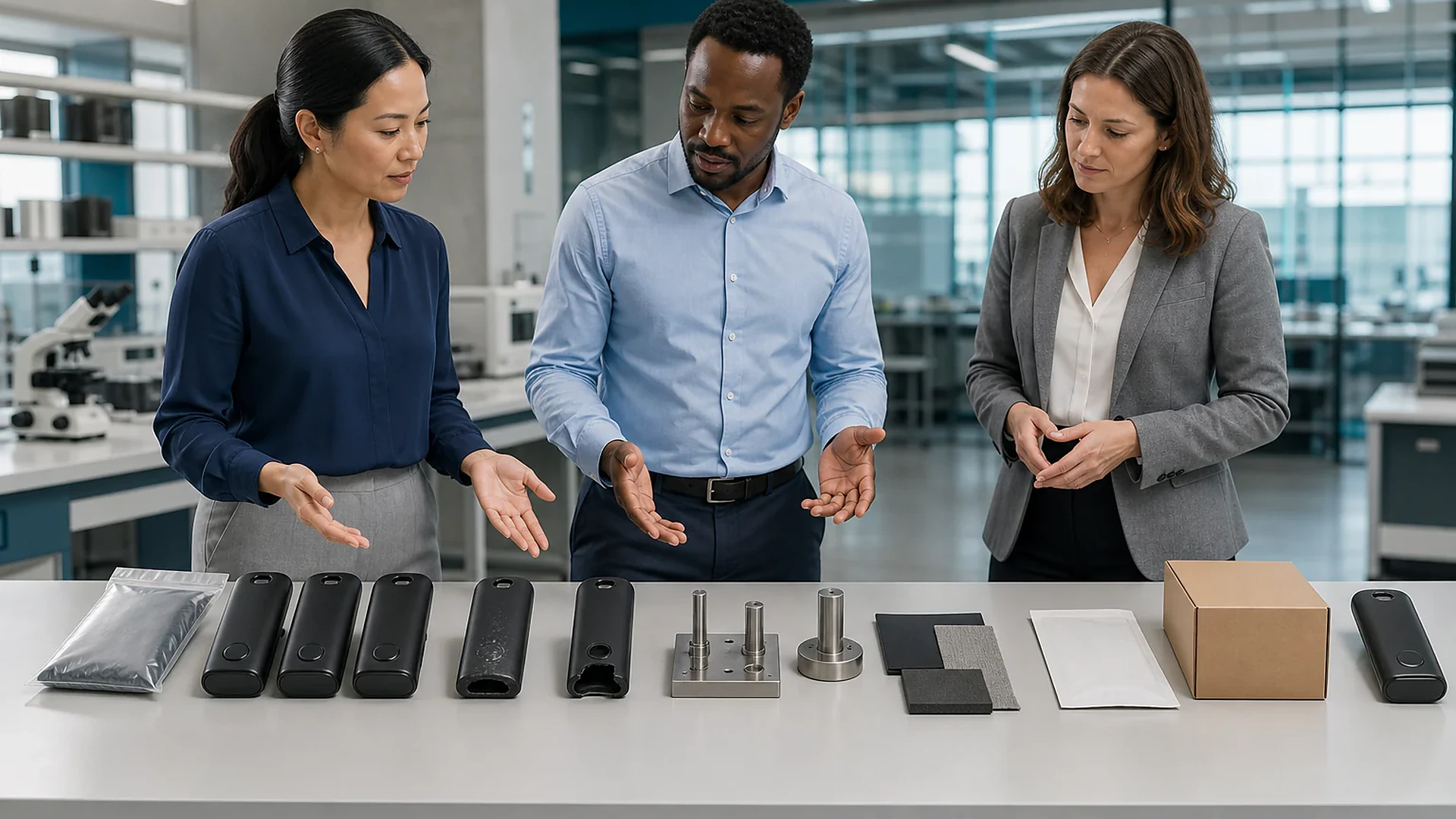
An inspection report is only useful if it is read carefully.
AQL sampling results, defect classifications, and photo evidence each tell a different part of the story β skimming straight to the pass/fail line misses the details that actually decide whether an order is safe to ship.
Not all defects carry the same weight.
Critical, major, and minor defect classifications determine whether an issue blocks shipment or is simply noted for the record.
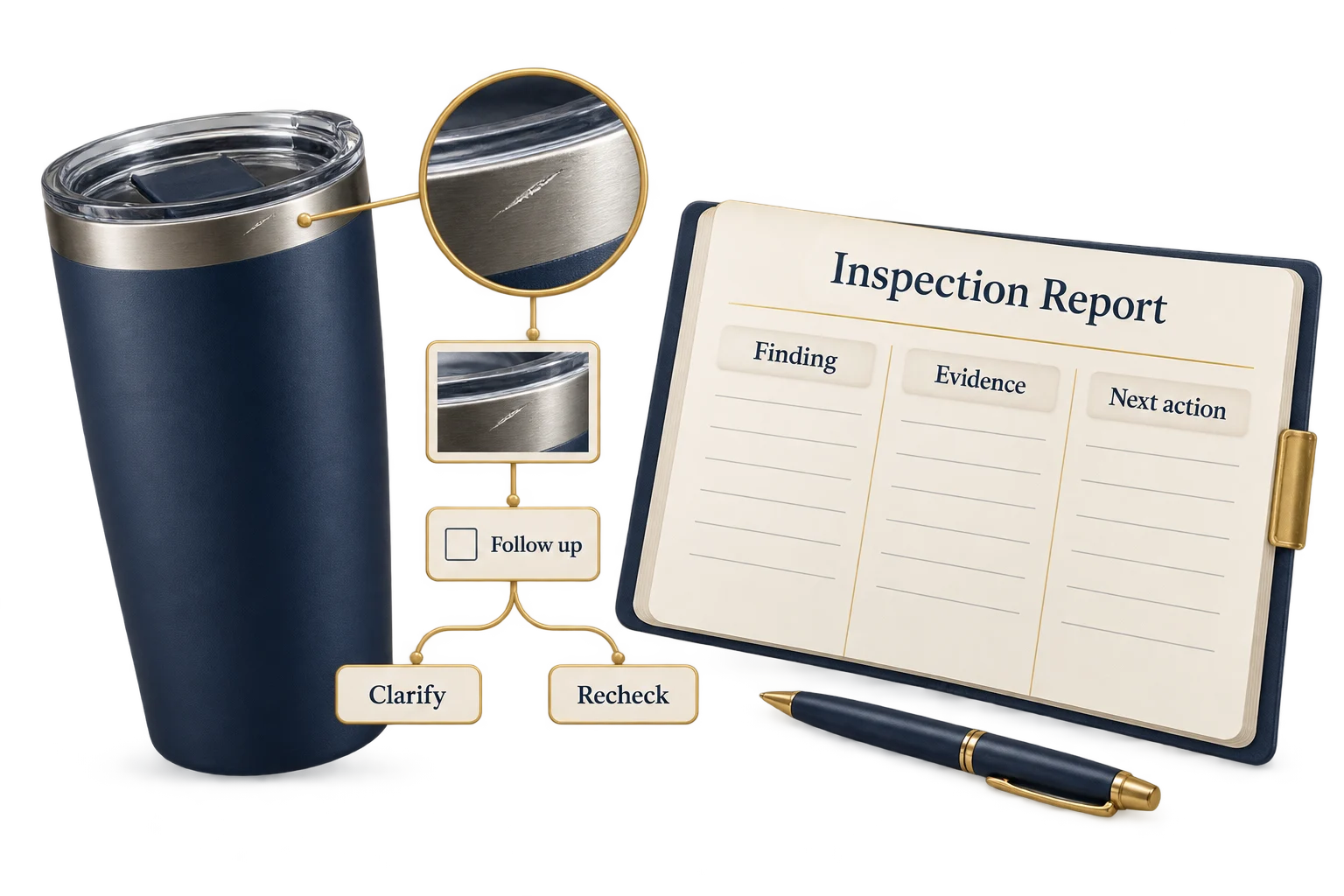
Photo evidence backs up the numbers.
Attached inspection photos let a buyer verify defect claims directly, instead of relying on the summary count alone.
Quick Answer
The quick answer: how to read an inspection report starts with clear requirements, comparable supplier information, documented questions, and a cautious review before payment or production approvals.
LIFA can help organize China-side communication and supporting steps. Final supplier selection, payment decisions, product compliance, and import rules remain the buyer's responsibility.
- Product examples, destination market, quantity, budget, and required documents.
- Supplier links, existing quotes, sample results, or inspection notes if available.
- Questions you want answered before deciding whether to proceed.

Practical Step-by-Step Guide
Use these steps as a starting point, and adjust them to fit your product and risk tolerance.
Check the reportβs scope and sampling method
Understand what portion of goods was actually checked, not assumed to be 100%.
View Service 02Review the defect classification
Critical, major, and minor defects carry different levels of concern.
View Service 03Look at photos, not just summary text
Photos often reveal more context than a short written summary.
Discuss This 04Compare findings against your original specification
A report is only useful when checked against what was actually agreed.
Discuss This 05Decide next steps based on defect severity
Critical defects usually warrant rework; minor ones may be acceptable depending on the product.
View ServiceHow the Work Is Organized
LIFA keeps sourcing tasks in a clear sequence so the buyer can review each stage before moving forward.
Inquiry Review
We review your product details, quantity, target market, and sourcing needs.
Supplier Search
We help identify supplier options and compare basic information.
Supplier Verification
We support checking supplier details before the buyer moves forward.
Quotation Comparison
We help compare price, MOQ, lead time, payment terms, and product details.
Sample / Order Preparation
We help organize samples, order details, inspection needs, and shipping preparation.
Common Risks to Review
Use these steps as a starting point, and adjust them to fit your product and risk tolerance.
A passed report reflects sampled units, not every piece
Standard sampling means some defective units can still exist in a passed batch.
View Service 02Reports without photos are harder to verify
Request photo documentation whenever possible for anything flagged.
View Service 03Inspection timing affects what can still be fixed
A pre-shipment inspection leaves less room to address issues than an earlier check.
View ServicePractical Checklist
Concrete points to check before you move forward, based on what buyers commonly overlook.
Check the sampling method used
Reports should state how many units were checked and how they were selected from the total order.
Separate critical, major, and minor defects
Not all findings carry equal weight; understand how the inspector classified each issue.
Review photos alongside the written findings
Photos often reveal context that a written defect description alone doesn't capture.
Confirm the AQL standard used for the inspection
Acceptable Quality Limit standards affect how defect counts translate into a pass or fail result.
See It In Practice
These snapshots reflect how LIFA keeps a sourcing project organized: clear supplier communication, careful verification and quality checks, and shipping prepared before handover.
Supplier communication
Organized requirements make supplier answers easier to compare.
Verification and quality checks
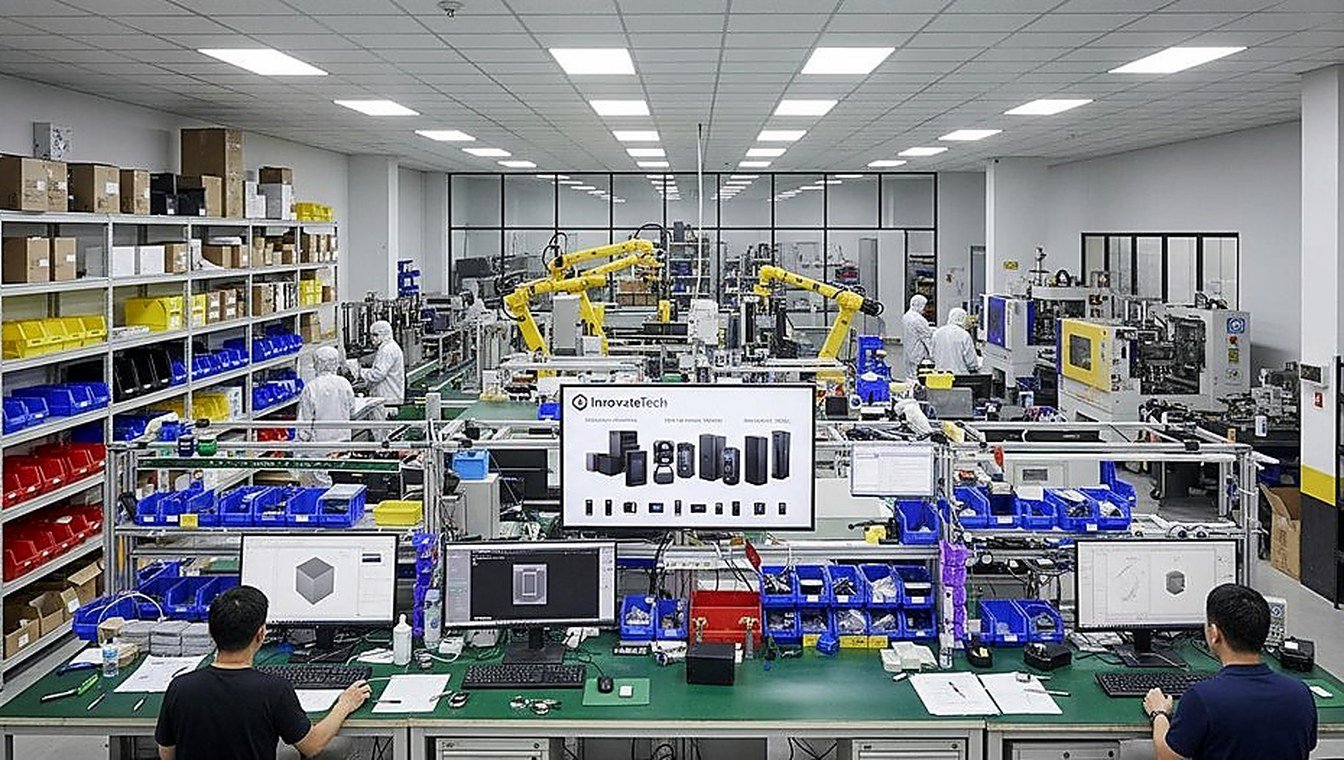
Documents, inspection points, and sample notes are reviewed in context.
Shipping preparation
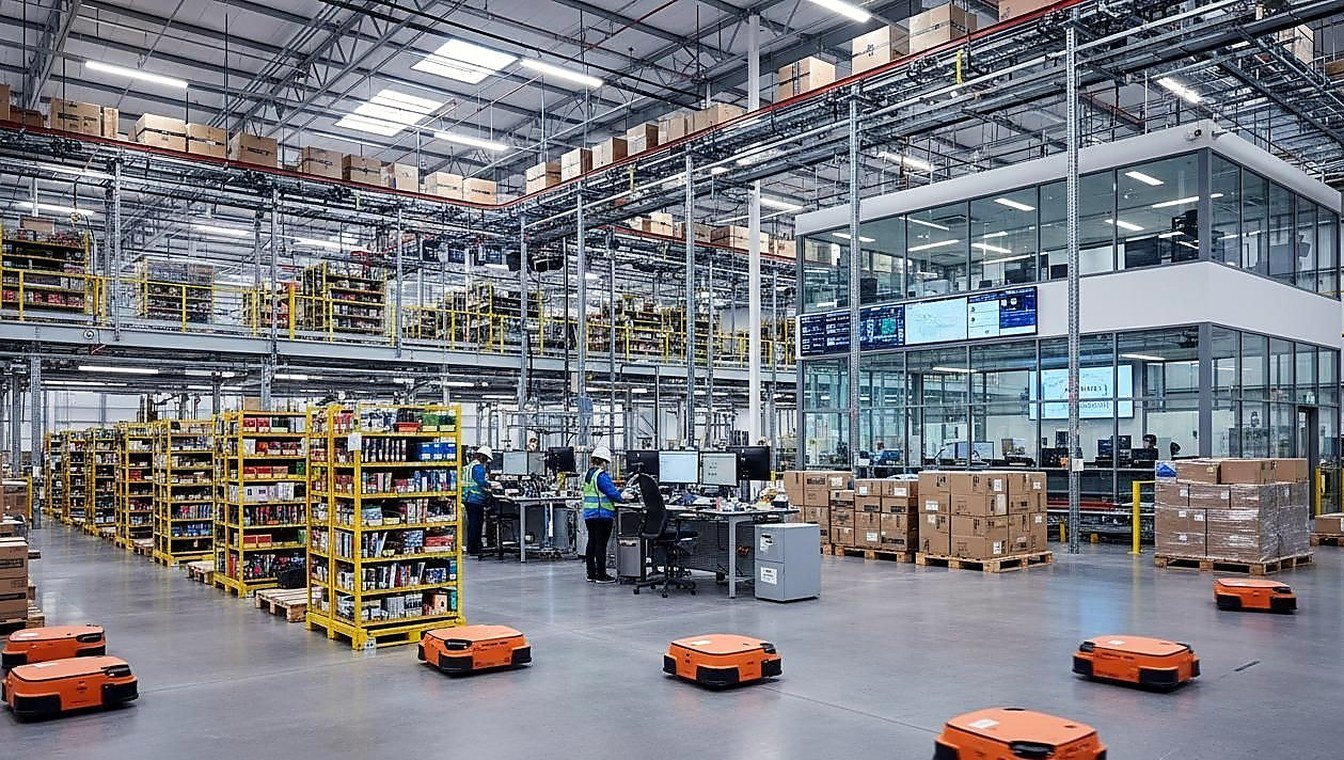
Packaging, handover, and freight details are prepared before shipment.
Where to Go Next
Continue exploring the sourcing topics and services most relevant to your project.
Product Sourcing
Find product options and supplier sources that match your target market and quantity.
Explore This Service 02Supplier Verification
Review supplier information before committing to payment, samples, or production.
Explore This Service 03Quotation Comparison
Compare price, MOQ, lead time, and terms across supplier quotations.
Explore This Service 04Knowledge Center
Read practical sourcing guides written for first-time and experienced buyers.
Browse Guides 05Request a Quote
Send your product details and get a practical next step from LIFA.
Start This RequestBuilt on Transparent Buyer Feedback
LIFA Global Trade welcomes verified customer reviews on Trustpilot. Real feedback from buyers helps you evaluate our China sourcing support, communication, and coordination services with confidence and transparency.
Your honest feedback helps us improve our sourcing support and helps other buyers make informed decisions.
Questions Buyers Ask
Clear expectations help keep China sourcing work practical and responsible.
LIFA provides sourcing support, communication organization, supplier verification support, inspection coordination, and shipping preparation. Final supplier selection, payment decisions, product compliance, and import rules remain the buyer's responsibility.
Prepare product specifications, target quantity, destination market, target price if available, packaging needs, supplier links if you have them, and the service you need.
Use the request form or contact Simon directly by email at simon@lifasourcing.com or WhatsApp +86 173 7653 5037. If a static form does not open your email app, send the details manually.
AQL (Acceptable Quality Limit) is a statistical standard defining the maximum number of defective units considered acceptable in a sample, used to determine pass or fail results.
Buyers typically arrange and pay for third-party inspections to keep the process independent from the supplier.
Discuss the findings with the supplier and inspector before shipment; options usually include rework, sorting, or renegotiating terms depending on severity.
Share your requirements with LIFA Global Trade.
Send product details, quantity, target country, supplier links if available, and the support you need.
Why How To Read An Inspection Report Matters
Understanding how to read an inspection report helps buyers make informed decisions and reduce sourcing risks.
Clear Decision-Making
Well-organized information about how to read an inspection report enables confident supplier selection and smoother sourcing workflows.
Start Your RequestRisk Reduction
Understanding how to read an inspection report reduces common sourcing mistakes and prevents costly delays in production timelines.
View ServiceCost Optimization
Proper knowledge of how to read an inspection report helps buyers identify value opportunities and negotiate better terms with suppliers.
Read the GuideHow To Read An Inspection Report Practical Sourcing Scenarios
Review practical sourcing situations, common risks, and preparation steps before starting a similar request.
Amazon Seller: Electronics Scaling
Review how volume planning, supplier comparison, and inspection checkpoints can support an electronics scaling project.
View scenarioPrivate Label: Defect Crisis Recovery
Review how clear specifications, sample checks, and inspection notes can reduce quality surprises before shipment.
View scenario β‘Dropshipper: Viral Trend Capture
Review how supplier responsiveness, production timing, and freight choices affect urgent sourcing projects.
View scenarioRelated Resources & Next Steps
Explore additional guides and resources to expand your understanding of China sourcing.
Knowledge Center
Comprehensive sourcing guides covering supplier checks, quality control, logistics, and compliance.
Explore guidesHow to Source from China
Complete methodology for finding suppliers, comparing quotations, and organizing sourcing steps.
Learn moreSupplier Verification
Detailed verification checklist and best practices for evaluating supplier credibility and capability.
Learn more πAll Case Studies
Educational sourcing scenarios showing planning challenges, trade-offs, and review points across different buyer situations.
View allLIFA Support for How To Read An Inspection Report
LIFA Global Trade coordinates practical China-side support tailored to your sourcing needs.
Supplier Verification
LIFA helps review supplier information and coordinate verification checks before you commit to payment.
Learn more πQuotation Comparison
Organize and compare quotations side-by-side on price, MOQ, materials, lead time, and payment terms.
Learn more π―View All Services
Explore all LIFA services including product sourcing, factory checks, inspections, and shipping coordination.
Explore servicesCommon Questions About How To Read An Inspection Report
Find answers to questions buyers commonly ask about how to read an inspection report.
Proper planning around how to read an inspection report is critical to timeline success. LIFA helps coordinate these steps in sequence so delays don't cascade into production delays or missed shipment windows.
Common mistakes include underestimating complexity, not organizing communication clearly, and moving forward without proper verification. LIFA's coordination helps prevent these by keeping steps structured and reviewable.
Yes. Contact LIFA with your specific how to read an inspection report-related sourcing question. Email simon@lifasourcing.com or message WhatsApp +86 173 7653 5037 to discuss how LIFA can coordinate support.
Start with the Knowledge Center for comprehensive guides, then browse case studies to see how other buyers have handled similar how to read an inspection report-related challenges. LIFA's team can provide personalized guidance for your situation.
Let LIFA coordinate the how to read an inspection report work for you.
Share your how to read an inspection report-related details and sourcing needs with LIFA. Get expert coordination from Hangzhou to streamline your supplier communication and China-side verification steps.
Continue through LIFA's sourcing network.
Use these internal routes to move between related pages, return to section hubs, or open the complete page directory.
Complete Site Links
Every public page is listed in one crawlable directory for visitors and search engines.
Open site mapChina Sourcing Guide
Continue through sourcing guides, checklists, risk controls, and logistics topics.
Go to hubHow to Read a Commercial Invoice and Packing List
Step back to a nearby page in the same topic group.
Go backHow to Request Samples from China
Continue to the next connected page in this topic group.
ContinueChina Sourcing Services
Compare the practical services LIFA can coordinate for your sourcing project.
Explore servicesRequest Sourcing Support
Send product details, supplier questions, or shipment needs to LIFA.
Request support