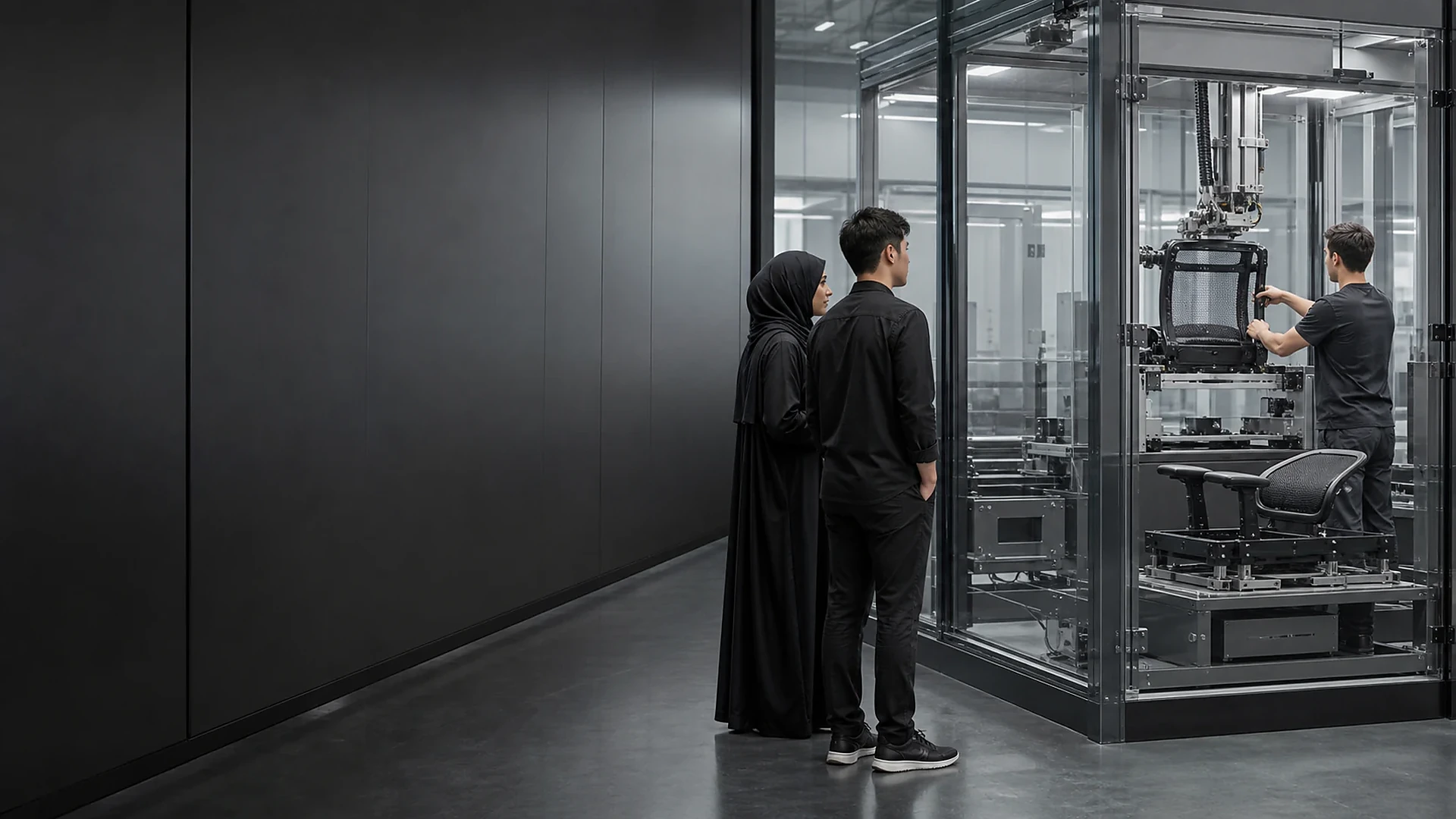
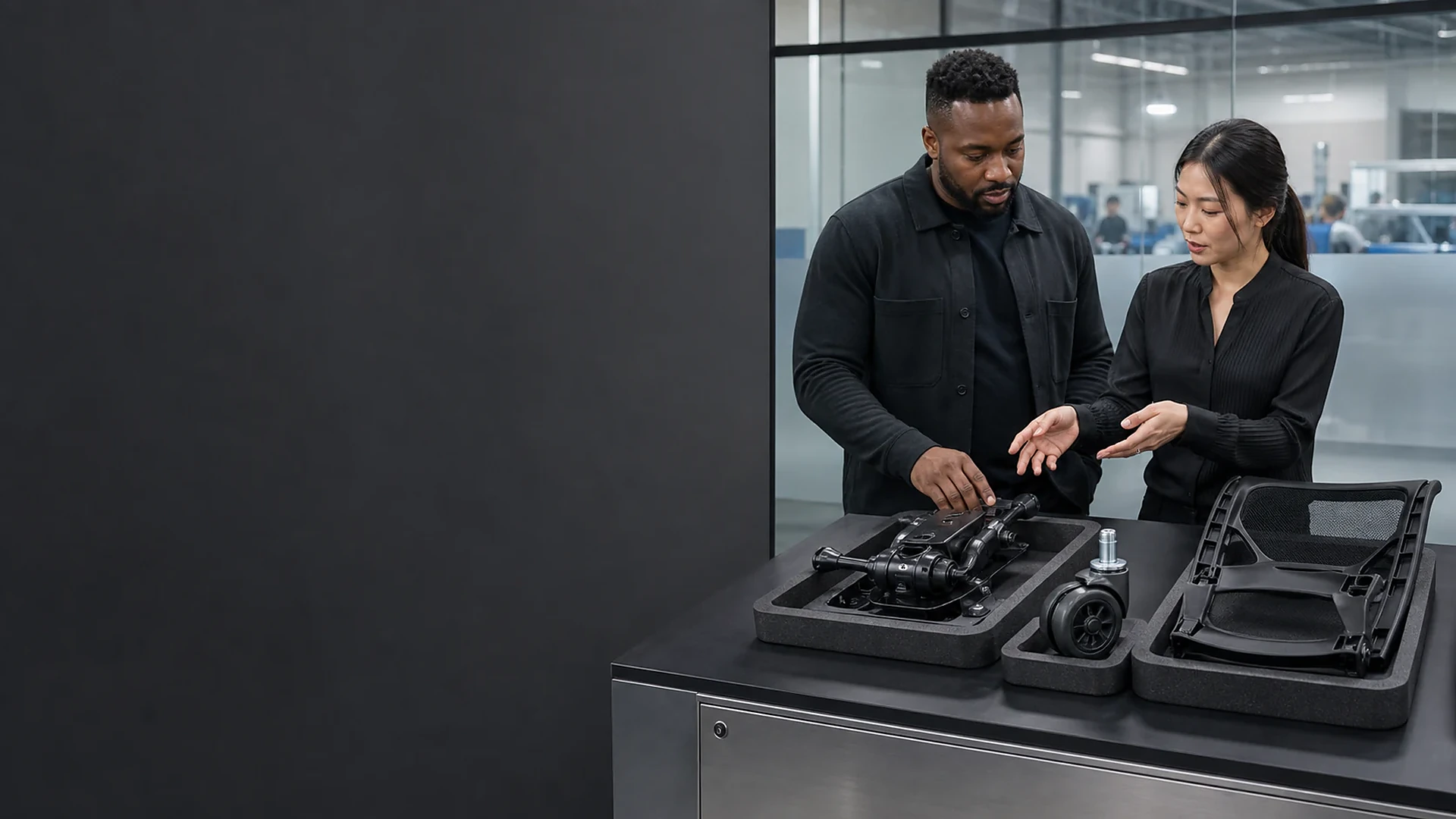
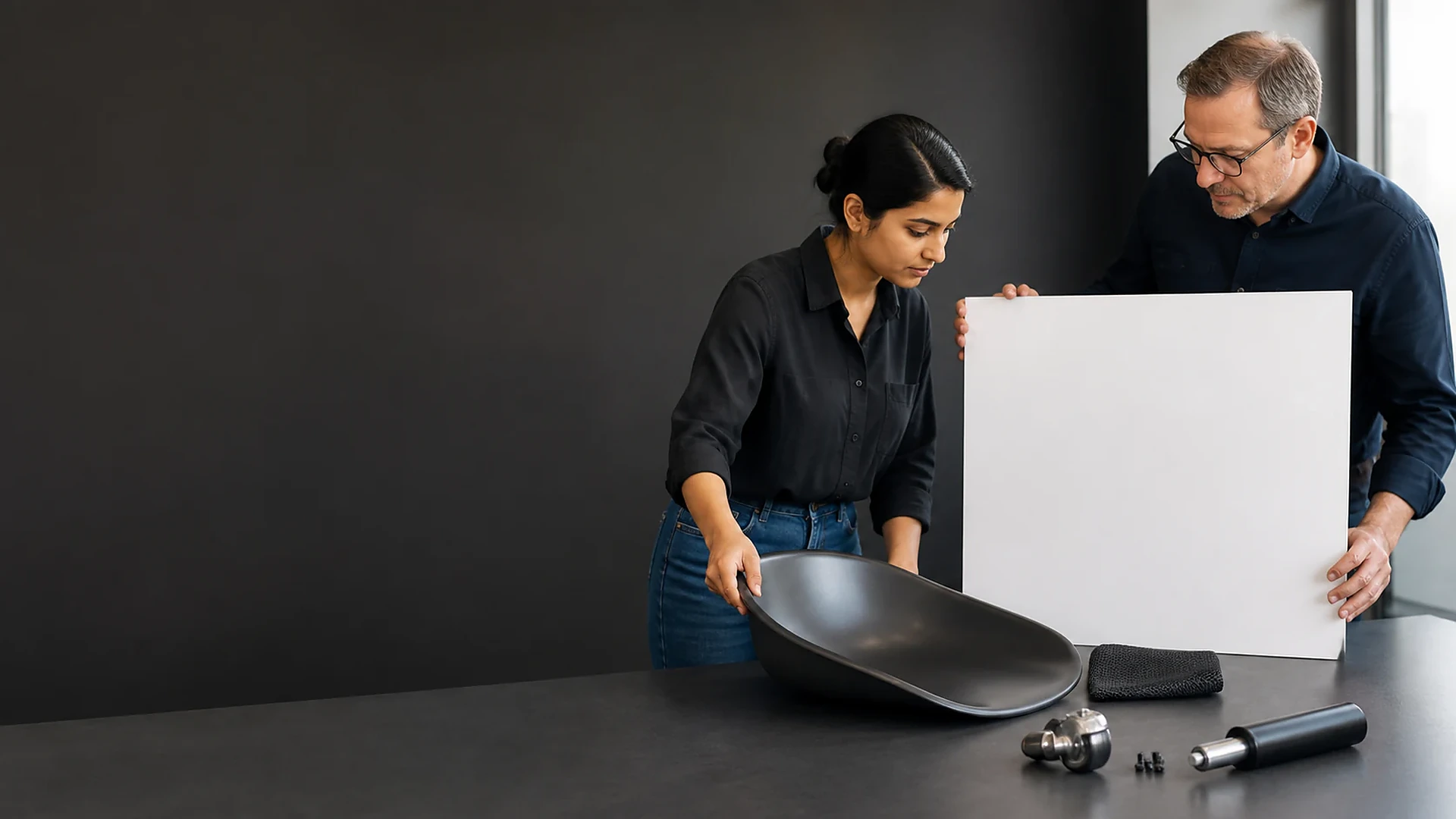
Visual checkpoints for How to Find a Manufacturer in China
Additional realistic images have been added to support the page content while keeping the current LIFA layout and card styling.

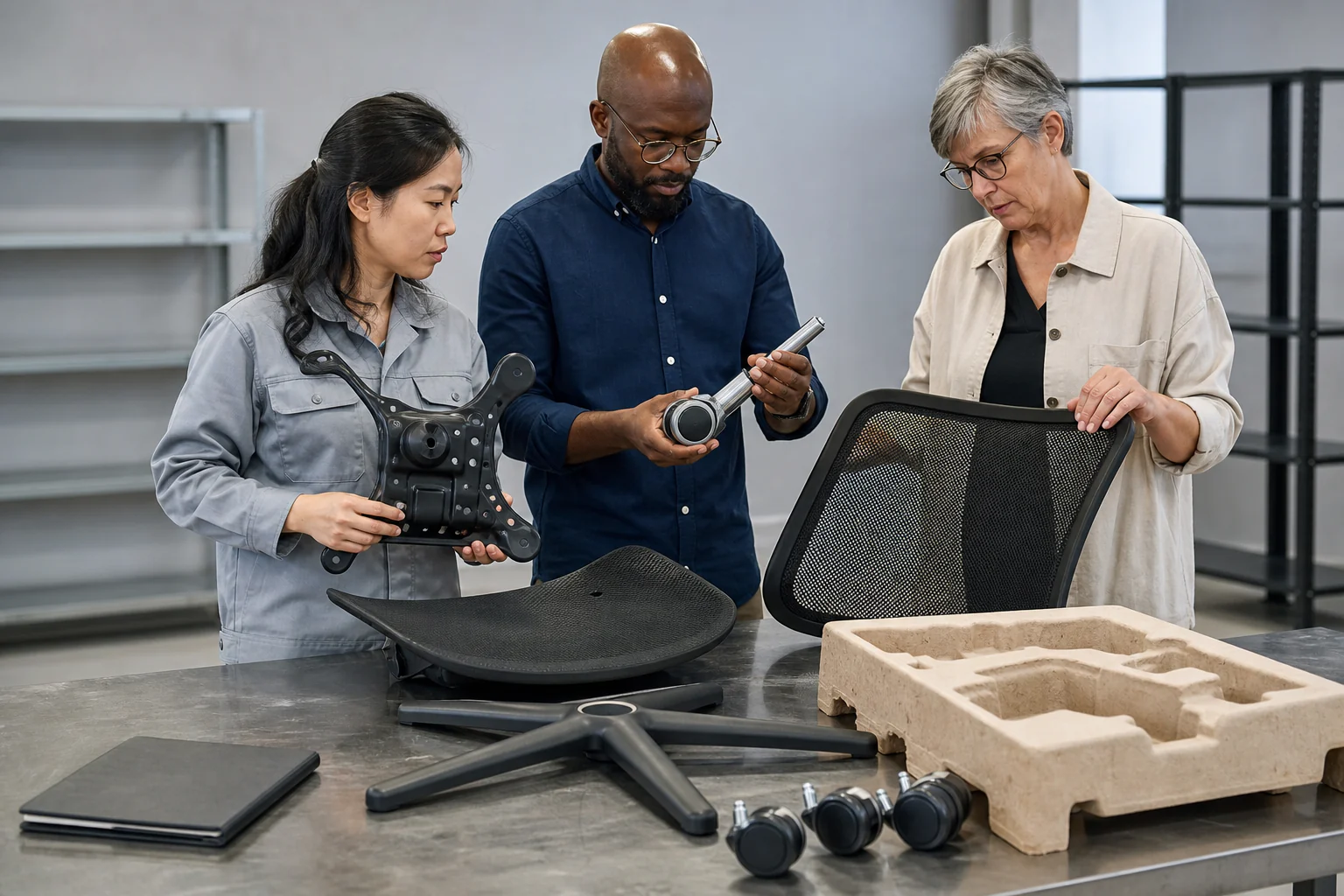
Research notes
A practical view of the sourcing work behind this page.

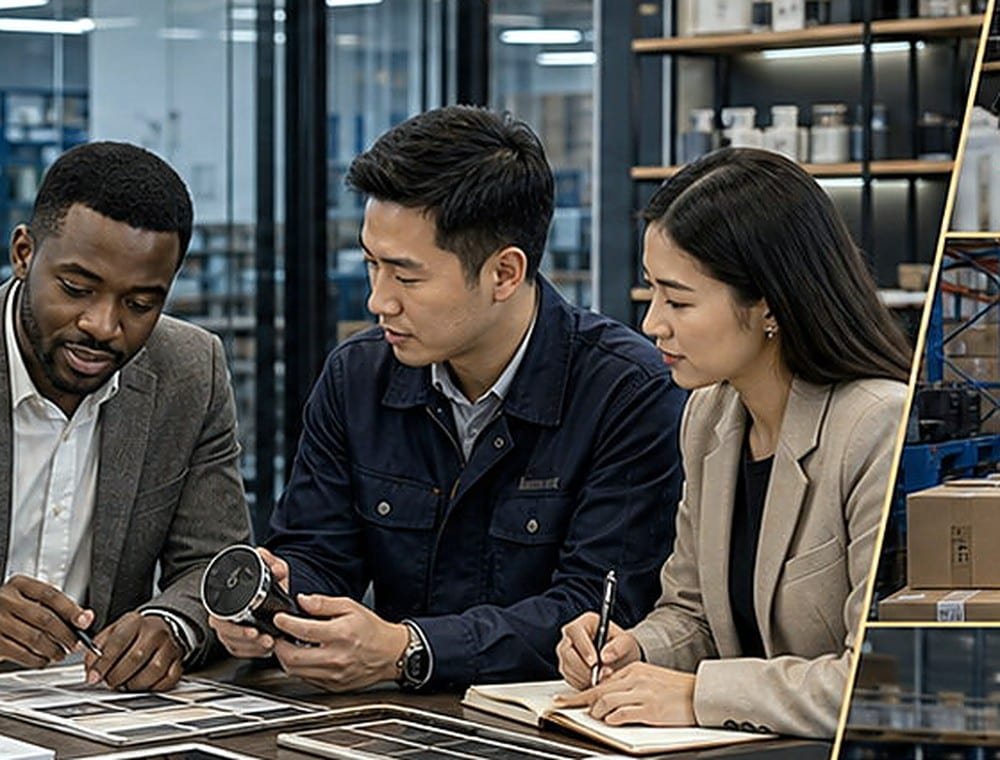
Supplier examples
Details buyers can review before they compare supplier options.

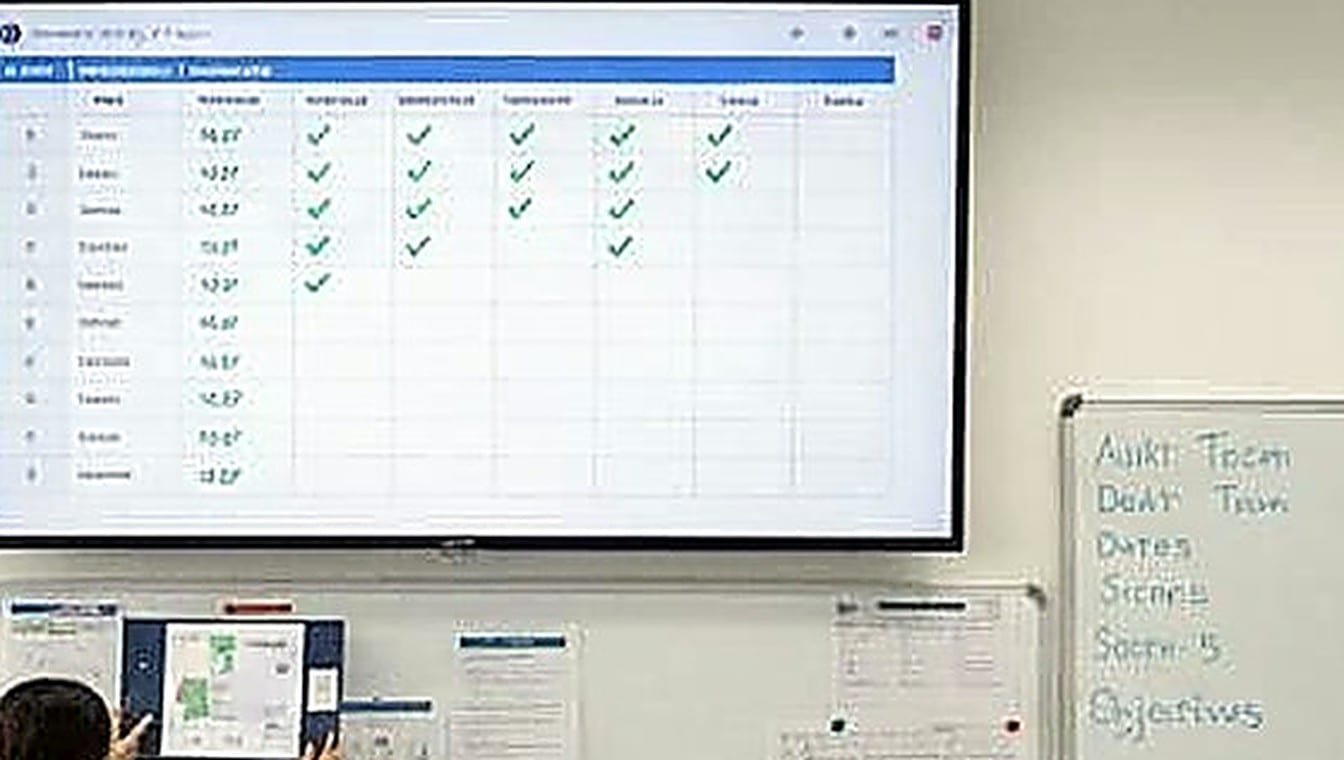
Checklist view
China-side coordination evidence organized for clearer decisions.

Practical review
Operational details that help reduce avoidable sourcing mistakes.

Next steps
Preparation notes for production, packing, or shipment follow-up.
How do you find a reliable manufacturer in China?
Start with a clear product brief, then search through platforms, referrals, trade fairs, industrial clusters, and China-side supplier research. The manufacturer should be checked for product fit, communication quality, factory claims, quotation details, sample capability, payment terms, and inspection readiness before a larger order.
LIFA can help organize manufacturer search, supplier communication, quotation comparison, verification support, sample coordination, and inspection planning while the buyer keeps final decisions.
- A manufacturer should match your product type, order size, quality level, and customization needs.
- Factory identity should be checked instead of assumed from a listing or sales claim.
- Samples, written terms, and inspection planning matter before bulk production.


Where manufacturers are found.
No single source is enough. Strong searches combine several routes and then verify the shortlist.
Alibaba and B2B platforms
Useful for discovery, but supplier badges and listings need project-specific follow-up.
Discuss This💡1688 and domestic channels
Can reveal domestic suppliers, but language, payment, and export readiness require China-side handling.
Discuss This🌍Trade fairs and markets
Canton Fair, Yiwu, Shenzhen, Guangzhou, and category clusters can help identify active suppliers.
Discuss This🗂️Industrial clusters
Many categories concentrate around specific regions, but the right cluster depends on product type.
Discuss This📌Supplier referrals
Existing factories may know related suppliers, but referrals still need independent review.
Discuss This🔎China-side search support
A sourcing partner can help compare options, ask local questions, and organize evidence before payment.
Discuss ThisManufacturer vs supplier vs trading company.
The word supplier is broad. Buyers should clarify what kind of company they are dealing with.
| Term | What it usually means | Buyer risk | Useful question |
|---|---|---|---|
| Manufacturer | A company that produces or controls production | May still outsource, trade, or overstate capability | Can you show production process and product examples for my category? |
| Supplier | Any company offering the product | Could be factory, trader, reseller, or platform seller | Are you the factory or an intermediary? |
| Trading company | A company selling through supplier relationships | Less direct factory visibility | Which services do you add and how is pricing structured? |
| Agent | A buyer-side or supplier-side coordinator | Incentives may be unclear | Who pays you and what deliverables do I receive? |
Manufacturer search process.
A structured process keeps the search from turning into random supplier messaging.
Prepare the product brief
Define specifications, materials, dimensions, function, target quantity, packaging, branding, and destination market.
Search multiple sources
Use platforms, domestic channels, category clusters, trade fairs, and China-side research to build a wider shortlist.
Screen for fit
Ask about product experience, MOQ, equipment, sample capability, lead time, quality controls, and export experience.
Compare quotes and claims
Review price, materials, packaging, tooling, payment terms, documents, and factory claims side by side.
Verify and sample
Check supplier information, request samples, confirm written terms, and plan inspection before bulk production.
Manufacturer search risks.
The wrong manufacturer can make a low quote very expensive.
Factory claim is not proven
A supplier may present as a factory while outsourcing or trading through other suppliers.
Discuss This⚖️Quote is not like-for-like
Different materials, packaging, tooling, and quality standards can make prices impossible to compare.
Discuss This🧪Sample does not represent production
A good sample is not enough unless production process, inspection, and written standards are controlled.
View ServiceWhat to prepare before manufacturer search.
Manufacturers answer better when the brief is specific.
Product specification
Photos, CAD/drawings if available, materials, dimensions, function, color, finish, packaging, and certification needs.
Commercial target
Quantity, target price range, destination country, timeline, order frequency, and expected growth.
Customization level
Clarify whether this is catalog sourcing, private label, ODM adjustment, OEM development, tooling, or custom engineering.
Quality expectations
Define samples, defect limits, test requirements, inspection points, and final acceptance criteria.
Where to go next.
Use these related pages to move from research into a clearer sourcing action plan.
Supplier Search
Find supplier and manufacturer options that match your product requirements.
View service🎨OEM / ODM Sourcing
Plan custom product development, samples, tooling, and factory coordination.
View service🔗Product Sourcing
Turn a product idea or supplier list into a clearer sourcing workflow.
View service✅Supplier Verification
Review supplier information, documents, and risk signals before payment.
View service👥Business Model & Fees
See LIFA's transparent 5% sourcing support model and fee boundaries.
Read fees🏭Factory vs Trading Company
Understand the company type before supplier selection.
Read guideOpen to Transparent Buyer Feedback
LIFA Global Trade welcomes honest customer reviews on Trustpilot. Buyer feedback helps future visitors evaluate our China sourcing support, communication, and coordination services without invented public scores.
Common questions about finding manufacturers in China.
Short answers make the decision easier before you contact suppliers or ask LIFA for support.
Alibaba is a useful starting point, but it should not be the only step. Buyers still need to clarify whether the supplier is a real manufacturer, compare quotes, verify claims, request samples, and plan quality control.
Ask for factory information, production photos or videos, product examples, business details, equipment/process notes, and factory address. Higher-risk orders may need factory verification or a third-party audit.
Yes. LIFA can help search and compare suppliers from multiple channels, including platform suppliers, domestic China sources, referrals, and category-specific research where appropriate.
Not automatically. The lowest quote may use different materials, weaker packaging, lower quality standards, missing certifications, or unrealistic shipping assumptions.
OEM or ODM support is useful when the product needs custom specifications, branding, packaging, tooling, molds, engineering changes, or repeated sample rounds before production.

Send LIFA your product brief and target order details.
LIFA can help organize supplier search, quotation comparison, verification support, sample coordination, and inspection planning before you approve production.