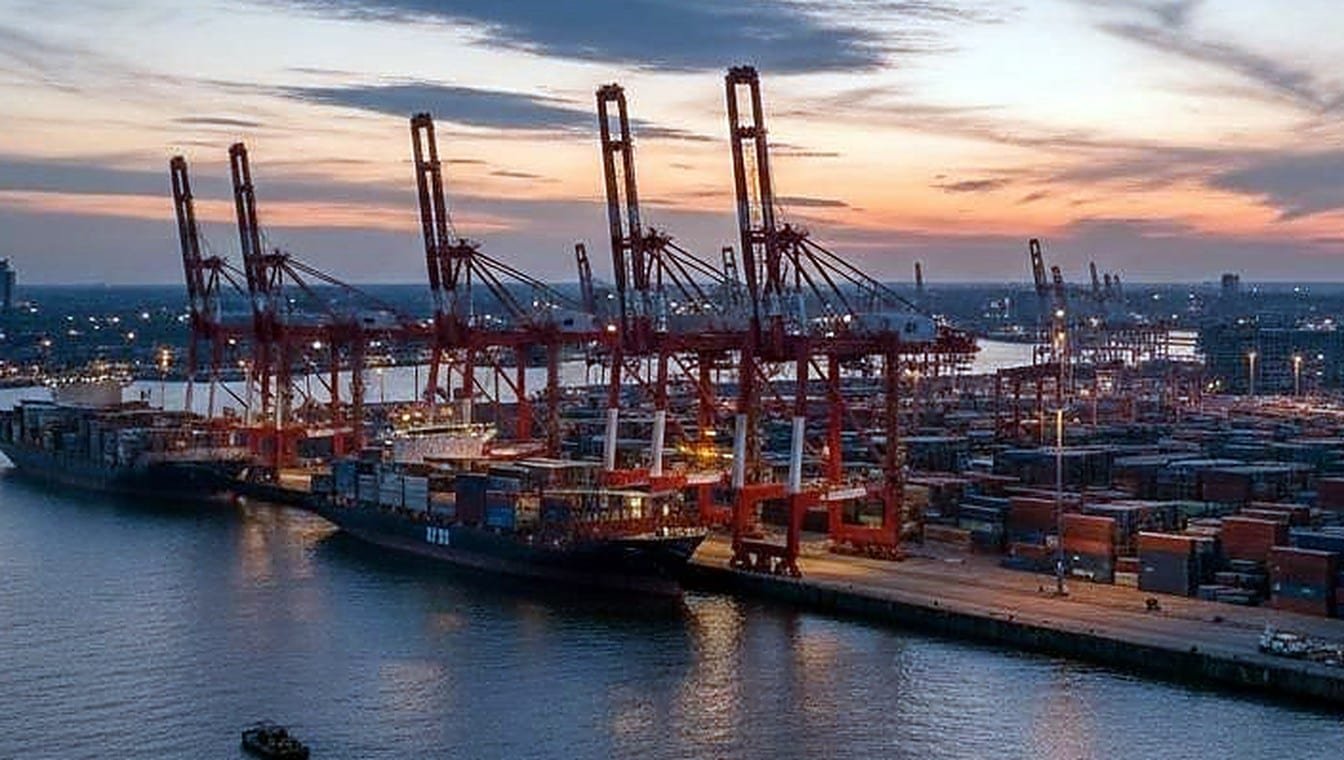
china sourcing guide lcl vs fcl shipping for LCL vs FCL Shipping
China sourcing guide

Compare shared-container and full-container shipping

Review LCL and FCL costs, handling, timing and cargo protection. Compare options for your actual product and route before reserving container space.

Four key decisions on this page

LCL vs FCL Shipping

LCL shares container space with other cargo; FCL reserves a container for the shipment.

What is the complete step-by-step method?

Use these steps as a starting point, and adjust them to fit your product and risk tolerance.

Practical checklist

Concrete points to check before you move forward, based on what buyers commonly overlook.

LCL or FCL: choose from total cargo economics and...

The best mode depends on shipment volume, route pricing, consolidation time, destination charges, cargo sensitivity, and how much...

15 min read Reviewed Library China sourcing guide
Practical sourcing guide

Quick Answer

The quick answer: LCL means your cargo shares a container with other shippers and you pay by volume, while FCL means you book a whole container at a flat rate. LCL usually costs less on small shipments, but it adds consolidation and deconsolidation handling, which lengthens transit and increases the chance of damage or delay. As volume grows there is a crossover point where a full container costs little more than the LCL charge and moves more simply — where that point falls depends on the lane, the season, and how your cargo stacks.

On the "LCL vs FCL Shipping" page, LifaSourcing.com can organize China-side communication and supporting steps. The buyer still owns supplier selection, payment decisions, product compliance and destination import requirements.

  • LCL is priced by volume and shares container space, so small shipments avoid paying for a full container.
  • LCL adds consolidation and deconsolidation steps, which lengthen transit and raise handling risk.
  • Ask for both LCL and FCL rates as volumes grow; the cheaper option flips sooner than most buyers expect.
Sourcing process overview and buyer workflow
101 to expert tutorialReviewed 2026-09-02

What to prepare and how to use this guide

What you will be able to do

  • Explain LCL vs FCL Shipping in plain language and identify the buyer decision it controls.
  • Prepare a shipment fact sheet and a landed-cost comparison before the next irreversible commitment.
  • Apply the lesson to the page section "LCL or FCL: choose from total cargo economics and handling needs" using evidence rather than assumptions.
  • Recognize when "What is the complete step-by-step method?" requires specialist, laboratory, broker, legal, or regulatory review.

Inputs to have ready

  • A shipment fact sheet
  • A landed-cost comparison
  • A document and responsibility matrix
  • A pre-shipment release checklist
Learning path

Build the skill in three passes

Use LCL vs FCL Shipping as the topic: each level depends on the record discipline established before it. Complete the beginner controls before relying on the advanced ones.

01

Beginner: understand the decision

Map the physical and documentary journey. A beginner should know who prepares each document, who contracts each carrier, where risk transfers, and which costs remain estimates. Use LCL vs FCL Shipping as the decision record for this level.

02

Practitioner: control the evidence

Normalize route and landed-cost evidence. A practitioner can reconcile cargo facts, quotes, Incoterms wording, customs inputs, and release documents before shipment. Reconcile that evidence inside the LCL vs FCL Shipping workflow.

03

Expert: govern the system

Control exceptions and post-entry exposure. An expert manages classification governance, valuation evidence, broker instructions, insurance, document retention, routing contingencies, and regulatory change. Apply those governance rules to the LCL vs FCL Shipping decision.

What is the complete step-by-step method?

Use these steps as a starting point, and adjust them to fit your product and risk tolerance.

05

Calculate your cargo volume and weight

This determines whether LCL or FCL makes more practical and financial sense.

06

Understand LCL consolidation

LCL cargo shares a container with other shipments and is deconsolidated at destination.

07

Understand FCL exclusivity

FCL means the full container is yours, with more control over loading and timing.

08

Compare cost per unit, not just total freight

A full container can be cheaper per unit even if the total cost looks higher.

09

Factor in transit and handling time differences

LCL often takes longer due to consolidation and deconsolidation steps.

Risks and common mistakes to review

Use these steps as a starting point, and adjust them to fit your product and risk tolerance.

10

LCL cargo can be exposed to more handling

More handling points can mean more risk of damage or delay.

11

FCL minimums may not suit small orders

A full container may not be practical until order volume justifies it.

12

Destination handling fees vary by shipment type

Confirm local charges for both LCL and FCL before deciding.

At a glance

A quick side-by-side reference before you read the full breakdown.

LCL (Less than Container Load)FCL (Full Container Load)
Best forSmaller shipment volumesLarger shipment volumes
HandlingShared container, more handling pointsDedicated container, fewer handling points
Typical transit timeSlightly longer (consolidation wait)Generally faster, no consolidation wait
Cost structurePriced per volume (CBM)Priced per container

How this connects to the sourcing process

On the "LCL vs FCL Shipping" page, LifaSourcing.com keeps the sourcing tasks in a reviewable sequence so the buyer can approve each stage before moving forward.

01

Inquiry Review

We review your product details, quantity, target market, and sourcing needs.

02

Supplier Search

We help identify supplier options and compare basic information.

03

Supplier Verification

We support checking supplier details before the buyer moves forward.

04

Quotation Comparison

We help compare price, MOQ, lead time, payment terms, and product details.

05

Sample / Order Preparation

We help organize samples, order details, inspection needs, and shipping preparation.

Practical checklist

Concrete points to check before you move forward, based on what buyers commonly overlook.

✓

Calculate your shipment volume before deciding

LCL and FCL make sense at different volume thresholds; know your cubic meters before comparing quotes.

✓

Factor in consolidation time for LCL

LCL shipments wait for a container to fill with other cargo, which can add time versus a dedicated FCL container.

✓

Ask about handling risk for LCL shipments

Shared containers involve more handling touchpoints, which can matter for fragile goods.

✓

Compare total cost, not just the per-unit freight rate

Destination handling fees can differ meaningfully between LCL and FCL.

Working tutorial

Work through the decision, step by step

This sequence turns LCL vs FCL Shipping into a reviewable sourcing record. Adapt the depth to the product, order, market, and risk while keeping the decision trail intact.

  1. 01

    Confirm the shipment facts

    Record product description, composition, value basis, origin, quantity, dimensions, weight, dangerous-goods status, and destination. Apply this step to LCL vs FCL Shipping: retain the input and approval that make it reviewable.

  2. 02

    Validate classification and market rules

    Confirm tariff classification, restrictions, licenses, testing, marking, tax, and importer responsibilities with current official sources. Apply this step to LCL vs FCL Shipping: retain the input and approval that make it reviewable.

  3. 03

    Define the commercial handoff

    State the named place, Incoterms rule where used, transport mode, insurance responsibility, and transfer points in the contract. Apply this step to LCL vs FCL Shipping: retain the input and approval that make it reviewable.

  4. 04

    Normalize route quotations

    Compare the same cargo facts, origin and destination charges, customs scope, free time, surcharges, transit assumptions, and exclusions. Apply this step to LCL vs FCL Shipping: retain the input and approval that make it reviewable.

  5. 05

    Prepare and reconcile documents

    Match the invoice, packing list, transport document, origin evidence, permits, and product records before cargo release. Apply this step to LCL vs FCL Shipping: retain the input and approval that make it reviewable.

  6. 06

    Pre-clear the exceptions

    Resolve classification, valuation, consignee, labeling, document, or routing questions before the cargo reaches an irreversible handoff. Apply this step to LCL vs FCL Shipping: retain the input and approval that make it reviewable.

  7. 07

    Close delivery and cost

    Reconcile final charges, damage or shortage evidence, customs outcomes, delivery timing, and lessons for the next shipment. Apply this step to LCL vs FCL Shipping: retain the input and approval that make it reviewable.

Decision table

Choose the control level before acting

Use this LCL vs FCL Shipping table as a working rule. It does not replace current legal, customs, testing, financial, or technical advice for the exact transaction.

RouteUse it whenMinimum evidenceStop condition
Use a planning estimateYou are comparing product or route feasibility before final cargo data exists.Stated assumptions, range, exclusions, date, currency, and sensitivity.The estimate is presented as a confirmed duty or freight charge.
Request a firm operational quoteCargo dimensions, weight, route, timing, and service scope are sufficiently defined.Itemized origin, freight, destination, customs, and delivery scope.Quotes use different Incoterms, cargo facts, or included charges.
Escalate to a licensed specialist or authorityClassification, valuation, restricted goods, sanctions, licensing, or tax treatment is uncertain.Written ruling, broker advice, permit, or authority guidance for the exact facts.A supplier or generic online AI analysis is the only basis for release.
Worked decision

Translate the lesson into an approval record

Use LCL vs FCL Shipping to frame the matched case decision without adding claims or outcomes beyond its source classification.

Starting problem
Vessel surveyors rejected prior documentation; spares lead times of 10 weeks grounded two vessels, costing $22,000/day each.
Tutorial lens
Apply LCL vs FCL Shipping: define the exact decision, required evidence, approval owner, and stop condition before selecting the next action.
Evidence to request
a shipment fact sheet, a landed-cost comparison, and a document and responsibility matrix.
Decision rule
Proceed only when the mandatory evidence is traceable to the correct party, product, revision, batch, route, or market. Keep unresolved critical gaps as a stop, not a promise to fix later.
Proven company case study

Norway Marine Equipment

Vessel surveyors rejected prior documentation; spares lead times of 10 weeks grounded two vessels, costing $22,000/day each.

LifaSourcing.com's work

  • Qualified 3 manufacturers with DNV-accepted documentation.
  • Built the fleet spares catalog with vessel-level mapping.
  • Negotiated a 4-week spares lead time with buffer stock.
  • Managed class-society documentation per delivery.
Knowledge check

Test the decision before you approve it

  • Can another reviewer identify the exact option, product, supplier, document, revision, or shipment being approved?
  • Which fact came from an independent source, which came from the supplier, and which is still an estimate?
  • What mandatory requirement would force a stop even if price or timing pressure increases?
  • Who has authority to approve an exception, and what evidence and expiry date must the exception record contain?
  • What change would require this decision to be reopened rather than carried forward automatically?
Expert controls

Know when the basic method is no longer enough

Escalate LCL vs FCL Shipping: act when the decision affects safety, legal market access, protected IP, high-value tooling, restricted goods, unusual payment instructions, disputed identity, or a dependency that could stop the business.

Set measurable triggers

Set the LCL vs FCL Shipping threshold before the event: defect severity, cost variance, delay, capacity load, document conflict, compliance gap, payment change, or repeated corrective-action failure.

Use qualified review

Escalate LCL vs FCL Shipping: bring in the relevant laboratory, engineer, customs broker, lawyer, accountant, insurer, or market authority when credentials or current jurisdiction-specific interpretation are required.

Retain the evidence

Keep the LCL vs FCL Shipping evidence: source documents, versions, correspondence, approvals, exceptions, corrective actions, and review dates for the period required by the buyer's market, contract, and internal policy.

Buyer decision notes

Put this sourcing guidance into practice

Settle these practical questions before applying LCL vs FCL Shipping to a live supplier, order, quality, compliance, or shipment decision.

Buyer inputs

What information, documents or prerequisites are needed before starting?

Before using LCL vs FCL Shipping, assemble the exact product description, drawings or model references, target quantity, destination, required dates, supplier or quotation records, and any known market rules. Mark missing and conflicting inputs instead of filling gaps with assumptions. Comparable decisions require the same specification and commercial basis.

Decision record

What evidence, records or deliverables should exist at the end?

On the "LCL vs FCL Shipping" page, record the approved requirement, comparable supplier or route inputs, supporting documents, exceptions, corrective actions and the buyer's dated approval. Keep model, batch, quotation, sample, inspection, payment and shipment references together so the next reviewer can see what changed and why.

Worked example

What does this decision look like in a realistic worked example?

For a hypothetical LCL vs FCL Shipping decision, record cargo dimensions, weight, value, ready date, supplier location, destination, and delivery responsibility. Compare routes and charges on the same basis, identify excluded costs, and confirm documents and handover points before booking. The example is non-binding and must be replaced by current quotes and official requirements.

Scope boundary

What does this information not prove, include or replace?

LCL vs FCL Shipping is practical sourcing guidance, not verification of a specific supplier or product. It does not set the applicable HS code, destination rules, contract terms, price, lead time, or inspection result. Confirm current requirements for the exact model and market with the responsible customs, testing, legal, tax, or compliance specialist before acting.

Commercial check

Who pays, arranges, insures and carries risk at each handoff?

Map each LCL vs FCL Shipping handoff against the chosen Incoterm and contract: who arranges pickup, export clearance, main carriage, insurance, import clearance, duty and tax, final delivery, and damage claims. The trade term does not replace the purchase contract, cargo facts, insurance scope, or the named delivery point.


Buyer FAQ

Questions Buyers Ask

Clear expectations help keep China sourcing work practical and responsible.

Source and review note

Verify changing rules against current official sources

This LCL vs FCL Shipping tutorial was reviewed on 2026-09-02. Standards, tariffs, customs procedures, platform rules, product requirements, and enforcement practice can change. Confirm the current rule for the exact product, configuration, origin, destination, importer, sales channel, and claim before relying on it.

Primary reference: ICC Incoterms rules

Primary references

Official sources and review date

Use these primary references to verify the rules, standards, and official records behind this guide.

Requirements vary by product and destination. Confirm current rules with the responsible authority before ordering or shipping.
Apply the guide

What should a buyer decide after reviewing LCL vs FCL Shipping?

For LCL vs FCL Shipping, model the same goods, quantity, Incoterms rule, named place, freight basis, duty assumptions, fees and destination costs for every route before approval.

AI landed-cost analysisShipping Coordination