Visual checkpoints for How to Spot Fake Factories : 25+ Red Flags That Separate Real Manufacturers from Frauds
Additional realistic images have been added to support the page content while keeping the current LIFA layout and card styling.

Research notes
A practical view of the sourcing work behind this page.
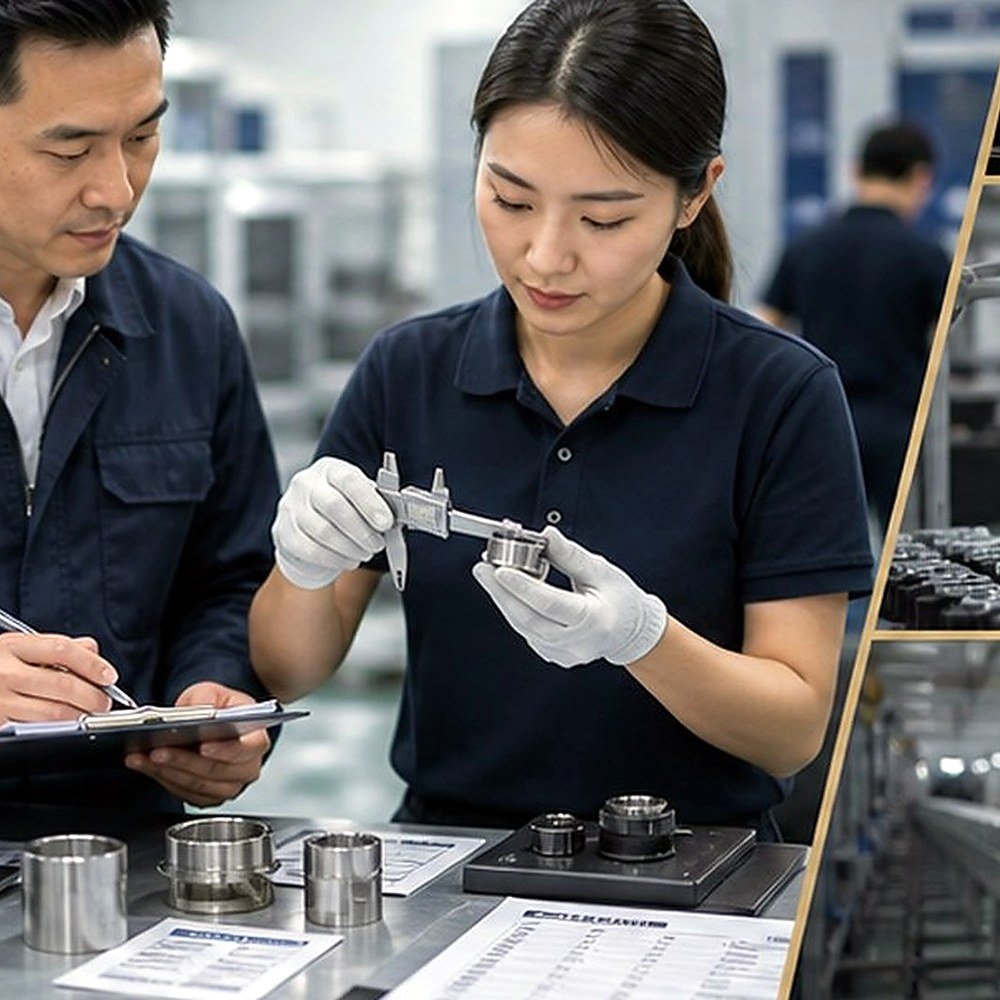
Supplier examples
Details buyers can review before they compare supplier options.
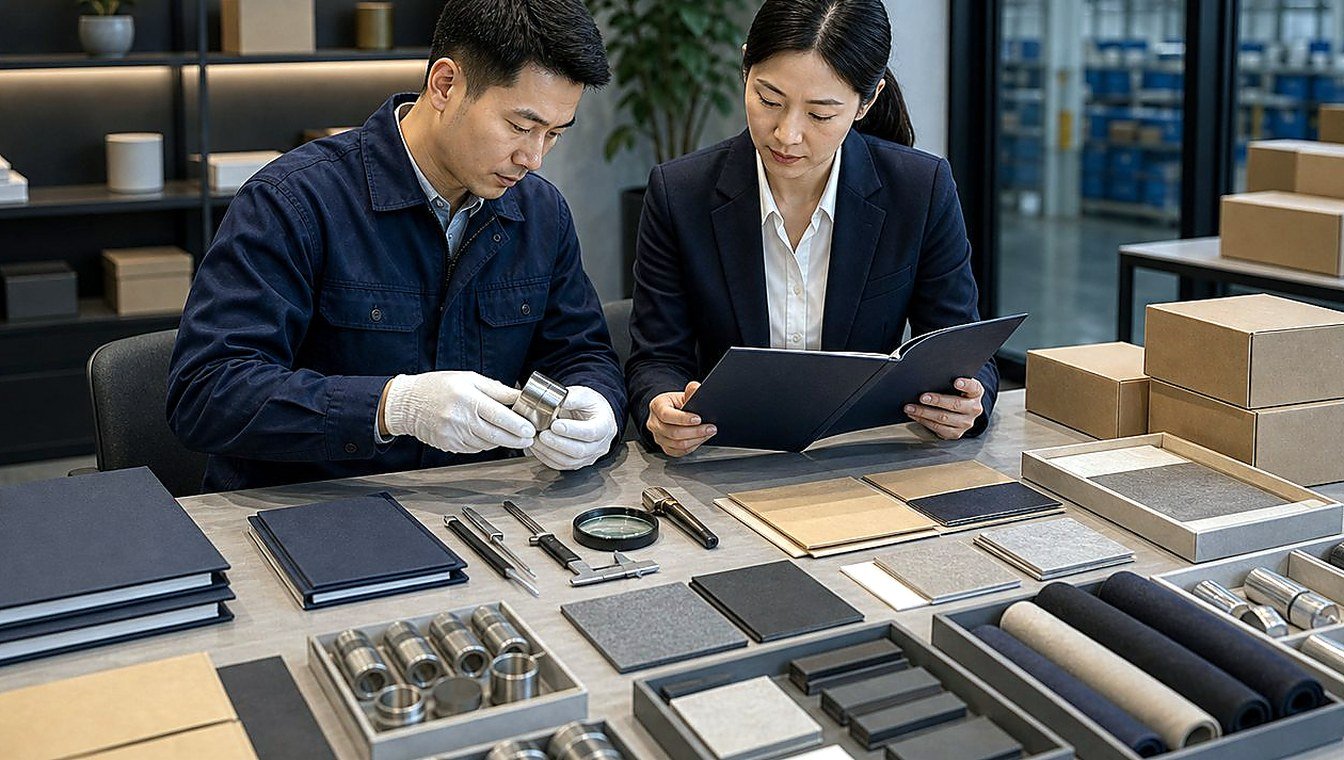
Checklist view
China-side coordination evidence organized for clearer decisions.

Practical review
Operational details that help reduce avoidable sourcing mistakes.

Next steps
Preparation notes for production, packing, or shipment follow-up.


How to Spot Fake Factories: 25+ Red Flags That Separate Real Manufacturers from Frauds
Fake factories cost importers millions every year. This guide reveals the subtle clues that expose fraudulent suppliers, factory impersonators, and trading company deception before you send your first deposit.
- 25+ red flags across websites, credentials, pricing, and communication.
- Common fraud patterns showing exactly how buyers lose deposits.
- A step-by-step verification workflow to run before any payment.
Sourcing risk, made manageable
Fraud prevention, dispute handling, and risk assessment explained before problems happen.
Red flags, explained
Common contract and supplier warning signs identified before you sign anything.
Verified before deposit
Supplier and factory checks coordinated before your money moves — not after.
Buyer-approved, LIFA-managed
LIFA runs the daily sourcing work; you approve supplier choice, quotation, and payment.
Fake Factories Are a Business Model, Not an Accident
Trading companies posing as manufacturers, borrowed factory photos, and impersonated business licenses are not rare edge cases—they are an organized, repeatable pattern used against inexperienced buyers every day.
Website & Listing Red Flags
- Factory photos that reverse-image-search back to other companies
- Stock photography used for "our factory" or "our team"
- Company registration date inconsistent with claimed years in business
- No verifiable street address, or address matches a residential building
Credential Red Flags
- Business license photo is low-resolution or partially obscured
- Company name on license doesn't match the name on quotes/invoices
- Cannot produce the license when asked directly, or delays repeatedly
- Not listed (or listed under a different name) on qichacha.com
Communication Red Flags
- Cannot answer specific technical questions about the production process
- Deflects every technical question to "our engineer will confirm"
- Uses generic, copy-paste responses across unrelated product categories
- Refuses video calls or live factory walkthroughs
Pricing Red Flags
- Price is 30%+ below every other quote for the same specification
- Requests unusually high deposit (60-100%) before any sample is approved
- Payment requested to a personal bank account, not a company account
Reference Red Flags
- Cannot provide any existing customer references
- Reviews are all posted within the same narrow date window
- References, when contacted, describe a different factory or product line
Factory Visit Red Flags
- Actively discourages or delays a factory visit indefinitely
- Production capacity claimed doesn't match visible equipment on a video call
- Products from your order are being made at a visibly different, subcontracted site
Three Common Fraud Patterns Importers Encounter
These are composite, illustrative scenarios built from the fraud patterns commonly reported by importers working with unverified suppliers — not specific documented incidents.
Case 1: The Professional Website Imposter
What happened: Buyer found supplier on Alibaba with 4.8-star rating, professional website showing factory facility, 2-year company history, and numerous customer reviews.
Red flags in hindsight:
- Reverse Google image search showed factory photos were from 5 different real factories
- Customer reviews were all posted on same days (clearly posted in batches)
- When contacted directly, customers either didn't exist or warned buyer: "That's not their real factory"
- Price was 35% below market for equivalent quality
- Wanted 50% deposit before sample approval
The result:
Buyer sent $25,000 deposit. "Factory" sent samples 60 days late (copied from another factory). Buyer rejected due to quality. Requested refund. Company went silent. Number was disconnected. WeChat account disappeared. No legal recourse (payment was to personal bank account).
The lesson:
Professional appearance is not proof of legitimacy. Reverse image search + direct customer verification would have caught this immediately.
Discuss This 🏭Case 2: The Half-Fraud Factory
What happened: Buyer worked with factory that was real but severely lied about capabilities. Factory operated for 3 years, had actual customers, passed verification checks.
Red flags in hindsight:
- Factory claimed capacity of 50,000 units/month but only had equipment for 10,000/month
- Buyer's large order (15,000 units) was "subcontracted" to other factories without buyer knowledge
- Quality varied dramatically between shipment batches (because different factories made them)
- Factory couldn't explain production timeline delays
- Factory pressured buyer not to visit during production phase
The result:
Of 15,000 units shipped, 3,500 had defects. Buyer had to issue recalls to own customers. Contacted factory about replacement. Factory offered 5% refund and blamed "quality variation" inherent to manufacturing. Buyer accepted partial loss rather than pursue legal action.
The lesson:
Factories lie about production capacity constantly. Site visits, production verification, and conservative MOQ estimates protect you. Subcontracting without permission is a major red flag.
Read the Guide 💳Case 3: The Payment Scheme Fraud
What happened: Buyer worked with what appeared to be legitimate electronics factory for 2 successful orders. On third order ($80,000), factory requested unusual payment structure.
Red flags in hindsight:
- Requested payment to "personal account" instead of company account (said "company account was under maintenance")
- Bank account belonged to person with different name than company director
- When buyer questioned, factory gave vague explanation about "family business structure"
- First two orders had been paid to company account, this was a sudden change
The result:
Buyer sent $80,000 to personal account. Money was transferred to cryptocurrency exchange and disappeared. When buyer contacted factory, different person answered phone—claimed to know nothing about the deal. Investigation revealed this was organized fraud ring: they'd purchased legitimate company's business registration and were using established customer relationships to commit wire fraud before disappearing.
The lesson:
Any change in payment method is a red flag. Legitimate factories maintain consistent payment practices. Personal account payments = high risk of fraud.
Read the GuideYour Verification Workflow: From Suspect to Trusted
Use this step-by-step process to verify supplier legitimacy before sending any money.
Pre-Contact Research (0 cost)
- Reverse Google image search all factory photos
- Search company name + "scam" / "fraud" in English & Chinese
- Check Alibaba/Global Sources review history (look for review patterns)
- Verify website domain registration age and registrant
- Look up company on qichacha.com (China corporate database)
Initial Contact & Communication
- Ask very specific technical questions about production process
- Request business license photo and cross-check the registered name
- Ask for 2-3 existing customer references and actually contact them
- Request a live video call showing the factory floor in real time
Verification Before Deposit
- Commission a third-party factory audit if the order size justifies it
- Confirm the bank account name matches the company name exactly
- Start with a small trial order before committing to full production volume
Ongoing Monitoring
- Watch for sudden changes in payment instructions or contact details
- Request in-production photos/video at agreed milestones
- Use pre-shipment inspection on every order, not just the first one
Open to Transparent Buyer Feedback
LIFA Global Trade welcomes honest customer reviews on Trustpilot. Real feedback helps buyers evaluate our China sourcing support, communication, and coordination services with transparency.
Your honest feedback helps us improve our sourcing support and helps other buyers make informed decisions.
Spotting fake factories, answered simply.
The questions buyers ask most about verifying a Chinese supplier's legitimacy.
Trading companies posing as manufacturers, borrowed factory photos, and impersonated business licenses are not rare edge cases — they are an organized, repeatable pattern used against inexperienced buyers regularly, which is why a verification routine matters for every new supplier.
Reverse Google image search all factory photos, search the company name plus terms like scam or fraud in both English and Chinese, check review patterns on the platform, verify the website domain's registration age, and look the company up on a Chinese corporate database such as qichacha.com.
A price 30% or more below every other quote for the same specification often signals either a trading company misrepresenting itself as a factory, a bait-and-switch on materials or quality, or an outright fraud attempt designed to collect a deposit and disappear.
Legitimate factories maintain consistent payment practices to a registered company account. A sudden request to pay a personal account, especially one under a different name than the company director, is one of the clearest indicators of fraud and removes most legal recourse if something goes wrong.
Yes. A factory can be a genuinely registered, operating business that still exaggerates its production capacity, quietly subcontracts orders to other factories without disclosure, or misrepresents its quality systems — which is why capability verification matters even after confirming legal identity.
Confirm the bank account name matches the company name exactly, request a live video walkthrough of the factory floor, ask for and independently contact existing customer references, and consider a third-party factory audit if the order size justifies the cost.
Where to Go Next
Continue exploring related supplier verification topics.
How to Verify Chinese Suppliers
A practical guide to checking supplier background before ordering.
Read the Guide 02Supplier Verification Checklist
A ready-to-use checklist covering registration, samples, and references.
Read the Guide 03Supplier Verification Service
LIFA checks business licenses and factory claims before you pay.
Explore This ServiceLet LIFA Verify Before You Pay
Our China-based team checks business licenses, confirms factory claims, and can arrange an in-person or video factory visit before you commit any deposit.