
Beginner: understand the decision
Name the event and owner. A beginner should distinguish a risk, an issue already happening, a control, a contingency, and a decision trigger. Use How to Avoid Sourcing Scams as the decision record for this level.
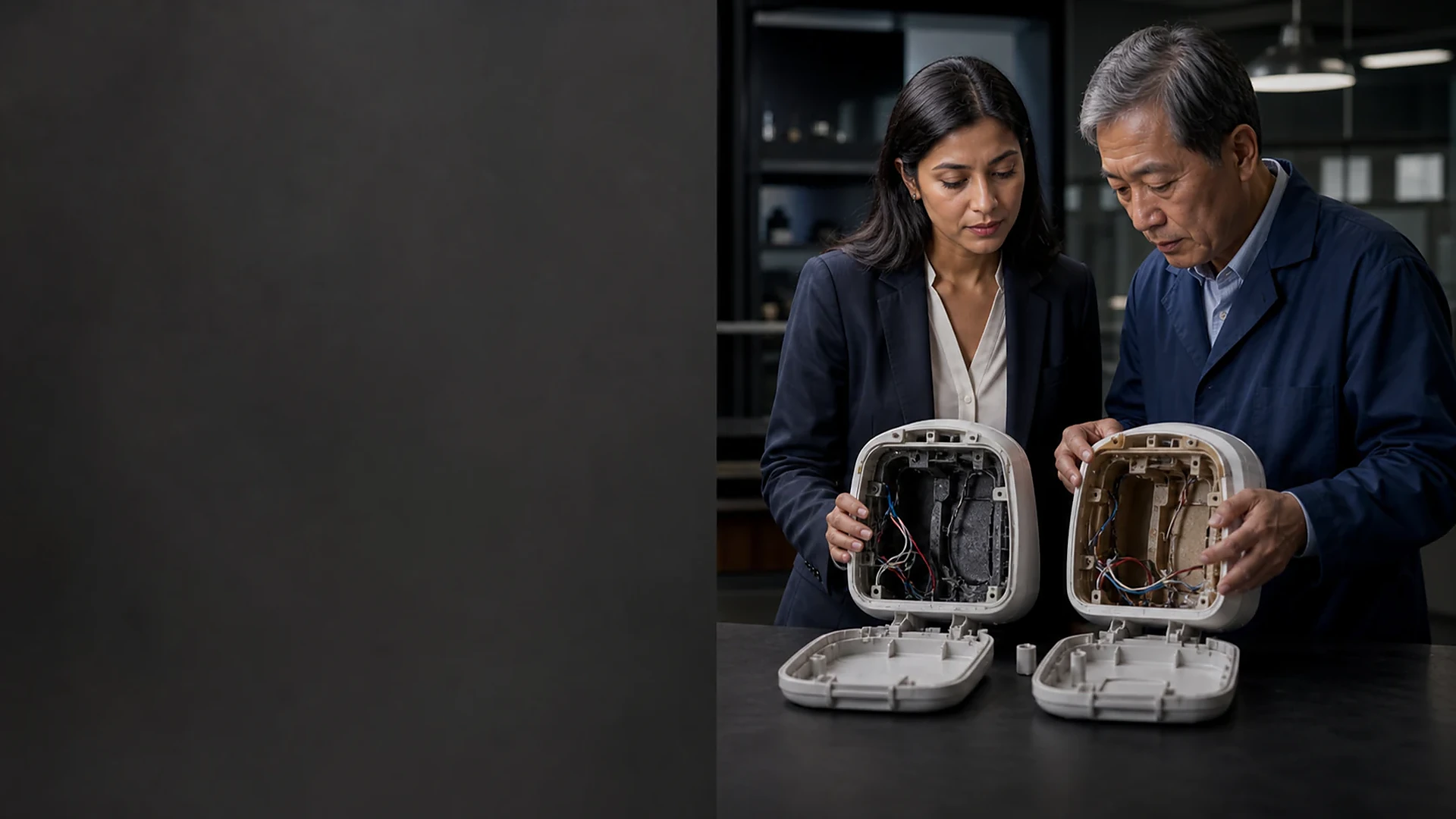
Learn which company, payment and production inconsistencies need investigation. Use records and independent checks to assess concerns before committing funds.
Supplier warning signs matter most when they interrupt a verifiable transaction record.
Pressure to pay immediately, refusal to allow verification, and pricing that's implausibly low compared to the rest of the market...
Use these steps as a starting point, and adjust them to fit your product and risk tolerance.
Concrete points to check before you move forward, based on what buyers commonly overlook.
The quick answer: verify the transaction as separate layers. Reconcile the legal entity, manufacturing site, authorized contact, contract party, invoice issuer, and beneficiary; validate payment-detail changes through a previously trusted channel; and connect each release to defined evidence. Treat unusual price, urgency, secrecy, restricted access, inconsistent documents, and unexplained parties as prompts for investigation rather than universal proof of fraud.
On the "How to Avoid Sourcing Scams" page, LifaSourcing.com can organize China-side communication and supporting steps. The buyer still owns supplier selection, payment decisions, product compliance and destination import requirements.

Use How to Avoid Sourcing Scams as the topic: each level depends on the record discipline established before it. Complete the beginner controls before relying on the advanced ones.
Name the event and owner. A beginner should distinguish a risk, an issue already happening, a control, a contingency, and a decision trigger. Use How to Avoid Sourcing Scams as the decision record for this level.
Use evidence and test controls. A practitioner can score exposure consistently, monitor leading indicators, and prove whether a mitigation works. Reconcile that evidence inside the How to Avoid Sourcing Scams workflow.
Manage portfolio and correlated risk. An expert models dependencies across suppliers, tooling, materials, logistics, markets, cash, compliance, and data, then sets board-level acceptance and escalation rules. Apply those governance rules to the How to Avoid Sourcing Scams decision.
Use these steps as a starting point, and adjust them to fit your product and risk tolerance.
Don’t rely solely on documents the supplier provides; cross-check where possible.
View Service 06An unusually low price is worth questioning, not automatically rejecting. Before deciding on be cautious of prices far below market rate, normalize every offer to the same product, quantity, delivery term, packaging, inspection basis, and destination boundary. Flag unpriced items and conditional terms, because a lower quotation can shift cost, quality, inventory, timing, or risk elsewhere in the order.
Discuss This 07Requests to use unusual personal accounts or untraceable payment methods are a warning sign. Evaluate avoid payment methods that bypass normal channels on one commercial basis: specification, quantity, currency, Incoterm, validity period, MOQ, tooling, packaging, payment terms, lead time, and exclusions. Keep confirmed amounts separate from estimates and require written buyer approval before accepting a price or payment commitment.
Read the Guide 08A supplier with a real operating history usually has some form of verifiable track record.
Discuss This 09A first order at moderate size tests the relationship before committing to bulk volume. Connect use samples and small first orders to test reliability to the exact model, specification revision, approved sample, lot or batch, test method, defect class, result, corrective action, and release owner. Keep exceptions open until the buyer reviews evidence from a recheck or accepts the stated limitation in writing.
View ServiceUse these steps as a starting point, and adjust them to fit your product and risk tolerance.
Legitimate suppliers rarely require an immediate decision to hold a price.
Discuss This 11Normalize specification, quantity, terms, inclusions, evidence, and total cost before deciding whether an outlier is error, scope difference, risk, or a valid offer. The comparison for an outlier price requires scope and evidence checks shows more than unit price. Align quantity breaks, material or specification changes, sample and tooling costs, packaging, quality controls, freight responsibility, payment milestones, timing, and validity so the buyer can see which trade-off creates the apparent saving.
Discuss This 12Even careful checks reduce risk; they don’t certainty claim a scam-free transaction. No verification method is completely foolproof states what is being checked, which revision applies, how the result is measured, and who can release the next step. When evidence conflicts, isolate the affected product or batch and require a traceable correction or recheck before shipment approval.
View ServiceSeparate identity, authority, product, payment, and release checks. Verify the legal entity and intended factory from independent records; confirm who is authorized to quote and contract; match the beneficiary to the approved transaction; verify every payment-detail change through a previously trusted channel; and release money only against defined evidence. A warning sign starts a check. It does not prove fraud, and the absence of warning signs does not prove safety.
| Control area | Evidence to capture | Independent check | Stop or escalate when |
|---|---|---|---|
| Entity and location | Chinese legal name, unified social credit code, registration status, registered address, business scope, contract party, factory address, and stated relationship among factory, exporter, and payee | Search the official Chinese enterprise registry and reconcile translations, addresses, directors or legal representative, and supplied records | The contracting, invoicing, manufacturing, and payment parties cannot be explained and documented consistently |
| Communication and authority | Company domain, full sender address, known telephone numbers, role, quotation authority, approval chain, and version history | Confirm sensitive instructions using a number or contact already validated, not contact data inside the new request | The domain changes subtly, the contact moves to a private channel, a new person overrides controls, or urgency is used to block verification |
| Offer and order scope | Controlled specification, sample identity, quantity, MOQ, price basis, Incoterms rule and named place, schedule assumptions, compliance duties, inspection, warranty, and remedies | Compare the offer with evidence of product and process capability and with other like-for-like quotations | A price, certificate, image, reference, capacity statement, or delivery promise cannot be traced to the proposed product and party |
| Beneficiary and payment | Account name, bank, jurisdiction, currency, invoice, purchase order, milestone, amount, approver, and evidence required before release | Reconfirm a new account or payment procedure out of band with the intended recipient and apply the buyer's internal dual-approval controls | Payment moves to a personal, unrelated, unexplained, or newly changed account, or the change cannot be independently verified |
| Production and release | Approved sample and revision, material and change records, production status, lot identity, inspection or test evidence, shipment documents, and buyer disposition | Use proportionate third-party or buyer-controlled evidence and reconcile it with the commercial lot | Access is restricted without a credible reason, records conflict, goods are substituted, or payment and shipment pressure bypasses an open failure |
| Incident response | Chronology, messages with headers, contracts, invoices, beneficiary and transaction data, platform records, documents, screenshots, and named custodians | Contact the financial institution or payment provider immediately; use the relevant platform, insurer, counsel, and official reporting route for the jurisdiction | A transfer may be fraudulent, an account is compromised, evidence may disappear, or further payment or disclosure has been requested |
The FBI's current business-email-compromise guidance specifically says to verify changes in account numbers or payment procedures and to contact the financial institution immediately if funds were sent. IC3 provides a U.S. reporting route. Buyers outside the United States should use their own bank and relevant local authorities; neither source creates a global recovery guarantee.
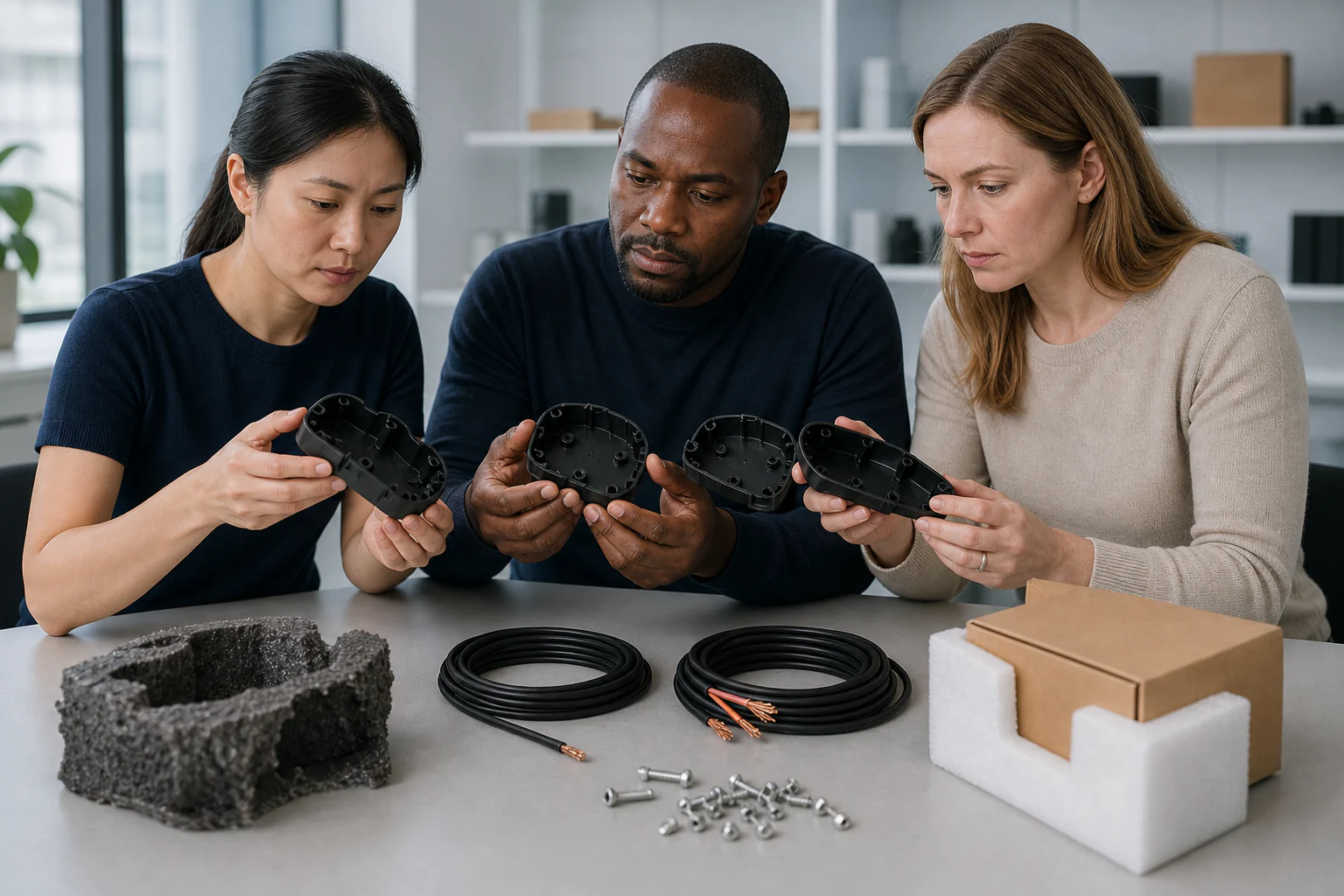
Pressure to pay immediately, refusal to allow verification, and pricing that's implausibly low compared to the rest of the market are the recurring signals that appear before money is lost, not after.
Pressure, secrecy, or an unexpected instruction should trigger the buyer's pre-agreed callback and approval controls, regardless of who appears to send it. Define urgency and secrecy require independent verification before the check takes place: measurable requirement, sampling or test method, tolerance, critical and non-critical defects, evidence format, and pass, hold, or fail authority. The decision record should preserve the original finding instead of replacing it with a later correction.
Use documented instruments, beneficiary checks, dual approval, and evidence-linked milestones to limit exposure, subject to the provider and contract terms. The comparison for payment controls are one layer of defense shows more than unit price. Align quantity breaks, material or specification changes, sample and tooling costs, packaging, quality controls, freight responsibility, payment milestones, timing, and validity so the buyer can see which trade-off creates the apparent saving.
On the "How to Avoid Sourcing Scams" page, LifaSourcing.com keeps the sourcing tasks in a reviewable sequence so the buyer can approve each stage before moving forward.
We review your product details, quantity, target market, and sourcing needs.
We help identify supplier options and compare basic information.
We support checking supplier details before the buyer moves forward.
We help compare price, MOQ, lead time, payment terms, and product details.
We help organize samples, order details, inspection needs, and shipping preparation.
Concrete points to check before you move forward, based on what buyers commonly overlook.
Cross-check registration details through a third party rather than relying only on documents the supplier provides.
A high deposit demand from an unverified supplier is a common warning sign worth pausing on.
A modest first order tests reliability before larger sums are at risk.
One good or bad interaction doesn't tell the full story; look for consistency across several points of contact.
This sequence turns How to Avoid Sourcing Scams into a reviewable sourcing record. Adapt the depth to the product, order, market, and risk while keeping the decision trail intact.
Describe the event, affected product or supplier, root dependency, time horizon, and buyer decision at risk. Apply this step to How to Avoid Sourcing Scams: retain the input and approval that make it reviewable.
Score the chance and consequence using stated evidence, then identify uncertainty and correlated failures. Apply this step to How to Avoid Sourcing Scams: retain the input and approval that make it reviewable.
Choose an observable signal that appears before the loss, such as capacity drift, defect recurrence, cash pressure, or regulatory change. Apply this step to How to Avoid Sourcing Scams: retain the input and approval that make it reviewable.
Reduce probability through qualification, specification control, dual approval, monitoring, contract terms, or supplier development. Apply this step to How to Avoid Sourcing Scams: retain the input and approval that make it reviewable.
Define the threshold, evidence, owner, decision deadline, and action before pressure makes the choice ambiguous. Apply this step to How to Avoid Sourcing Scams: retain the input and approval that make it reviewable.
Validate backup suppliers, data access, tooling rights, alternate routes, cash needs, and communication paths before relying on them. Apply this step to How to Avoid Sourcing Scams: retain the input and approval that make it reviewable.
Record what remains, who accepts it, when it will be reviewed, and what new evidence would change the decision. Apply this step to How to Avoid Sourcing Scams: retain the input and approval that make it reviewable.
Use this How to Avoid Sourcing Scams table as a working rule. It does not replace current legal, customs, testing, financial, or technical advice for the exact transaction.
| Route | Use it when | Minimum evidence | Stop condition |
|---|---|---|---|
| Monitor | Impact is bounded and a leading indicator can be observed before an irreversible loss. | Named owner, measure, threshold, review date, response plan. | No one can explain what evidence would trigger action. |
| Mitigate now | Exposure is material but can be reduced through a practical control or diversification step. | Costed control, implementation owner, test evidence, residual-risk approval. | The control exists only on paper or depends on the same failure point. |
| Stop or escalate | Safety, legality, identity, payment integrity, or business continuity is outside the approved tolerance. | Incident record, preserved evidence, authority decision, recovery plan. | Commercial pressure is used to bypass the stated threshold. |
Use How to Avoid Sourcing Scams to frame the matched case decision without adding claims or outcomes beyond its source classification.
CRISIS: the fire destroyed 60% of work-in-progress 4 weeks before delivery; penalties were up to €120,000; 2 retail chains threatened delisting.
These snapshots reflect how LifaSourcing.com keeps a sourcing project organized: clear supplier communication, careful verification and quality checks, and shipping prepared before handover.

Organized requirements make supplier answers easier to compare.
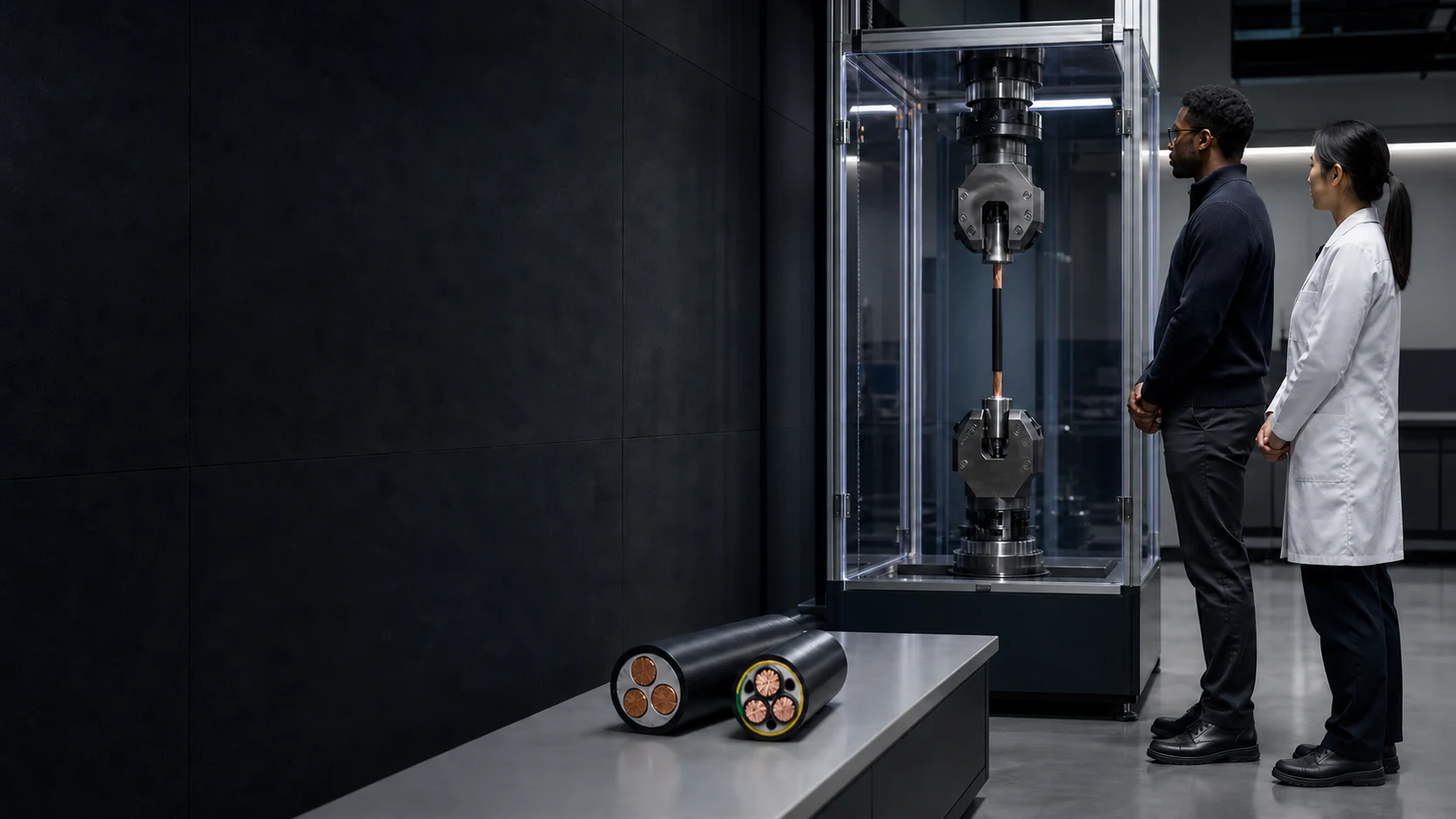
Connect verification and quality checks to the exact model, specification revision, approved sample, lot or batch, test method, defect class, result, corrective action, and release owner. Keep exceptions open until the buyer reviews evidence from a recheck or accepts the stated limitation in writing.

Packaging, handover, and freight details are prepared before shipment.
Escalate How to Avoid Sourcing Scams: act when the decision affects safety, legal market access, protected IP, high-value tooling, restricted goods, unusual payment instructions, disputed identity, or a dependency that could stop the business.
Set the How to Avoid Sourcing Scams threshold before the event: defect severity, cost variance, delay, capacity load, document conflict, compliance gap, payment change, or repeated corrective-action failure.
Escalate How to Avoid Sourcing Scams: bring in the relevant laboratory, engineer, customs broker, lawyer, accountant, insurer, or market authority when credentials or current jurisdiction-specific interpretation are required.
Keep the How to Avoid Sourcing Scams evidence: source documents, versions, correspondence, approvals, exceptions, corrective actions, and review dates for the period required by the buyer's market, contract, and internal policy.
Settle these practical questions before applying How to Avoid Sourcing Scams to a live supplier, order, quality, compliance, or shipment decision.
On the "How to Avoid Sourcing Scams" page, record the approved requirement, comparable supplier or route inputs, supporting documents, exceptions, corrective actions and the buyer's dated approval. Keep model, batch, quotation, sample, inspection, payment and shipment references together so the next reviewer can see what changed and why.
For a hypothetical sourcing decision on this page, begin with one written requirement and a defined destination. Compare like with like, request evidence for every material claim, record exceptions, and approve the next supplier, payment, quality, or shipment step only after the evidence matches the brief. This example is specific to the "How to Avoid Sourcing Scams" page and does not promise an outcome.
Clear expectations help keep China sourcing work practical and responsible.
Risk patterns and platform controls vary, and a platform badge or dispute feature does not verify the complete transaction. Check the actual legal entity, factory, authorized contact, beneficiary, offer, evidence, and payment terms, then read the platform's current protection eligibility, exclusions, deadlines, and remedy rules.
Stop further payment or data disclosure, contact the financial institution or payment provider immediately, request the available recall or fraud process, and preserve full messages, headers, invoices, beneficiary data, contracts, and platform records. Notify the relevant platform, insurer, counsel, and official reporting authority for the jurisdiction; U.S. victims can report through IC3. Recovery is not guaranteed.
A card or platform may offer a dispute route for an eligible transaction, while a wire may have different recall options, but protection depends on the issuer or provider terms, transaction type, evidence, exclusions, and deadlines. Confirm the current written rules before paying; no instrument replaces entity, beneficiary, product, and release controls.
This How to Avoid Sourcing Scams tutorial was reviewed on 2026-09-02. Standards, tariffs, customs procedures, platform rules, product requirements, and enforcement practice can change. Confirm the current rule for the exact product, configuration, origin, destination, importer, sales channel, and claim before relying on it.
Primary reference: OECD due diligence guidance for responsible business conduct
Use the Chinese registry and transaction-specific due diligence for identity checks. FBI and IC3 guidance supports payment-change verification and rapid incident response; its reporting route is U.S.-specific.
Continue from How To Avoid Sourcing Scams into the guides, services, and tools that support the next documented buyer decision.
Find product options and supplier sources that match your target market and quantity.
Explore This Service 14Review supplier information before committing to payment, samples, or production.
Explore This Service 15Compare price, MOQ, lead time, and terms across supplier quotations.
Explore This Service 16Read practical sourcing guides written for first-time and experienced buyers.
Browse Guides 17Send your product details and get a practical next step from LifaSourcing.com.
Start This RequestMost scams are stopped by verification and payment structure, not by suspicion.
The checks that catch a fake supplier before payment.
Read the guide 19Structure payment so a bad actor cannot take the whole order.
Read the guide 20The most common misrepresentation in China sourcing.
Read the guideFor Avoid Sourcing Scams, enter the actual order's specification, quantity, destination, quotation basis and current costs in the AI Trade Desk conversation. Record assumptions and unresolved inputs before approval.