services custom packaging labeling for Private Label Sourcing Guide
Your Brand, Their Factory

Private Label Sourcing Guide

Private-label development combines product selection with controlled branding, packaging and market preparation. Start by separating cosmetic customization from changes that affect performance or compliance. Then approve the product and branded pack together so that supplier, inspection and channel records describe the same item.

Four key decisions on this page

Private Label Sourcing Guide

Private-label development combines product selection with controlled branding, packaging and market preparation.

What is the complete step-by-step method?

Use these steps as a starting point, and adjust them to fit your product and risk tolerance.

Practical checklist

Concrete points to check before you move forward, based on what buyers commonly overlook.

Private label sourcing: coordinate the product and...

Buyers need to align factory capability, product requirements, artwork, packaging, compliance, samples, MOQ, and quality checks...

18 min read Reviewed Library China sourcing guide
101 to expert tutorialReviewed 2026-09-02

Learn Private Label Sourcing Guide as a controlled buyer decision

What you will be able to do

  • Explain Private Label Sourcing Guide in plain language and identify the buyer decision it controls.
  • Prepare a category-specific product brief and a material and component specification before the next irreversible commitment.
  • Apply the lesson to the page section "Private label sourcing: coordinate the product and the brand as one specification" using evidence rather than assumptions.
  • Recognize when "What is the complete step-by-step method?" requires specialist, laboratory, broker, legal, or regulatory review.

Inputs to have ready

  • A category-specific product brief
  • A material and component specification
  • A sample and test plan
  • A pilot-to-production control plan
Learning path

Build the skill in three passes

Use Private Label Sourcing Guide as the topic: each level depends on the record discipline established before it. Complete the beginner controls before relying on the advanced ones.

01

Beginner: understand the decision

Learn the product vocabulary and define intended use. A beginner should turn a reference image into measurable materials, dimensions, functions, packaging, quantity, and destination requirements. Use Private Label Sourcing Guide as the decision record for this level.

02

Practitioner: control the evidence

Control samples and production transfer. A practitioner can compare category-capable suppliers, freeze an approved construction, and connect inspections to the real failure modes. Reconcile that evidence inside the Private Label Sourcing Guide workflow.

03

Expert: govern the system

Manage lifecycle and scale risk. An expert governs tooling, material substitutions, subcontractors, validation, capacity, compliance changes, and defect trends across product revisions. Apply those governance rules to the Private Label Sourcing Guide decision.

Guide in practice

Private label sourcing: coordinate the product and the brand as one specification

Buyers need to align factory capability, product requirements, artwork, packaging, compliance, samples, MOQ, and quality checks before branded production begins.

China sourcing workflow
Brand details become order details

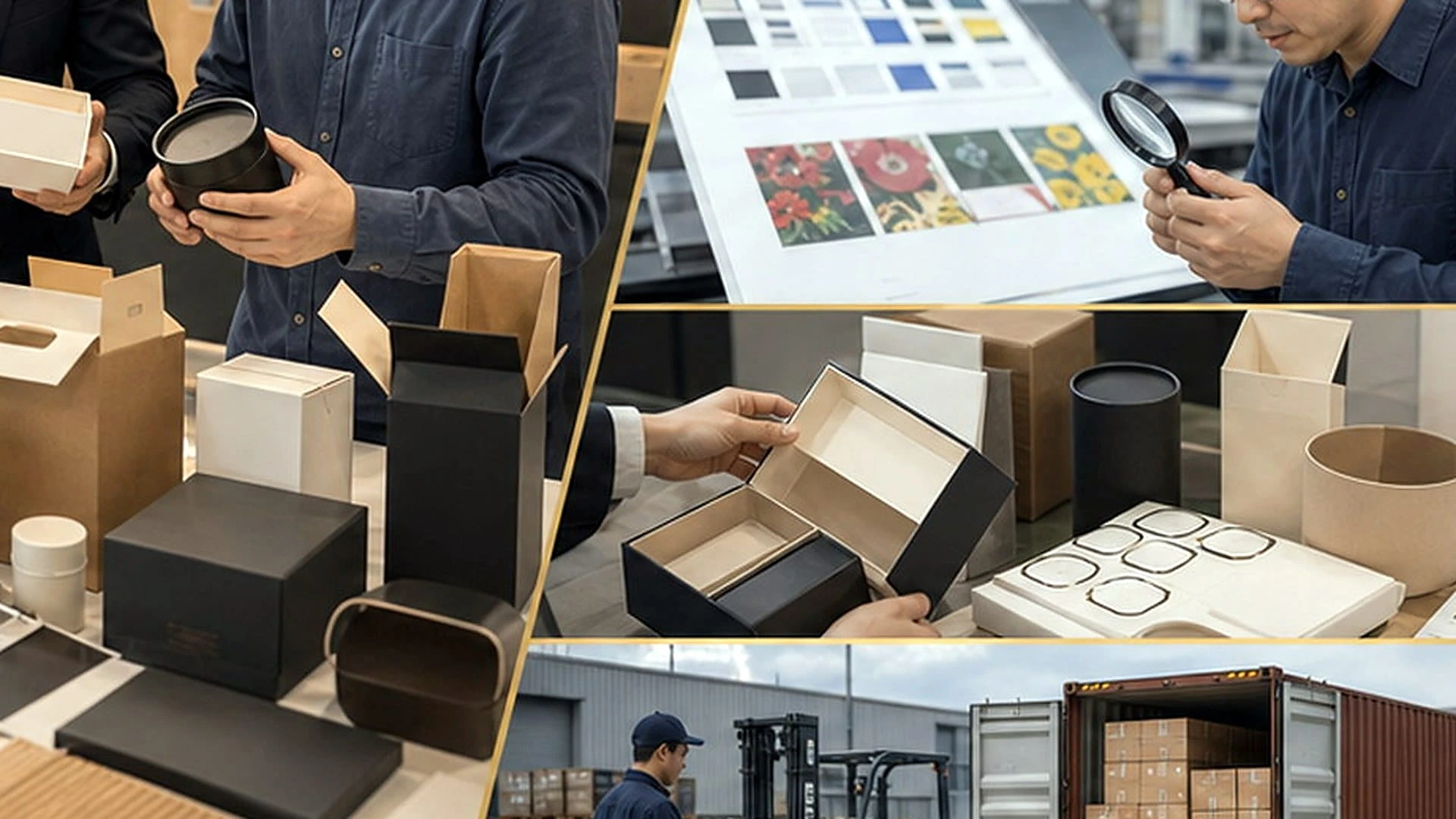
Artwork, label text, packaging materials, finishes, and tooling ownership should be agreed alongside the product.

Approve a physical branded sample where practical and keep the final files, dimensions, colors, and production references documented. Keep the owner, open questions, and buyer approval visible as work moves forward. Review this decision for the exact product, model, materials, intended use, destination, sales channel, labels, and claims. Match certificates or reports to the produced configuration and confirm current obligations with the responsible authority or a qualified specialist before market release.

Practical sourcing guide

Quick Answer

The quick answer: private label can range from applying a brand to existing stock through significant product and packaging customization. The exact product, origin of each design, exclusivity, IP ownership or license, supplier use, tooling, compliance role, MOQ, cost, validation, and production controls must be defined in evidence and agreements rather than inferred from the label.

On the "Private Label Sourcing Guide" page, LifaSourcing.com can organize China-side communication and supporting steps. The buyer still owns supplier selection, payment decisions, product compliance and destination import requirements.

  • Define the exact product, customization, rights, evidence, and exclusivity instead of relying on the private-label category.
  • Agree in writing who owns artwork, tooling, and moulds before production starts.
  • Check labelling and compliance requirements for your destination market early.
Sourcing process overview and buyer workflow

What is the complete step-by-step method?

Use these steps as a starting point, and adjust them to fit your product and risk tolerance.

05

Confirm the supplier accepts private label orders

Not every supplier offers custom packaging or labeling at lower volumes.

06

Prepare artwork and label specifications

Compliance-relevant content, such as origin marking and warnings, should be finalized early.

07

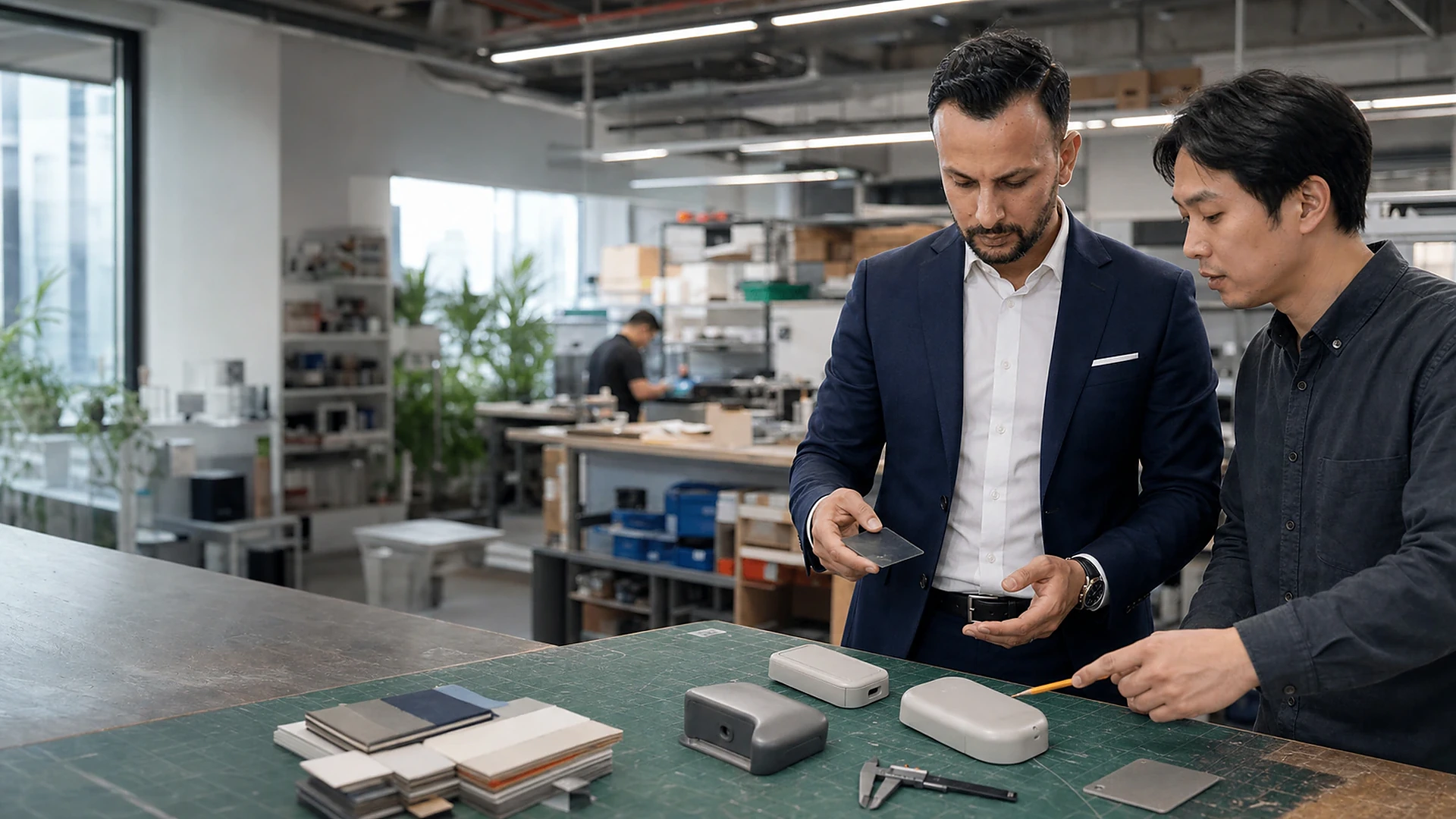
Coordinate combined product and packaging samples

Review both together since they represent the finished branded product.

08

Confirm MOQ for custom packaging

Product, print, packaging, label, component, setup, and supplier minimums may differ; ask for each driver separately.

09

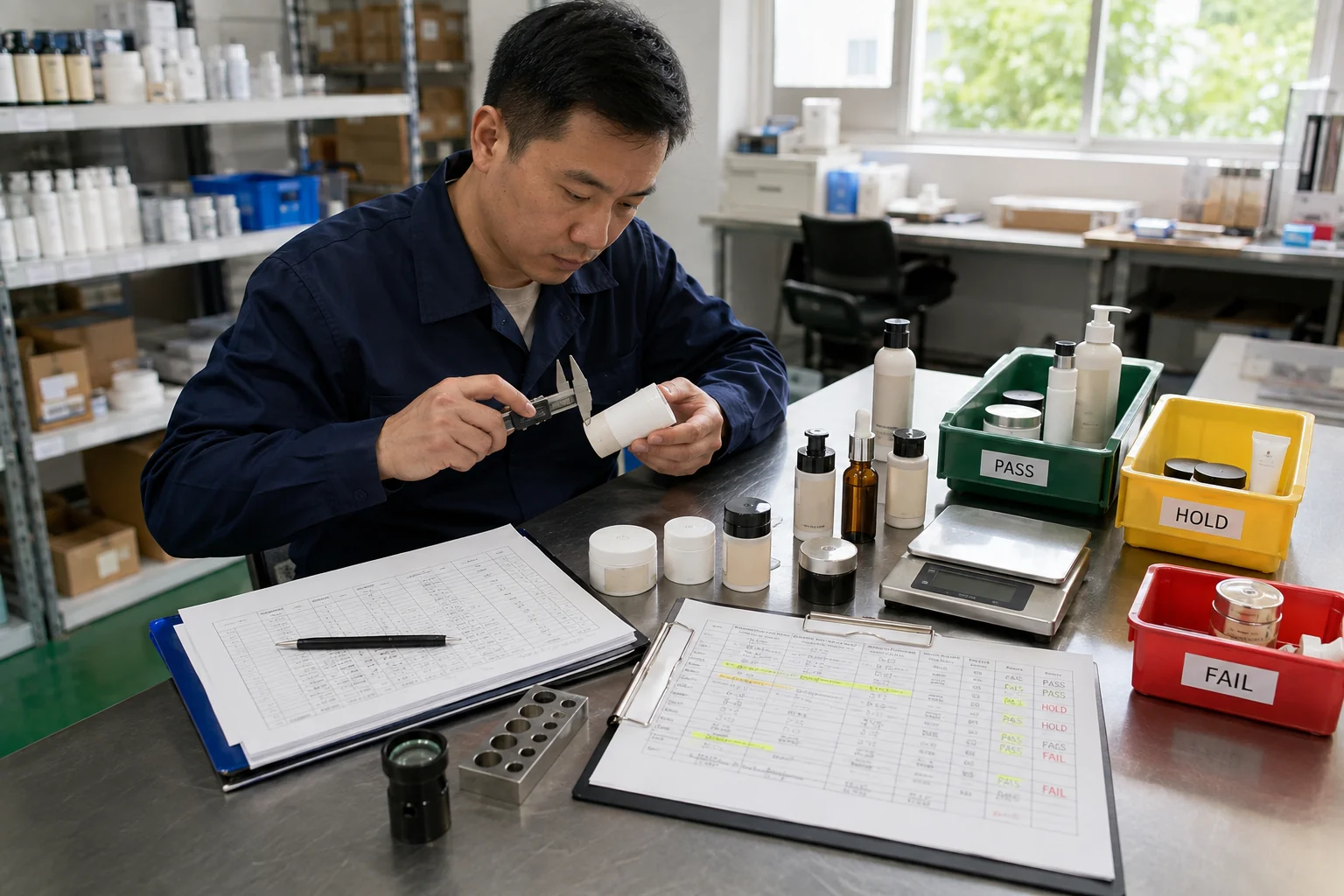
Plan quality checks before shipment

Branded goods often warrant an extra look given the reputational stakes.

How the work is organized

On the "Private Label Sourcing Guide" page, LifaSourcing.com keeps the sourcing tasks in a reviewable sequence so the buyer can approve each stage before moving forward.

01

Inquiry Review

We review your product details, quantity, target market, and sourcing needs.

02

Supplier Search

We help identify supplier options and compare basic information.

03

Supplier Verification

We support checking supplier details before the buyer moves forward.

04

Quotation Comparison

We help compare price, MOQ, lead time, payment terms, and product details.

05

Sample / Order Preparation

We help organize samples, order details, inspection needs, and shipping preparation.

Which authoritative sources support the page, and when was it reviewed?

Use these steps as a starting point, and adjust them to fit your product and risk tolerance.

10

Label compliance varies by destination market

Required marks and warnings differ by country and product type.

11

Custom packaging can introduce a separate minimum

Confirm this early so it doesn’t surprise you later in the process.

12

Brand reputation rests on consistent quality

A quality issue reflects on your brand, not just the manufacturer.

Practical checklist

Concrete points to check before you move forward, based on what buyers commonly overlook.

Confirm the supplier's minimum order for private label runs

Separate product, print, label, carton, insert, component, setup, and supplier minimums before comparing options.

Provide complete artwork files early

Incomplete or low-resolution files are a common cause of delays in the proofing stage.

Request a physical packaging proof, not just a digital mockup

Colors and materials can look different in person than on a screen.

Clarify who owns the packaging design and tooling

This matters if you later want to switch suppliers while keeping the same branding.

Brand-to-production control file

What must a private-label sourcing specification control?

Control the sellable branded item as one system: product configuration, claims, destination requirements, artwork, packaging, brand and design assets, supplier permissions, samples, production checks, and release evidence. Private label can range from applying a brand to existing stock through substantial product and packaging customization; the label does not establish originality, exclusivity, IP ownership, compliance role, cost, MOQ, or risk.

Control layerRecord before quotation or approvalProduction evidenceChange or release gate
Product identityModel, intended use and user, variants, dimensions, materials, components, construction, performance, accessories, and approved referencesSupplier configuration, bill of materials where appropriate, signed sample status, test and inspection criteria, and traceabilityNo alternate component, material, software, factory, process, or subcontractor without impact review and buyer approval
Claims and market positionEvery performance, safety, material, origin, environmental, health, comparison, or other objective claim and the market where it will appearEvidence that actually covers the claim, product, configuration, conditions, audience, and current wordingLegal or qualified review for regulated or high-risk claims; reject unsupported wording even if a supplier or competitor uses it
Destination compliance and market roleCountries and channels, product classification, responsible economic operators, applicable rules, conformity route, registration, labels, warnings, language, instructions, and retention dutiesCurrent technical file, declarations, reports, certificates where required, registrations, label and manual proofs, and production-conformity controlsRecheck when product, component, supplier, claim, artwork, rule, standard, market, or responsible party changes
Artwork and packagingControlled source files, dielines, dimensions, material, finish, color reference, print method, barcode data, legal text, pack quantity, shipper marks, and acceptable tolerancesDigital proof, physical proof where risk justifies it, barcode verification, approved pack-out, print sample, carton and transit evidenceRelease only the approved revision; quarantine obsolete artwork, plates, cylinders, labels, inserts, cartons, and digital files
Brand, design, IP, and supplier useCreator and contributor, background and newly created assets, ownership or license, territory, product, channel, permitted use, confidentiality, third-party rights, registrations, tooling, files, and terminationSigned agreements, assignments or licenses where appropriate, invoices, file custody, supplier access list, asset location, copies, and use logNo assumption that payment, an ODM/OEM/private-label term, or an NDA alone transfers rights; obtain qualified jurisdiction-specific advice
Commercial and production releaseProduct and packaging MOQ by layer, tooling, setup and excess-material cost, price basis, lead time, payment, quality plan, remedies, forecast status, reorder basis, and exit obligationsApproved branded sample or reference set, production inspection, quantity, labels, packaging, documents, closed actions, and authorized releaseReprice and revalidate any accepted change across quotation, contract, purchase order, specification, artwork, compliance file, and inspection plan

Use three approvals, not one attractive sample

  • Product approval: confirm the exact function, construction, material, performance, safety, and quality reference that production must follow.
  • Brand-and-pack approval: confirm files, text, claims, codes, colors, finishes, dimensions, labels, warnings, instructions, and pack-out on the correct product revision.
  • Production release: confirm the intended lot uses the approved product and brand revisions, required evidence is current, exceptions are closed, and an authorized buyer has released payment and shipment.

For the EU, current official guidance states that a business that has a product made and sells it under its own name or trade mark is considered the manufacturer for the described obligations. Other markets define roles and duties under their own rules. Determine the role for every destination with qualified advice rather than assuming the overseas factory carries all compliance responsibility.

Primary sources

Verify market roles, claims, and supplier IP terms

The EU pages below describe current manufacturer and importer responsibilities for EU markets. FTC guidance is relevant to U.S. advertising and marketing claims. WIPO guidance identifies supplier-agreement IP topics. None supplies a universal global rule or guarantees rights, approval, or enforcement.

CLIENT REVIEWS

In our clients’ words.

Write a review

Feedback shared by clients.

4.7 / 5Average client rating
Buyer FAQ

Questions Buyers Ask

Clear expectations help keep China sourcing work practical and responsible.

Working tutorial

Use a seven-step method for Private Label Sourcing Guide

This sequence turns Private Label Sourcing Guide into a reviewable sourcing record. Adapt the depth to the product, order, market, and risk while keeping the decision trail intact.

  1. 01

    Define use and market

    State who will use the product, where it will be sold, the claims made, target quantity, channel rules, and price architecture. Apply this step to Private Label Sourcing Guide: retain the input and approval that make it reviewable.

  2. 02

    Decompose the product

    List materials, components, dimensions, finishes, interfaces, packaging, critical functions, and foreseeable misuse. Apply this step to Private Label Sourcing Guide: retain the input and approval that make it reviewable.

  3. 03

    Map the manufacturing route

    Identify the processes, tooling, specialist inputs, subcontracted work, capacity constraints, and likely quality failure points. Apply this step to Private Label Sourcing Guide: retain the input and approval that make it reviewable.

  4. 04

    Qualify category capability

    Verify relevant equipment, technicians, material controls, testing access, comparable production, and change-control discipline. Apply this step to Private Label Sourcing Guide: retain the input and approval that make it reviewable.

  5. 05

    Develop and approve samples

    Use staged prototypes or samples, record every deviation, and freeze the approved construction and test result. Apply this step to Private Label Sourcing Guide: retain the input and approval that make it reviewable.

  6. 06

    Pilot the production system

    Run a controlled quantity through the intended process, inspection, packaging, and logistics route before scaling. Apply this step to Private Label Sourcing Guide: retain the input and approval that make it reviewable.

  7. 07

    Scale with change control

    Track material lots, tooling condition, defect trends, capacity, supplier changes, compliance evidence, and customer feedback. Apply this step to Private Label Sourcing Guide: retain the input and approval that make it reviewable.

Decision table

Choose the control level before acting

Use this Private Label Sourcing Guide table as a working rule. It does not replace current legal, customs, testing, financial, or technical advice for the exact transaction.

RouteUse it whenMinimum evidenceStop condition
Standard productExisting construction meets the intended use and market rules with limited change.Verified specification, representative sample, current compliance evidence, inspection plan.A catalog image or supplier claim is the only product definition.
Private-label adaptationBranding, packaging, color, or minor features change without redesigning the core product.Artwork control, materials and color references, packaging test, labeled sample.Changes may affect safety, function, labeling, or test applicability.
OEM or custom developmentThe buyer controls a new construction, tooling, electronics, formulation, or performance target.Design inputs, revision control, prototypes, validation plan, tooling ownership, pilot evidence.Production starts before design outputs and acceptance tests are approved.
Worked decision

Translate the lesson into an approval record

Use Private Label Sourcing Guide to frame the matched case decision without adding claims or outcomes beyond its source classification.

Starting problem
The factory accepted the order despite capacity constraints; delivery slipped from 8 to 14 weeks; the importer's product launch date was fixed by a retailer program.
Tutorial lens
Apply Private Label Sourcing Guide: define the exact decision, required evidence, approval owner, and stop condition before selecting the next action.
Evidence to request
a category-specific product brief, a material and component specification, and a sample and test plan.
Decision rule
Proceed only when the mandatory evidence is traceable to the correct party, product, revision, batch, route, or market. Keep unresolved critical gaps as a stop, not a promise to fix later.
Proven company case study

Cyprus Factory Overbooking

The factory accepted the order despite capacity constraints; delivery slipped from 8 to 14 weeks; the importer's product launch date was fixed by a retailer program.

LifaSourcing.com's work

  • Verified factory capacity and production bookings before re-scheduling.
  • Split the order across 2 factories to recover the timeline.
  • Negotiated a schedule-guarantee clause with penalties.
  • Built a capacity-verification step into supplier onboarding.
Knowledge check

Test the decision before you approve it

  • Can another reviewer identify the exact option, product, supplier, document, revision, or shipment being approved?
  • Which fact came from an independent source, which came from the supplier, and which is still an estimate?
  • What mandatory requirement would force a stop even if price or timing pressure increases?
  • Who has authority to approve an exception, and what evidence and expiry date must the exception record contain?
  • What change would require this decision to be reopened rather than carried forward automatically?
Expert controls

Know when the basic method is no longer enough

Escalate Private Label Sourcing Guide: act when the decision affects safety, legal market access, protected IP, high-value tooling, restricted goods, unusual payment instructions, disputed identity, or a dependency that could stop the business.

Set measurable triggers

Set the Private Label Sourcing Guide threshold before the event: defect severity, cost variance, delay, capacity load, document conflict, compliance gap, payment change, or repeated corrective-action failure.

Use qualified review

Escalate Private Label Sourcing Guide: bring in the relevant laboratory, engineer, customs broker, lawyer, accountant, insurer, or market authority when credentials or current jurisdiction-specific interpretation are required.

Retain the evidence

Keep the Private Label Sourcing Guide evidence: source documents, versions, correspondence, approvals, exceptions, corrective actions, and review dates for the period required by the buyer's market, contract, and internal policy.

Source and review note

Verify changing rules against current official sources

This Private Label Sourcing Guide tutorial was reviewed on 2026-09-02. Standards, tariffs, customs procedures, platform rules, product requirements, and enforcement practice can change. Confirm the current rule for the exact product, configuration, origin, destination, importer, sales channel, and claim before relying on it.

Primary reference: OECD due diligence guidance for responsible business conduct

Apply the guide

What should a buyer decide after reviewing Private Label Sourcing Guide?

For Private Label Sourcing Guide, enter the actual order's specification, quantity, destination, quotation basis and current costs in the relevant calculator or comparison tool. Record assumptions and unresolved inputs before approval.

China Sourcing ToolsProduct Sourcing
Buyer decision notes

Put this sourcing guidance into practice

Settle these practical questions before applying Private Label Sourcing Guide to a live supplier, order, quality, compliance, or shipment decision.

Practical answer

Where can the public Trustpilot profile be checked?

Turn the Private Label Sourcing Guide question into a written decision record. Define the exact product, market and stage; collect comparable facts and supporting documents; mark assumptions and conflicts; identify who owns the decision; and approve the next step only when the evidence matches the requirement. Use a qualified specialist wherever customs, testing, legal, tax or regulatory judgment is required.

Stop and check

What can go wrong, and which warning signs require a stop or escalation?

Stop the Private Label Sourcing Guide decision when supplier identity, bank details, specification, model numbers, documents, samples, inspection findings, or quotation terms conflict. Record the discrepancy, request a traceable correction, and recheck the affected evidence. Do not release the next payment or shipment step while a material mismatch remains open.

Decision record

What evidence, records or deliverables should exist at the end?

On the "Private Label Sourcing Guide" page, record the approved requirement, comparable supplier or route inputs, supporting documents, exceptions, corrective actions and the buyer's dated approval. Keep model, batch, quotation, sample, inspection, payment and shipment references together so the next reviewer can see what changed and why.

Worked example

What does this decision look like in a realistic worked example?

For a hypothetical sourcing decision on this page, begin with one written requirement and a defined destination. Compare like with like, request evidence for every material claim, record exceptions, and approve the next supplier, payment, quality, or shipment step only after the evidence matches the brief. This example is specific to the "Private Label Sourcing Guide" page and does not promise an outcome.

Scope boundary

What does this information not prove, include or replace?

Private Label Sourcing Guide is practical sourcing guidance, not verification of a specific supplier or product. It does not set the applicable HS code, destination rules, contract terms, price, lead time, or inspection result. Confirm current requirements for the exact model and market with the responsible customs, testing, legal, tax, or compliance specialist before acting.

Practical answer

Who owns drawings, molds, artwork, firmware and confidential information?

State ownership and permitted use of Private Label Sourcing Guide drawings, molds, artwork, packaging files, firmware, source files, samples, and confidential information in the written agreement. Record who pays, who stores each asset, access and return rights, change approval, subcontractor restrictions, and what happens when the relationship ends. Obtain legal review for enforceability.

Practical answer

Which prototype, tooling, golden-sample and change approvals are required?

Approve the Private Label Sourcing Guide functional prototype, drawings, tooling specification, cosmetic standard, materials, BOM, firmware where relevant, packaging, and a dated golden sample. Record who owns the tool and files, how changes are controlled, and which sample represents mass production. Do not treat an early prototype as production approval.

Ask LIFA AI