



Visual checkpoints for Find Winning Products from China
Additional realistic images have been added to support the page content while keeping the current LIFA layout and card styling.

Research notes
A practical view of the sourcing work behind this page.

Supplier examples
Details buyers can review before they compare supplier options.

Checklist view
China-side coordination evidence organized for clearer decisions.

Practical review
Operational details that help reduce avoidable sourcing mistakes.
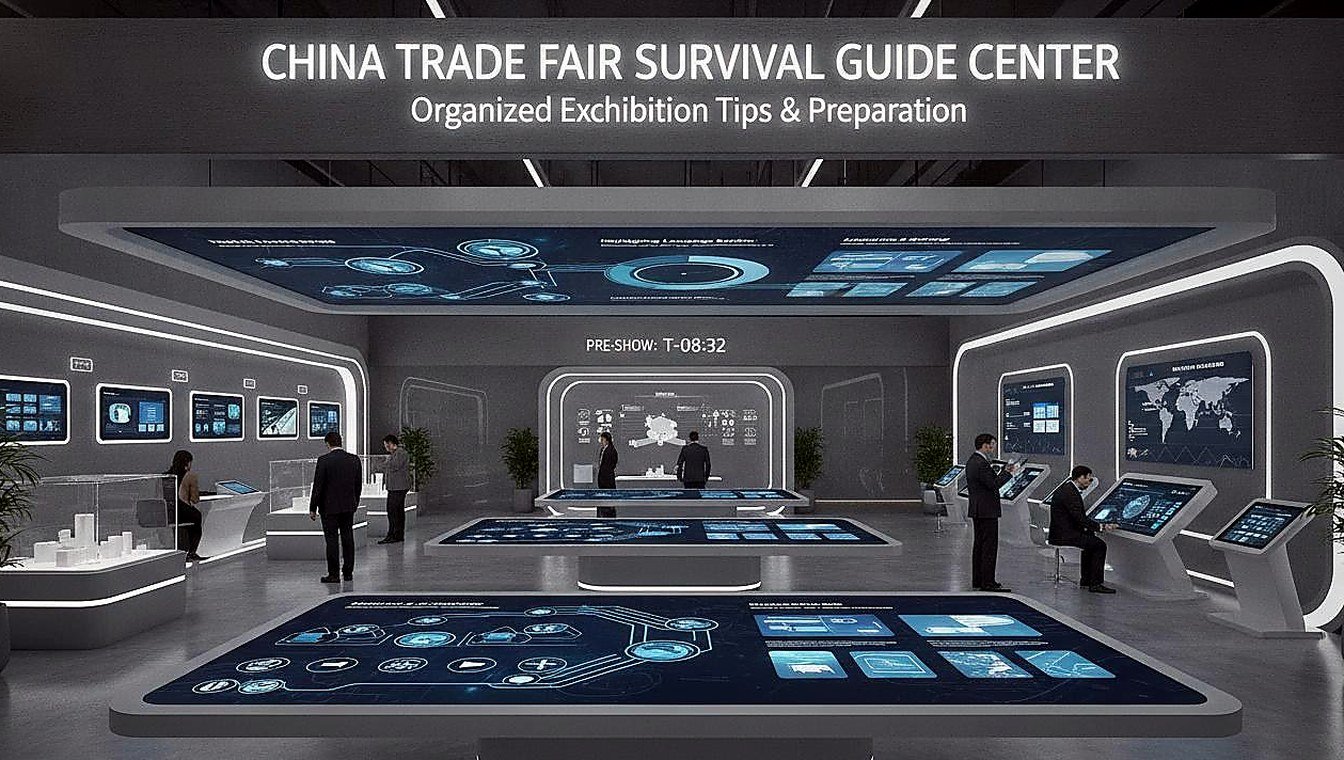
Next steps
Preparation notes for production, packing, or shipment follow-up.
The Core Framework
E-commerce sellers who find winning products follow a consistent pattern: define clear specifications, compare multiple suppliers, request samples, evaluate quality, and test demand before scaling. This guide walks you through each step and shows how to organize your work so nothing gets missed.
Finding better products isn't about luck—it's about systematic evaluation. You'll learn the checklist successful sellers use, the common mistakes to avoid, and how to coordinate China-side support while keeping final decisions in your hands.
- Specification clarity: Define exactly what you're looking for (materials, dimensions, quality standards, packaging needs)
- Supplier comparison: Collect quotes from 3–5 suppliers to establish competitive pricing and capability
- Sample validation: Request physical samples before committing to production orders
- Demand testing: Validate market fit with small test orders or pre-sales before scaling inventory

The Five-Step Sourcing Process
Follow this framework whether you’re finding your first product or scaling an existing line.
Write a detailed product specification
Include materials, dimensions, performance requirements, packaging, and any marketplace-specific requirements (labeling, prep, dimensions for FBA, etc.). Clear specs prevent costly misunderstandings with suppliers.
View Service 02Find and compare suppliers on the same criteria
Get quotes from at least 3 suppliers on price, MOQ, lead time, payment terms, and production capacity. A single quote tells you what’s available—multiple quotes tell you if it’s competitive.
Discuss This 03Request and evaluate physical samples
Samples reveal fit-and-finish, durability, and packaging quality that photos can’t show. Inspect for defects, functionality, and whether the packaging meets your channel requirements.
View Service 04Verify the supplier before placing a production order
Check business registration, past customer references, facility photos, and certifications relevant to your product category (ISO, quality management, etc.). This step prevents fraud and quality surprises.
View Service 05Place a test order and validate demand before scaling
Start with a smaller quantity (or use pre-orders) to test market fit and confirm quality at production scale. Only commit to larger inventory after confirming sell-through and customer satisfaction.
Discuss ThisHow the Work Is Organized
LIFA keeps sourcing tasks in a clear sequence so the buyer can review each stage before moving forward.
Inquiry Review
We review your product details, quantity, target market, and sourcing needs.
Supplier Search
We help identify supplier options and compare basic information.
Supplier Verification
We support checking supplier details before the buyer moves forward.
Quotation Comparison
We help compare price, MOQ, lead time, payment terms, and product details.
Sample / Order Preparation
We help organize samples, order details, inspection needs, and shipping preparation.
Avoid These Common Sourcing Mistakes
These are the scenarios that derail e-commerce sellers. Awareness prevents costly errors.
Skipping samples to save time or money
Receiving defective or mismatched inventory costs far more than sample validation. One bad batch can tank product reviews and kill sales. Never skip this step.
View Service ⚠️Relying on supplier claims without verification
Suppliers may claim certifications (FDA, CPSIA, etc.) they don’t actually hold. Unverified claims expose your store to legal risk and marketplace suspensions.
View Service ⚠️Committing to large orders without testing demand first
A product that sells well at low volume may not scale profitably. Test-sell before ordering large quantities to avoid dead inventory.
Discuss This ⚠️Choosing the cheapest supplier without verification
Rock-bottom prices often mean cutting corners on quality, communication, or reliability. Mid-range suppliers with good reviews usually offer better value long-term.
View Service ⚠️Not planning for lead time and reorder cycles
China sourcing takes 4–8 weeks minimum. Not planning ahead means stockouts when products sell faster than expected.
Discuss This ⚠️Ignoring marketplace-specific requirements
Amazon FBA, TikTok Shop, and Shopify have different packaging, labeling, and prep requirements. Clarify these upfront with suppliers or face rejection at fulfillment.
Discuss ThisPractical Checklist
Concrete points to check before you move forward, based on what buyers commonly overlook.
Validate demand before committing to inventory
Small test orders or pre-orders can confirm interest before a larger production run.
Factor marketplace requirements into your sourcing spec
Packaging dimensions, labeling, and prep requirements vary by platform and should be confirmed with suppliers upfront.
Build in time for at least one sample round
Rushing straight to production increases the risk of costly rework.
Plan your reorder timeline before you run out of stock
Lead times for reorders are rarely instant, so plan ahead to avoid stockouts.
See It In Practice
These snapshots reflect how LIFA keeps a sourcing project organized: clear supplier communication, careful verification and quality checks, and shipping prepared before handover.

Supplier communication
Organized requirements make supplier answers easier to compare.

Verification and quality checks
Documents, inspection points, and sample notes are reviewed in context.

Shipping preparation
Packaging, handover, and freight details are prepared before shipment.
Where to Go Next
Continue exploring the sourcing topics and services most relevant to your project.
Product Sourcing
Find product options and supplier sources that match your target market and quantity.
Explore This Service 02Supplier Verification
Review supplier information before committing to payment, samples, or production.
Explore This Service 03Quotation Comparison
Compare price, MOQ, lead time, and terms across supplier quotations.
Explore This Service 04Knowledge Center
Read practical sourcing guides written for first-time and experienced buyers.
Browse Guides 05Request a Quote
Send your product details and get a practical next step from LIFA.
Start This RequestBuilt on Transparent Buyer Feedback
LIFA Global Trade welcomes verified customer reviews on Trustpilot. Real feedback from buyers helps you evaluate our China sourcing support, communication, and coordination services with confidence and transparency.
Your honest feedback helps us improve our sourcing support and helps other buyers make informed decisions.
Questions Buyers Ask
Clear expectations help keep China sourcing work practical and responsible.
Plan for 4–8 weeks minimum from initial contact to production-ready samples. This includes supplier outreach, quote comparison, sample requests and evaluation, and verification steps. Rush timelines add cost and increase quality risks.
Get quotes from at least 3 suppliers. This reveals pricing trends and helps you spot outliers (unusually cheap or unusually expensive). More comparisons are better if you have time, but 3–5 is a practical minimum.
MOQs vary widely by product. Simple items might have MOQs of 100–500 units, while specialized products might require 1,000+ units. Negotiate lower MOQs for first orders when possible, especially for samples.
Check business registration on Alibaba or government records, request references from past customers, review facility photos, and verify certifications relevant to your product category. Never trust claims without documentation. LIFA can help coordinate supplier verification.
Use payment terms with built-in protection: 30% deposit, 70% before shipment (allows you to inspect quality before final payment). Avoid full advance payment on first orders. For larger orders, consider third-party inspection to verify quality before final payment.
You are ultimately responsible for ensuring products meet marketplace, local, and legal requirements for your destination market. This includes safety standards, labeling requirements, and certifications. Always research these upfront and communicate them clearly to suppliers.
Further Reading & Related Resources
Expand your e-commerce sourcing knowledge with these related guides and real examples.
Getting Started with China Sourcing
A practical guide for first-time importers navigating their initial sourcing project.
Read article 📚Compare Supplier Quotations
Detailed guidance on evaluating and comparing quotations to find the best value.
Learn guide 📊E-commerce Scaling Case Study
Real example of an Amazon seller scaling product volume while reducing costs and improving quality.
View scenario 🎯Product Sourcing Service
Let LIFA help you find and evaluate the best suppliers for your e-commerce business.
Learn serviceGet expert help sourcing winning products from China.
LIFA coordinates supplier search, quality verification, and negotiation to help you find profitable products faster.
Continue through LIFA's sourcing network.
Use these internal routes to move between related pages, return to section hubs, or open the complete page directory.
Complete Site Links
Every public page is listed in one crawlable directory for visitors and search engines.
Open site mapBlog
Read practical sourcing articles for new importers and e-commerce sellers.
Go to hubHow to Reduce Risk When Buying from Chinese Suppliers
Continue to the next connected page in this topic group.
ContinueChina Sourcing Services
Compare the practical services LIFA can coordinate for your sourcing project.
Explore servicesChina Sourcing Guide
Use guides, checklists, and risk notes to prepare better sourcing decisions.
Read guidesRequest Sourcing Support
Send product details, supplier questions, or shipment needs to LIFA.
Request support