Private label packaging and branding reviewed for a China sourcing order Private label packaging and branding reviewed for a China sourcing order alternate workspace scene Private label packaging and branding reviewed for a China sourcing order detailed sourcing coordination scene
Category Sourcing · Private Label

E-commerce Private Label Sourcing

Trademark timing, NNN agreements, and packaging MOQs — the brand-protection details that matter before your name goes on the box.

🗂️

Category-specific sourcing guidance

Electronics, apparel, furniture, and more — sourcing notes specific to each category.

🔍

Sourced beyond Alibaba listings

Supplier search covers 1688, trade fairs, and factory networks — not just marketplace ads.

🛡️

Verified before deposit

Supplier and factory checks coordinated before your money moves — not after.

🤝

Buyer-approved, LIFA-managed

LIFA runs the daily sourcing work; you approve supplier choice, quotation, and payment.

Page visuals

Visual checkpoints for E-commerce Private Label Sourcing

Additional realistic images have been added to support the page content while keeping the current LIFA layout and card styling.

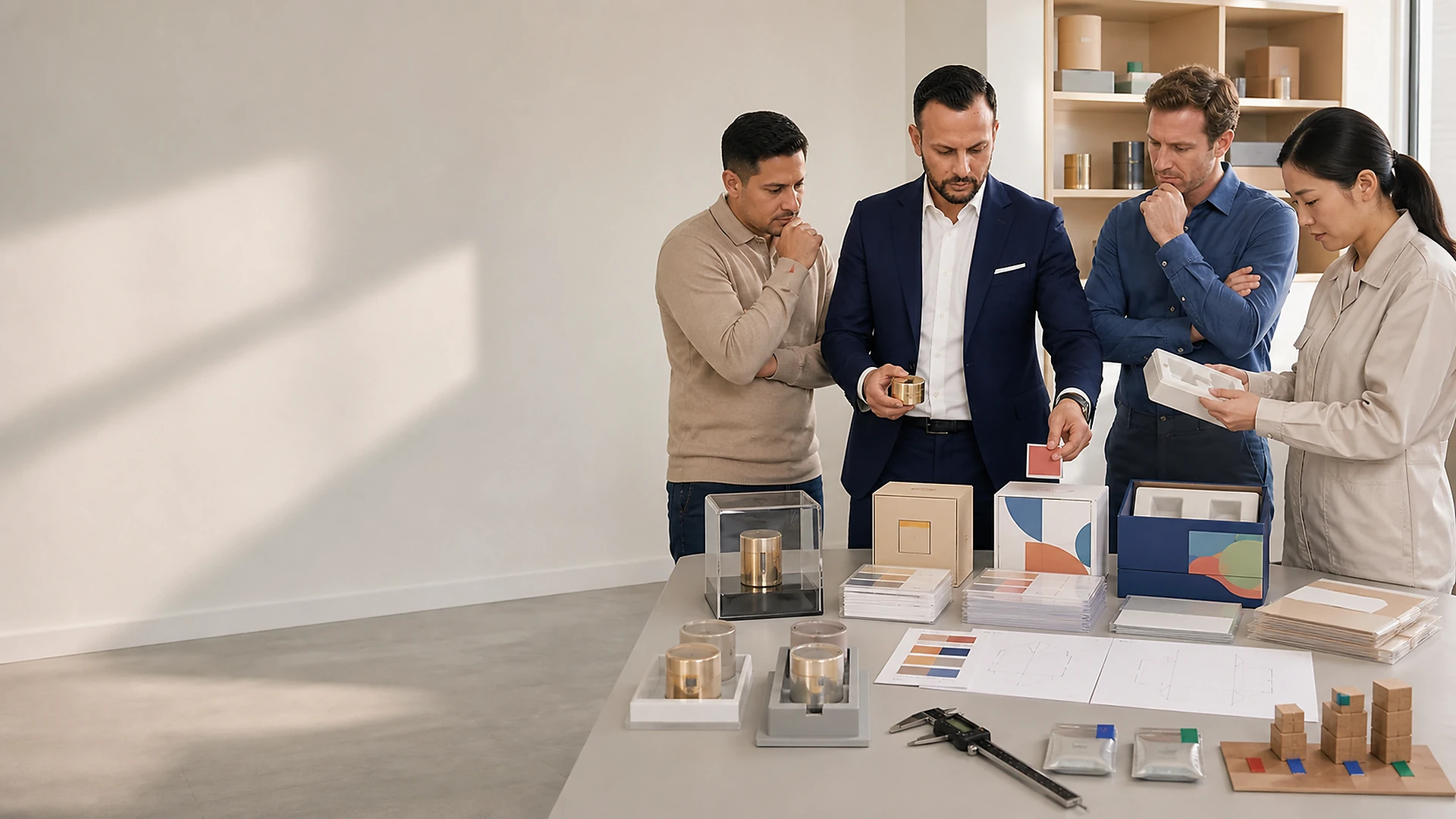
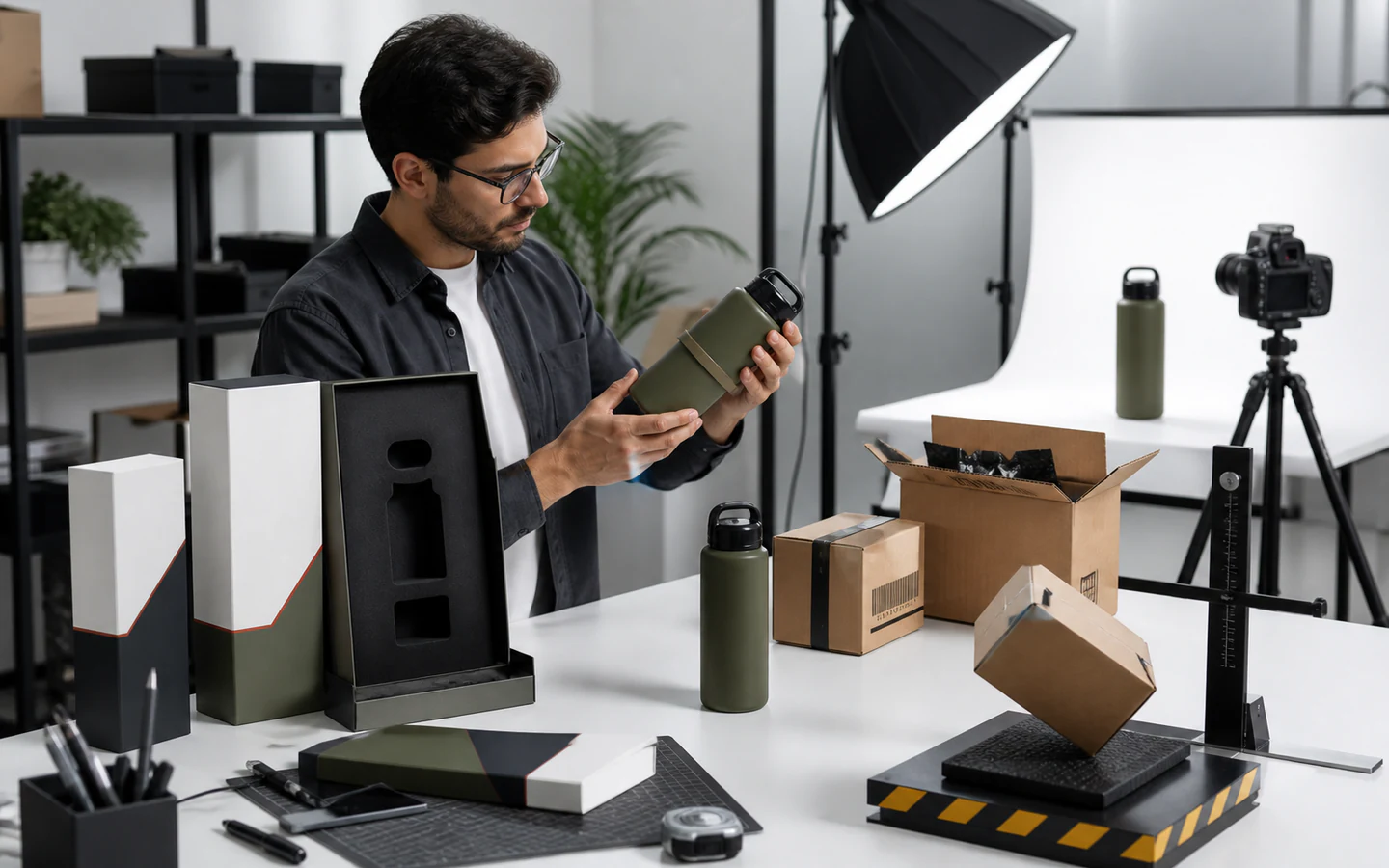
E-commerce Private Label Sourcing - Sample review

Sample review

A practical view of the sourcing work behind this page.

E-commerce Private Label Sourcing - Material choices

Material choices

Details buyers can review before they compare supplier options.

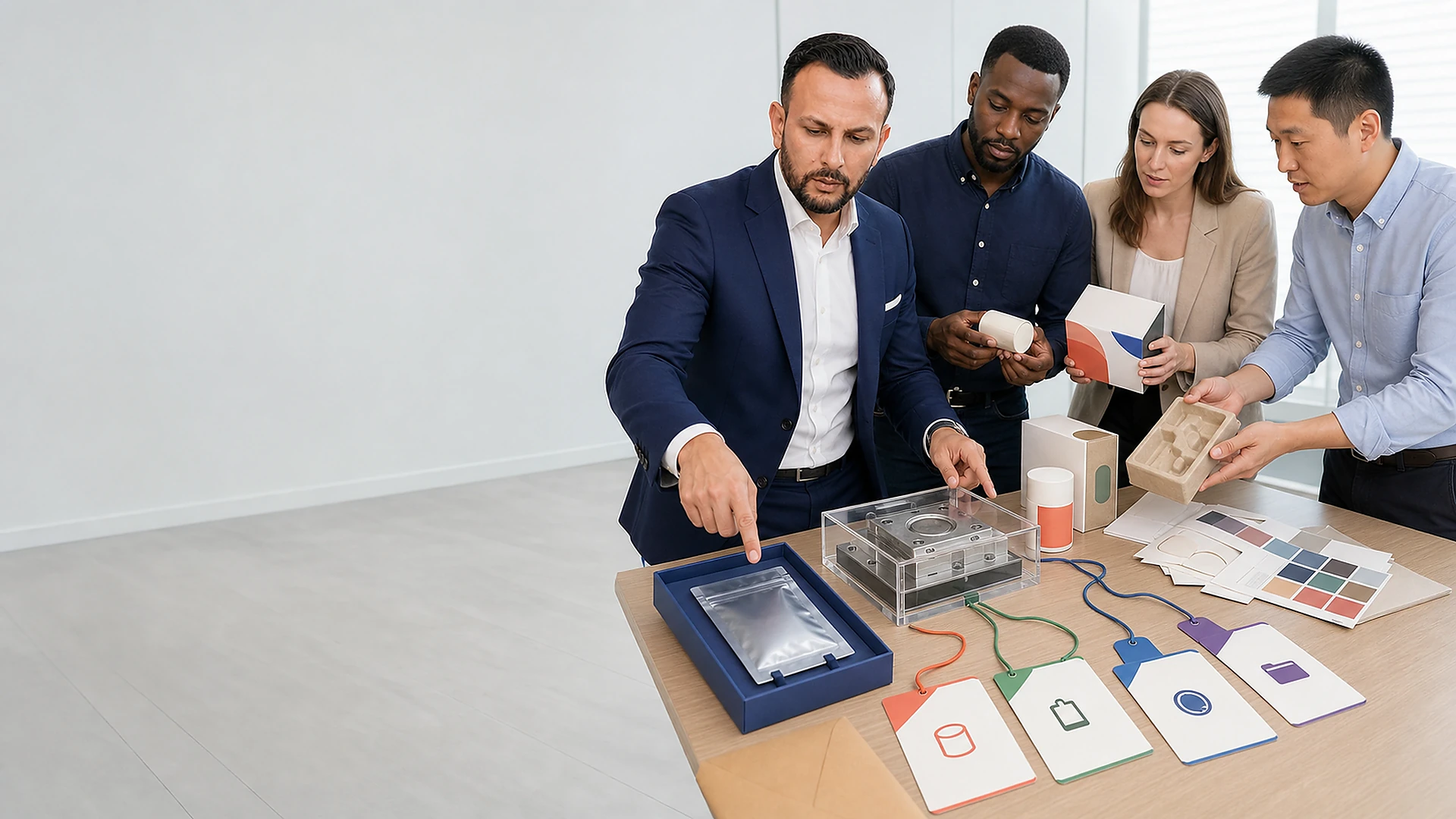
E-commerce Private Label Sourcing - Artwork details

Artwork details

China-side coordination evidence organized for clearer decisions.

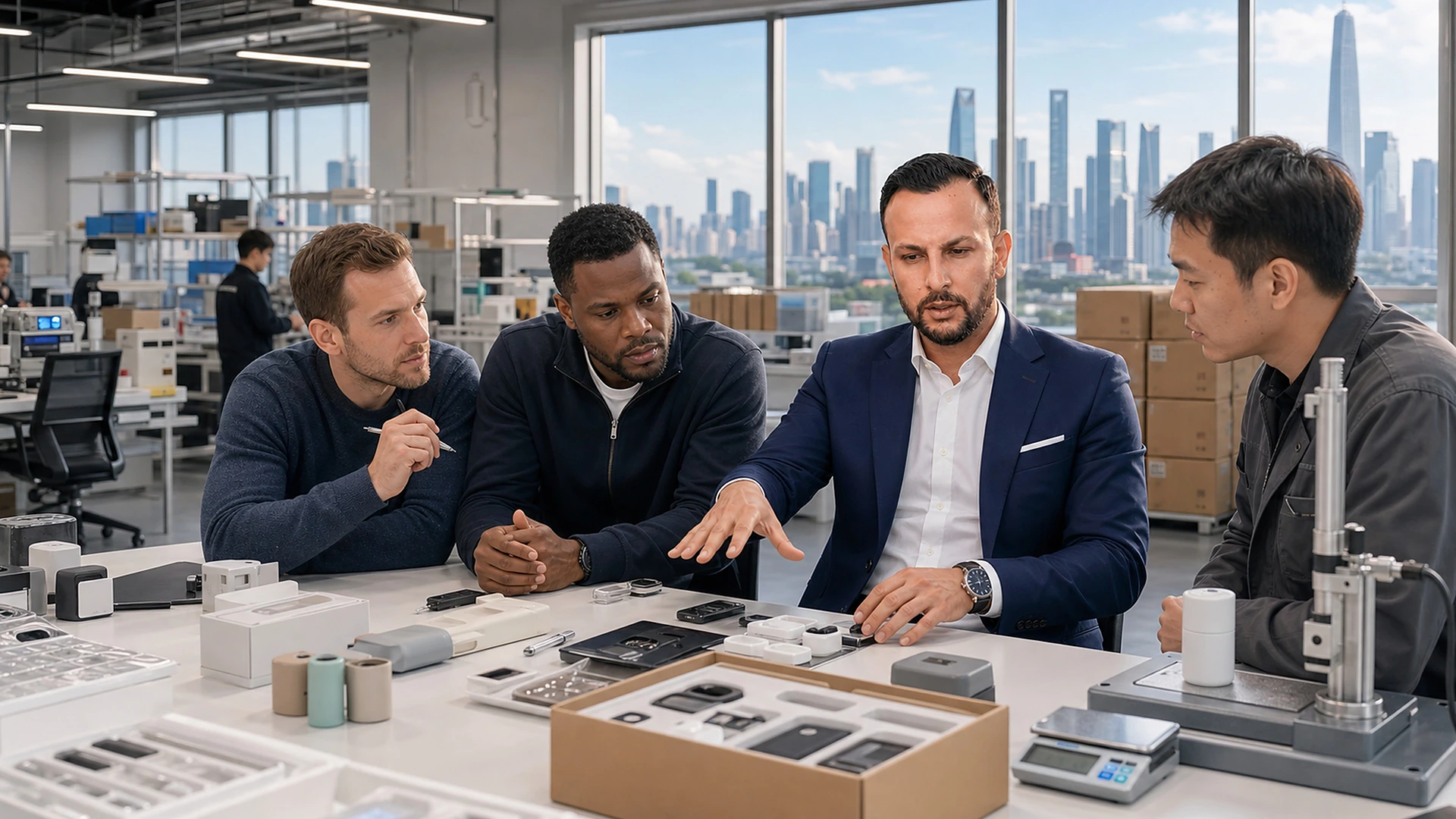
E-commerce Private Label Sourcing - Supplier feedback

Supplier feedback

Operational details that help reduce avoidable sourcing mistakes.

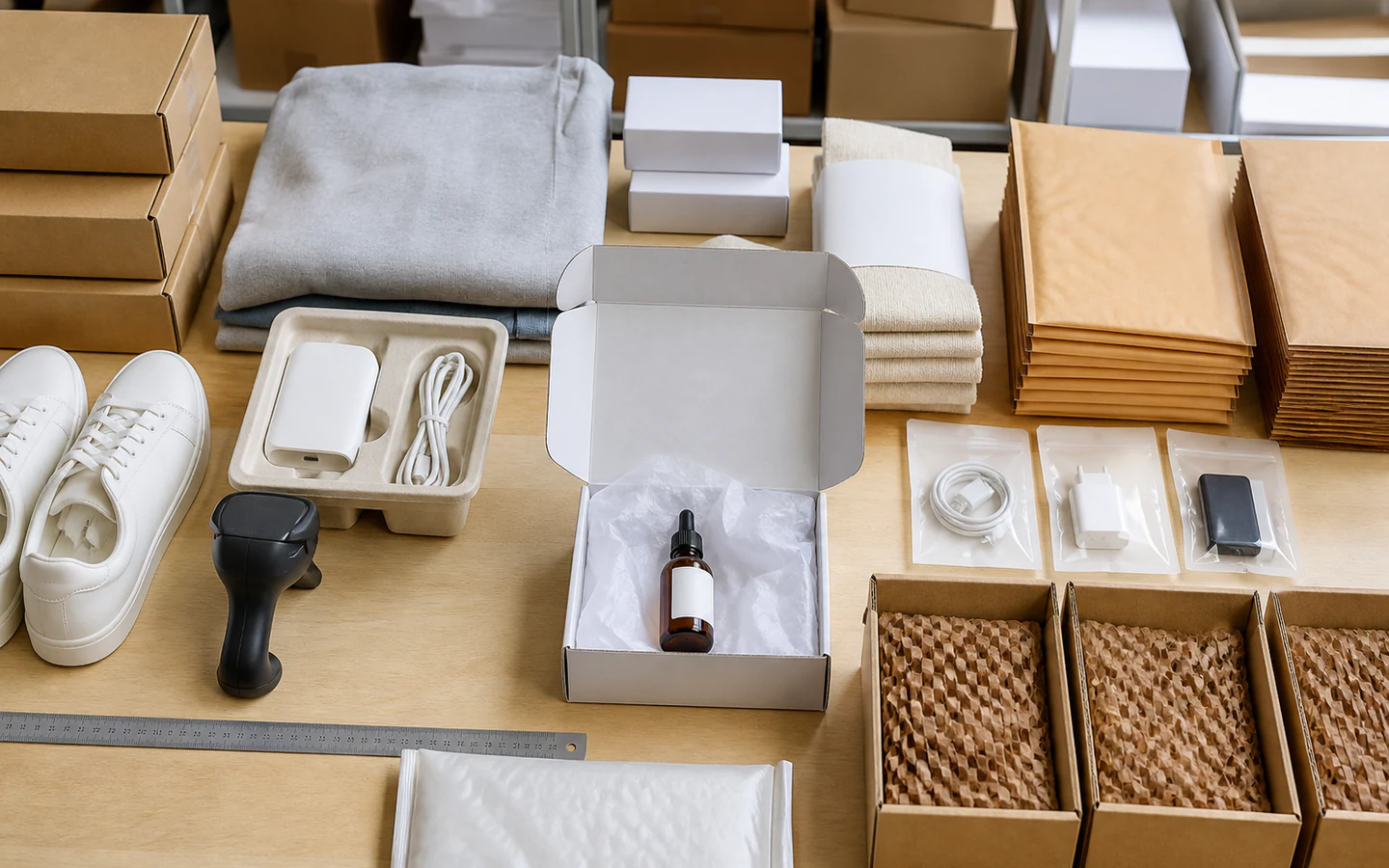
E-commerce Private Label Sourcing - Production prep

Production prep

Preparation notes for production, packing, or shipment follow-up.

Private label is a brand decision before it's a sourcing decision

Private label sourcing means taking an existing or lightly modified product and selling it under your own brand — your label, your packaging, your trademark. The sourcing side (finding a factory willing to apply custom branding at a workable MOQ) is usually the easier part. The part sellers underestimate is protecting the brand itself: registering your trademark before it appears on packaging shipped at volume, and putting a written agreement in place with the factory covering who owns the artwork, the tooling for custom packaging, and whether the factory can sell the same base product — with or without your branding — to anyone else.

In China specifically, an NNN agreement (Non-Disclosure, Non-Use, Non-Circumvention, written in Chinese and enforceable under Chinese law) is the standard tool for this — a Western-style NDA alone is often not enforceable the same way in a Chinese court.

What determines your private label MOQ

  • Custom packaging minimums. Printed boxes, custom labels, and branded inserts each carry their own print-run minimum — often higher than the product's own MOQ. A factory willing to do a modest run of the base product may still require a much larger run of custom-printed packaging to make the print run worthwhile.
  • Neutral packaging as a bridge. Some sellers start with a plain product plus a custom sticker label (very low MOQ) before committing to fully custom printed packaging once volume justifies it.
  • Base product customization depth. Changing only color or scent from a stock formula/product keeps MOQ low; changing the actual construction, formula, or materials pushes you toward custom-manufacturing MOQs, which run considerably higher.
  • Repeat-order consistency. Confirm the factory can reproduce the identical product on reorder — private label brands lose customer trust fastest when a "restock" arrives visibly different from the original batch.

Protecting the brand before you scale

Register your trademark in your primary selling market before large production runs — retailers and marketplaces increasingly require proof of trademark for brand-registry programs, and it closes off the possibility of someone else registering your brand name first. Keep packaging artwork files and any custom mold or tooling documented as your own IP in the manufacturing agreement, since a factory that produced your custom tooling technically has the means to reproduce your product for someone else unless the contract says otherwise.

Building a private label brand from China

Comparing which factories are genuinely private-label-capable, and getting an NNN agreement in place before sensitive design or formula details are shared, both work best done from the China side, close to the factory. LIFA helps compare private-label-capable factories, organize packaging and labeling coordination, and support NNN-agreement preparation through private label sourcing and custom packaging & labeling, before your brand goes into production.

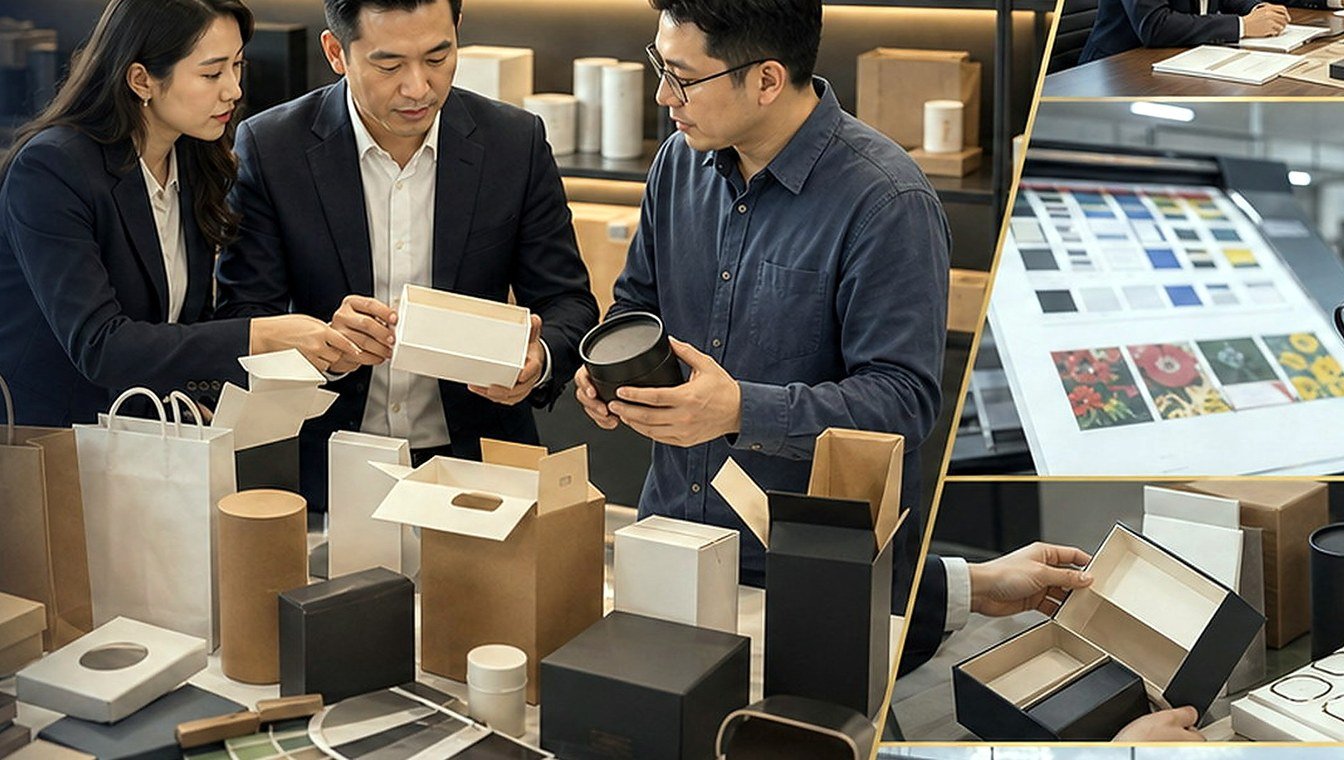
Private label packaging artwork reviewed with a China supplier
Category SourcingPackaging artwork and tooling ownership are documented in the manufacturing agreement.
TP

Open to Transparent Buyer Feedback

Trustpilot profile link
No invented ratings or review counts

LIFA Global Trade welcomes honest customer reviews on Trustpilot. Real feedback helps buyers evaluate our China sourcing support, communication, and coordination services with transparency.

Your honest feedback helps us improve our sourcing support and helps other buyers make informed decisions.

Seller questions

Private label sourcing, answered simply.

The questions e-commerce sellers ask most about building a private label brand.

Private label sourcing means taking an existing or lightly modified product and selling it under your own brand — your label, your packaging, your trademark. The sourcing side, finding a factory willing to apply custom branding at a workable MOQ, is usually the easier part; protecting the brand itself is what sellers underestimate.

An NNN agreement (Non-Disclosure, Non-Use, Non-Circumvention), written in Chinese and enforceable under Chinese law, is the standard tool for protecting a private label brand and product design with a Chinese manufacturer. A Western-style NDA alone is often not enforceable the same way in a Chinese court.

Custom packaging minimums are often the real constraint — printed boxes, custom labels, and branded inserts each carry their own print-run minimum, frequently higher than the base product's own MOQ. How much the base product itself is customized (color/scent only vs. full construction or formula change) also drives MOQ significantly higher.

Yes, some sellers start with a plain product plus a custom sticker label, which carries a very low MOQ, before committing to fully custom printed packaging once volume justifies the higher print-run minimums that come with it.

Before large production runs begin. Retailers and marketplaces increasingly require proof of trademark for brand-registry programs, and registering early closes off the possibility of someone else registering the same brand name first.

This should be specified explicitly in the manufacturing agreement. A factory that produced custom tooling or artwork technically has the means to reproduce the product for someone else unless the contract states the brand owns that IP and restricts the factory's use of it.

NNN agreement discussed with a China private label manufacturer
Category SourcingAn NNN agreement is put in place before sensitive design details are shared.
Brand protected before production

Building a private label brand from China?

Send your product and packaging plan. LIFA helps compare private-label-capable factories and support NNN-agreement preparation before your brand goes into production.