


Visual checkpoints for Tariffs & Trade Agreements
Additional realistic images have been added to support the page content while keeping the current LIFA layout and card styling.
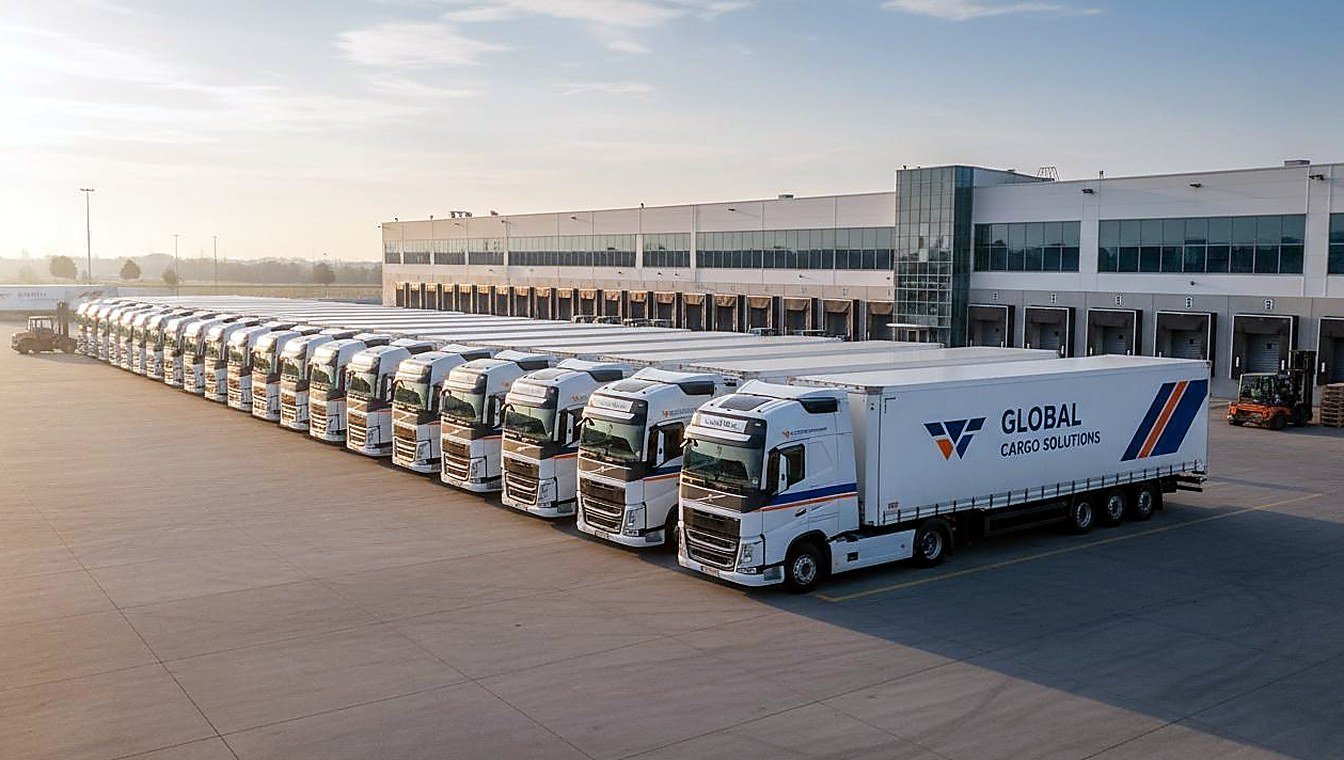
Shipment planning
A practical view of the sourcing work behind this page.

Carton review
Details buyers can review before they compare supplier options.

Freight comparison
China-side coordination evidence organized for clearer decisions.

Document check
Operational details that help reduce avoidable sourcing mistakes.

Handoff prep
Preparation notes for production, packing, or shipment follow-up.
Duty is determined by origin, not just the HS code
Import duty is calculated from two things together: the product's HS (Harmonized System) classification code, and its country of origin. The same HS code can carry a different duty rate — or qualify for a reduced or zero rate — depending on where the goods actually originated and whether a trade agreement between that origin country and the destination country applies. This is why "made in China" versus "assembled in Vietnam from Chinese components" can mean a materially different landed cost for the identical physical product, if the destination country has a preferential trade agreement with one origin but not the other.
See the HS Codes guide for how classification itself is determined; this guide focuses on the origin and trade-agreement side of the duty calculation.
Rules of origin: why passing through a country isn't enough
Trade agreements don't just require the shipment to pass through a member country — they require the goods to satisfy that agreement's specific rules of origin, usually a "substantial transformation" test proving meaningful manufacturing happened there, not just a relabeling or repackaging stop. Claiming a preferential rate typically requires a certificate of origin issued according to that specific agreement's requirements, along with documentation proving the rules-of-origin test is met. Without that documentation, customs applies the standard non-preferential rate even if the goods might otherwise have qualified.
Two agreements buyers ask about most
| Agreement | Members | Relevance to China-origin goods |
|---|---|---|
| RCEP (Regional Comprehensive Economic Partnership) | China, ASEAN nations, Japan, South Korea, Australia, New Zealand | Progressively reduces tariffs and simplifies rules of origin between members. Relevant for buyers manufacturing or assembling within RCEP member countries and shipping between them. Does not extend preference to non-member destinations like the US or EU. |
| USMCA (US-Mexico-Canada Agreement) | United States, Mexico, Canada | China is not a member. Goods of Chinese origin do not qualify for USMCA preference by shipping through Mexico or Canada alone — simple transshipment or minor repackaging does not confer USMCA origin, and customs authorities actively enforce anti-circumvention rules against exactly this pattern. |
Beyond these two, China is a party to a number of other bilateral and regional free trade agreements not covered here in detail — the same principle applies to all of them: origin must be genuinely earned through substantial transformation, and the specific agreement's rules of origin and documentation requirements must be met to claim any preferential rate.
Additional duties on Chinese-origin goods
Beyond standard HS-code duty rates, some destination markets apply additional tariffs specifically to goods of Chinese origin under trade-remedy or national-security provisions — such as Section 301 tariffs in the US, covering a specific list of HS codes rather than all Chinese-origin goods. These additional tariffs stack on top of the base duty rate and change periodically with policy shifts, so the applicable rate for a given HS code should be confirmed close to the time of shipment, not assumed from a prior order.
What this means practically
Confirm the correct HS classification and country of origin for your specific product before committing to a supplier location, especially if a lower duty rate through a trade agreement is part of your cost planning. Tariff classification and eligibility for preferential rates are ultimately determined by your destination country's customs authority — a licensed customs broker or trade compliance professional should confirm the applicable rate and any origin documentation required before you rely on it in your cost model.
Confirming HS classification and origin from China
Getting the HS code and origin story right starts at the factory — a supplier who can clearly document where manufacturing actually took place, and what "substantial transformation" occurred there, is what makes a certificate of origin claim defensible later. LIFA helps confirm HS classification and coordinate origin documentation with your supplier before shipment, so the duty assumptions in your cost model hold up when the shipment actually clears.
Mistakes this guide prevents
- Assuming a trade agreement applies because goods "passed through" a member country. Origin is earned by substantial transformation, not transit.
- Building a cost model on a duty rate from a prior order. Trade-remedy tariffs and rates change; confirm close to shipment.
- Skipping the certificate of origin when a real preferential rate was available and documentable.
- Confusing RCEP eligibility with universal China preference. RCEP only helps shipments between RCEP member countries, not shipments to non-member destinations.
- Not checking for Section 301 or similar trade-remedy tariffs that stack on top of the base HS-code rate for specific product categories.

Related guides on duty and classification.
Continue through HS classification, documentation, and China-specific trade agreements.
HS Codes Guide
How Harmonized System classification actually works.
Read the guide 🌏RCEP Explained
The full detail on China's largest regional trade agreement.
Read the guide 📋Customs Clearance & Documentation
Where duty assessment fits into the wider clearance process.
Read the guide 🧾Export Documentation Checklist
The full document set, including the certificate of origin.
Read the guideEstimate Duty by HS Code
Model your landed cost including duty, freight, and other charges before you commit to a supplier.
Open to Transparent Buyer Feedback
LIFA Global Trade welcomes honest customer reviews on Trustpilot. Real feedback helps buyers evaluate our China sourcing support, communication, and coordination services with transparency.
Your honest feedback helps us improve our sourcing support and helps other buyers make informed decisions.
Tariffs & trade agreements, answered simply.
The questions importers ask most about duty and origin on China shipments.
Yes for some destinations, not others. RCEP (Regional Comprehensive Economic Partnership) includes China alongside ASEAN nations, Japan, South Korea, Australia, and New Zealand, and progressively reduces tariffs between those members. China is not a member of USMCA, and is not a party to several other major regional agreements, so goods of Chinese origin generally do not qualify for those agreements' preferential rates.
Section 301 tariffs are additional US duties applied to a specific list of Chinese-origin goods under US trade law, on top of the normal HS-code duty rate. They apply to particular HS codes rather than all Chinese-origin goods, and the list and rates have changed over time with policy shifts, so the current applicable list should be confirmed close to the time of shipment.
A certificate of origin is a document confirming which country goods were manufactured in. Claiming a trade agreement's preferential duty rate typically requires this certificate, issued according to that specific agreement's rules, along with proof the goods meet the agreement's rules of origin, not just proof they passed through a member country.
Simple transshipment or minor repackaging in a third country does not change a product's country of origin for customs purposes. Origin is determined by where substantial manufacturing or transformation actually occurred, and customs authorities actively enforce anti-circumvention rules against transshipment used to disguise a product's real origin.
Start with the product's correct HS classification code, then check the destination country's official tariff schedule for the rate that applies to goods of the actual country of origin, including any trade-remedy tariffs that may stack on top. A licensed customs broker or trade compliance professional should confirm the applicable rate before it's relied on in a cost model.
No. Preferential rates generally require the importer to actively claim them, supported by a valid certificate of origin and documentation proving the goods meet the agreement's specific rules of origin. Without that documentation, customs applies the standard non-preferential duty rate even if the goods would otherwise have qualified.

Not sure your HS code or origin documentation will hold up?
Send your product details and target market. LIFA helps confirm HS classification and coordinate origin documentation with your supplier before duty assumptions go into your cost model.