



Visual checkpoints for FBA Shipping Requirements
Additional realistic images have been added to support the page content while keeping the current LIFA layout and card styling.
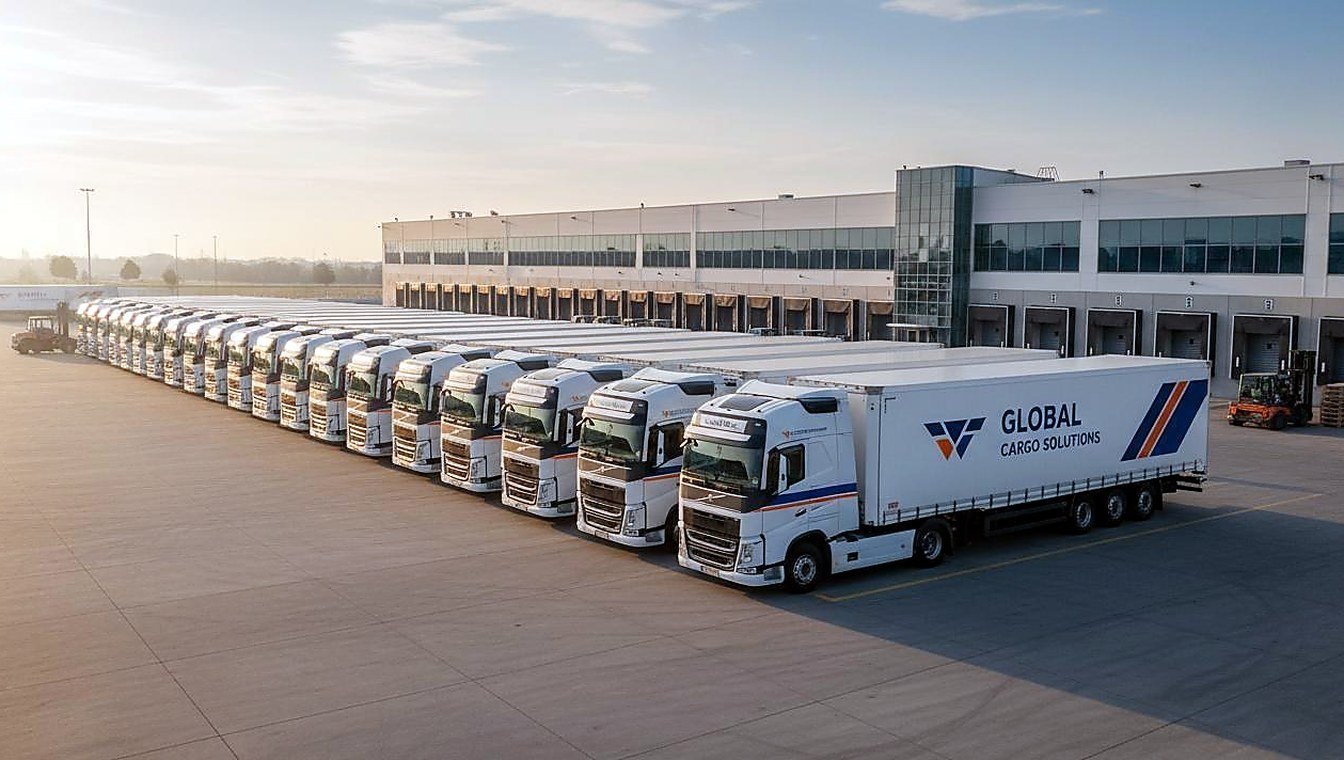
Shipment planning
A practical view of the sourcing work behind this page.

Carton review
Details buyers can review before they compare supplier options.

Freight comparison
China-side coordination evidence organized for clearer decisions.

Document check
Operational details that help reduce avoidable sourcing mistakes.
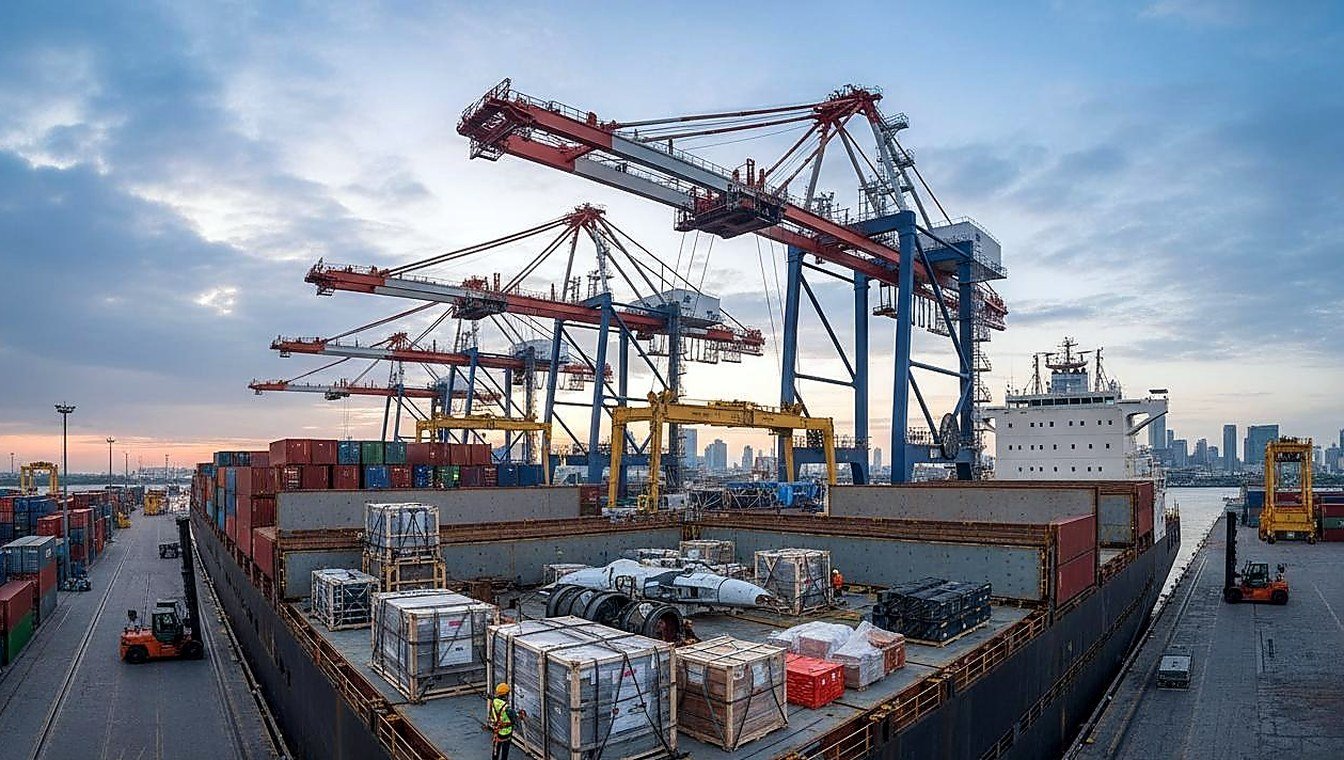
Handoff prep
Preparation notes for production, packing, or shipment follow-up.
FBA shipping, in one paragraph
An FBA (Fulfillment by Amazon) shipment is inventory sent from your factory or forwarder directly into Amazon's fulfillment network rather than to your own warehouse first. It starts with a shipping plan created in Seller Central — declaring box dimensions, weights, and unit counts per SKU — before freight is ever booked. Amazon assigns the receiving fulfillment center(s) from that plan, and every carton label produced in China has to match it exactly, because receiving scans and cross-checks the physical shipment against the declared plan automatically.
Sellers who treat FBA as "just another shipment with an extra label" are the ones who run into receiving delays. The plan, the labeling, and the timeline all have to be built around Amazon's process, not your own default shipping workflow.
The shipping plan comes before the freight booking
Before freight is even booked, an FBA shipment starts with a shipping plan created in Seller Central — this is where box dimensions, weights, and unit counts per SKU are declared, and where Amazon assigns which fulfillment center (or centers) the shipment must be delivered to. Every carton label your factory or forwarder produces has to match that shipping plan exactly, because Amazon's receiving process scans and cross-checks against it automatically. A mismatch between what's declared and what physically arrives is one of the most common causes of receiving delays.
Amazon frequently splits a single shipment across multiple fulfillment centers to optimize its own network — meaning your freight forwarder needs to be able to split a shipment plan into multiple destination deliveries, not just one drop-off point. Confirm with your forwarder before booking that they can handle a multi-FC split, not just a single consignee delivery.
Carton and pallet requirements
| Requirement | What it means in practice |
|---|---|
| Weight limits | Standard-size cartons are typically capped around 22.5kg (50lb); heavier cartons must be marked "Team Lift" or "Mechanical Lift" and are handled differently by receiving staff. |
| Two-sided labeling | FBA shipping labels are required on at least two adjacent sides of each carton so they can be scanned without repositioning the box. |
| Pallet requirements for LTL freight | Larger shipments moving as less-than-truckload (LTL) freight need to be palletized to Amazon's specification — stretch-wrapped, within height limits, carton labels visible, with a pallet placard identifying the shipment. |
| Carrier appointment scheduling | LTL and full-truckload deliveries to an Amazon FC typically require a scheduled delivery appointment — arriving without one can mean the truck is turned away. |
FNSKU labels: applied in China, checked before departure
Product-level FNSKU or barcode labels can be printed and applied at the factory once the shipping plan is finalized, saving a relabeling step at destination — but only if they're applied to the correct cartons, in the correct positions, and match the SKU declared in the plan. A pre-shipment check that confirms label placement and barcode accuracy against the shipping plan, before the container is sealed, is far cheaper than a receiving rejection discovered weeks later at the fulfillment center. This is the same discipline used in a standard pre-shipment inspection, extended to cover FBA-specific labeling.
Sea vs. air freight for FBA inventory
Sea freight is cheaper per unit and the standard choice for regular replenishment when lead time allows several weeks. Air freight costs more per kilogram but moves in days rather than weeks, and is commonly used for a first order, a stockout recovery, or bridging inventory ahead of a hard peak-season deadline. Many sellers split a single purchase order — the bulk by sea, a smaller air shipment to cover the gap while the sea freight is in transit. See the full sea vs. air freight comparison for the cost and timing trade-offs in detail.
Building the timeline backward from the FC
Start from the date inventory must be live and sellable
Not the date you place the order — the date the listing needs stock. Every other date in the plan is subtracted backward from this one.
Subtract Amazon's receiving processing time
This window extends significantly during peak season, when fulfillment centers are handling the highest inventory volume of the year.
Subtract transit time for your chosen freight method
Sea and air freight carry very different transit windows — see the sea vs. air comparison above for typical ranges.
Subtract customs clearance time
Both export clearance in China and import clearance at destination need to be accounted for — see customs clearance & documentation.
Subtract production and inspection time
Whatever remains is your order placement deadline. If that date has already passed, the plan needs to change — faster freight, a smaller first shipment, or a revised sell date — not skipped inspection or shortened production.
Sellers who plan forward from "when I place the order" instead of backward from "when I need to sell it" are the ones most often caught by an unexpected receiving delay during Q4.
Coordinating an FBA shipment from the China side
The riskiest point in an FBA shipment is the handoff between the factory and the freight forwarder — where a labeling mismatch or a missed carton spec is still cheap to fix, but only if someone catches it before the container is sealed. LIFA coordinates carton labeling, palletizing, and freight booking matched to your Amazon shipping plan, through inspection coordination and shipping coordination — so deliveries move through receiving without avoidable holds.
Mistakes this guide prevents
- Booking freight before the shipping plan is finalized. Carton dimensions and destination FCs can still change — lock the plan first.
- Assuming one destination. Amazon often splits shipments across multiple fulfillment centers; confirm your forwarder can split accordingly.
- Skipping a pre-departure label check. A FNSKU mismatch caught in China is a relabel; caught at the FC it's a rejected receiving.
- Planning forward from the order date instead of backward from the sell date. This is the single most common cause of missed peak-season inventory.
- Ignoring LTL appointment scheduling. A truck arriving without a booked appointment can be turned away, adding days to the timeline.
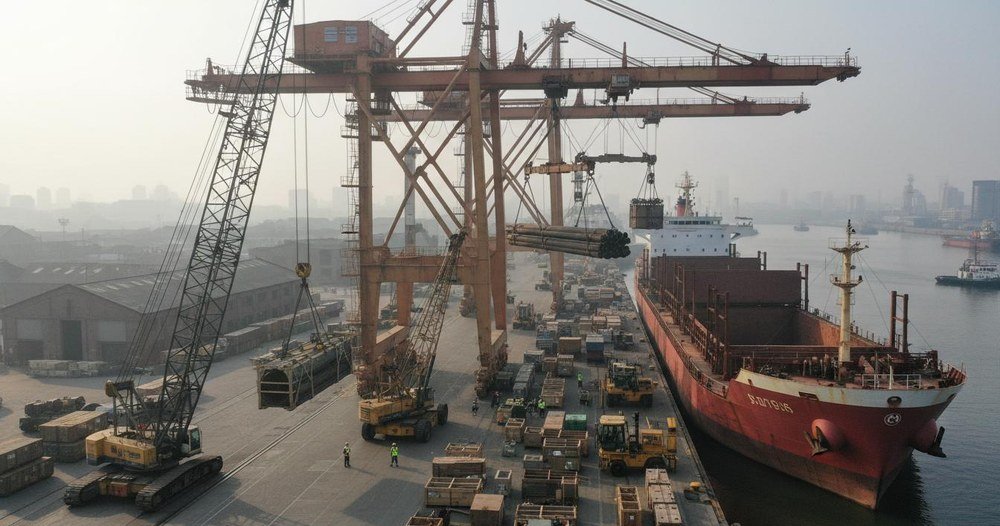
Related guides for Amazon sellers.
Continue through freight, inspection, and Amazon-specific sourcing decisions.
Sea vs Air Freight
Cost and timing trade-offs for replenishment vs. urgent stock.
Read the guide 🔍Pre-Shipment Inspection Guide
Catch a labeling or carton spec issue before the container seals.
Read the guide 📊How to Compare Freight Quotes
Comparable quotes for the sea and air legs of an FBA shipment.
Read the guide 🛒Sourcing for Amazon Sellers
The broader sourcing picture beyond just the shipment.
Read the guideModel Your Landed Cost Into FBA
Compare sea vs air freight cost per unit, plus duty, before you commit to a shipping method.
Open to Transparent Buyer Feedback
LIFA Global Trade welcomes honest customer reviews on Trustpilot. Real feedback helps buyers evaluate our China sourcing support, communication, and coordination services with transparency.
Your honest feedback helps us improve our sourcing support and helps other buyers make informed decisions.
FBA shipping, answered simply.
The questions Amazon sellers ask most about shipping from China.
A shipping plan is created in Amazon Seller Central before freight is booked. It declares box dimensions, weights, and unit counts per SKU, and Amazon uses it to assign which fulfillment center or centers the shipment must be delivered to. Carton labels have to match the shipping plan exactly, because receiving scans and cross-checks against it automatically.
Standard cartons are typically capped around 22.5kg (50lb); heavier cartons need to be marked for team lift or mechanical lift so receiving staff handle them differently. FBA shipping labels are required on at least two adjacent sides of each carton so they can be scanned without repositioning the box.
Larger shipments moving as less-than-truckload (LTL) freight generally need to be palletized to Amazon's specification: stretch-wrapped, within height limits, with carton labels visible and a pallet placard identifying the shipment. LTL and full-truckload deliveries typically require a scheduled delivery appointment at the fulfillment center.
Sea freight is cheaper per unit and standard for regular inventory replenishment when lead time allows several weeks. Air freight costs more per kilogram but moves in days rather than weeks, and is commonly used for a first order, a stockout recovery, or bridging inventory ahead of a peak-season deadline. Many sellers split a single order between the two.
Labels can be printed and applied in China once the shipping plan is finalized and the FNSKU or barcode labels are generated, as long as they're applied to the correct cartons in the correct positions before the shipment leaves the factory. Confirming the labels match the shipping plan before departure avoids a relabeling delay at receiving.
Plan backward from the date inventory needs to be live and sellable: subtract Amazon's receiving processing time, which extends during peak season, then subtract transit time, customs clearance time, and production and inspection time. Sellers who plan forward from the order date instead of backward from the sell date are the ones most often caught by a receiving delay during Q4.

Planning an FBA shipment from China?
Send your shipping plan and product details. LIFA coordinates carton labeling, palletizing, and freight booking so your shipment moves through Amazon receiving without avoidable holds.