

Quick Answer
This guide explains tier 5: strategic growth in practical buyer language so international importers can make better sourcing decisions before contacting suppliers or approving production. It is designed for SEO and AI search clarity while keeping the buyer responsibilities transparent.
What this guide clarifies
The decisions, risks, and trade-offs buyers should understand when dealing with tier 5: strategic growth.
View Knowledge Center02Where LIFA fits
LIFA can help organize supplier communication, supporting verification, quotation review, sample notes, inspection timing, and shipment preparation when those steps apply.
View Services03Best next step
Use the guide to prepare cleaner product details and then send LIFA the questions, supplier links, or quotes that need China-side review.
Start Your RequestTier 5: Strategic Growth
Supplier relationships, cost reduction, scaling production, supplier changes, and sustainability.
Why Strategic Growth Planning Matters
Long-term success depends on building partnerships, managing costs, and scaling sustainably without compromising quality.
Build resilient partnerships
Strong supplier relationships mean priority access, better pricing, flexibility during problems, and mutual growth. Weak relationships create constant firefighting.
Discuss This 05Reduce costs without sacrificing quality
Strategic negotiation, design optimization, and volume leverage can cut 10-20% from costs while maintaining or improving quality standards.
Discuss This 05Scale confidently and sustainably
Scaling production 10x requires new planning: capacity verification, parallel suppliers, quality systems at volume, and supply chain resilience.
Discuss ThisStrategic Growth in Practice
Educational sourcing scenarios about suppliers becoming partners, costs dropping dramatically, and scaling to millions in annual revenue.
From Vendor to Partner: 5-Year Relationship Growth
How a one-off supplier became a strategic partner with priority access, preferential pricing, and co-development opportunities.
View scenario 💰Cost Reduction at Scale: 18% Savings on 100K Units
Strategic sourcing and design optimization reduced per-unit costs while scaling production 10x in one year.
View scenario 🔄Supplier Diversification: Reducing Dependency Risk
How to safely transition production to new suppliers while maintaining quality and minimizing downtime.
View scenarioDeepen Your Sourcing Expertise
Master growth strategy, then explore risk management, tools, and advanced sourcing optimization.
Core Methodology
Foundations first: supplier search, verification, negotiation, and contracts.
Explore 04Logistics & Operations
Shipping methods, customs, tariffs, and landed cost calculations.
Explore 06Risk Management
IP protection, supply chain risk, payment security, dispute resolution.
Explore 07Tools & Templates
Spreadsheets, checklists, and templates to streamline sourcing operations.
ExploreLIFA Services for Strategic Growth
Whatever your growth stage, LIFA helps coordinate the supplier-side steps.
Supplier Verification Service
Vet new suppliers and validate capacity before scaling or diversifying.
Learn more 🎯Product Sourcing Service
Find new suppliers for cost reduction, capacity, or risk mitigation.
Learn more 05Sample Coordination Service
Test new designs, materials, and suppliers through systematic sampling.
Learn moreBuilt on Transparent Buyer Feedback
LIFA Global Trade welcomes verified customer reviews on Trustpilot. Real feedback from buyers helps you evaluate our China sourcing support, communication, and coordination services with confidence and transparency.
Your honest feedback helps us improve our sourcing support and helps other buyers make informed decisions.
Strategic Growth Questions
Building partnerships, scaling production, and managing supplier relationships effectively.
Focus on volume, long-term commitment, and mutual benefit. Instead of just asking for discounts, offer: larger orders, longer contracts, upfront deposits, or design simplification. Good suppliers want stable, growing relationships—position yourself as a valuable partner, not just another buyer.
Switch when: they can't meet quality/capacity standards, prices are uncompetitive, or you need risk mitigation. Never switch lightly—transition costs (retooling, new samples, process changes) are significant. Always pilot with a new supplier in parallel before fully transitioning.
Scaling requires: (1) verify supplier capacity first, (2) implement formal quality systems (AQL, inspections), (3) ramp volume gradually (not all-at-once), (4) add backup suppliers, (5) invest in process improvements. Quality breaks at scale are expensive—plan ahead.
Get strategic sourcing guidance for scaling.
Share your growth goals and current supplier situation. LIFA helps plan cost reduction, supplier scaling, and risk mitigation.
Why Tier 5 Strategic Growth Matters
Understanding tier 5 strategic growth helps buyers make informed decisions and reduce sourcing risks.
Clear Decision-Making
Well-organized information about tier 5 strategic growth enables confident supplier selection and smoother sourcing workflows.
Start Your Request 05Risk Reduction
Understanding tier 5 strategic growth reduces common sourcing mistakes and prevents costly delays in production timelines.
View Service 05Cost Optimization
Proper knowledge of tier 5 strategic growth helps buyers identify value opportunities and negotiate better terms with suppliers.
Read the GuideTier 5 Strategic Growth Practical Sourcing Scenarios
Review practical sourcing situations, common risks, and preparation steps before starting a similar request.
Amazon Seller: Electronics Scaling
Review how volume planning, supplier comparison, and inspection checkpoints can support an electronics scaling project.
View scenario 05Private Label: Defect Crisis Recovery
Review how clear specifications, sample checks, and inspection notes can reduce quality surprises before shipment.
View scenario ⚡Dropshipper: Viral Trend Capture
Review how supplier responsiveness, production timing, and freight choices affect urgent sourcing projects.
View scenarioRelated Resources & Next Steps
Explore additional guides and resources to expand your understanding of China sourcing.
Knowledge Center
Comprehensive sourcing guides covering supplier checks, quality control, logistics, and compliance.
Explore guides 05How to Source from China
Complete methodology for finding suppliers, comparing quotations, and organizing sourcing steps.
Learn more 05Supplier Verification
Detailed verification checklist and best practices for evaluating supplier credibility and capability.
Learn more 📊All Case Studies
Educational sourcing scenarios showing planning challenges, trade-offs, and review points across different buyer situations.
View allLIFA Support for Tier 5 Strategic Growth
LIFA Global Trade coordinates practical China-side support tailored to your sourcing needs.
Supplier Verification
LIFA helps review supplier information and coordinate verification checks before you commit to payment.
Learn more 📊Quotation Comparison
Organize and compare quotations side-by-side on price, MOQ, materials, lead time, and payment terms.
Learn more 🎯View All Services
Explore all LIFA services including product sourcing, factory checks, inspections, and shipping coordination.
Explore servicesCommon Questions About Tier 5 Strategic Growth
Find answers to questions buyers commonly ask about tier 5 strategic growth.
Proper planning around tier 5 strategic growth is critical to timeline success. LIFA helps coordinate these steps in sequence so delays don't cascade into production delays or missed shipment windows.
Common mistakes include underestimating complexity, not organizing communication clearly, and moving forward without proper verification. LIFA's coordination helps prevent these by keeping steps structured and reviewable.
Yes. Contact LIFA with your specific tier 5 strategic growth-related sourcing question. Email simon@lifasourcing.com or message WhatsApp +86 173 7653 5037 to discuss how LIFA can coordinate support.
Start with the Knowledge Center for comprehensive guides, then browse case studies to see how other buyers have handled similar tier 5 strategic growth-related challenges. LIFA's team can provide personalized guidance for your situation.
Let LIFA coordinate the tier 5 strategic growth work for you.
Share your tier 5 strategic growth-related details and sourcing needs with LIFA. Get expert coordination from Hangzhou to streamline your supplier communication and China-side verification steps.
Questions About This
Common questions to help you understand this service or topic better.
This service covers supplier coordination, verification support, and organized communication to help you make better sourcing decisions.
Timeline depends on your specific needs. Most projects take 2-4 weeks for initial phases. Contact Simon for a project estimate.
No. LIFA helps review supplier information and coordinate verification, which reduces risk. Buyers apply final judgment before payment.
Email simon@lifasourcing.com, message WhatsApp +86 173 7653 5037, or use the request quote form.
Sourcing coordination
Visual references for the supplier communication, verification, quality review, and shipment preparation work behind this page.
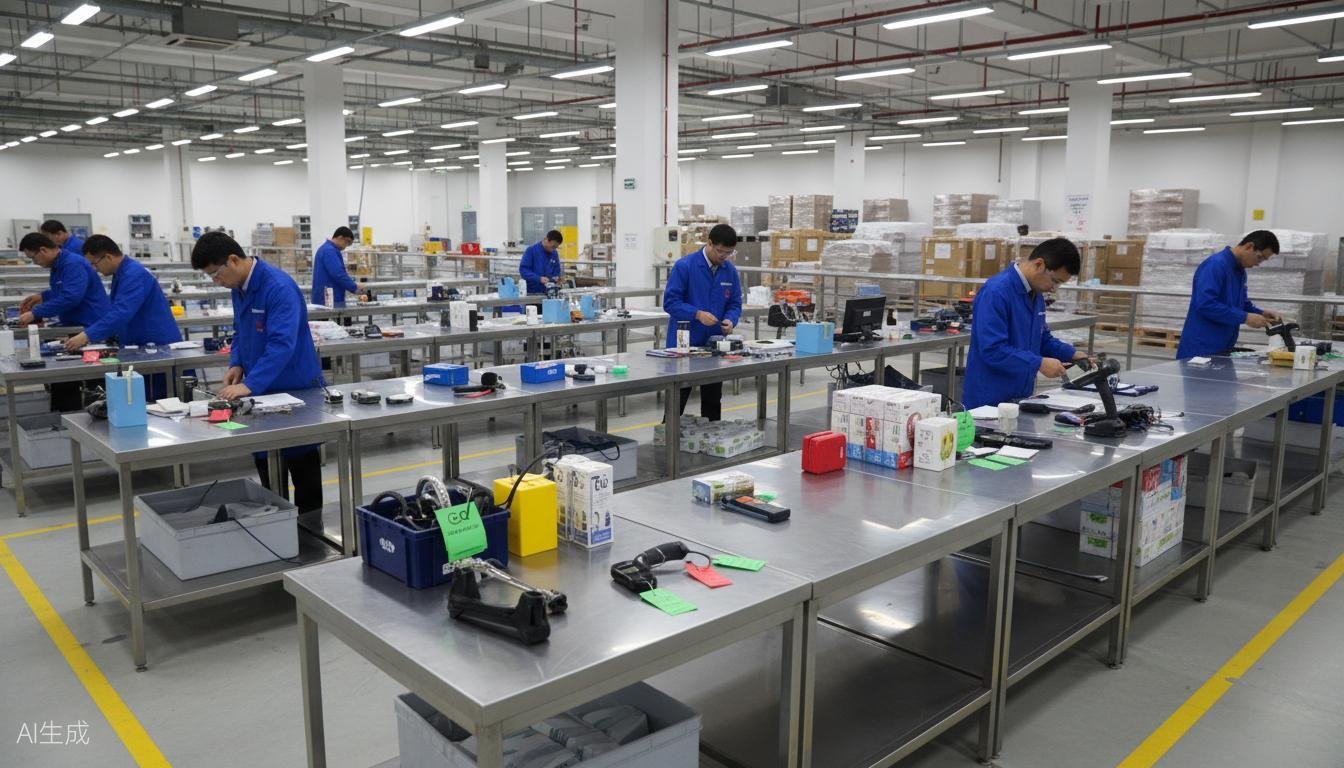
Supplier-side review
Buyer requirements, supplier answers, and open questions should be organized before any purchase commitment.

Verification checkpoint
Documents, samples, inspection points, packaging details, and handover timing need clear confirmation.
Continue through LIFA's sourcing network.
Use these internal routes to move between related pages, return to section hubs, or open the complete page directory.
Complete Site Links
Every public page is listed in one crawlable directory for visitors and search engines.
Open site mapChina Sourcing Guide
Continue through sourcing guides, checklists, risk controls, and logistics topics.
Go to hubTier 4: Logistics & Operations
Step back to a nearby page in the same topic group.
Go backTier 6: Risk Management
Continue to the next connected page in this topic group.
ContinueChina Sourcing Services
Compare the practical services LIFA can coordinate for your sourcing project.
Explore servicesRequest Sourcing Support
Send product details, supplier questions, or shipment needs to LIFA.
Request support