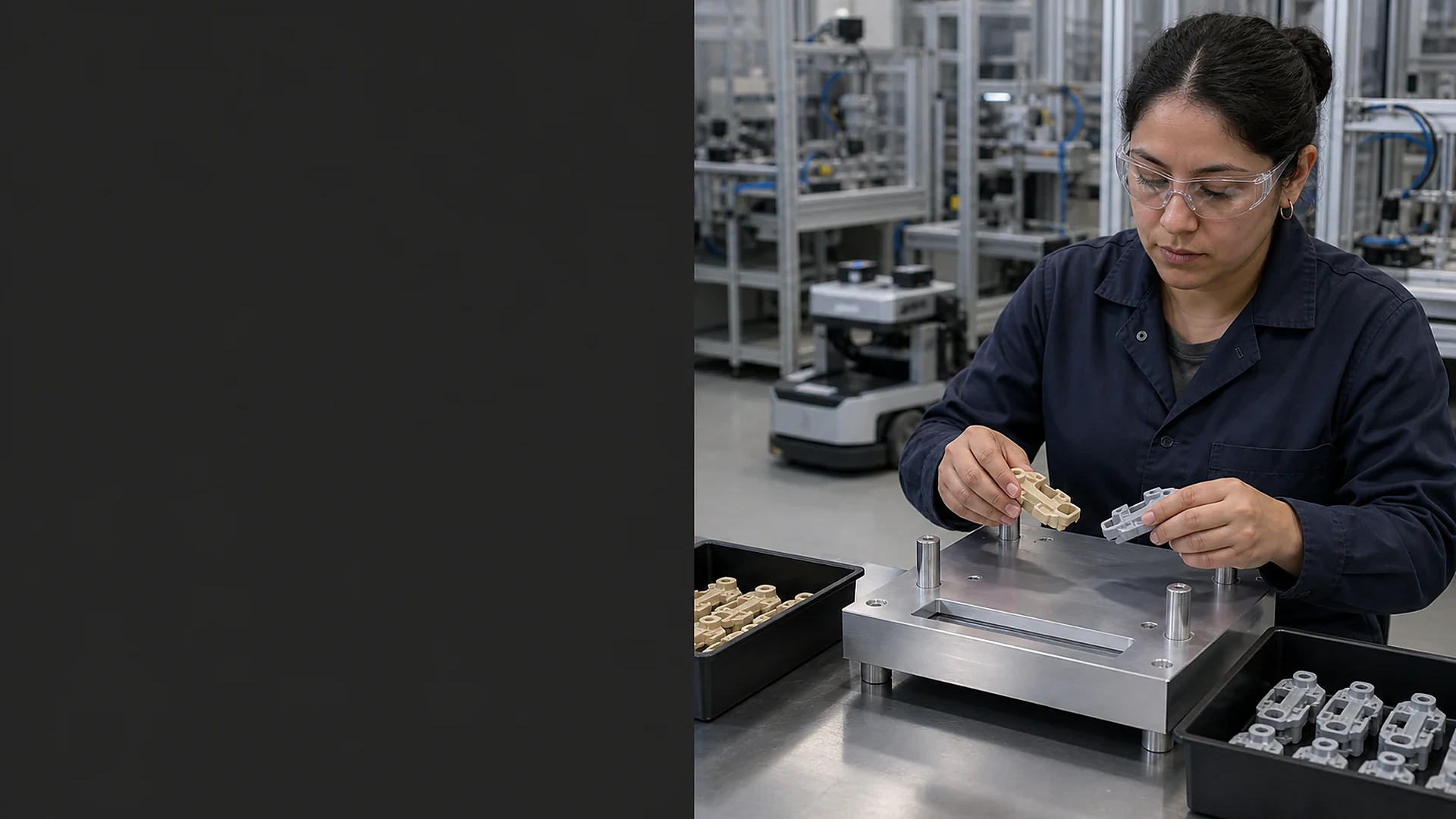
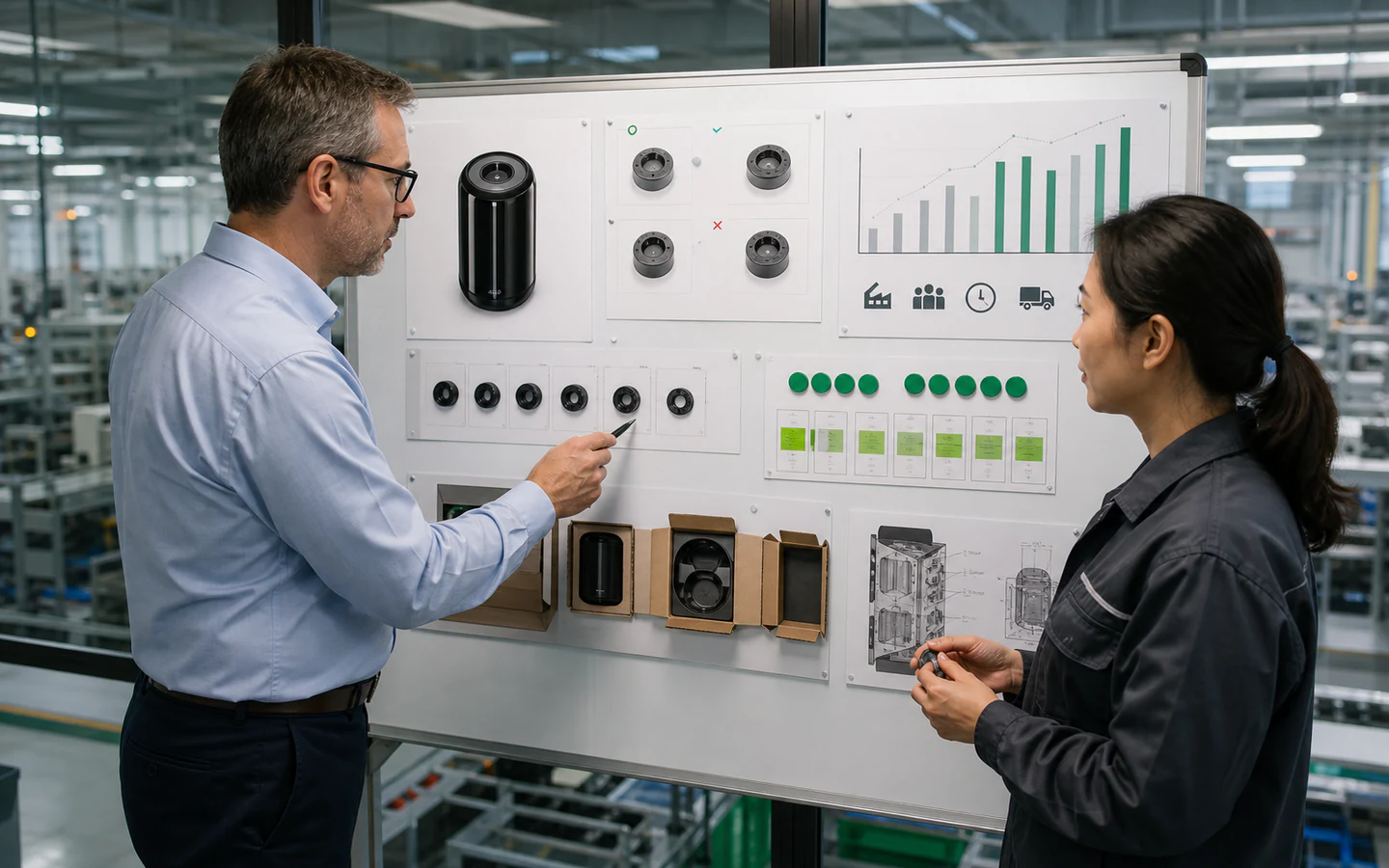
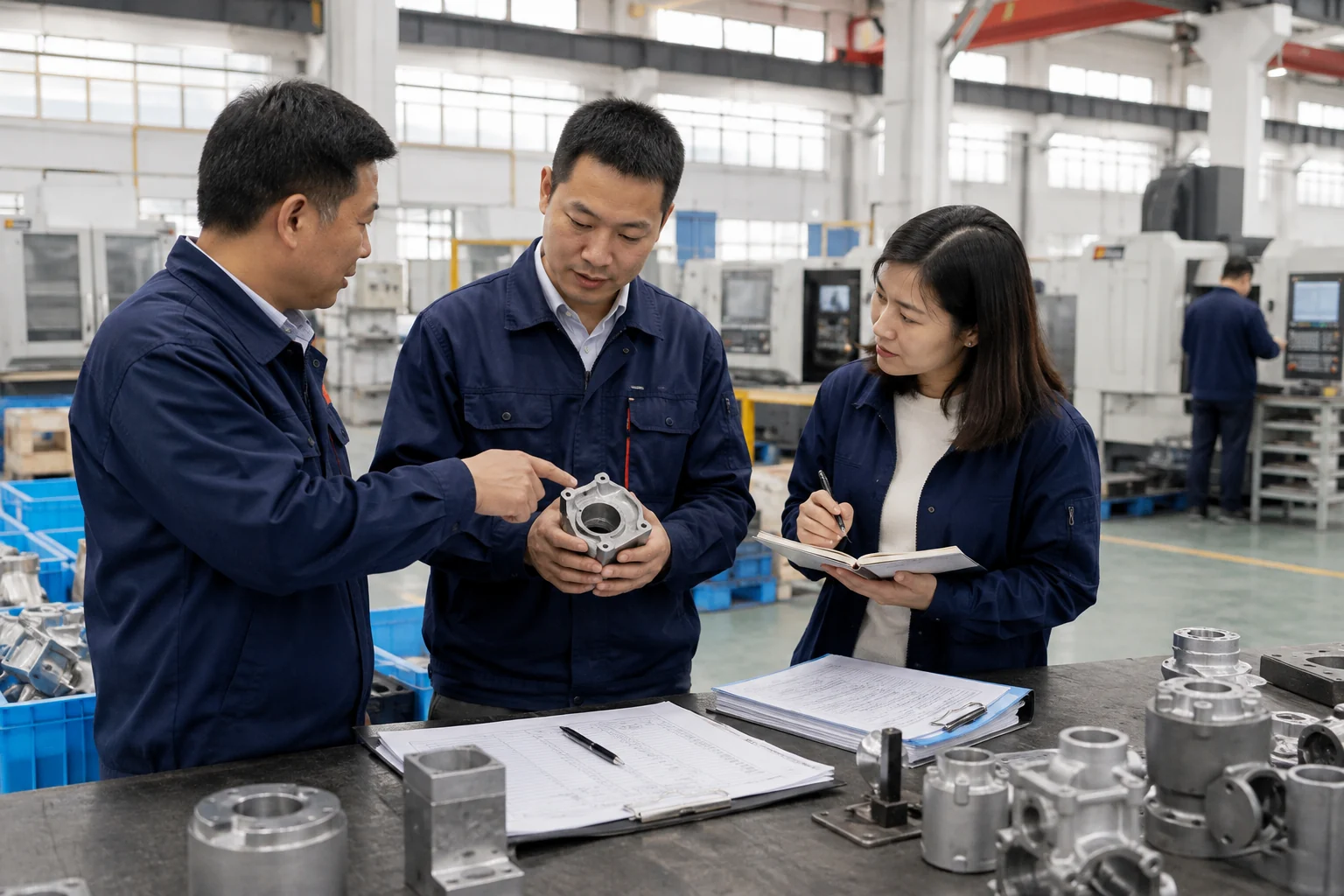
Long-term supplier relationship discussion with a China factory Long-term supplier relationship discussion with a China factory alternate workspace scene Long-term supplier relationship discussion with a China factory detailed sourcing coordination scene
Strategic Growth · Supplier Relationships

Building Long-Term Supplier Relationships

Why repeat buyers get better terms than new ones, and what actually builds trust with a factory over time.

📈

Built for long-term growth

Cost reduction, scaling, and supplier diversification strategies for growing buyers.

⚖️

Quotes made comparable

Price, MOQ, materials, lead time, and terms aligned side-by-side before you decide.

🛡️

Verified before deposit

Supplier and factory checks coordinated before your money moves — not after.

🤝

Buyer-approved, LIFA-managed

LIFA runs the daily sourcing work; you approve supplier choice, quotation, and payment.

Page visuals

Visual checkpoints for Building Long-Term Supplier Relationships

Additional realistic images have been added to support the page content while keeping the current LIFA layout and card styling.

Building Long-Term Supplier Relationships - Supplier shortlist

Supplier shortlist

A practical view of the sourcing work behind this page.

Building Long-Term Supplier Relationships - Factory review

Factory review

Details buyers can review before they compare supplier options.

Building Long-Term Supplier Relationships - Document check

Document check

China-side coordination evidence organized for clearer decisions.

Building Long-Term Supplier Relationships - Capability notes

Capability notes

Operational details that help reduce avoidable sourcing mistakes.

Building Long-Term Supplier Relationships - Risk control

Risk control

Preparation notes for production, packing, or shipment follow-up.

Why repeat buyers get better terms than new ones

A factory allocates its best production slots, most experienced line workers, and most flexibility on small requests to the customers it trusts to pay on time, communicate clearly, and place predictable repeat orders — not necessarily the customer paying the highest unit price. A buyer who has placed several clean orders over time typically has more leverage to negotiate price, get priority during a busy season, or ask for a favor (a rushed sample, a small spec tweak) than a first-time buyer with a larger single order, because the factory is weighing the relationship's future value, not just this transaction.

This works both directions — a buyer who consistently pays late, changes specs after production starts, or disappears between orders trains a factory to deprioritize them regardless of order size.

What actually builds trust with a factory

  • Consistent, on-time payment. Nothing damages a relationship faster than late deposits or balance payments — a factory that has been paid late once starts requiring stricter terms on every future order.
  • Specification stability. Locking specs before production starts, rather than requesting changes mid-run, respects the factory's own production schedule and reduces the rework that erodes goodwill.
  • Direct, responsive communication. A buyer who answers supplier questions quickly (sample approvals, packaging confirmations) keeps production moving — slow buyer responses are one of the most common causes of missed shipping dates, and factories notice which customers cause it.
  • Realistic expectations. Understanding a factory's genuine constraints (minimum run sizes, seasonal capacity, material lead times) and working within them builds more goodwill than repeatedly pushing for exceptions.

The balance: loyalty without losing leverage

A long-term relationship shouldn't mean stopping quotation comparisons entirely — periodically re-checking your primary supplier's pricing and terms against the market keeps the relationship honest on both sides, without requiring you to actually switch. Many experienced buyers maintain a primary supplier for the bulk of volume while occasionally sourcing a comparison quote or a small secondary-supplier test order, so neither side loses visibility into what fair market terms actually look like. See backup supplier strategy for how to build that flexibility in deliberately.

Maintaining the relationship from China

The day-to-day communication that keeps a factory relationship strong — quick sample approvals, consistent payment coordination, catching a schedule slip before it becomes a missed ship date — is easier to manage with someone in the same time zone as the factory. LIFA manages this ongoing communication through order follow-up and procurement coordination, keeping orders on schedule across repeat sourcing cycles.

Going deeper: the full relationship-building playbook

This page covers the why behind long-term supplier relationships. For the complete step-by-step playbook — practical checklists, risk reviews, and buyer scenarios — see the companion guide: Building Long-Term Supplier Relationships: The Full Guide.


Buyer and supplier discussing a long-term sourcing relationship in China
Strategic GrowthTrust is built through consistent payment and clear communication over repeat orders.
TP

Open to Transparent Buyer Feedback

Trustpilot profile link
No invented ratings or review counts

LIFA Global Trade welcomes honest customer reviews on Trustpilot. Real feedback helps buyers evaluate our China sourcing support, communication, and coordination services with transparency.

Your honest feedback helps us improve our sourcing support and helps other buyers make informed decisions.

Buyer questions

Supplier relationships, answered simply.

The questions buyers ask most about building long-term factory relationships.

A factory allocates its best production slots, most experienced line workers, and most flexibility on small requests to the customers it trusts to pay on time, communicate clearly, and place predictable repeat orders — not necessarily the customer paying the highest unit price. A buyer with a track record of clean orders typically has more leverage than a first-time buyer with a larger single order, because the factory is weighing the relationship's future value.

Consistent on-time payment, specification stability (locking specs before production rather than requesting mid-run changes), direct and responsive communication, and understanding the factory's genuine constraints — minimum run sizes, seasonal capacity, material lead times — and working within them.

Yes. A factory that has been paid late once often starts requiring stricter terms — a larger deposit, tighter payment deadlines — on every future order. Payment consistency is one of the fastest ways to build or damage trust with a manufacturer.

No. A long-term relationship shouldn't mean stopping quotation comparisons entirely — periodically re-checking your primary supplier's pricing and terms against the market keeps the relationship honest on both sides, without requiring you to actually switch.

Yes, and many experienced buyers do this deliberately: maintaining a primary supplier for the bulk of volume while occasionally sourcing a comparison quote or a small secondary-supplier test order, so neither side loses visibility into what fair market terms actually look like.

Yes. Slow buyer responses to sample approvals or packaging confirmations are one of the most common causes of missed shipping dates, and factories notice which customers consistently cause delays versus which ones keep production moving smoothly.

Ongoing communication maintained with a China supplier across repeat orders
Strategic GrowthResponsive communication keeps production moving and builds goodwill over time.
Relationships managed, orders on schedule

Growing a long-term supplier relationship in China?

Send your current supplier setup. LIFA manages the day-to-day communication that keeps orders on schedule and relationships strong across repeat sourcing cycles.