Backup supplier factory verified in China ahead of a possible switch Backup supplier factory verified in China ahead of a possible switch alternate workspace scene Backup supplier factory verified in China ahead of a possible switch detailed sourcing coordination scene
Strategic Growth ยท Supplier Diversification

Changing Suppliers & Reducing Dependency

Single-supplier dependency grows quietly โ€” how to qualify a backup factory before you actually need one.

๐Ÿ“ˆ

Built for long-term growth

Cost reduction, scaling, and supplier diversification strategies for growing buyers.

โš–๏ธ

Quotes made comparable

Price, MOQ, materials, lead time, and terms aligned side-by-side before you decide.

๐Ÿ›ก๏ธ

Verified before deposit

Supplier and factory checks coordinated before your money moves โ€” not after.

๐Ÿค

Buyer-approved, LIFA-managed

LIFA runs the daily sourcing work; you approve supplier choice, quotation, and payment.

Page visuals

Visual checkpoints for Changing Suppliers & Reducing Dependency

Additional realistic images have been added to support the page content while keeping the current LIFA layout and card styling.

Changing Suppliers & Reducing Dependency - Supplier shortlist

Supplier shortlist

A practical view of the sourcing work behind this page.

Changing Suppliers & Reducing Dependency - Factory review

Factory review

Details buyers can review before they compare supplier options.

Changing Suppliers & Reducing Dependency - Document check

Document check

China-side coordination evidence organized for clearer decisions.

Changing Suppliers & Reducing Dependency - Capability notes

Capability notes

Operational details that help reduce avoidable sourcing mistakes.

Changing Suppliers & Reducing Dependency - Risk control

Risk control

Preparation notes for production, packing, or shipment follow-up.

Single-supplier dependency is a business risk, not just a sourcing preference

Relying entirely on one factory for a core product feels efficient right up until that factory has a fire, a bankruptcy, a sudden capacity conflict with a bigger customer, or simply raises prices knowing you have no alternative quote to compare against. Supplier concentration risk grows quietly โ€” a buyer who started with one supplier because it was simplest often never revisits the decision until something forces the issue, usually at the worst possible time.

Reducing dependency doesn't require abandoning a good primary supplier โ€” it means having a qualified, tested backup option ready before you need one, not scrambling to find and vet a new factory during a crisis.

Building a backup supplier without disrupting your primary

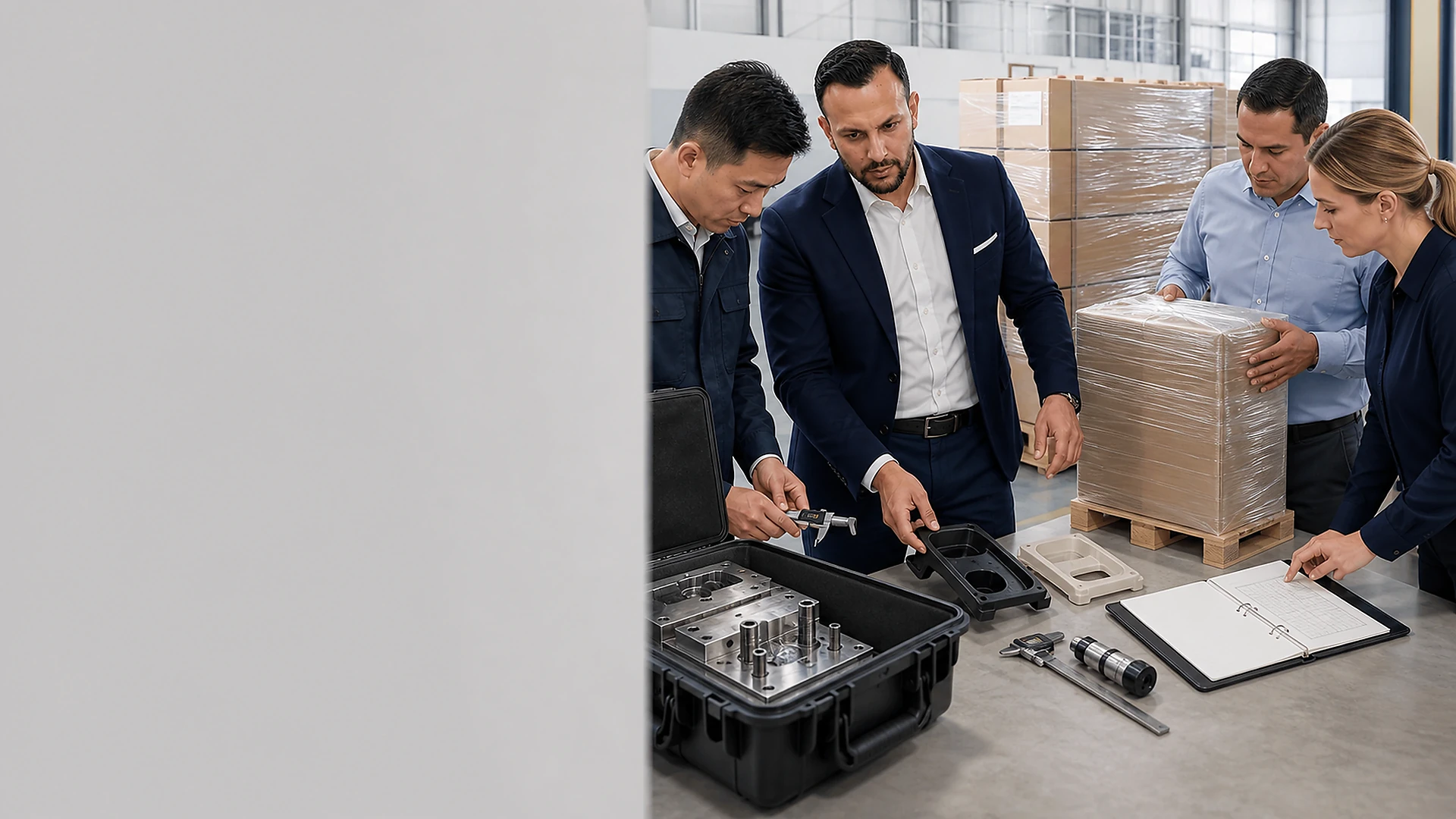
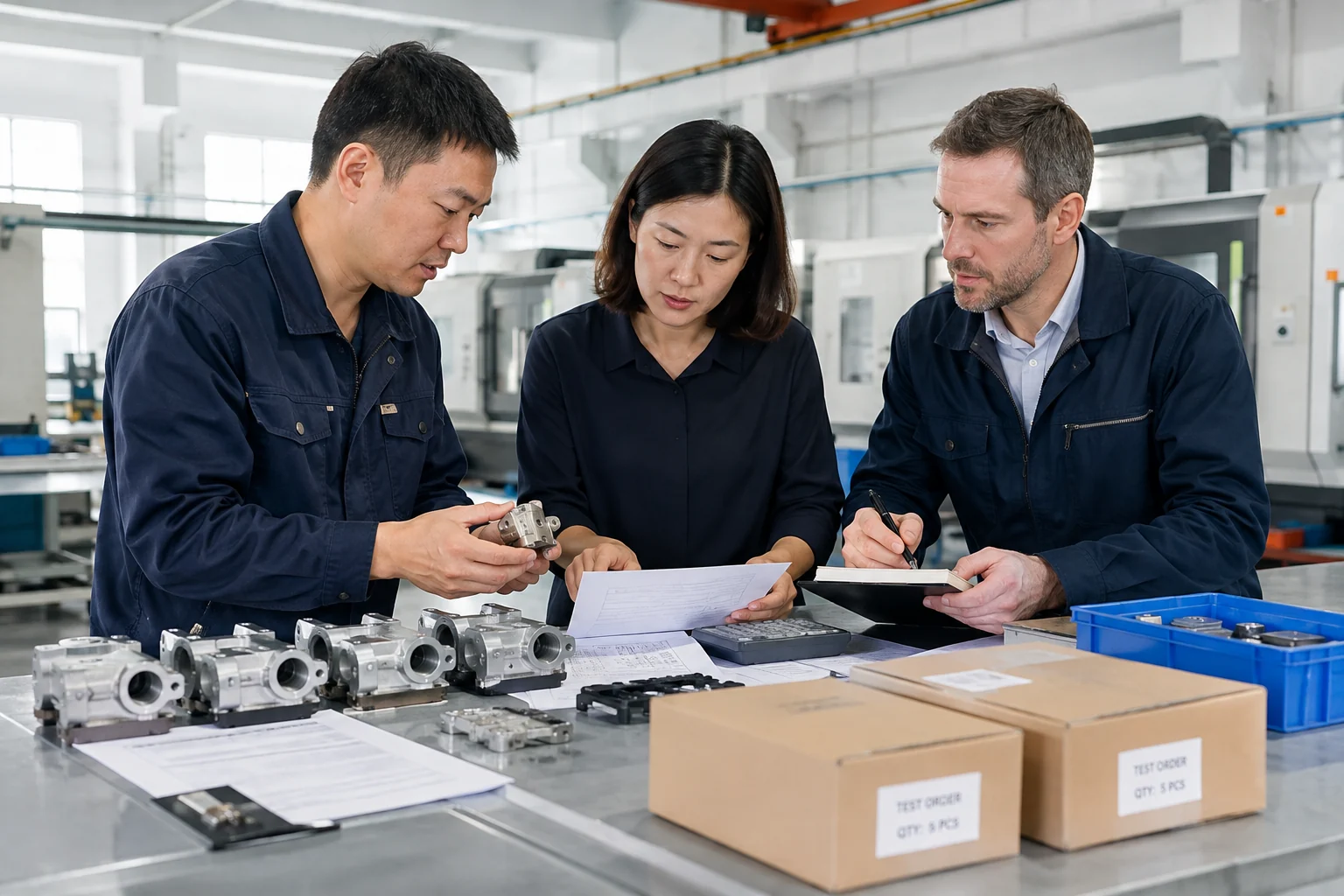
  • Qualify quietly, order small. Identify and verify a secondary factory through the same verification process as your primary, and place a modest test order โ€” not a full production run โ€” to confirm quality without disrupting your main supplier relationship or volume.
  • Split a small percentage of volume. Once qualified, some buyers deliberately route a small percentage (around 10-20%) of ongoing orders to the secondary supplier โ€” enough to keep the relationship active and the factory genuinely capable of scaling if needed, without meaningfully disrupting the primary relationship.
  • Keep specifications portable. Maintaining your tech pack, specifications, and quality standards independent of any one factory's internal documentation makes it far faster to onboard a second (or replacement) supplier when needed.
  • Watch for warning signs early. Slower response times, quality drift, or a factory becoming noticeably less flexible are all signals worth acting on before they become a full supply disruption.

When to actually switch

A full supplier switch is warranted when quality problems recur despite feedback, when pricing or terms become uncompetitive with no room to negotiate, or when the factory's capacity or reliability genuinely can't support your growth. Switching should be planned around your existing inventory runway โ€” building enough stock buffer to cover the transition period, including first-order lead time and sample approval, so a supplier change doesn't itself create a stockout.

Qualifying a backup supplier from China

Verifying a secondary factory to the same standard as your primary โ€” and doing it quietly, without signaling instability to either supplier โ€” is easier managed by someone already coordinating in China. LIFA helps qualify and test backup suppliers alongside your existing sourcing, through supplier verification and quotation comparison, so you have a verified alternative ready if your primary factory relationship ever needs to change.


Backup factory identified and verified in China alongside an existing supplier
Strategic GrowthA backup supplier is qualified quietly, with a modest test order, not a full run.
TP

Open to Transparent Buyer Feedback

Trustpilot profile link
No invented ratings or review counts

LIFA Global Trade welcomes honest customer reviews on Trustpilot. Real feedback helps buyers evaluate our China sourcing support, communication, and coordination services with transparency.

Your honest feedback helps us improve our sourcing support and helps other buyers make informed decisions.

Buyer questions

Supplier dependency, answered simply.

The questions buyers ask most about diversifying and switching suppliers.

Relying entirely on one factory for a core product feels efficient right up until that factory has a fire, a bankruptcy, a sudden capacity conflict with a bigger customer, or simply raises prices knowing you have no alternative quote to compare against. Supplier concentration risk grows quietly, often unnoticed until something forces the issue at the worst possible time.

Identify and verify a secondary factory through the same verification process as the primary, then place a modest test order rather than a full production run, to confirm quality without disrupting the main supplier relationship or volume.

Some buyers deliberately route a small percentage of ongoing orders, often around 10-20%, to a qualified secondary supplier โ€” enough to keep the relationship active and the factory genuinely capable of scaling if needed, without meaningfully disrupting the primary relationship.

Maintaining a tech pack, specifications, and quality standards independent of any one factory's internal documentation makes it far faster to onboard a second or replacement supplier when needed, rather than reconstructing specs from scratch during a crisis.

A full supplier switch is warranted when quality problems recur despite feedback, when pricing or terms become uncompetitive with no room to negotiate, or when the factory's capacity or reliability genuinely can't support your growth.

Plan the switch around your existing inventory runway โ€” build enough stock buffer to cover the transition period, including first-order lead time and sample approval with the new supplier, so the supplier change itself doesn't create a stockout.

Communication with a secondary China supplier kept active alongside a primary factory
Strategic GrowthA qualified backup supplier is kept warm, not left dormant, until it's needed.
Resilience built before it's needed

Want a verified backup supplier ready in China?

Send your current supplier setup. LIFA helps qualify and test a backup factory alongside your existing sourcing, without disrupting your primary relationship.