
Visual checkpoints for Importing from China to Brazil : Import Duty, ICMS & Siscomex Complete Guide (2026)
Additional realistic images have been added to support the page content while keeping the current LIFA layout and card styling.

Buyer planning
A practical view of the sourcing work behind this page.

Supplier options
Details buyers can review before they compare supplier options.

Document review
China-side coordination evidence organized for clearer decisions.
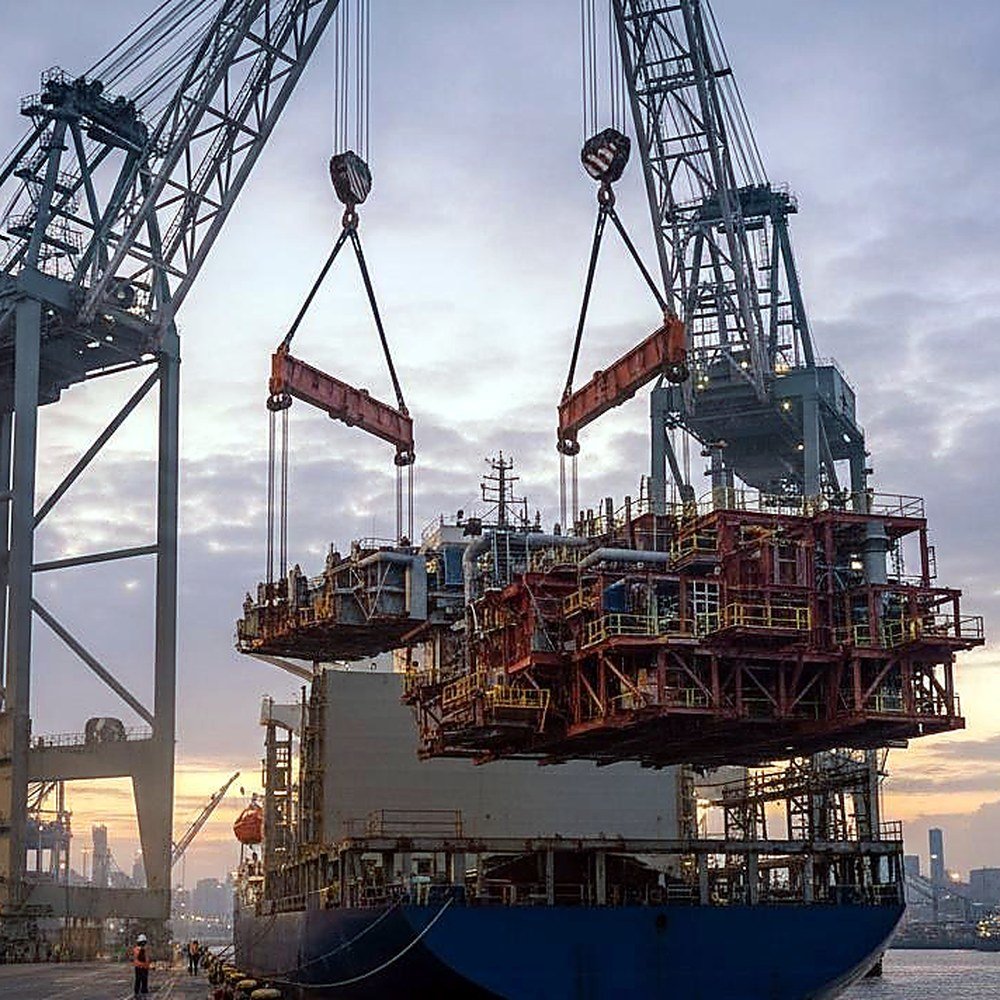
Shipping route
Operational details that help reduce avoidable sourcing mistakes.

Import handoff
Preparation notes for production, packing, or shipment follow-up.



Importing from China to Brazil: Import Duty, ICMS & Siscomex Complete Guide (2026)
Brazil has the most complex tax structure in the Americas. This guide breaks down Import Duty (II), IPI, PIS/COFINS, ICMS, the Siscomex system, Radar licensing, and strategies to manage Brazil's notoriously difficult customs process.
- The full 5-layer tax stack that can add 60-100% to product value.
- How to obtain a Radar license and file through Siscomex.
- What actually triggers a Grey channel customs valuation investigation.
Sourcing support for Brazil buyers
Time zones and language aren't a barrier — communication handled in China hours.
China-hours communication
Supplier calls and factory questions handled during China business hours, not yours.
Verified before deposit
Supplier and factory checks coordinated before your money moves — not after.
Shipped to Brazil
Any Incoterm, coordinated from factory to your port of choice.
Brazil's Tax Stack: Why "Custo Brasil" Is Real
Brazilian importers call it "Custo Brasil" (Brazil Cost) — the extra expense of doing business in Brazil due to bureaucracy and taxation. Total import taxes can reach 60-100% of product value. Understanding the full stack is essential before committing to Brazilian imports.
The 5-Layer Tax Stack
- 1. Import Duty (II): 10-35% depending on product (federal tariff)
- 2. IPI (Tax on Industrialized Products): 0-30% (varies significantly by category)
- 3. PIS (Social Integration Program): ~2.1% federal tax
- 4. COFINS (Social Security Financing): ~9.65% federal tax
- 5. ICMS (State VAT): 17-19% (varies by state; compounds on top of other taxes)
Why Brazil Is Uniquely Complex
- 🇧🇷 Taxes calculated cumulatively (tax-on-tax effect)
- 🇧🇷 ICMS varies by DESTINATION state (26 states + DF, different rates)
- 🇧🇷 Siscomex system requires specialized broker knowledge
- 🇧🇷 Radar license required (weeks to obtain)
- 🇧🇷 Currency volatility (BRL fluctuates significantly)
- 🇧🇷 Anti-dumping duties common on Chinese steel, textiles, ceramics
Real Example: Full Tax Stack Calculation
Product: 2,000 electronic accessories
CIF value: $6,000 (~R$30,000 at R$5.00/USD)
II (16%): R$4,800
IPI (10% on CIF+II): R$3,480
PIS (2.1%): R$630
COFINS (9.65%): R$2,895
ICMS (18%, cumulative base): R$8,241
Total taxes: R$20,046 (67% of CIF value)
Total landed cost: R$50,046 (from R$30,000 factory cost)
Radar License: Mandatory Before Any Import
You cannot legally import into Brazil without a valid Radar (Rastreamento da Atuação dos Intervenientes Aduaneiros) registration through Siscomex.
3 RADAR LICENSE LEVELS
- Express: Up to $50,000/6 months — simplest, fastest approval (10-15 days)
- Limited: Up to $150,000/6 months — moderate documentation (20-30 days)
- Unlimited: No value cap — full documentation, financial capacity proof (30-45 days)
Requirements:
- CNPJ (Brazilian business registration)
- Digital certificate (e-CNPJ)
- Proof of financial capacity (for Limited/Unlimited)
- Registration with Federal Revenue (Receita Federal)
Timeline:
Start Radar application 6-8 weeks before your first planned import.
SISCOMEX: THE CUSTOMS DECLARATION SYSTEM
All import declarations (DI - Declaração de Importação) filed through Siscomex, Brazil's integrated foreign trade system.
What Gets Filed:
- Commercial invoice with NCM code (Brazil's HS code system)
- Bill of lading
- Import license (if product requires - LI - Licença de Importação)
- Certificate of origin (for preferential treatment, if applicable)
Who Files:
Requires licensed customs broker (despachante aduaneiro) — DIY filing is rarely practical due to system complexity.
NCM CODE CLASSIFICATION
Brazil uses NCM (Nomenclatura Comum do Mercosul) — an 8-digit extension of the Harmonized System specific to Mercosur countries.
Why Precision Matters:
NCM code determines: II rate, IPI rate, whether import license required, whether anti-dumping duty applies. A misclassified NCM can trigger 30%+ unexpected costs.
Verification:
Always verify NCM with your customs broker before finalizing purchase order with supplier.
PARAMETERIZATION: RED/YELLOW/GREEN CHANNELS
After DI submission, Siscomex assigns a channel:
- 🟢 Green: Automatic clearance, no review (fastest — 1-2 days)
- 🟡 Yellow: Document review only, no physical inspection (3-5 days)
- 🔴 Red: Full physical inspection + document review (7-15 days)
- ⚫ Grey: Special customs valuation review — investigates if declared value is accurate (15-30+ days, rare but severe)
First-Time Importer Reality:
New importers (no import history) are statistically more likely to get Yellow/Red channel. Build in buffer time for your first 2-3 shipments.
Illustrative Example: What Triggers a Grey Channel Valuation Investigation
The scenario below illustrates how an unusually low declared value can trigger extended scrutiny — it's a worked example, not a specific documented shipment.
The Situation
- Importer: A São Paulo electronics distributor
- Product: A batch of Bluetooth speakers from a Shenzhen supplier
- Declared value: Unusually low relative to the typical volume and product type
The Trigger
Receita Federal's valuation system flags the declared price as below the reference price for similar Bluetooth speaker imports, which triggers the Grey channel — a formal customs valuation investigation.
What Happens
Customs requests proof of payment to the supplier, bank transfer records, supplier invoice authentication, and a product cost breakdown. The importer has to provide documentation proving the low price is legitimate, such as a genuine large-volume discount, and the investigation itself can take weeks to resolve.
The Cost
Beyond the direct broker fees for responding to the investigation, extended port storage charges accrue for the full duration of the hold, and — often the largest cost — an inventory stockout during a multi-week delay can mean real lost sales and strained customer relationships.
Lesson
Ensure your declared CIF value aligns with market reference prices for similar products. Unusually low declared values, even when fully legitimate, tend to trigger scrutiny. Working with a broker who can advise on realistic valuation before shipment reduces the odds of an investigation in the first place.
Discuss This6 Strategies to Manage Brazilian Import Complexity
1. Choose Your Import State Strategically
ICMS rates vary by state (17-19%+). Some states (like Espírito Santo, Santa Catarina) offer ICMS incentives for importers who establish operations there.
Discuss This 22. Use Ex-Tarifário for Capital Goods
If importing machinery/equipment without Brazilian-made equivalents, apply for Ex-Tarifário — can reduce II to 0% for qualifying capital goods.
Discuss This 33. Verify NCM Before Ordering
Work with broker to confirm NCM code and full tax calculation BEFORE finalizing supplier order. A 5% NCM misclassification error compounds through 5 tax layers.
View Service 44. Build Import History Gradually
Start with smaller, well-documented shipments. Established import history with accurate declarations reduces Yellow/Red/Grey channel frequency over time.
Discuss This 55. Use Bonded Warehouses (Entreposto Aduaneiro)
Defer tax payment until goods actually sell — useful for managing cash flow given Brazil's high upfront tax burden.
View Service 66. Partner With Experienced Despachante
A customs broker who specializes in China-Brazil trade lanes knows current anti-dumping duty lists, common NCM pitfalls, and realistic valuation benchmarks for your product category.
Discuss ThisOpen to Transparent Buyer Feedback
LIFA Global Trade welcomes honest customer reviews on Trustpilot. Real feedback helps buyers evaluate our China sourcing support, communication, and coordination services with transparency.
Your honest feedback helps us improve our sourcing support and helps other buyers make informed decisions.
Importing to Brazil, answered simply.
The questions buyers ask most about customs valuation and taxes when importing from China to Brazil.
Receita Federal's valuation system flags a declared price that falls below the reference price for similar imports of that product type, which can trigger a formal customs valuation investigation even when the low price is entirely legitimate, such as a genuine large-volume discount.
Ensure your declared CIF value aligns with market reference prices for similar products. Working with a broker who can advise on realistic valuation before shipment reduces the odds of triggering an investigation in the first place.
Brazil's import tax stack typically includes Import Duty (II), IPI (a federal excise tax), PIS/COFINS (federal social contribution taxes), and ICMS (a state-level value-added tax), each calculated on a different base, which makes the total landed cost meaningfully higher than the import duty rate alone would suggest.
Siscomex is Brazil's integrated foreign trade system, used to register and process import declarations electronically. A Radar license, which authorizes a company to operate in Siscomex, is required before an importer can clear goods through Brazilian customs at all.
Brazilian customs valuation systems compare declared prices against reference data for similar products, and a price significantly below that reference is treated as a risk signal regardless of whether it's accurate, because it's statistically more often associated with undervaluation for duty evasion than with a genuine discount.
Where to Go Next
Continue exploring related shipping and country topics.
All Country Guides
Compare import procedures across every market LIFA supports.
Browse Countries 02Shipping & Forwarding
Any Incoterm, coordinated from factory to your Brazilian port.
Explore This Service 03Payment Protection Strategies
Structure payment terms so a customs surprise carries less risk.
Read the GuideLet LIFA Navigate Brazil's Tax Complexity
Brazil's 5-layer tax stack and Siscomex system are notoriously difficult for first-time importers. We help calculate true landed costs and connect you with experienced customs partners.