Visual checkpoints for Importing from China to Canada : MFN Tariffs, Customs & Compliance Guide
Additional realistic images have been added to support the page content while keeping the current LIFA layout and card styling.
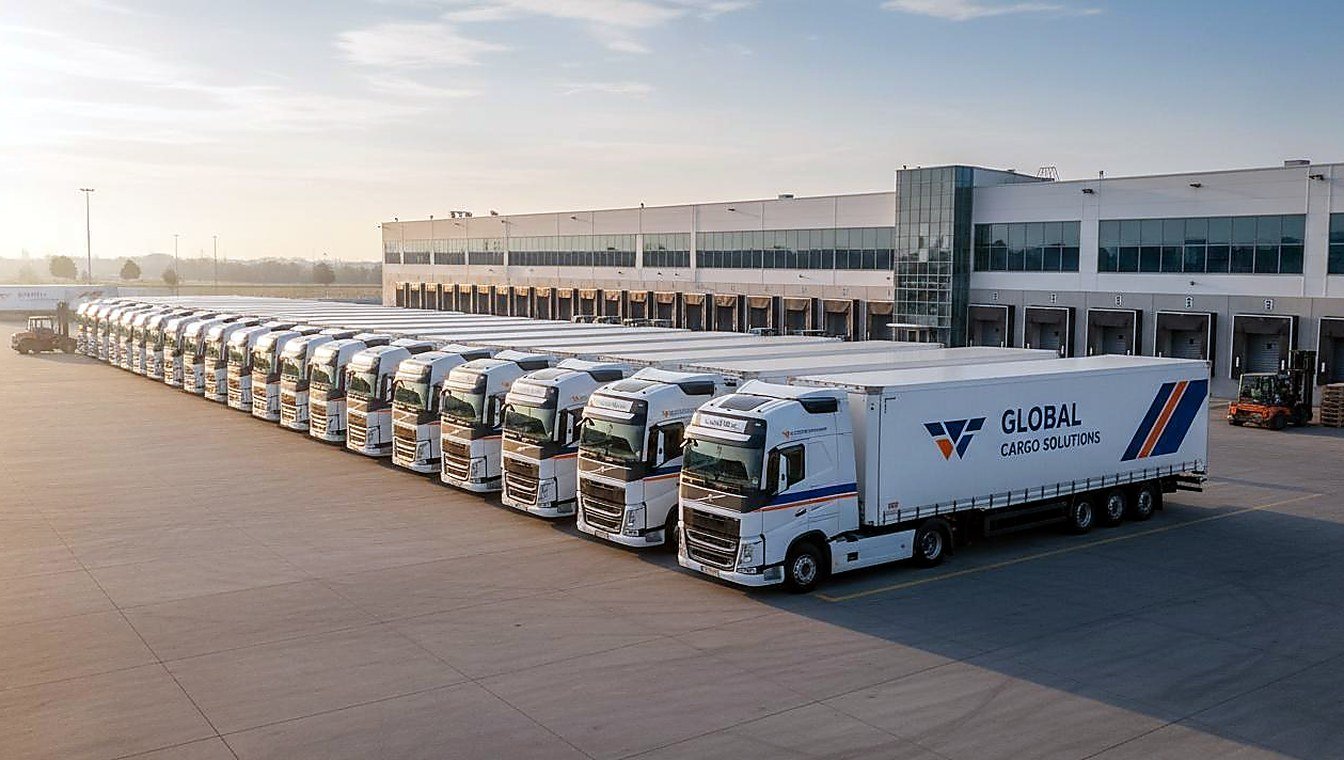
Shipment planning
A practical view of the sourcing work behind this page.
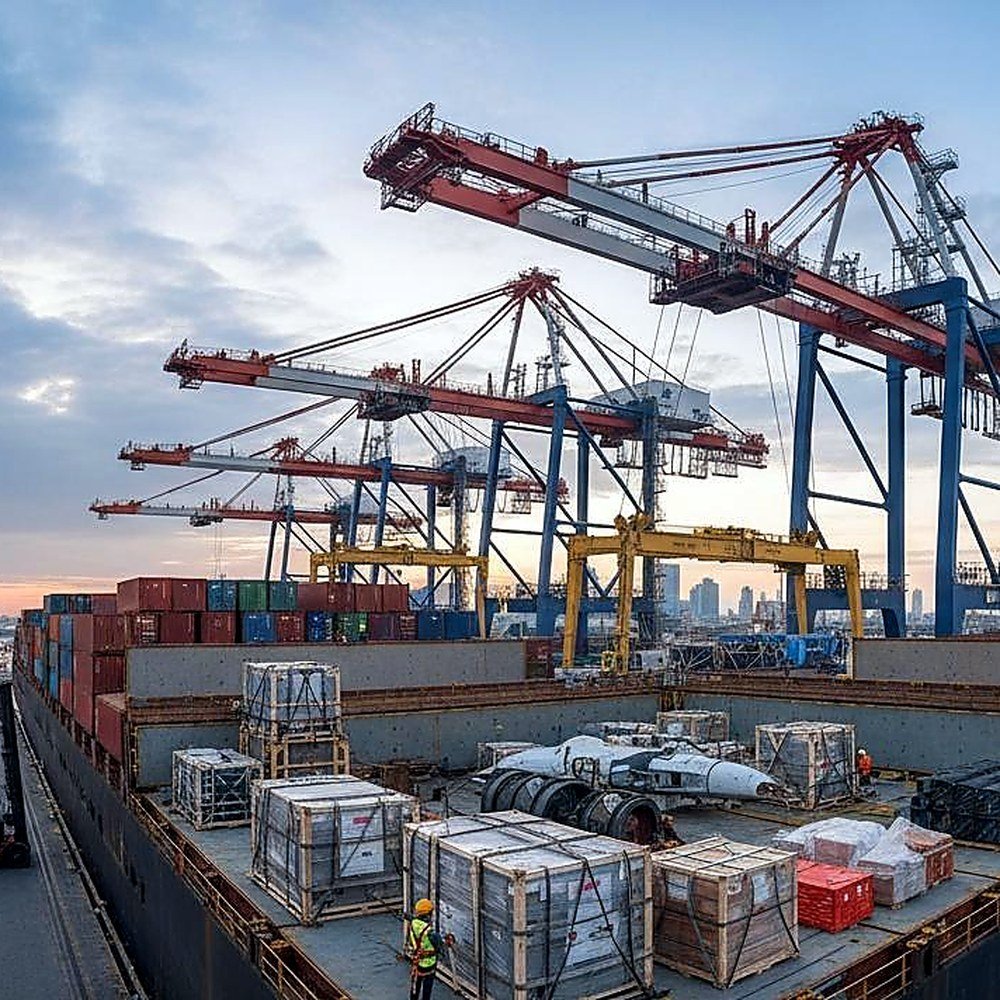
Carton review
Details buyers can review before they compare supplier options.
Freight comparison
China-side coordination evidence organized for clearer decisions.

Document check
Operational details that help reduce avoidable sourcing mistakes.

Handoff prep
Preparation notes for production, packing, or shipment follow-up.



Importing from China to Canada: MFN Tariffs, Customs & Compliance Guide
Canada's Most-Favoured-Nation (MFN) tariff rates, Canada Border Services Agency (CBSA) procedures, duty calculations, and strategies to minimize tariff costs. A complete guide for importing successfully to Canada.
- Why China-origin goods are subject to MFN rates, not USMCA preferential rates.
- How correct HS classification determines the duty rate you actually pay.
- A worked example showing how an assumed tariff rate can cost more than expected.
Sourcing support for Canada buyers
Time zones and language aren't a barrier — communication handled in China hours.
China-hours communication
Supplier calls and factory questions handled during China business hours, not yours.
Verified before deposit
Supplier and factory checks coordinated before your money moves — not after.
Shipped to Canada
Any Incoterm, coordinated from factory to your port of choice.
China Goods Get Canada's MFN Rate, Not a USMCA Rate
USMCA (the United States-Mexico-Canada Agreement) sets preferential tariff rates for goods that actually originate in the US, Canada, or Mexico. A product manufactured in China — regardless of packaging, labeling, or which company sells it — does not qualify for USMCA rates under any circumstances, because the manufacturing itself didn't happen in North America. What actually applies to China-origin goods is Canada's Most-Favoured-Nation (MFN) tariff schedule, the standard rate Canada applies to WTO member countries it doesn't have a specific free trade agreement with.
What the MFN Rate Actually Means
- China has no free trade agreement with Canada, so China-origin goods are assessed at the MFN rate for their HS code, not a preferential rate.
- Many categories still have a low or 0% MFN rate — electronics, machinery, and many industrial goods often carry minimal duty under Canada's general tariff schedule, independent of USMCA.
- Other categories carry a meaningfully higher MFN rate, particularly some textiles, apparel, and footwear.
- Duty deferral — bonded warehouses can still be used to defer GST/duty payment by 30-60 days regardless of the applicable rate.
Where the Confusion Comes From
- Rules of Origin exist to determine USMCA eligibility — but they only ever apply to goods with some North American manufacturing content, never to a product wholly made in China.
- A "yarn-forward" or Regional Value Content calculation is irrelevant for a product entirely produced in a Chinese factory — there is no partial-qualification scenario to calculate.
- The correct question isn't "does this qualify for USMCA," it's "what is the correct HS code and MFN rate for this product" — misclassifying the HS code, not a Rules of Origin failure, is what actually creates surprise duty costs on China-origin shipments.
Illustrative Example: Why HS Classification Accuracy Matters
Scenario: A Canadian importer orders a batch of cotton t-shirts from a Chinese supplier and estimates duty using a lower tariff rate that actually applies to a different, related HS code.
At CBSA, the classification is verified and the correct code carries a meaningfully higher MFN rate, creating an unexpected difference between the estimated and actual duty owed on the shipment.
How to avoid it: Confirm the correct HS code and its actual MFN rate before ordering, rather than assuming a rate based on a similar product category. When genuine classification ambiguity exists, a formal ruling from CBSA removes the guesswork for future shipments of the same product.
Canadian MFN Tariff Rates by Product Category
These are the general MFN (Most-Favoured-Nation) rate ranges that apply to China-origin goods under Canada's tariff schedule — always confirm the exact HS code and current rate before ordering, since rates vary by the specific product and can change.
| Product Category | HS Code | Typical MFN Rate |
|---|---|---|
| Electronics (smartphones, tablets) | 8471, 8517 | 0% |
| Machinery/equipment | 8429, 8430 | 0-5% |
| Plastics/ceramics | 3923, 6912 | 5-8% |
| Textiles and apparel | 6204, 6109 | 16-25% |
| Furniture/wood products | 9401, 9403 | 0-9.5% |
Rates shown are general ranges for reference — confirm the exact rate for your product's specific HS code through CBSA or a licensed customs broker before ordering.
💡 Key Insight: MFN Rates Vary Widely by Category
Electronics, machinery, and many metal goods often carry a low or 0% MFN rate under Canada's general tariff schedule. Textiles, apparel, and footwear typically carry a meaningfully higher rate. Because this is a fixed category-based rate rather than something that changes based on origin-content calculations, the way to avoid a surprise is confirming the correct HS code and its rate before ordering, not researching Rules of Origin.
Canadian Customs Clearance: CBSA Process (5-7 Days Average)
Your shipment's journey through Canadian Border Services Agency (CBSA) is straightforward if documentation is correct. Most shipments clear in 5-7 days.
PRE-ARRIVAL NOTIFICATION
Broker submits customs declaration to CBSA 24 hours before arrival (electronic).
Required Information:
- Commercial invoice
- HS code classification
- Product description
- CIF value (Cost + Insurance + Freight)
- Country of origin
Timeline:
1-2 days before arrival
CONTAINER ARRIVAL & RISK ASSESSMENT
Container arrives at Port of Vancouver, Toronto, Montreal, or Halifax. CBSA runs risk scan.
Result:
- 🟢 Green = Low risk, release approved
- 🟡 Yellow = Sample inspection (1-2 units opened)
- 🔴 Red = Full inspection (entire container opened)
Timeline:
Same day
INSPECTION (IF REQUIRED)
CBSA officer inspects sample (Yellow) or full container (Red) to verify HS code, origin, compliance.
Timeline:
Green: 1 day | Yellow: 2-3 days | Red: 3-5 days
DUTY & TAX CALCULATION
CBSA calculates import duty + GST (5%) + PST (varies by province, 0-10%).
Example:
Product: 1,000 plastic storage boxes
CIF value: CAD $3,000
MFN tariff: 5%
Duty: $150
GST (5%): ($3,000 + $150) × 5% = $158
Total: $308
Timeline:
1 day
RELEASE & PAYMENT
Pay duty/GST or goods held. Payment typically within 2 days, then goods released.
Timeline:
1-2 days
⏱️ Total Timeline: Port to Release
Best case (Green): 2-3 days
Medium (Yellow): 4-5 days
Worst (Red + inspection dispute): 7-10 days
Illustrative Example: What an HS Misclassification Actually Costs
The scenario below illustrates how an incorrect tariff assumption compounds into real cost and delay — it's a worked example, not a specific documented shipment.
The Situation
- Canadian retailer: A home goods importer
- Product: A batch of cotton throw pillows
- Supplier: A textile factory in China
The Mistake
The importer estimated duty using a lower tariff rate that applies to a different, related product category, rather than confirming the correct HS classification for throw pillows specifically.
At CBSA
The classification is verified during clearance and the correct code carries a meaningfully higher MFN rate than the importer had assumed.
The Cost
The gap between the assumed and actual duty rate applies to the full shipment value, and a classification discrepancy can also trigger an inspection hold, adding storage costs and a schedule slip on top of the duty difference itself.
Lesson
The rate difference between two plausible HS classifications is often larger than buyers expect, and the cost of confirming the correct code before ordering is small compared to the cost of discovering the mistake at the border.
Discuss ThisConfirming the Correct HS Code and MFN Rate
Since USMCA preferential rates don't apply to goods manufactured in China, the real decision point for a China-origin shipment is getting the HS classification and MFN rate right before ordering, not researching origin content thresholds.
Why Classification Ambiguity Happens
Many products could reasonably fall under more than one HS code depending on their primary material, function, or construction — a multi-function storage item, for example, might plausibly be classified as plastic housewares, furniture, or a case/bag depending on its dominant characteristic, each carrying a different duty rate.
Discuss This 🧵Why Textiles and Apparel Need Extra Care
Textile and apparel HS codes are especially detailed, with classification often depending on fiber content, construction method, and intended use. Getting the code wrong on a textile product tends to have a larger dollar impact than on other categories, since textile MFN rates are often meaningfully higher than other product categories.
Discuss This✅ How to Confirm Your Product's HS Code and Rate
- 1️⃣ Identify your product's likely HS code based on its material and primary function.
- 2️⃣ Look up the current MFN rate for that code through CBSA or a licensed customs broker.
- 3️⃣ If more than one code plausibly applies, ask a broker for a formal classification opinion or ruling before ordering.
- 4️⃣ Confirm the classification and rate match what's declared on the commercial invoice and customs paperwork.
- 5️⃣ Keep the classification confirmation on file in case CBSA requests supporting documentation at clearance.
Open to Transparent Buyer Feedback
LIFA Global Trade welcomes honest customer reviews on Trustpilot. Real feedback helps buyers evaluate our China sourcing support, communication, and coordination services with transparency.
Your honest feedback helps us improve our sourcing support and helps other buyers make informed decisions.
Importing to Canada, answered simply.
The questions buyers ask most about tariffs and customs when importing from China to Canada.
No. USMCA (the United States-Mexico-Canada Agreement) sets preferential tariff rates only for goods that actually originate in the US, Canada, or Mexico. A product manufactured in China does not qualify for USMCA rates under any circumstances, because the manufacturing itself didn't happen in North America.
China-origin goods are assessed at Canada's Most-Favoured-Nation (MFN) tariff rate for the product's HS code, since China has no free trade agreement with Canada. Many categories like electronics and machinery carry a low or 0% MFN rate, while textiles and apparel typically carry a meaningfully higher rate.
Incorrect HS classification is the main cause, not a Rules of Origin failure. Many products could reasonably fall under more than one HS code with different duty rates, and confirming the correct code before ordering avoids the surprise, rather than researching origin-content thresholds that don't apply to wholly China-made goods.
Most shipments clear in a few days when documentation is correct and the shipment is flagged low-risk. A shipment selected for sample or full inspection takes longer, and the exact timeline depends on the port and the specific risk assessment outcome.
Identify the likely code based on the product's material and primary function, look up the current MFN rate through CBSA or a licensed customs broker, and if more than one code plausibly applies, request a formal classification opinion or ruling before placing the order.
Where to Go Next
Continue exploring related shipping and country topics.
All Country Guides
Compare import procedures across every market LIFA supports.
Browse Countries 02Shipping & Forwarding
Any Incoterm, coordinated from factory to your Canadian port.
Explore This Service 03Tariffs & Trade Agreements
How duty and origin rules work across different destination markets.
Read the GuideLet LIFA Help Confirm Your Product's Classification
We help Canadian importers organize product specifications clearly for a customs broker, so HS classification and MFN duty rates are confirmed before ordering, not discovered at the border.