Visual checkpoints for The Shenzhen Electronics Markets Guide
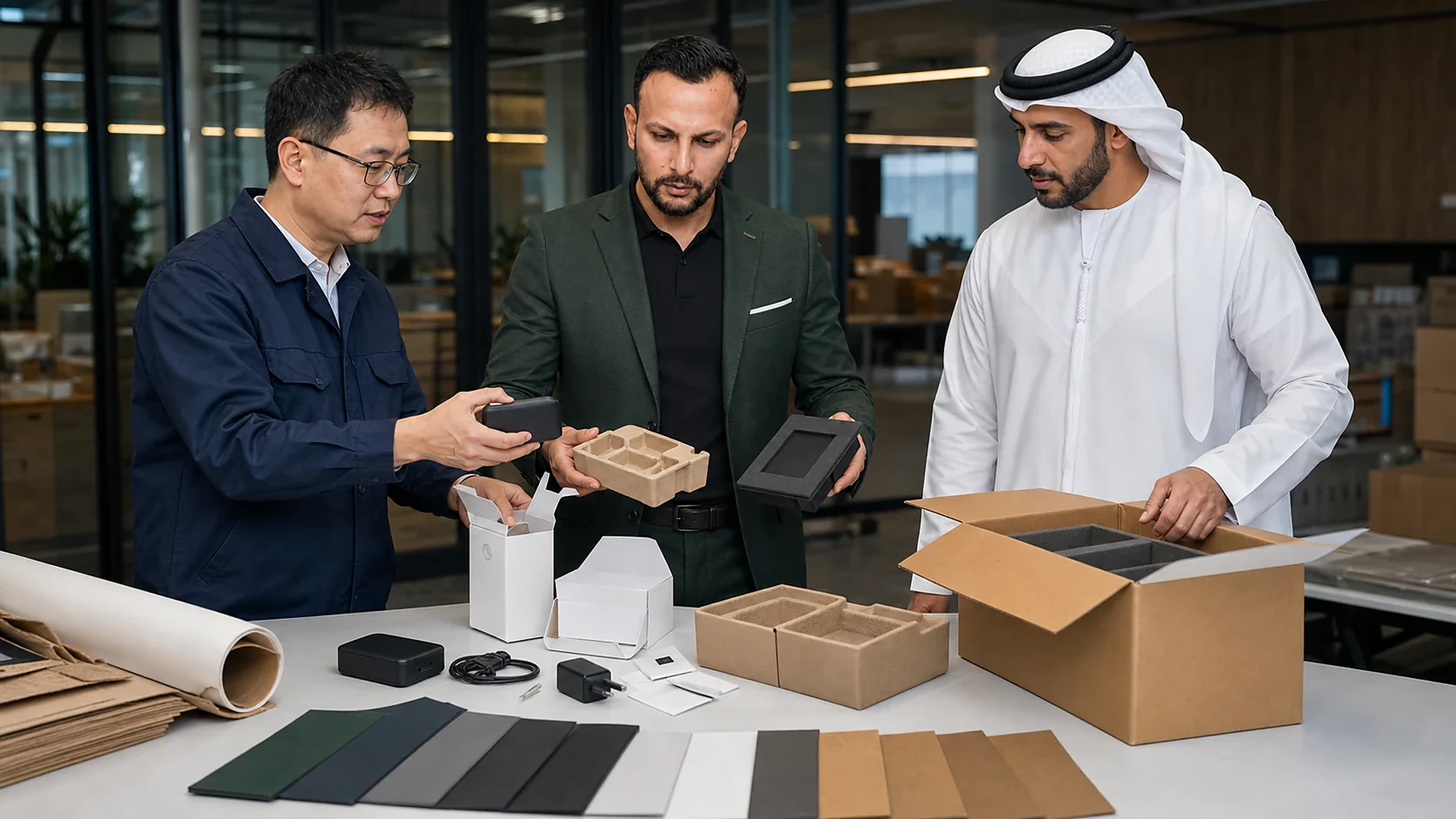
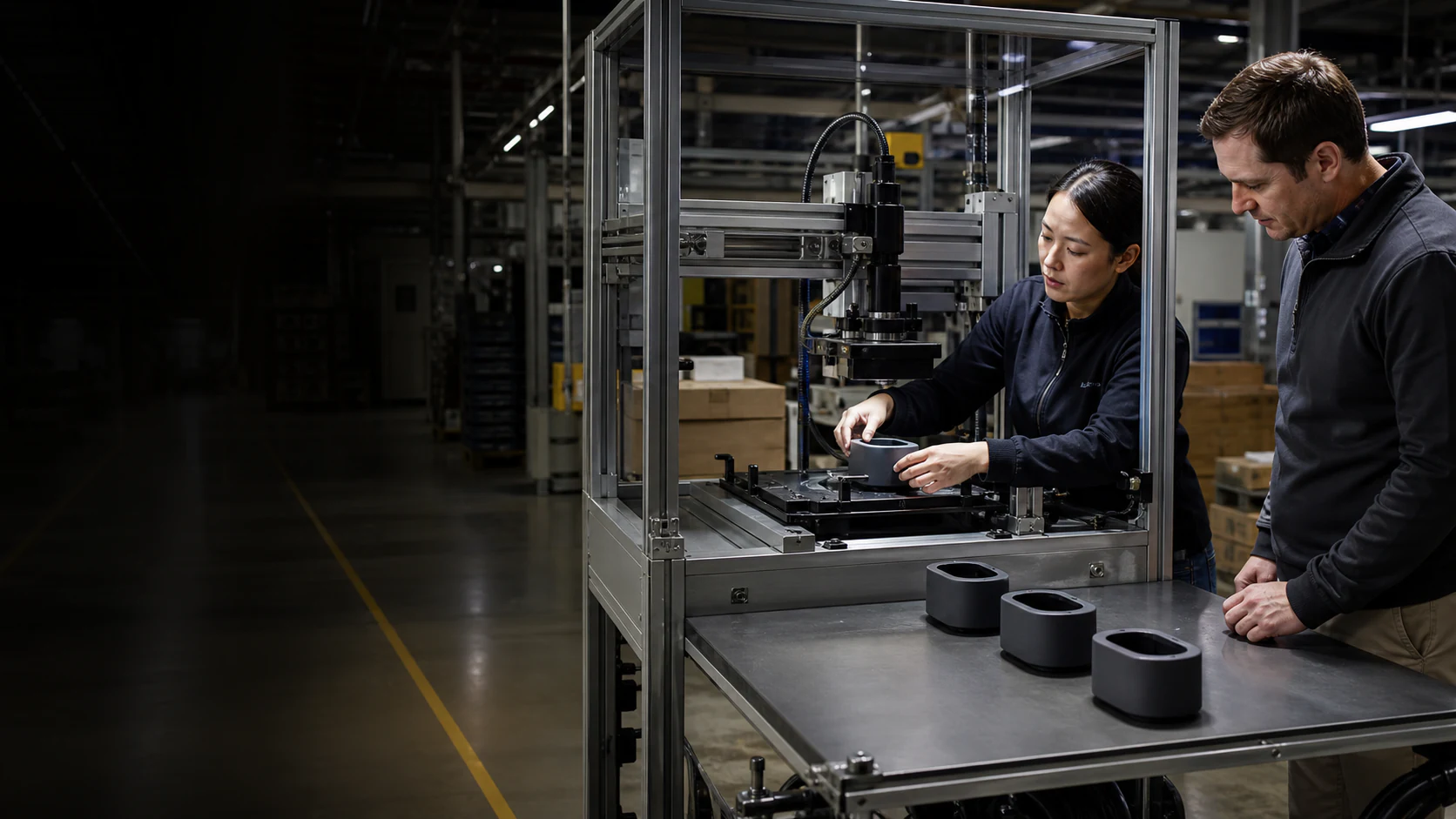
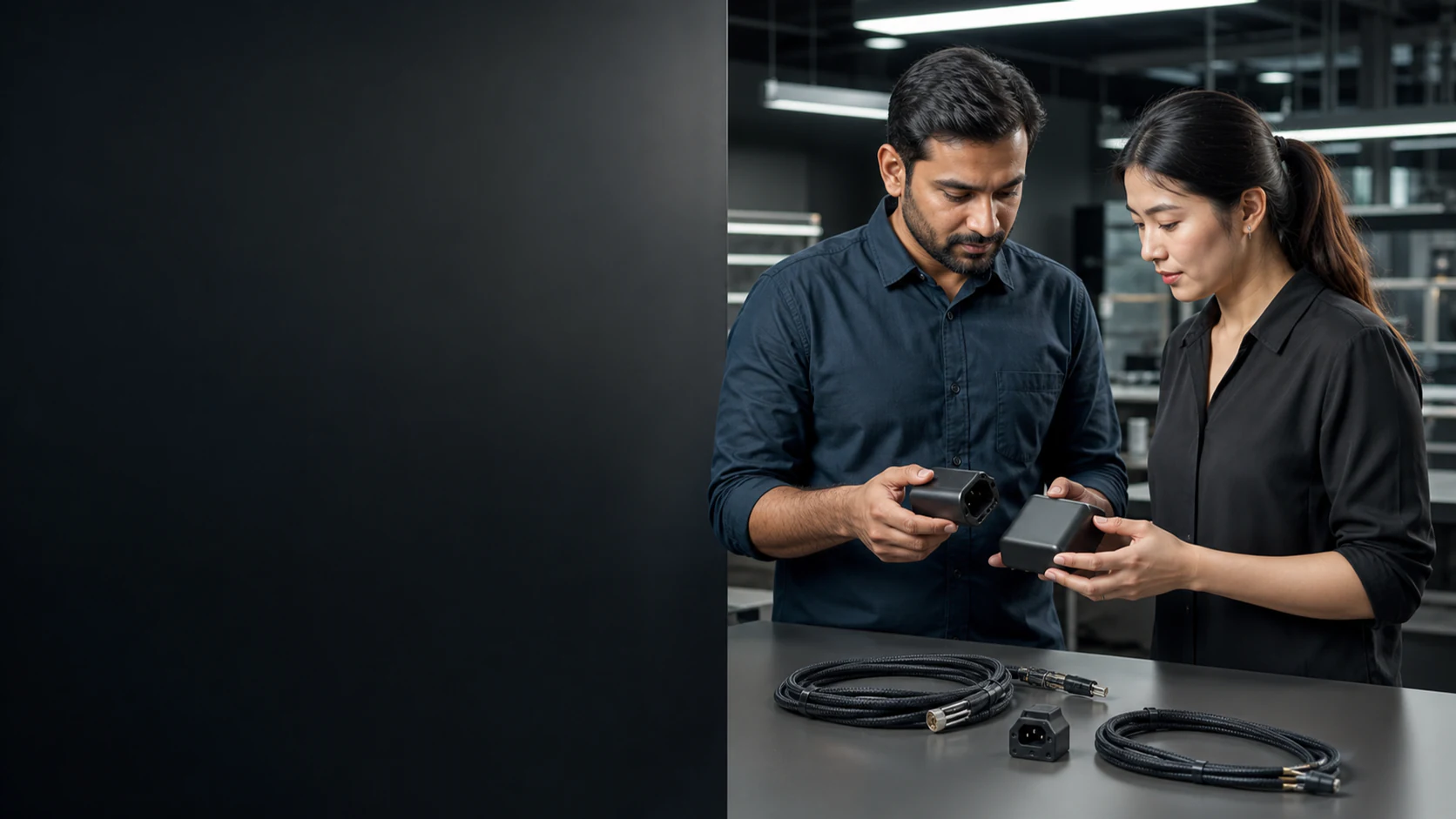
Additional realistic images have been added to support the page content while keeping the current LIFA layout and card styling.

Research notes
A practical view of the sourcing work behind this page.

Supplier examples
Details buyers can review before they compare supplier options.

Checklist view
China-side coordination evidence organized for clearer decisions.

Practical review
Operational details that help reduce avoidable sourcing mistakes.

Next steps
Preparation notes for production, packing, or shipment follow-up.
Huaqiangbei in one paragraph
Huaqiangbei is the electronics market district in Shenzhen's Futian District — widely described as the world's largest electronics marketplace. Dozens of multi-floor malls compress the entire electronics supply chain into walkable blocks: chips and components on one floor, finished phones on the next, accessories, tools, repair parts, and gadgets everywhere between. Behind the counters sits the Pearl River Delta's manufacturing engine, which is why a product idea can become a working sample here faster than anywhere on earth.
That speed is the draw — and the trap. Huaqiangbei rewards buyers who know exactly what they're asking for, and quietly punishes those who don't. This guide is the difference.
The market map: which mall sells what
| Market | Known for | Buyer notes |
|---|---|---|
| SEG Electronics Market | Components, development boards, tools, instruments | The classic starting point; component floors reward precise part numbers. |
| New Asia (Xin Ya Zhou) | Electronic components, SMD/patch parts wholesale | Serious component sourcing; bring a BOM, not a vibe. |
| Yuanwang Digital Mall | Phones, phone parts, accessories | Accessory sellers' territory; authenticity grades vary stall to stall. |
| Huaqiang Electronic World | Repair parts, second-hand and refurbished devices | Useful for repair businesses; grade transparency is the negotiation. |
| Mingtong Digital Mall | Phones and communications devices | Known for the phone trade in all its grades — verify authenticity tier explicitly. |
| Longsheng Electronics Market | LED products and components | The LED-focused stop for lighting and display buyers. |
| Surrounding blocks | Gadgets, smart devices, drones, wearables, LED | Trend products surface here first — months before marketplaces. |
Practical logistics: most malls run roughly 9:30–18:30, weekday mornings (Tue–Fri) are the serious trading hours, and the district sits on Shenzhen Metro at Huaqiang Road and Huaqiang North stations. Malls renovate and vendors migrate — treat this map as orientation and confirm current details before a trip or a buying assignment.
What Shenzhen is for — and what it isn't
| Excellent for | Handle with care |
|---|---|
| Components and parts against a spec or BOM | Branded finished electronics (authenticity risk) |
| Phone and device accessories at scale | "Original" screens and batteries (grades vary wildly) |
| Prototyping and small-batch product development | Anything needing certification you haven't planned (CE/FCC) |
| Trend gadgets before they hit marketplaces | Lookalike or brand-adjacent products (border seizure) |
| Repair-business parts supply | Critical components at suspiciously low prices |
The authenticity ladder nobody prints on the price tag
In electronics, "is it real?" has more than two answers. Every experienced Huaqiangbei buyer prices these grades separately — and insists on knowing which one is quoted:
Original / authorized
Genuine parts through authorized channels, with traceable date and lot codes. The price is the price — for critical components, pay it.
OEM surplus & grey stock
Genuine goods outside official channels — factory overruns, cancelled orders. Often fine; provenance and storage conditions are the questions.
Refurbished / pulled
Used parts recovered and re-dressed — legitimate when sold as such, a defect wave when sold as new. Ask directly; test samples.
Counterfeit / remarked
Re-labeled lower-grade chips and fake branded parts. The too-good price has a reason; for anything safety-critical, this grade costs recalls, not savings.
The practical defenses: exact part numbers, date/lot code checks, sample testing before volume, and — for components your product's safety depends on — authorized distribution even at a premium. A vendor's answer to "which chip does this use?" tells you which grade you're standing in.
The step that decides customs: destination compliance
Almost everything electronic needs certification in your market: CE marking in the EU, FCC rules in the US, and equivalents elsewhere — plus battery transport rules for anything with a lithium cell. Market stalls sell products, not compliance; the gadget that works perfectly in the booth can still be inadmissible at your border. Before volume: confirm which regime applies, get the test reports (or budget testing), and check labeling — the full method is in Product Certification Basics.
The safe sourcing workflow
1. Specify before you search
Part numbers, specs, target grade, and compliance needs — Huaqiangbei answers precise questions precisely and vague ones expensively.
2. Walk the right malls — or have them walked
Match your list to the market map above. Remote buyers brief a China-side partner who asks the chip-level questions in person.
3. Sample and actually test
Function, capacity, and safety testing on samples — electronics defects hide from visual inspection. See the samples guide.
4. Verify the seller behind the booth
Booth and contracting company can differ; match names before deposits — the same checks as Factory vs Trading Company.
5. Inspect at consolidation
Electronics inspection includes function tests, not just carton counts — see the Pre-Shipment Inspection Guide.
6. Ship with battery rules in mind
Lithium batteries change freight options and documentation. Declare them properly — surprises here ground shipments.
Shenzhen vs Yiwu vs Guangzhou, in one line each
| Market city | Best at | Guide |
|---|---|---|
| Shenzhen | Electronics: components, accessories, prototyping speed | This guide |
| Foshan | Furniture: Lecong showrooms, Longjiang factories | Foshan Furniture Guide |
| Yiwu | Small-commodity breadth at the lowest MOQs | Yiwu Market Guide |
| Guangzhou | Fashion depth: clothing, shoes, leather, fabrics | Guangzhou Markets Guide |
Sourcing Huaqiangbei with LIFA
Electronics assignments are where remote buying needs the most technical discipline. LIFA coordinates Shenzhen sourcing from China with the same documented method as Yiwu and Guangzhou work: specification-based booth searches, seller identity checks, sample collection and function testing, compliance document collection, and quality control at consolidation — so the grade you paid for is the grade that ships.
Mistakes this guide prevents
- Buying "original" without defining it. Name the grade in writing — original, surplus, refurbished — and price them as different products, because they are.
- Skipping compliance until the freight quote. CE/FCC and battery rules shape what you can ship at all — plan them at specification time.
- Trusting visual inspection for electronics. Function testing on samples and at pre-shipment is the only inspection that counts.
- Chasing the lowest component quote. In Huaqiangbei the discount often is the defect.
Related guides in this library.
Continue through China's markets and the electronics-specific decisions.
Yiwu Market Guide
The small-commodity capital — five districts decoded.
Read the guide 🌍Guangzhou Markets Guide
Fashion, leather, and fabric — the vertical-depth capital.
Read the guide 📜CE Marking Guide
The compliance mark your electronics need before the EU border.
Read the guide 🧭Electronics Sourcing
How LIFA supports electronics and accessories buyers end to end.
Explore the categoryOpen to Transparent Buyer Feedback
LIFA Global Trade welcomes honest customer reviews on Trustpilot. Real feedback helps buyers evaluate our China sourcing support, communication, and coordination services with transparency.
Your honest feedback helps us improve our sourcing support and helps other buyers make informed decisions.
Shenzhen markets, answered simply.
The questions electronics buyers ask most about Huaqiangbei.
Huaqiangbei is the electronics market district in Shenzhen's Futian District — widely described as the world's largest electronics marketplace. Dozens of multi-floor malls sell everything from individual components and chips to phones, accessories, gadgets, and repair parts, backed by the Pearl River Delta's manufacturing ecosystem.
Broad orientation: SEG Electronics Market for components and tools, New Asia for components and SMD parts, Yuanwang Digital Mall for phones and accessories, and Huaqiang Electronic World for repair parts and second-hand devices. Buildings evolve, so confirm current focus before a trip or assignment.
Both, differently. It is outstanding for components, accessories, and fast prototyping — and useful for gadgets and phone-adjacent products. For branded finished electronics, authenticity grades vary from original to refurbished to counterfeit, so verification matters more here than in any other market.
The products themselves usually are — but electronics need destination-market compliance: CE marking in the EU, FCC in the US, and similar regimes elsewhere. A market gadget with no test reports can be seized at your border. Branded or lookalike goods without rights are not importable at all.
Yes. As with Yiwu and Guangzhou, remote sourcing through a China-side partner is standard: booth searches against your specification, chip-level questions asked on your behalf, samples tested, authenticity checks run, and consolidation, inspection, and export coordinated.
Buy through vendors who can state the exact chip and its source, ask for date and lot codes, test samples before volume, and for critical components use authorized distributors even at higher prices. In Huaqiangbei, the price that looks too good usually has a reason.

Sourcing electronics from Shenzhen? Get the grade in writing.
Send your specification or part list. LIFA runs the booth search, asks the chip-level questions, tests samples, and coordinates inspection and compliance documents — so what ships is what you specified.