Visual checkpoints for The Guangzhou Wholesale Markets Guide
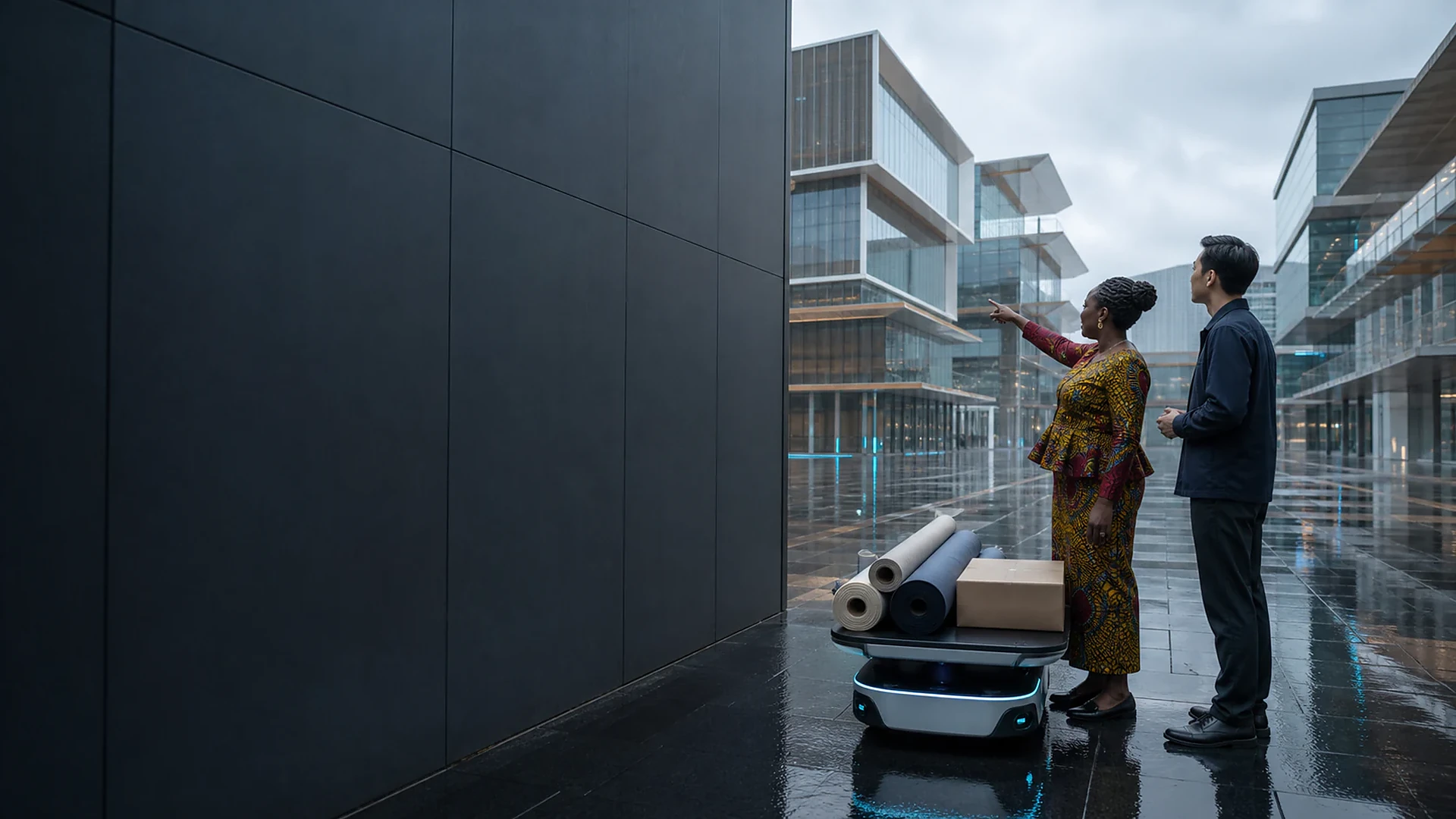
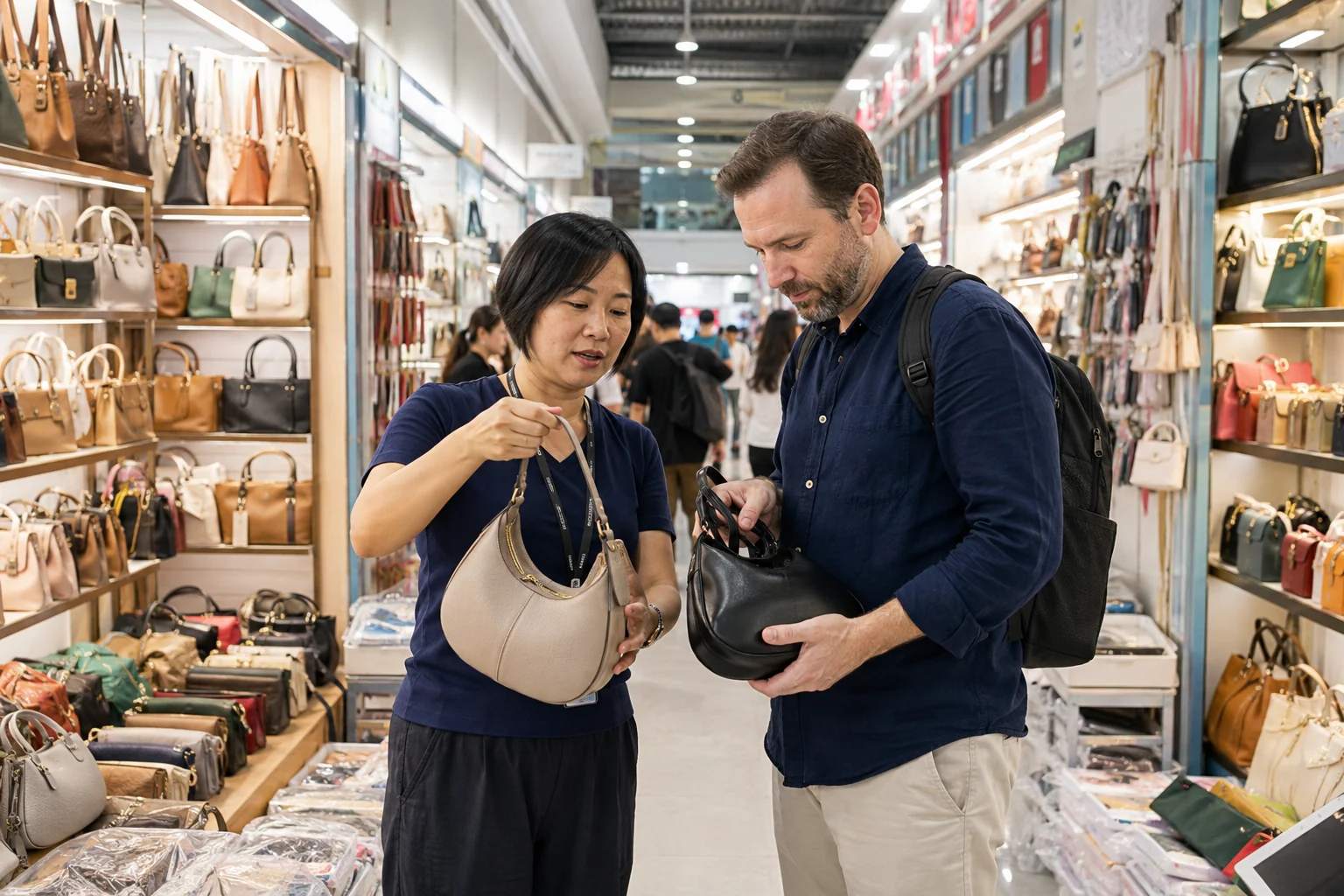
Additional realistic images have been added to support the page content while keeping the current LIFA layout and card styling.

Research notes
A practical view of the sourcing work behind this page.

Supplier examples
Details buyers can review before they compare supplier options.

Checklist view
China-side coordination evidence organized for clearer decisions.

Practical review
Operational details that help reduce avoidable sourcing mistakes.

Next steps
Preparation notes for production, packing, or shipment follow-up.
Guangzhou's market world, in one paragraph
Guangzhou, capital of Guangdong Province and home of the Canton Fair, hosts one of the largest concentrations of wholesale markets on earth — hundreds of specialized markets spanning dozens of commodity types. Unlike Yiwu's single giant complex, Guangzhou's trade is spread across district clusters: whole neighborhoods dedicated to clothing, shoes, leather, fabrics, beauty, or electronics, each with multiple competing market buildings and quality tiers from stock-lot bargains to boutique grade.
That structure changes how you source. In Yiwu you walk one complex with a floor plan; in Guangzhou you choose districts like a strategy game — and the right district for your product saves days. This guide gives you that map.
The district map: where each product lives
| District / area | Specialty | Notes for buyers |
|---|---|---|
| Yuexiu | Clothing, leather goods, watches, electronics | The classic downtown wholesale core; fast-fashion womenswear around Shisanhang. |
| Liwan (Zhanxi Rd) | Shoes, jewelry, toys, tea | Footwear plazas cluster near the railway station; ask for export-grade lines. |
| Haizhu (Zhongda) | Fabrics & textiles | Dozens of specialized fabric markets in one cluster — the sourcing stop before any garment factory order. |
| Baiyun | Leather bags, beauty products, apparel stock lots | Big price spreads between stalls; quality checking matters most here. |
| Sanyuanli / Huadu | Leather handbags | From budget to high-grade workshop products; Huadu is the production base itself. |
| Xidi area | Electronics & components | Electronics malls and component floors; for the full electronics ecosystem, see the Shenzhen Electronics Markets Guide. |
Marquee markets by category
| Category | Known names | Buyer profile |
|---|---|---|
| Fast-fashion womenswear | Shisanhang | Boutiques and online sellers chasing weekly styles. |
| Volume low-price clothing | Shahe market area | Price-first bulk buyers and stock-lot traders. |
| Mid-to-higher apparel | Baima area markets | Brands wanting better fabrics and finishing. |
| Footwear | Zhanxi Rd plazas, Guoda mall | Shoe importers across price tiers. |
| Leather bags | Sanyuanli, Huadu markets | Bag brands and wholesalers, budget to premium. |
| Fabrics | Zhongda / Guangzhou International Textile City | Garment makers and designers sourcing materials. |
| Electronics | Xidi electronics malls | Accessory sellers; spec verification essential. |
| Toys | Liwan area toy markets | Electric, remote-control, and plush lines; check compliance for your market. |
| Beauty & cosmetics supplies | Beauty exchange centers (Baiyun area) | Tools, packaging, and salon supplies; regulated cosmetics need destination compliance. |
Names and buildings evolve — markets renovate, relocate, and rebrand — and hours surprise first-timers: some volume clothing markets trade from before dawn to late morning, not office hours. Treat this map as orientation, and confirm current addresses and hours before a trip or a buying assignment.
Guangzhou vs Yiwu: depth vs breadth
| Factor | Guangzhou | Yiwu |
|---|---|---|
| Structure | District clusters across the city | One giant complex, five districts |
| Strength | Vertical depth: fashion, leather, fabric, shoes, electronics | Horizontal breadth: tens of thousands of small commodities |
| Quality range | Stock-lot to boutique tiers side by side | Mostly commodity grade, consistent low cost |
| Best for | Apparel brands, shoe and bag importers, fabric buyers | Mixed general merchandise, gifts, accessories |
| Nearby ecosystem | Canton Fair, Pearl River Delta factories | Zhejiang workshops, Ningbo port, LIFA's home region |
| Combine them? | Many buyers do: fashion lines from Guangzhou, accessories and packaging from Yiwu — consolidated into one shipment. | |
How buying works in Guangzhou
1. Pick districts before products
Match your product list to the district map above — Guangzhou punishes unplanned wandering with traffic and distance.
2. Work the tiers
The same product exists at three price-quality tiers within a kilometer. Decide your tier before negotiating, or quotes will whiplash.
3. Distinguish stock from production
Stalls sell both shelf stock (fast, as-is) and order-based production (your specs, real MOQs). Confirm which one a quote is for — see Factory vs Trading Company.
4. Sample, specify, order
Fashion goods vary batch to batch; approved samples and written specs are your quality anchor. See how to handle samples.
5. Consolidate and inspect
Multiple markets, one shipment — inspect at consolidation while defects are still returnable. See the Pre-Shipment Inspection Guide.
6. Ship under clear terms
Agree the Incoterm and export handling like any China order — see FOB vs CIF vs DDP.
The Canton Fair synergy
Guangzhou hosts the Canton Fair — China's largest trade fair — each spring and autumn. Buyers often combine the two: exhibitor meetings at the fair for factory relationships and new products, market visits between sessions for immediate stock and trend checks. If a fair trip is on your calendar, the district map above turns idle evenings into productive sourcing. Full preparation guidance is in the China Trade Fairs Guide.
The risks, stated plainly
- Quality whiplash between tiers. A great price often means a quieter downgrade in fabric, hardware, or stitching. Specify materials in writing.
- Replica goods exist. Some malls are notorious for brand-lookalike watches, bags, and shoes. Importing them risks border seizure — if you don't own the brand, don't ship it.
- Stock lots are final. Bargain stock is sold as-is; there is no production run to fix. Inspect before paying, not after.
- Business cards are not companies. Stall identity and the contracting company can differ — match names on invoices and packing lists before deposits.
Sourcing Guangzhou with LIFA
LIFA coordinates Guangzhou sourcing assignments from China the same way as Yiwu work: requirement-based market searches in the right districts, quote and photo collection against your list, sample rounds, supplier identity checks, and quality control at consolidation before export. You choose the tier and the budget; the evidence comes back documented.
Mistakes this guide prevents
- Treating Guangzhou like Yiwu. It's a city of clusters, not one complex — plan districts or lose days.
- Negotiating without a tier decision. Comparing a boutique-grade quote against a stock-lot price tells you nothing.
- Buying replicas "just this once." Customs doesn't grade intent.
- Skipping consolidation inspection. Multi-market shipments multiply failure points — check before cartons seal.

Related guides in this library.
Continue through China's wholesale markets and the sourcing decisions around them.
Yiwu Market Guide
The world's largest small-commodity market — five districts decoded.
Read the guide 📚China Trade Fairs Guide
Canton Fair and beyond — the event-driven side of sourcing.
Read the guide 🧭Apparel & Textiles Sourcing
How LIFA supports clothing and fabric buyers end to end.
Explore the category 📚Knowledge Center Hub
All fourteen categories of the trade library in one map.
Browse the libraryOpen to Transparent Buyer Feedback
LIFA Global Trade welcomes honest customer reviews on Trustpilot. Real feedback helps buyers evaluate our China sourcing support, communication, and coordination services with transparency.
Your honest feedback helps us improve our sourcing support and helps other buyers make informed decisions.
Guangzhou markets, answered simply.
The questions international buyers ask most about sourcing from Guangzhou.
Guangzhou, the capital of Guangdong Province, hosts one of the world's largest concentrations of wholesale markets — commonly counted in the hundreds, across dozens of commodity types. The city's districts specialize: Yuexiu for clothing and leather, Liwan for shoes and jewelry, Haizhu for fabrics, Baiyun for leather goods and beauty, and the Xidi area for electronics.
Guangzhou goes deep where Yiwu goes wide. Guangzhou dominates fashion verticals — clothing, shoes, leather goods, and fabrics — with multiple quality tiers up to boutique level, plus a serious electronics trade. Yiwu excels at low-cost, high-variety small commodities. Many buyers use both for different parts of their range.
It depends on your tier. Shisanhang is known for fast-fashion womenswear at speed, Shahe for the lowest-price volume clothing, and the Baima area for mid-to-higher-grade apparel. Fabric buyers head to the Zhongda textile market cluster in Haizhu District.
Yes. As with Yiwu, remote buying through a China-side partner is standard: the partner visits the relevant markets, collects quotes and photos against your list, arranges samples, negotiates, consolidates goods, and coordinates inspection and export.
Mostly, but not universally. Some malls and stalls are known for replica or brand-lookalike goods, especially in watches, bags, and footwear. Importing those risks seizure at your border. Stick to unbranded or your-own-brand goods, and verify anything that looks like a famous label.
Many buyers time visits around the Canton Fair, held in Guangzhou each spring and autumn, combining fair exhibitor meetings with market visits in the same trip. Markets operate year-round, so off-fair visits work fine too and hotels cost far less.

Want Guangzhou's markets worked for your product list?
Send your product list, target tier, and quantities. LIFA coordinates the district search, collects real quotes and samples, checks supplier identities, and manages consolidation and inspection — documented back to you at every step.