

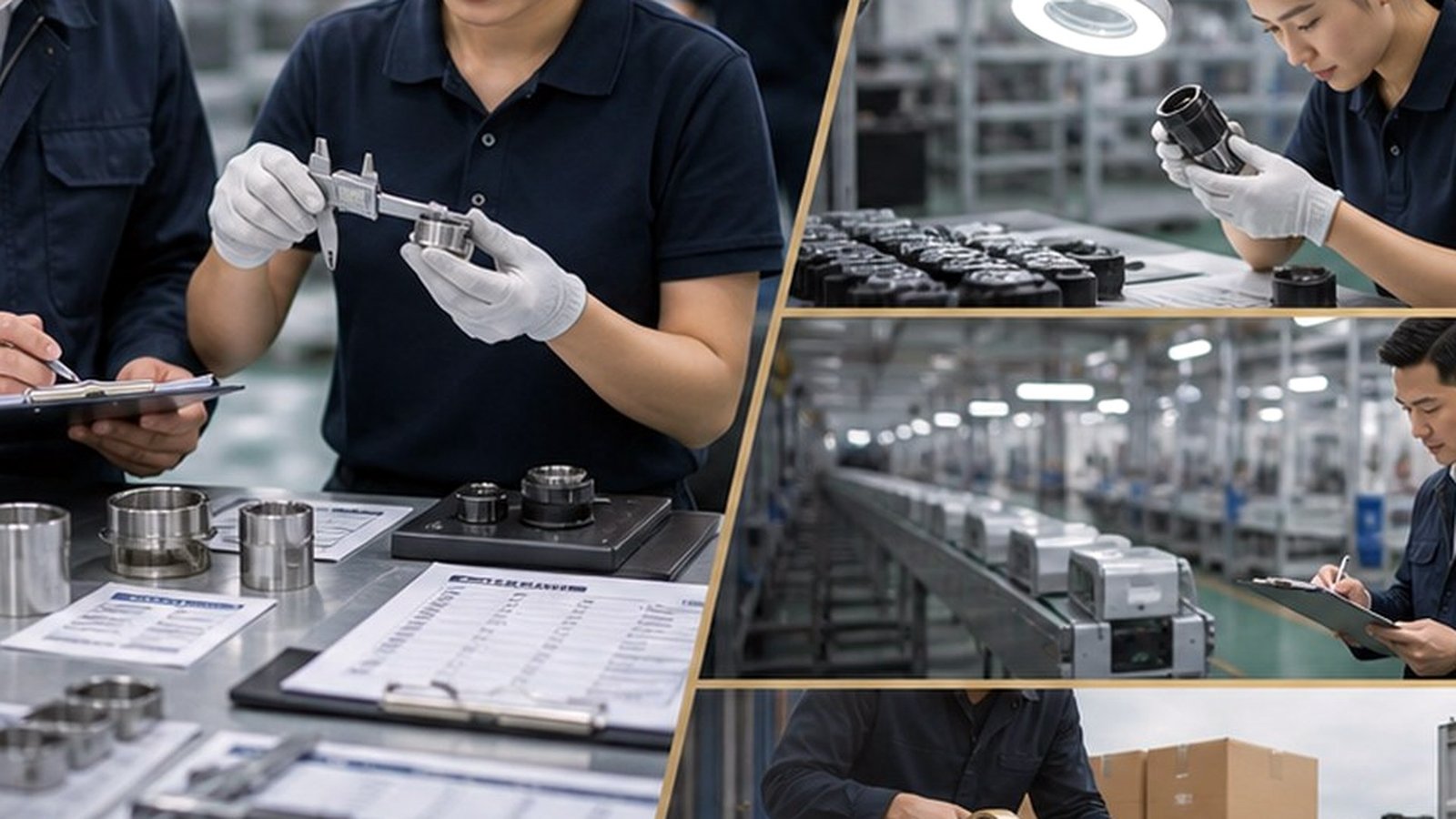
Visual checkpoints for Social & Ethical Compliance
Additional realistic images have been added to support the page content while keeping the current LIFA layout and card styling.

Quality review
A practical view of the sourcing work behind this page.
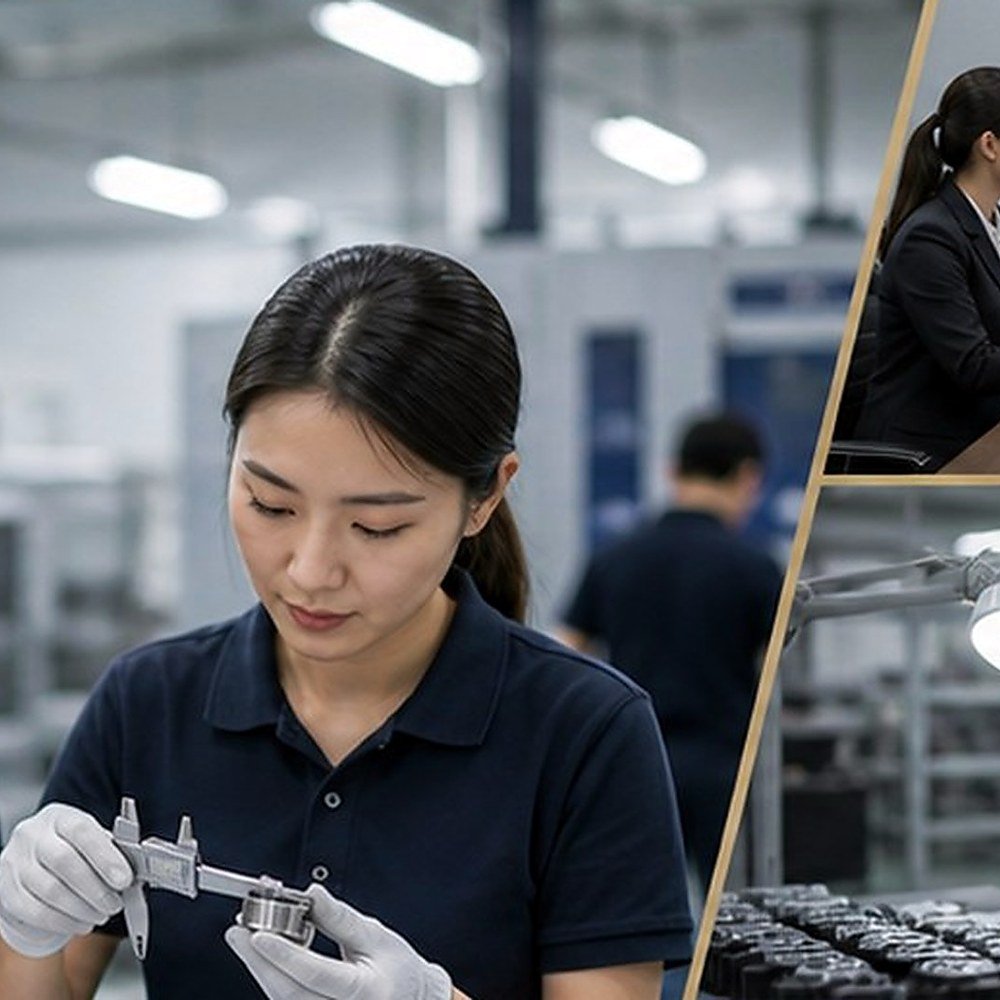
Inspection checks
Details buyers can review before they compare supplier options.
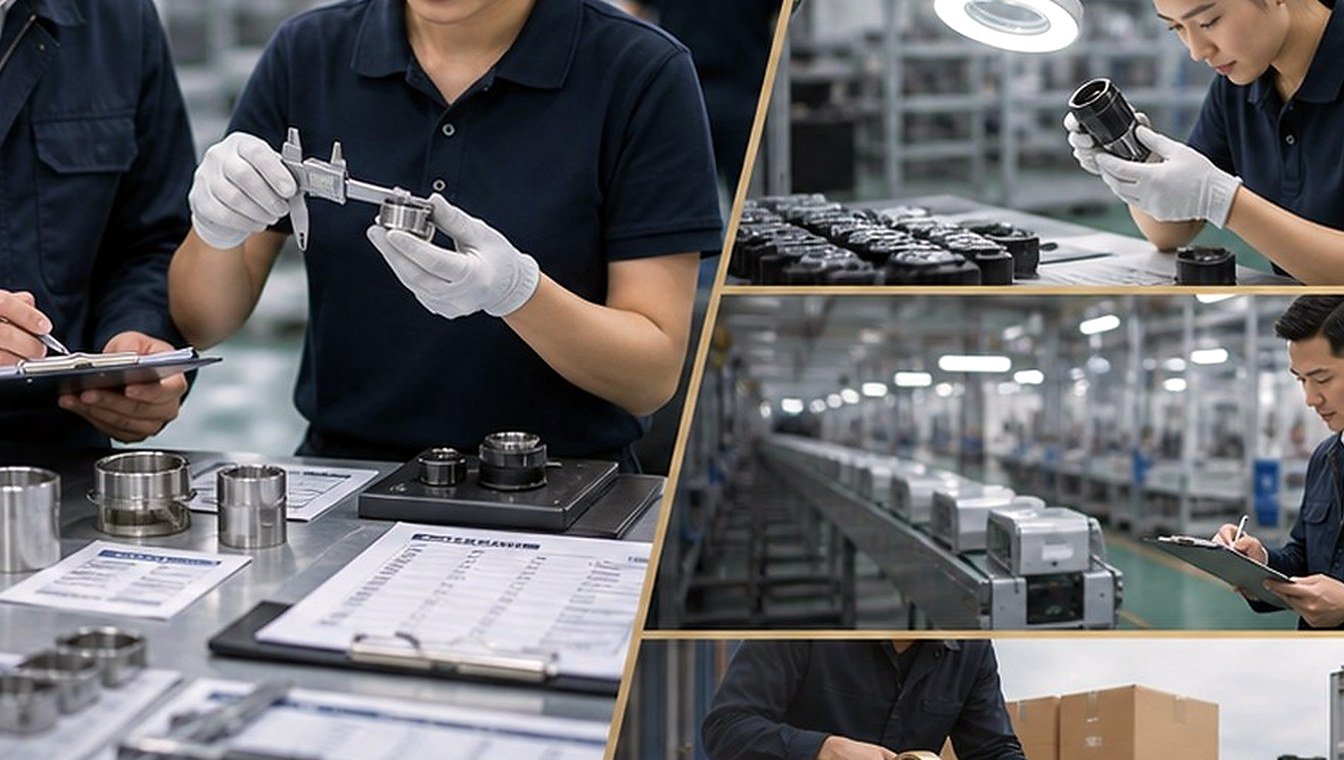
Defect notes
China-side coordination evidence organized for clearer decisions.

Report review
Operational details that help reduce avoidable sourcing mistakes.

Release planning
Preparation notes for production, packing, or shipment follow-up.
Social compliance, in one paragraph
A social and ethical compliance audit assesses a factory's labor practices and working conditions — wages, working hours, health and safety, worker treatment, and the absence of child or forced labor — against a recognized audit standard. It is entirely separate from a product quality inspection: a factory can produce excellent-quality goods while having serious labor compliance issues, or the reverse. Increasingly, it isn't optional — many large retailers and marketplaces require a current audit as a condition of doing business.
Why this has become a standard requirement
Retailers, marketplaces, and brand customers face their own reputational and regulatory exposure if a supplier in their chain is found to have serious labor violations. That pressure has pushed social compliance auditing from a niche requirement for a handful of large brands to something increasingly requested across supply chains generally, including by mid-size and smaller buyers responding to their own retail customers' requirements or general supply chain due diligence expectations.
The main audit frameworks
| Framework | What it is |
|---|---|
| BSCI (Business Social Compliance Initiative) | A widely used European retail-sector framework with a detailed labor-standards checklist and graded audit result. |
| SMETA (Sedex Members Ethical Trade Audit) | An audit methodology used on the Sedex platform, one of the most commonly requested formats among UK and European retailers. |
| WRAP (Worldwide Responsible Accredited Production) | A certification program particularly common in apparel and consumer goods manufacturing. |
Different buyers, retailers, and marketplaces tend to require different frameworks, and requirements are set by the customer, not by the factory. Confirm which specific framework and report format your buyer or platform actually needs before booking an audit — an audit under the wrong framework may not satisfy the requirement.
Announced vs. unannounced audits
Audits can be scheduled in advance (announced), scheduled with only a short window (semi-announced), or arrive with no notice (unannounced). Unannounced or semi-announced audits are generally considered more reliable, because the factory has less opportunity to temporarily adjust conditions specifically for the audit day. Fully announced audits still have value — they're easier to schedule and less disruptive — but carry a higher risk that what's observed doesn't fully represent normal working conditions.
What happens with audit findings
Most frameworks classify findings by severity. A minor finding — a missing posted notice, an incomplete record — typically results in a corrective action request with a re-check timeline. More serious or systemic findings can require a documented corrective action plan and a follow-up audit before the relationship continues. Critical violations, such as child or forced labor, are treated as immediate, serious issues rather than something addressed through routine corrective action. Buyers should expect to see the actual audit report and corrective action documentation, not just a pass/fail summary.
Coordinating social compliance from China
Verifying that a factory's actual working conditions match what's on paper benefits from an on-the-ground check, not just a document review. LIFA coordinates factory visits and verification alongside supplier onboarding through factory verification and supplier verification, helping confirm what a supplier represents about their operations before you're relying on it.
Mistakes this guide prevents
- Assuming any audit satisfies any buyer's requirement. Confirm the specific framework and format needed before booking.
- Accepting a pass/fail summary without the underlying report. Ask to see the actual findings and any corrective action plan.
- Treating all findings the same. A minor administrative gap and a critical labor violation call for very different responses.
- Relying only on announced audits. Unannounced or semi-announced audits give a more reliable picture of normal conditions.
- Confusing social compliance with product quality. They are assessed separately and one doesn't imply the other.

Related verification guides.
Continue through factory audits and supplier verification.
Factory Audit Types Guide
Where social compliance fits among the broader family of factory audits.
Read the guide ✔️Supplier Verification Checklist
The broader due-diligence checklist a social audit fits into.
Read the guide 🔀Audit vs Verification vs Inspection
How these three related but distinct checks differ.
Read the guide 🚩How to Spot Fake Factories
Red flags that also matter when verifying a factory's real operations.
Read the guideOpen to Transparent Buyer Feedback
LIFA Global Trade welcomes honest customer reviews on Trustpilot. Real feedback helps buyers evaluate our China sourcing support, communication, and coordination services with transparency.
Your honest feedback helps us improve our sourcing support and helps other buyers make informed decisions.
Social compliance, answered simply.
The questions importers ask most about ethical audits.
A social and ethical compliance audit assesses a factory's labor practices and working conditions — wages, working hours, health and safety, worker treatment, and the absence of child or forced labor — against a recognized audit standard. It is separate from a product quality inspection, which checks the goods rather than the conditions they were made under.
BSCI (Business Social Compliance Initiative), SMETA (Sedex Members Ethical Trade Audit), and WRAP (Worldwide Responsible Accredited Production) are all widely used social compliance audit frameworks, each with its own detailed checklist and reporting format. Different buyers, retailers, and platforms tend to require different frameworks, so confirm which one is actually needed for your specific customer or market before booking an audit.
Not universally, but requirements have expanded significantly. Many large retailers, marketplaces, and brand customers now require a current social compliance audit as a condition of doing business, and it's increasingly requested even by buyers without a specific retailer mandate, as part of general supply chain due diligence.
Outcomes range from a corrective action plan with a re-audit timeline, for moderate findings, to the buyer declining to place orders there, for serious or repeated violations. Most audit frameworks classify findings by severity, and a single minor finding is treated very differently from a critical violation like child labor.
Unannounced or semi-announced audits are generally considered more reliable, because a factory has less opportunity to temporarily adjust conditions specifically for the audit. Fully announced audits still have value but carry a higher risk of the audit day not representing normal working conditions.
No. Quality inspection checks the physical product against your specification. Social and ethical compliance auditing checks the labor conditions under which the product was made. A factory can produce excellent quality products while having serious labor compliance issues, or vice versa — the two are assessed separately.

Need a supplier's social compliance status verified?
Send your supplier details and the framework your buyer requires. LIFA coordinates factory verification and helps confirm audit documentation before you commit to an order.