Visual checkpoints for Third-Party QC Labs
Additional realistic images have been added to support the page content while keeping the current LIFA layout and card styling.

Quality review
A practical view of the sourcing work behind this page.

Inspection checks
Details buyers can review before they compare supplier options.

Defect notes
China-side coordination evidence organized for clearer decisions.

Report review
Operational details that help reduce avoidable sourcing mistakes.

Release planning
Preparation notes for production, packing, or shipment follow-up.
Third-party labs, in one paragraph
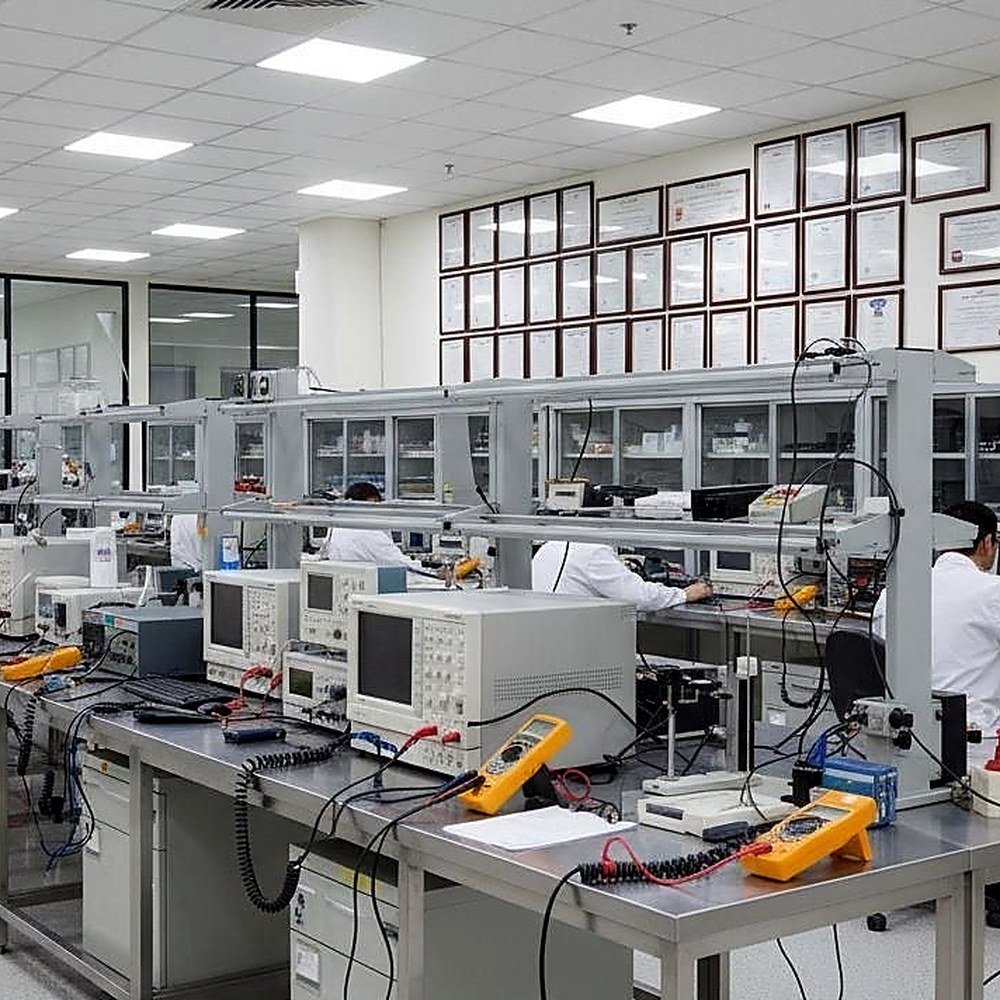
A third-party QC lab is an independent, accredited testing facility that verifies things a factory visual inspection can't — chemical composition, electrical safety, material durability, and compliance with a specific regulatory standard. It's "third-party" because it's independent of both the supplier and the buyer, which is what gives its results credibility with retailers, customs authorities, and regulators. Lab testing complements factory inspection; it doesn't replace it.
Major QC labs operating in China
| Lab | Typical specialty | Common accreditations |
|---|---|---|
| SGS | All categories — one of the largest global testing and certification groups | ISO/IEC 17025, CNAS, and category-specific certifications |
| Bureau Veritas | Electronics, textiles, and a broad general testing scope | ISO/IEC 17025 |
| Intertek (ITS) | Toys, electronics, and consumer product safety testing | CPSC-recognized, CE-related testing |
These are among the most widely recognized names, but plenty of accredited local and category-specialized labs also operate in China. The right choice depends on your product category and which specific certification or standard you need — not on lab name recognition alone.
When to use lab testing — and when not to
| Use lab testing for | Lab testing usually not needed for |
|---|---|
| Safety-relevant products (toys, electronics) | Visual-inspection-level products |
| Compliance requirements (FDA, CE, CPSC, or similar) | Commodity products with no specific compliance requirement |
| Material testing (textiles, metals, chemical content) | Simple assembly items with no material risk |
| Durability or stress testing | Budget-conscious orders without a safety or compliance driver |
Checking a lab is actually legitimate
Accreditation is the key credibility check — but accreditation is scope-specific, not a blanket credential. A lab accredited for one type of test (say, textile flammability) isn't automatically accredited for another (say, electrical safety). Confirm that the lab's accreditation, commonly ISO/IEC 17025 for general testing competence, actually covers the specific test method you need, and where possible verify accreditation status directly with the accrediting body rather than relying only on the lab's own claim on its website or quotation.
How sample testing actually works
Lab testing is almost always performed on a sample, not the entire production batch — the goal is for that sample to be genuinely representative of what will actually be produced. Testing a sample pulled from the actual production run, rather than a specially prepared unit, gives a more reliable result. Which stage to sample from (pre-production vs. from the production run itself) should match what you're actually trying to verify.
Coordinating lab testing from China
Choosing the right lab, confirming its accreditation covers your specific test, and getting a representative sample to that lab on schedule all benefit from local coordination. LIFA coordinates with certified QC labs, manages testing schedules alongside production, and helps interpret test results for your products, through quality control coordination and product certification support.
Mistakes this guide prevents
- Assuming any accreditation covers any test. Confirm the lab's accreditation scope matches your specific test method.
- Testing a specially prepared sample instead of a representative one. Pull the sample from the actual production run where possible.
- Assuming a report for one market covers another. Different destination markets often require different standards.
- Paying for lab testing a product doesn't actually need. Match testing to real safety or compliance risk, not habit.
- Skipping lab testing on a genuinely safety-relevant product to save cost. The downside of a failure discovered after shipment is far larger.

Related quality control guides.
Continue through certification, category compliance, and inspection types.
Product Certification Basics
How certification systems generally work.
Read the guide 🗂️Compliance Testing by Category
Which tests typically apply to your specific product category.
Read the guide 🔍Quality Inspection Types
How lab testing fits alongside factory inspection.
Read the guide 🇪🇺CE Marking Guide
A close look at one of the most common EU compliance marks.
Read the guideModel the Cost of Adding Lab Testing
See how inspection and quality assurance costs affect your total landed cost per unit.
Open to Transparent Buyer Feedback
LIFA Global Trade welcomes honest customer reviews on Trustpilot. Real feedback helps buyers evaluate our China sourcing support, communication, and coordination services with transparency.
Your honest feedback helps us improve our sourcing support and helps other buyers make informed decisions.
Third-party QC labs, answered simply.
The questions importers ask most about independent lab testing.
A factory inspection is a visual and functional check performed at or near the factory, usually by an inspector rather than a laboratory. A third-party QC lab is an independent, accredited facility that tests samples for things a visual inspection can't verify — chemical composition, electrical safety, material durability, and specific regulatory compliance.
SGS, Bureau Veritas, and Intertek (ITS) are among the most widely used international testing and certification groups with operations in China, alongside various accredited local and specialized labs. Which lab fits depends on the product category and the specific certification or test standard required.
Check that the lab holds accreditation relevant to the specific test you need, such as ISO/IEC 17025 for general testing competence, and that its accreditation scope actually covers the test method in question — accreditation for one type of test doesn't mean a lab is accredited for all tests. Confirm accreditation status directly with the accrediting body where possible, rather than relying only on the lab's own claim.
Lab testing is worth it for safety-relevant products (electronics, toys), anything with a specific compliance requirement (FDA, CE, CPSC, or similar), material verification (textiles, metals), and durability or stress testing. It's generally not necessary for simple visual-inspection-level products, commodity items, or budget-conscious orders without a specific compliance requirement.
Lab testing is almost always done on a sample, not the full batch — the goal is to verify the sample is representative of what will actually be produced, ideally taken at the same stage (pre-production or from the actual production run) that matches your risk concern.
No. A lab report confirms the tested sample met the specific standard it was tested against, for the market that standard applies to. Different destination markets can require different standards, so a report covering one market's requirements doesn't automatically cover another's.

Need lab testing coordinated for your product?
Send your product details and target market. LIFA coordinates with certified QC labs, manages testing schedules, and helps interpret the results.