Quality inspector checking products at a China factory before shipment Quality inspector checking products at a China factory before shipment alternate workspace scene Quality inspector checking products at a China factory before shipment detailed sourcing coordination scene
Quality Control · Inspection

Quality Inspection Types

Four inspection points exist across a production run for a reason — each catches something the others miss. Here's what each one checks, when to use it, and how to combine them for your product's actual risk level.

Quality checked at every stage

AQL standards, inspection types, and defect analysis explained in practical terms.

🔎

Inspected before shipment

Pre-shipment checks against your specifications, before the order leaves the factory.

🛡️

Verified before deposit

Supplier and factory checks coordinated before your money moves — not after.

🤝

Buyer-approved, LIFA-managed

LIFA runs the daily sourcing work; you approve supplier choice, quotation, and payment.

Page visuals

Visual checkpoints for Quality Inspection Types

Additional realistic images have been added to support the page content while keeping the current LIFA layout and card styling.

Quality Inspection Types - Quality review

Quality review

A practical view of the sourcing work behind this page.

Quality Inspection Types - Inspection checks

Inspection checks

Details buyers can review before they compare supplier options.

Quality Inspection Types - Defect notes

Defect notes

China-side coordination evidence organized for clearer decisions.

Quality Inspection Types - Report review

Report review

Operational details that help reduce avoidable sourcing mistakes.

Quality Inspection Types - Release planning

Release planning

Preparation notes for production, packing, or shipment follow-up.

Four inspection points, four different jobs

Quality inspection isn't a single event — it's four distinct checkpoints, each positioned at a different stage of production, each catching a different category of problem. Using only one (typically final inspection) means the other three failure modes go unchecked. Which combination of the four you actually need depends on your product's risk level, not a fixed formula.

The four inspection types

What each inspection type checks and when it happens
TypeWhenWhat it catchesRelative cost
First-article inspection (FAI)Before mass production, on a small pre-production sampleWhether the supplier can actually produce to your specification before bulk materials are committedLowest — small sample, single check
In-process inspection (IPQC)Mid-production, typically a factory visit while the batch is partway completeSystemic defects early, before they affect the entire runModerate — requires an on-site visit
Final inspection (pre-shipment)After production ends, before the goods shipThe finished, packed product as it will actually arrive — the most commonly used checkModerate — the standard inspection most orders include
Third-party lab testingWhenever compliance or material verification is required, often alongside FAI or final inspectionWhat visual inspection can't see — chemical composition, electrical safety, durability, regulatory complianceHighest — specialized equipment and accredited labs

Costs vary widely by product complexity, order size, and inspector location — the relative ordering above (FAI lowest, lab testing highest) holds generally, but get an actual quote for your specific product rather than assuming a fixed price. See third-party QC labs for how lab selection and cost work in more detail.

Matching inspection strategy to product risk

  • Standard consumer products (electronics accessories, home goods): first-article inspection to verify specs, then final inspection with AQL sampling as the main quality gate. Add third-party lab testing if there's a specific safety or material concern.
  • High-risk categories (safety-critical products, regulated categories, high-value orders): first-article inspection, in-process inspection to catch issues early, final inspection before shipment, and third-party lab testing for compliance verification — all four, because the cost of a failure downstream is much higher than the cost of checking.
  • Repeat orders with a proven supplier and stable process: some buyers scale back to final inspection only once a supplier has a track record — but this is a risk trade-off worth making deliberately, not a default.

Why one inspection point isn't enough

Final inspection alone only sees the finished result. If a defect was introduced early — a bad material batch, a machine drifting out of calibration — by the time final inspection happens, it may already affect most or all of the production run, with nothing left to do but reject the whole batch. In-process inspection exists specifically to catch that kind of problem while only part of the batch has been made, when correcting course still saves the rest of the order. First-article inspection exists to catch a specification mismatch before bulk materials are even purchased — the cheapest point in the whole process to find a problem.

Coordinating inspection timing from China

Scheduling the right inspection at the right production milestone requires someone tracking the factory's actual production schedule, not just booking a generic "inspection" a few days before the ship date. LIFA arranges first-article inspections, in-process visits, final inspections, and third-party lab testing timed to your production schedule, through inspection coordination.

Mistakes this guide prevents

  • Relying on final inspection alone for a high-risk product. By the time it happens, an early-stage defect may already affect the whole batch.
  • Skipping first-article inspection to save time. It's the cheapest point in the process to catch a specification mismatch.
  • Assuming lab testing and factory inspection are interchangeable. They check fundamentally different things.
  • Using the same inspection strategy for every product regardless of risk. Match the combination of checks to what's actually at stake.
  • Booking inspection dates without confirming production is actually on schedule. An inspection scheduled too early finds an incomplete batch; too late risks a rushed final check.
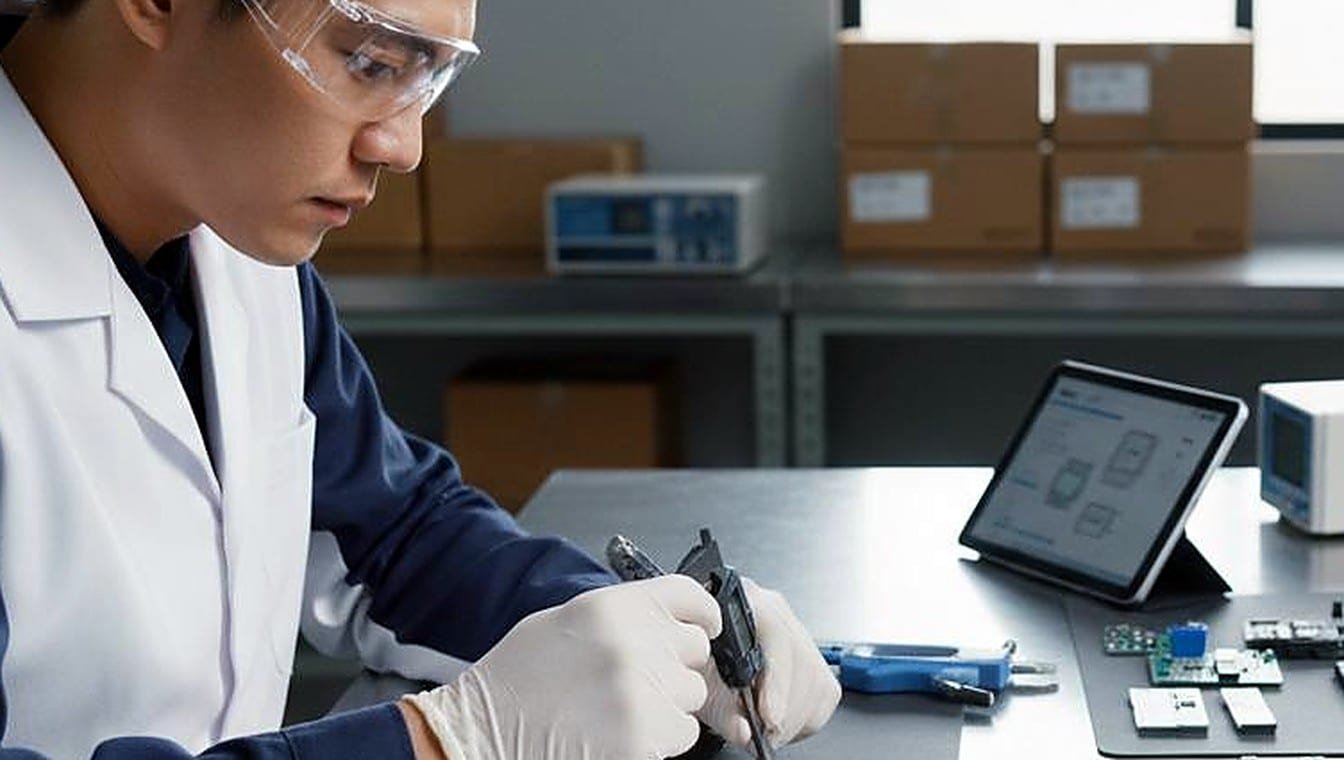
Inspector checking a production sample at a China factory
Quality ControlEach inspection point is timed to a different production milestone.
TP

Open to Transparent Buyer Feedback

Trustpilot profile link
No invented ratings or review counts

LIFA Global Trade welcomes honest customer reviews on Trustpilot. Real feedback helps buyers evaluate our China sourcing support, communication, and coordination services with transparency.

Your honest feedback helps us improve our sourcing support and helps other buyers make informed decisions.

Buyer questions

Inspection types, answered simply.

The questions importers ask most about choosing an inspection strategy.

First-article inspection (FAI), checking a pre-production sample before mass production; in-process inspection (IPQC), checking the product mid-production; final inspection (pre-shipment), checking the finished, packed goods before they ship; and third-party lab testing, independent testing for compliance, materials, or durability beyond what a visual inspection can verify.

No. The right combination depends on the product's risk level. Straightforward consumer goods often need only a first-article check and a final inspection with AQL sampling. Higher-risk categories — safety-critical, regulated, or high-value products — benefit from adding in-process inspection and third-party lab testing.

Final inspection, also called pre-shipment inspection, is the most widely used because it's the last checkpoint before goods leave the factory and checks the actual finished, packed product rather than a sample or a mid-production snapshot.

Before mass production begins, using a small number of sample units built by the actual production line and process the full order will use. Its purpose is to confirm the supplier can produce to your specification before committing to bulk materials and tooling.

In-process inspection catches problems while only part of the batch has been produced, so a systemic issue can be corrected before it affects the entire run. Final inspection only sees the finished result — by then, a defect that started early in production may already affect most or all of the batch.

No. A factory inspection is a visual and functional check performed at or near the factory. Third-party lab testing sends samples to an accredited, independent laboratory for testing that visual inspection can't perform — chemical composition, electrical safety, durability, or specific regulatory compliance testing.

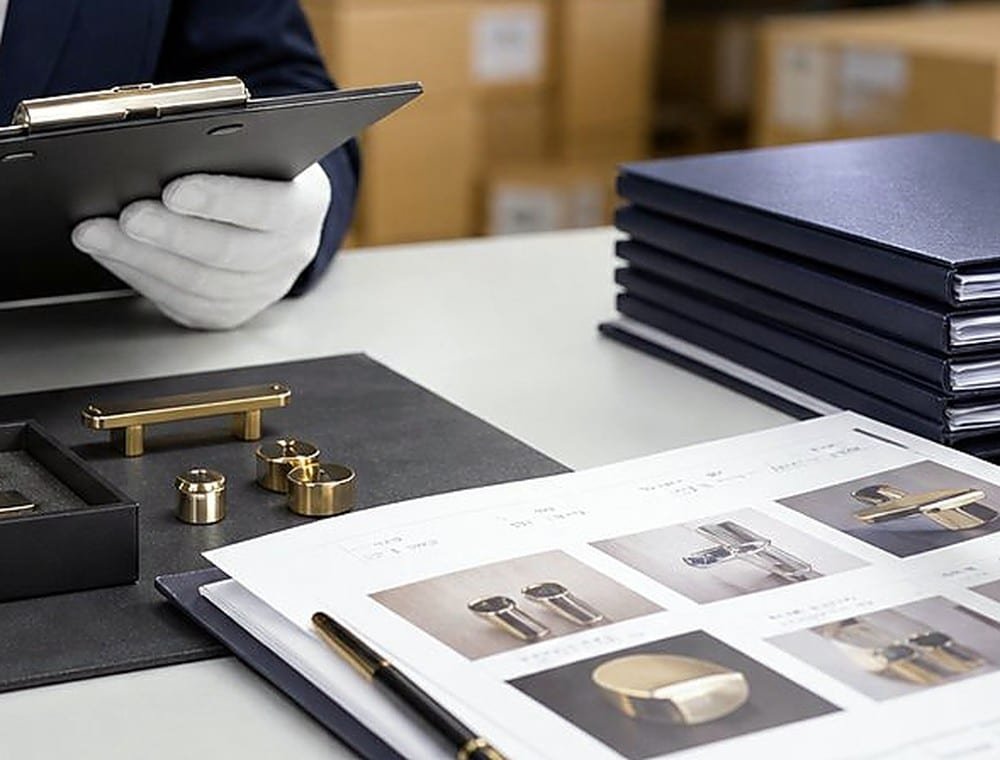
Final inspection of packed goods before shipment from a China factory
Quality ControlFinal inspection checks the goods as they will actually arrive.
Right check, right stage

Not sure which inspections your order needs?

Send your product details and production timeline. LIFA arranges first-article, in-process, final, and lab inspections matched to your product's actual risk level.