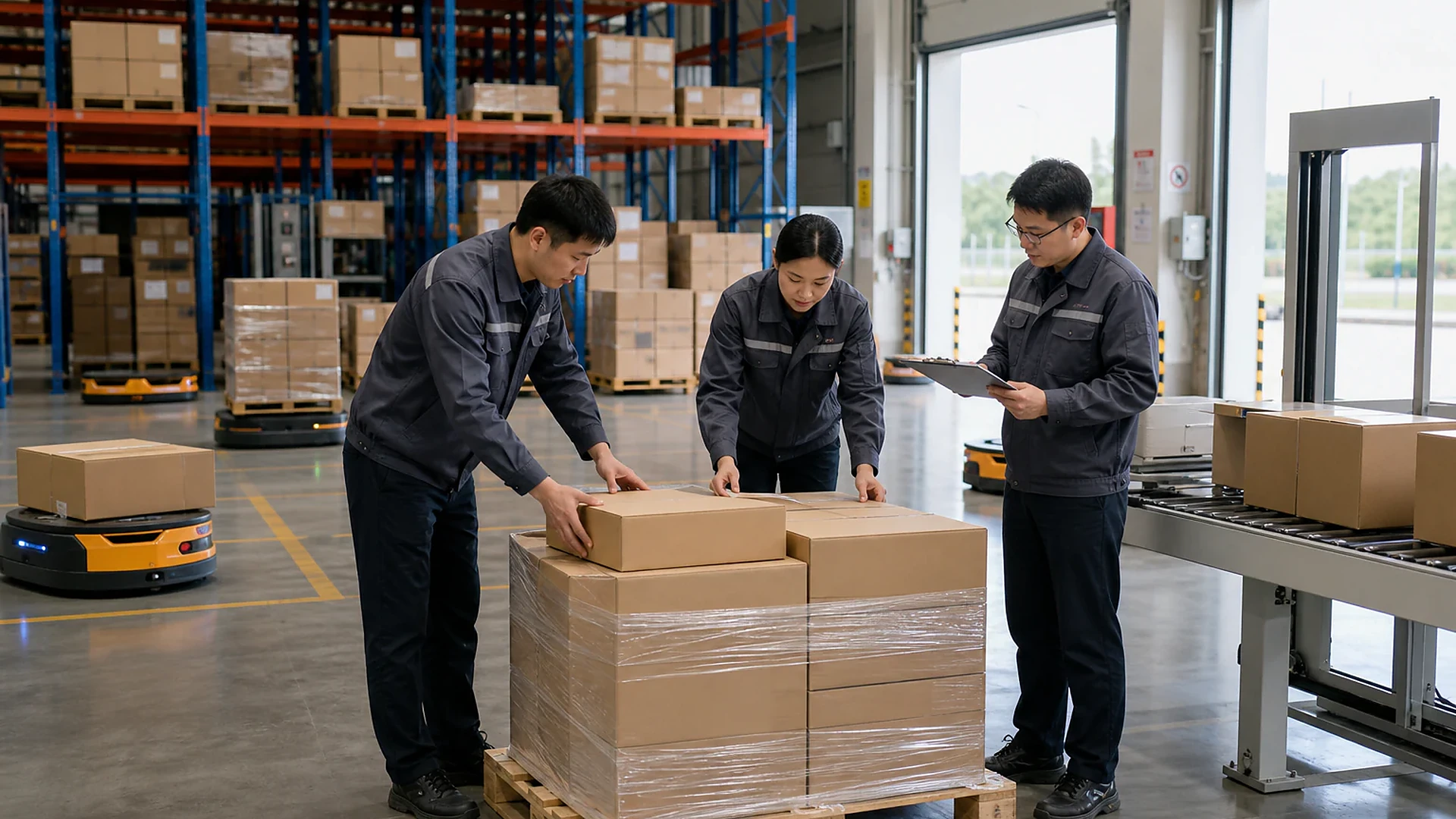
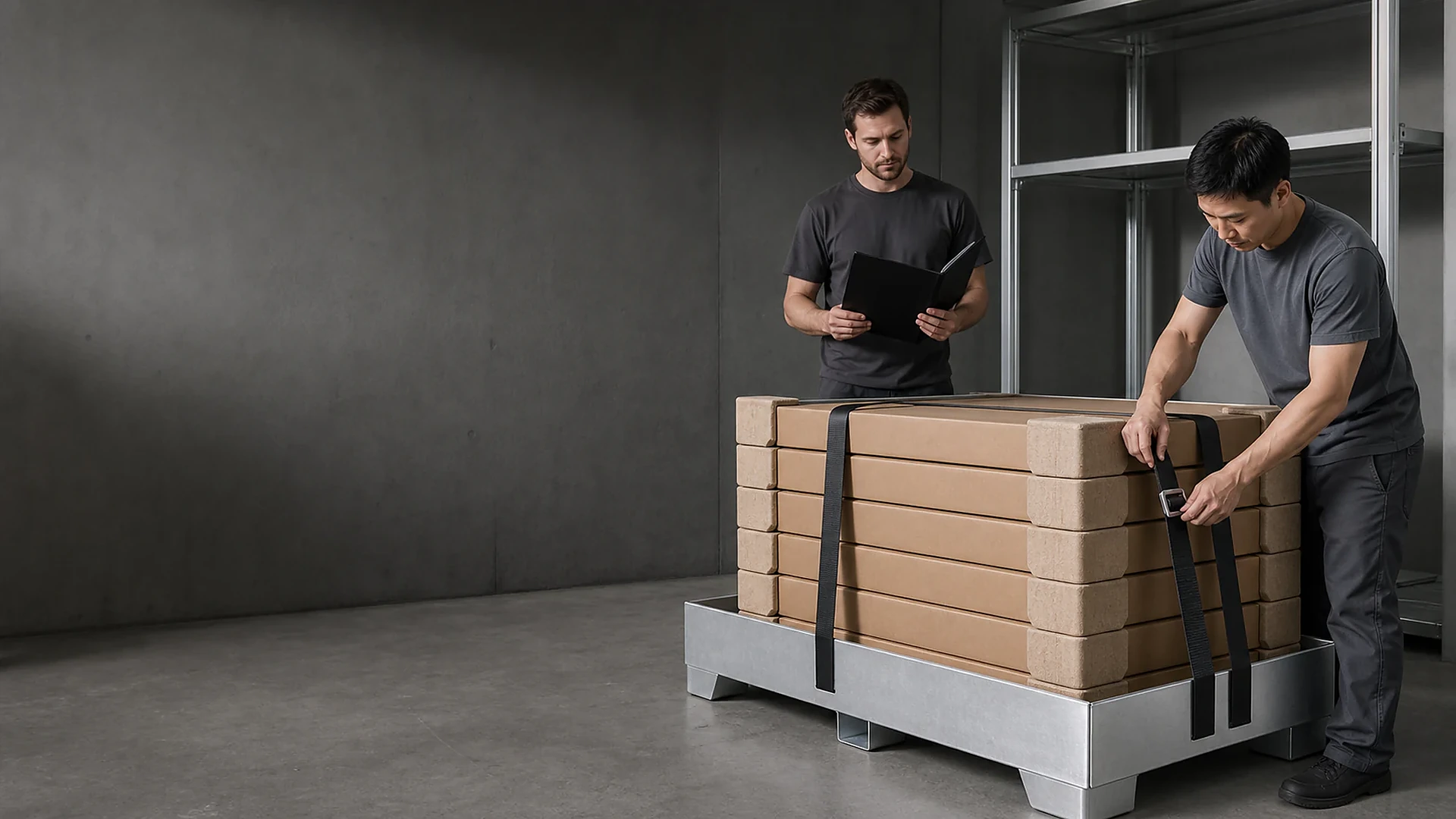
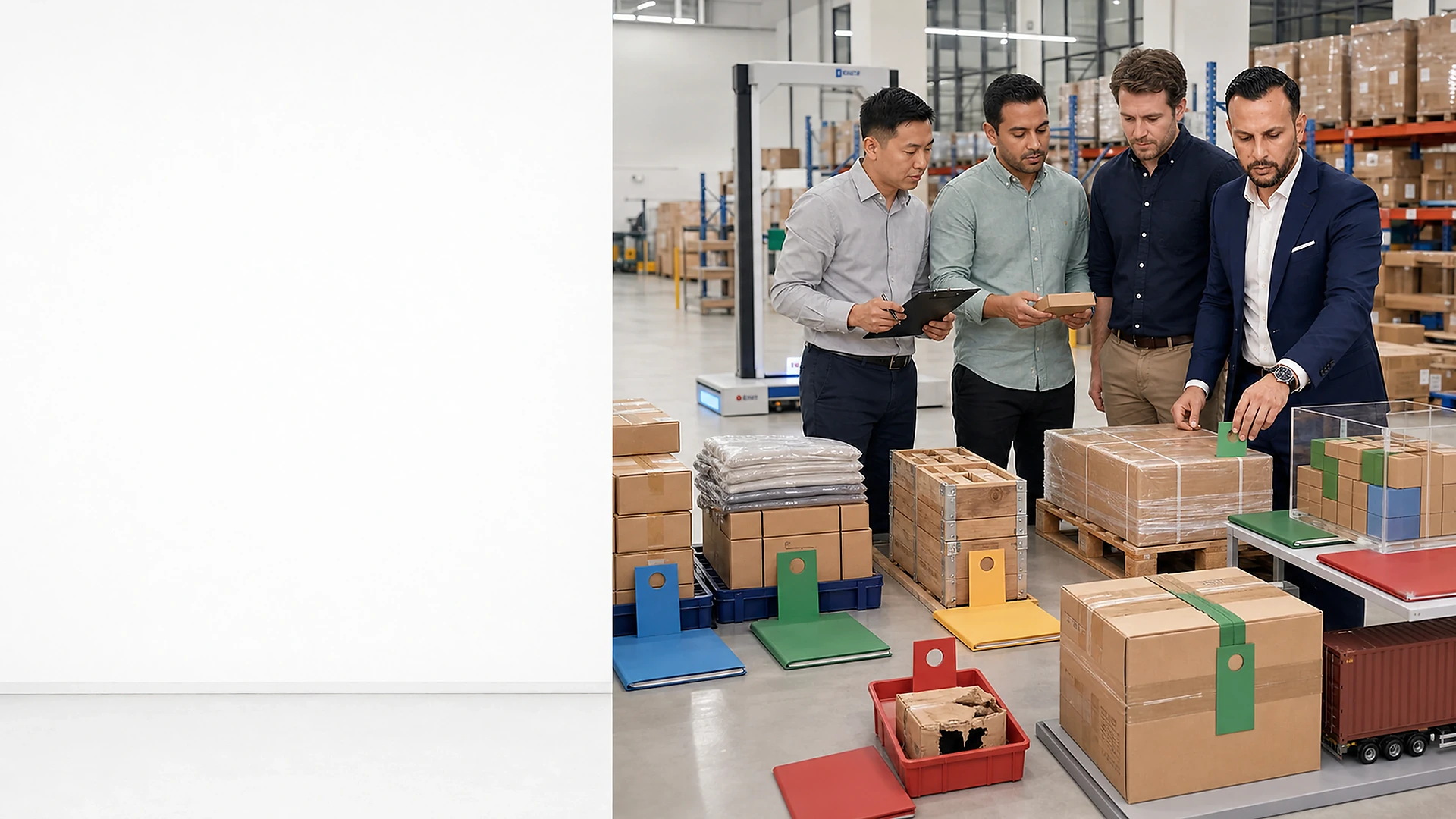
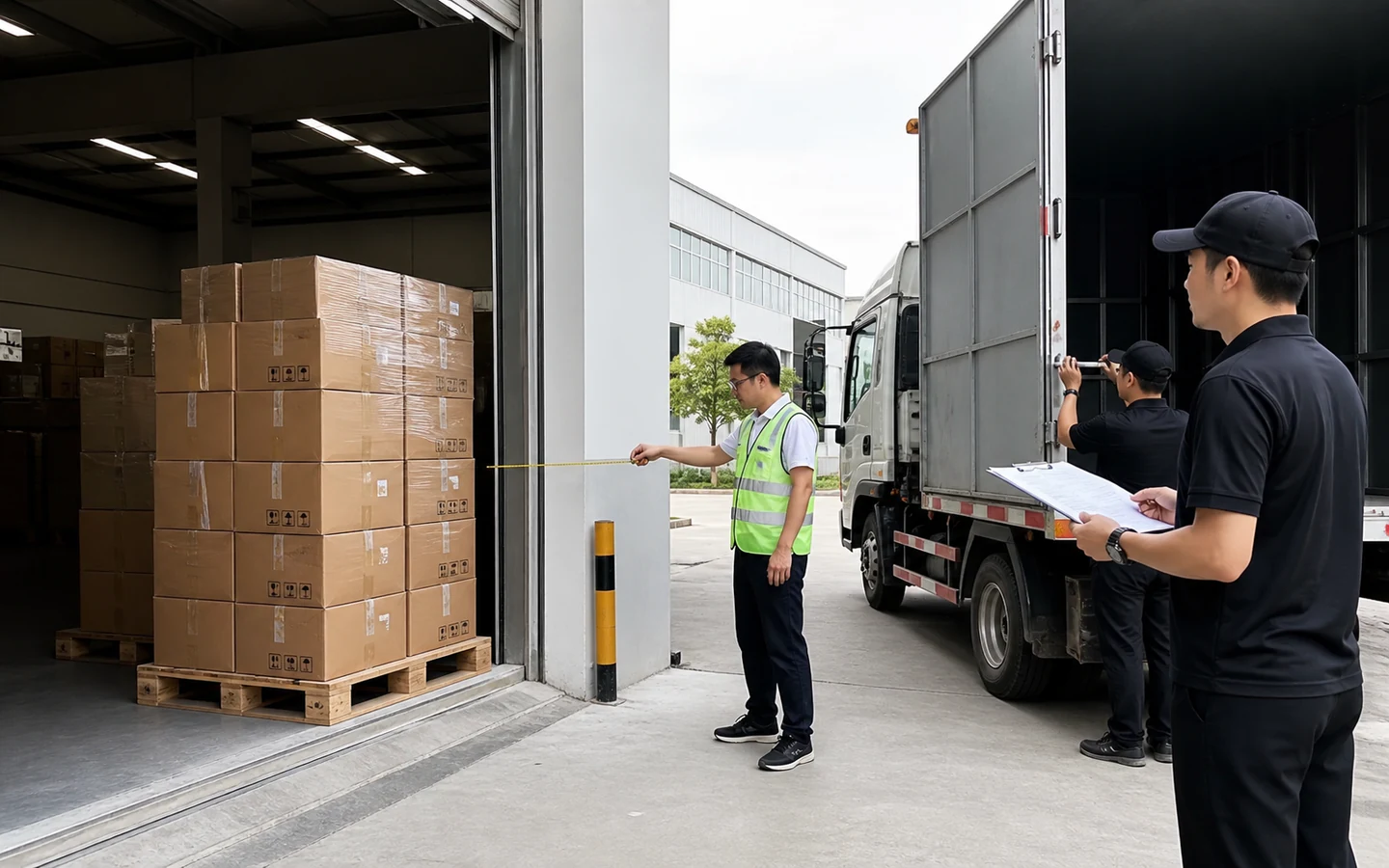
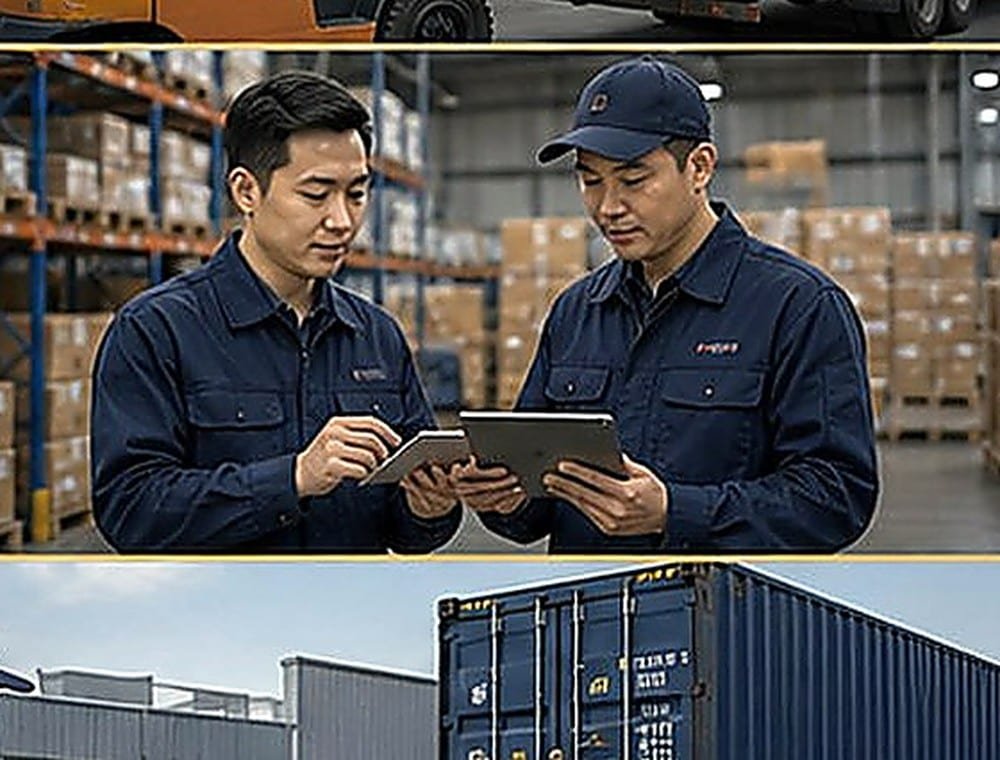
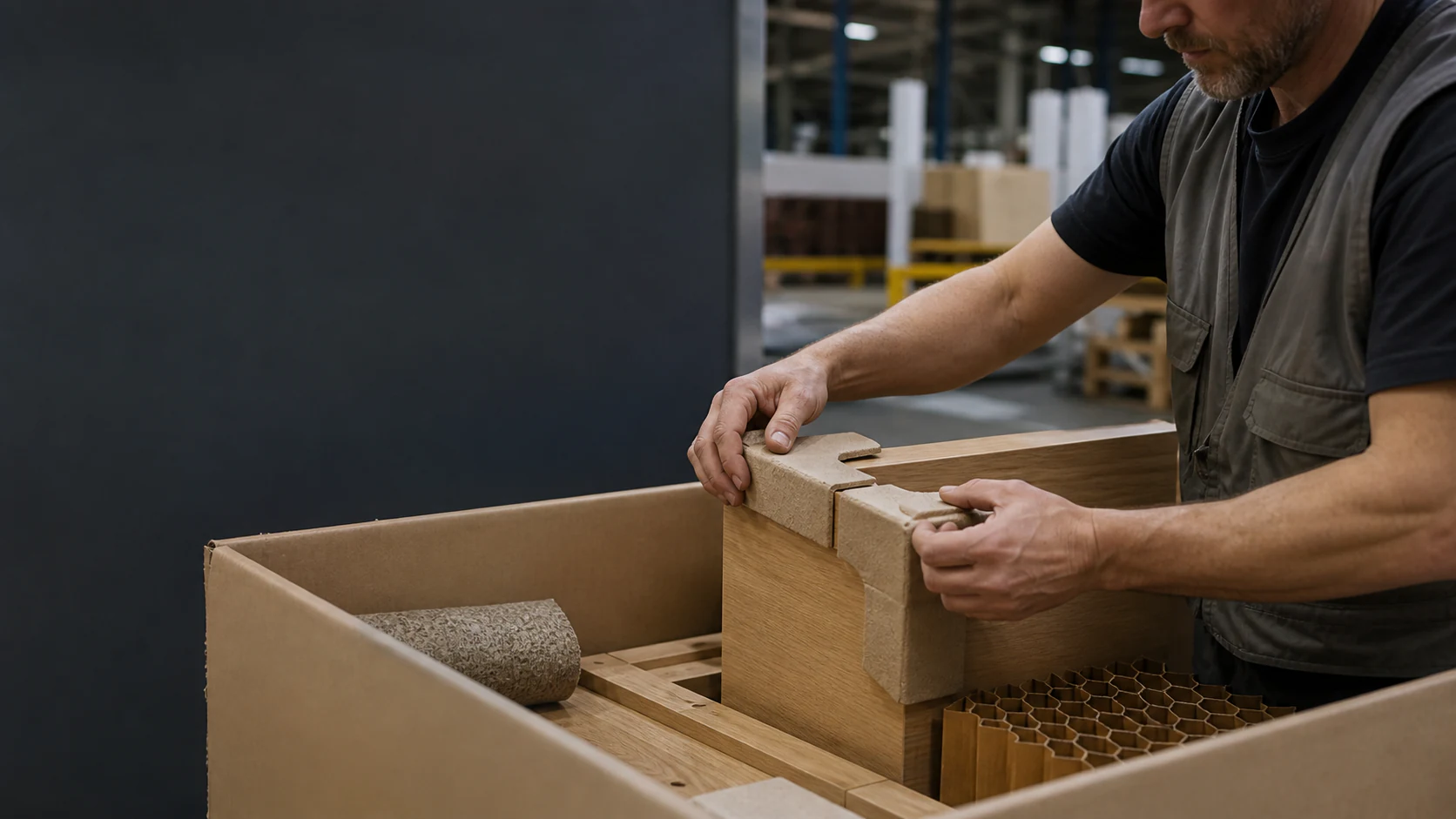
EXW Ex Works Incoterm review with shipping terms documents, freight planning notes, and export cartons EXW Ex Works Incoterm review with shipping terms documents, freight planning notes, and export cartons alternate workspace scene EXW Ex Works Incoterm review with shipping terms documents, freight planning notes, and export cartons detailed sourcing coordination scene
Incoterms Library · EXW

EXW — Ex Works, Explained

The Incoterm with the smallest seller obligation and the biggest buyer surprise. This guide shows exactly what EXW commits you to, where the risk really transfers, and why the lowest quoted price is rarely the cheapest shipment.

🚢

Any Incoterm, explained

FOB, CIF, DDP, and EXW broken down in plain terms, not legal jargon.

🧾

Tariffs estimated by HS code

Duty rates matched to your product's classification before you commit to an order.

🛡️

Verified before deposit

Supplier and factory checks coordinated before your money moves — not after.

📦

Shipped under your Incoterm

Any Incoterm, coordinated from factory to your destination port.

Page visuals

Visual checkpoints for EXW — Ex Works, Explained

Additional realistic images have been added to support the page content while keeping the current LIFA layout and card styling.

EXW — Ex Works, Explained - Research notes

Research notes

A practical view of the sourcing work behind this page.

EXW — Ex Works, Explained - Supplier examples

Supplier examples

Details buyers can review before they compare supplier options.

EXW — Ex Works, Explained - Checklist view

Checklist view

China-side coordination evidence organized for clearer decisions.

EXW — Ex Works, Explained - Practical review

Practical review

Operational details that help reduce avoidable sourcing mistakes.

EXW — Ex Works, Explained - Next steps

Next steps

Preparation notes for production, packing, or shipment follow-up.

EXW in one paragraph

EXW (Ex Works) means the seller fulfills the contract by making the goods available, export-packaged, at their own premises — factory, warehouse, or mill. Everything after that door is the buyer's cost and risk: loading, inland transport, export clearance, international freight, insurance, import duties, and final delivery. Of all eleven Incoterms® 2020 rules, EXW places the least obligation on the seller — which is exactly why sellers love quoting it.

An EXW quote is the "naked" price of a product. That makes it useful for comparing what suppliers charge for manufacturing alone — and dangerous for judging what your shipment will actually cost. Everything that turns goods at a factory door into goods in your warehouse is on you.

The responsibility split, task by task

EXW: who does what and who pays
TaskSellerBuyer
Export packaging✔ Prepares and packages goods
Making goods available✔ At their premises, at the agreed time
Loading onto collection truck✔ Cost and risk (even if seller's forklift helps)
Inland transport to port
Export customs clearance✔ (the China catch — see below)
International freight
Cargo insurance✔ (optional but strongly advised)
Import clearance, duties & taxes
Delivery to final destination

Where the risk actually transfers

Goods identified and set aside

The seller notifies you that your order is ready and at your disposal at their premises. This is the delivery moment under EXW — earlier than most buyers assume.

Risk is now yours — before loading

If the pallet is dropped during loading, or the goods sit a week in the seller's yard waiting for your truck, that risk is typically the buyer's under EXW. Insurance from the factory door is not optional in practice.

Everything downstream is your project

Trucking, export filing, freight booking, import clearance — each handled by parties you appoint and pay. Strong freight partners are a precondition for EXW, not a nice-to-have. See how to compare freight quotes.

The China catch: export clearance

Here is what generic Incoterms explainers skip: exporting from China requires a party with Chinese export rights to file the declaration. Under pure EXW that burden is the buyer's — but a foreign buyer usually cannot self-file a Chinese export declaration. In practice the export ends up handled by the supplier or a freight forwarder under side arrangements the buyer neither sees nor controls, which blurs exactly the responsibility line Incoterms exist to draw. It can also complicate the supplier's VAT rebate, which quietly finds its way back into your price.

Practical rule for China orders: if you are tempted by EXW, price the same order FOB. The FOB quote includes inland haulage, export clearance, and loading — done by the party legally equipped to do them. For most importers, the small price difference buys a much cleaner risk line. See FOB vs CIF vs DDP, and for container handovers before the port, FCA — Free Carrier.

EXW vs FOB: the decision that actually comes up

EXW vs FOB for a China shipment
FactorEXWFOB
Handover pointSeller's premises, not loadedLoaded on board at the named port
Export clearanceBuyer's burden (awkward in China)Seller's job — clean and standard
Inland transport in ChinaBuyer arranges remotelySeller handles locally
Quoted unit priceLowest — excludes all logisticsSlightly higher — includes China-side steps
Buyer control of freightTotal — you book everythingFull control from port of loading
Best suited toBuyers with their own China-side logistics networkMost importers, most of the time

When EXW makes sense — and when it doesn't

  • Use EXW when you have an established forwarder with China operations, you're consolidating cargo from several suppliers yourself, you're shipping small parcels by international courier (the courier network handles export as part of the service), or you're comparing bare manufacturing prices across quotes.
  • Avoid EXW when it's your first import, when you have no China-side logistics partner, or when a supplier pushes EXW to keep their price looking low while your landed cost climbs.
  • Either way: run the numbers through the Landed Cost Calculator — EXW's advantage or penalty only shows at the landed-cost line, never at the unit price.

EXW orders with a China-side partner

The gap between an EXW quote and a smooth shipment is exactly the ground LIFA covers from China: coordinating pickup, confirming export documentation with the supplier, checking cartons before handover, and preparing the freight interface for your forwarder through shipping coordination. Buyers keep the freight control EXW promises — without discovering the China-side gaps mid-shipment.

Mistakes this guide prevents

  • Choosing EXW because the price was lowest. It excludes every logistics cost — compare landed, not quoted.
  • Assuming the seller loads at their risk. Under EXW, loading is your risk even at their dock.
  • Ignoring the export-clearance question until the truck arrives. Settle who files the Chinese export declaration before you pay a deposit.
  • Skipping insurance from the factory door. Your risk starts earlier under EXW than under any other term.
Shipping documents and freight preparation for export from China — exw ex works
LogisticsFreight, documents, and handover timing are settled before goods move.
TP

Open to Transparent Buyer Feedback

Trustpilot profile link
No invented ratings or review counts

LIFA Global Trade welcomes honest customer reviews on Trustpilot. Real feedback helps buyers evaluate our China sourcing support, communication, and coordination services with transparency.

Your honest feedback helps us improve our sourcing support and helps other buyers make informed decisions.

Buyer questions

EXW, answered simply.

The questions importers ask most about Ex Works terms.

Under EXW, the seller's only job is to make the goods available, export-packaged, at their own premises — factory, warehouse, or mill. The buyer handles and pays for everything else: loading, export clearance, all freight, insurance, import duties, and final delivery. It places the least obligation on the seller of any Incoterm.

The buyer pays for the entire journey: pickup at the seller's premises, inland transport, export clearance, international freight, insurance, import duties and taxes, and delivery to the final destination.

Risk passes to the buyer the moment the goods are placed at the buyer's disposal at the seller's premises — before they are even loaded onto the collection truck. If the forklift drops the pallet during loading, that loss is typically the buyer's problem under EXW.

Because export clearance from China needs a party with Chinese export rights. Under EXW that burden lands on the buyer, who usually cannot self-file — so in practice the supplier or a forwarder handles export under arrangements the buyer doesn't control. Most importers get cleaner responsibility lines with FOB, where the seller clears export and delivers on board.

Under EXW the buyer takes over at the factory door, including loading and export clearance. Under FOB the seller handles inland transport, export clearance, and loading onto the vessel; the buyer takes over from the ship's rail. For most China imports FOB is the more practical term, while EXW mainly suits buyers with strong China-side logistics of their own.

The EXW unit price is the lowest number a supplier can quote — because it excludes every logistics cost. Once you add pickup, export clearance, freight, insurance, and duties, the landed cost can match or exceed a FOB-based offer. Always compare complete landed costs, not quoted unit prices.

Shipping documents and freight preparation for export from China — exw ex works
LogisticsComparable freight quotes start with accurate carton and cargo details.
Terms decided, shipment organized

Negotiating EXW or FOB with a Chinese supplier?

Send the quotation and your destination. LIFA reviews the terms from China, checks what the price really includes, and helps organize the China-side steps — so the Incoterm on paper matches what happens at the factory door.