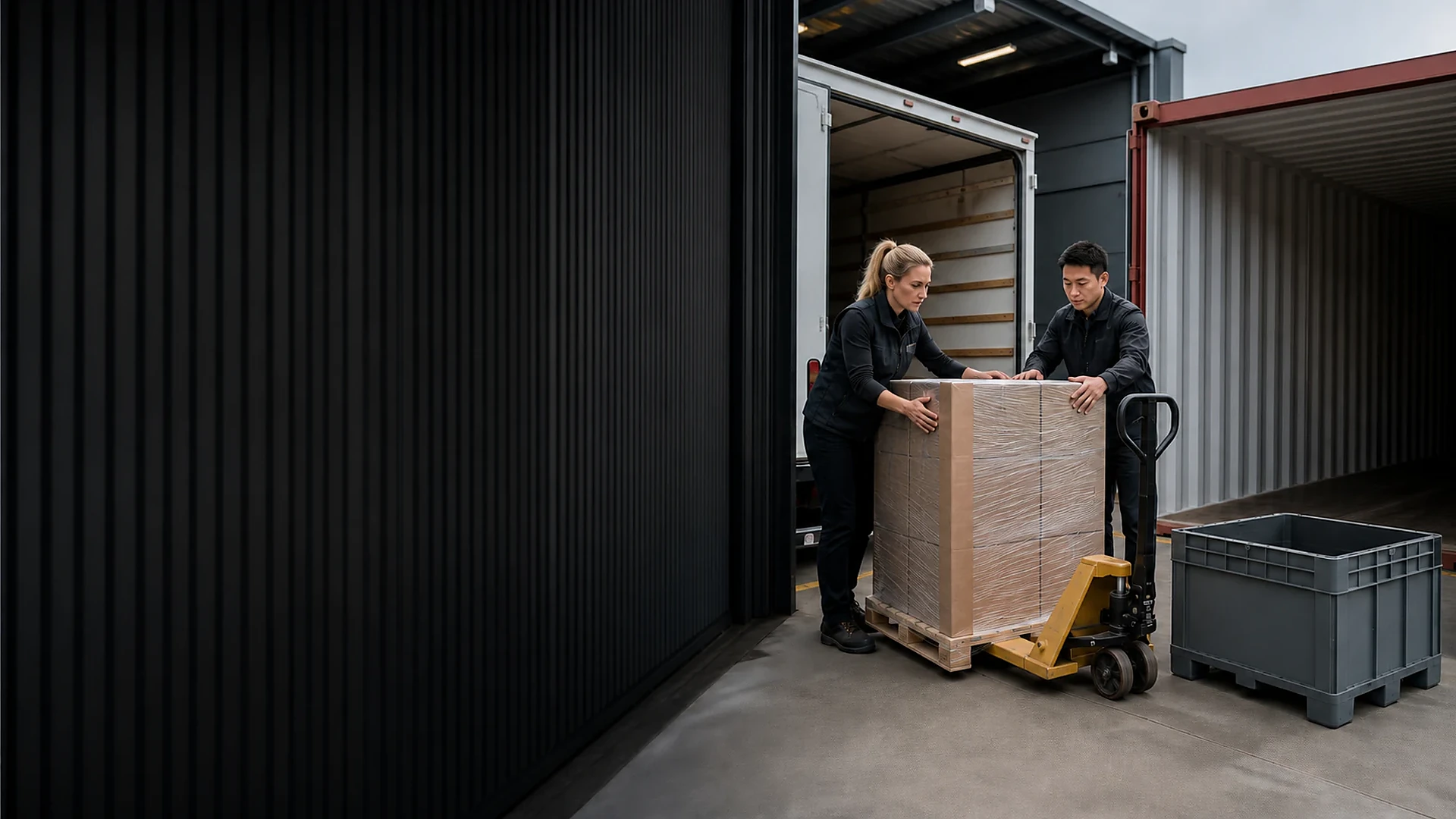
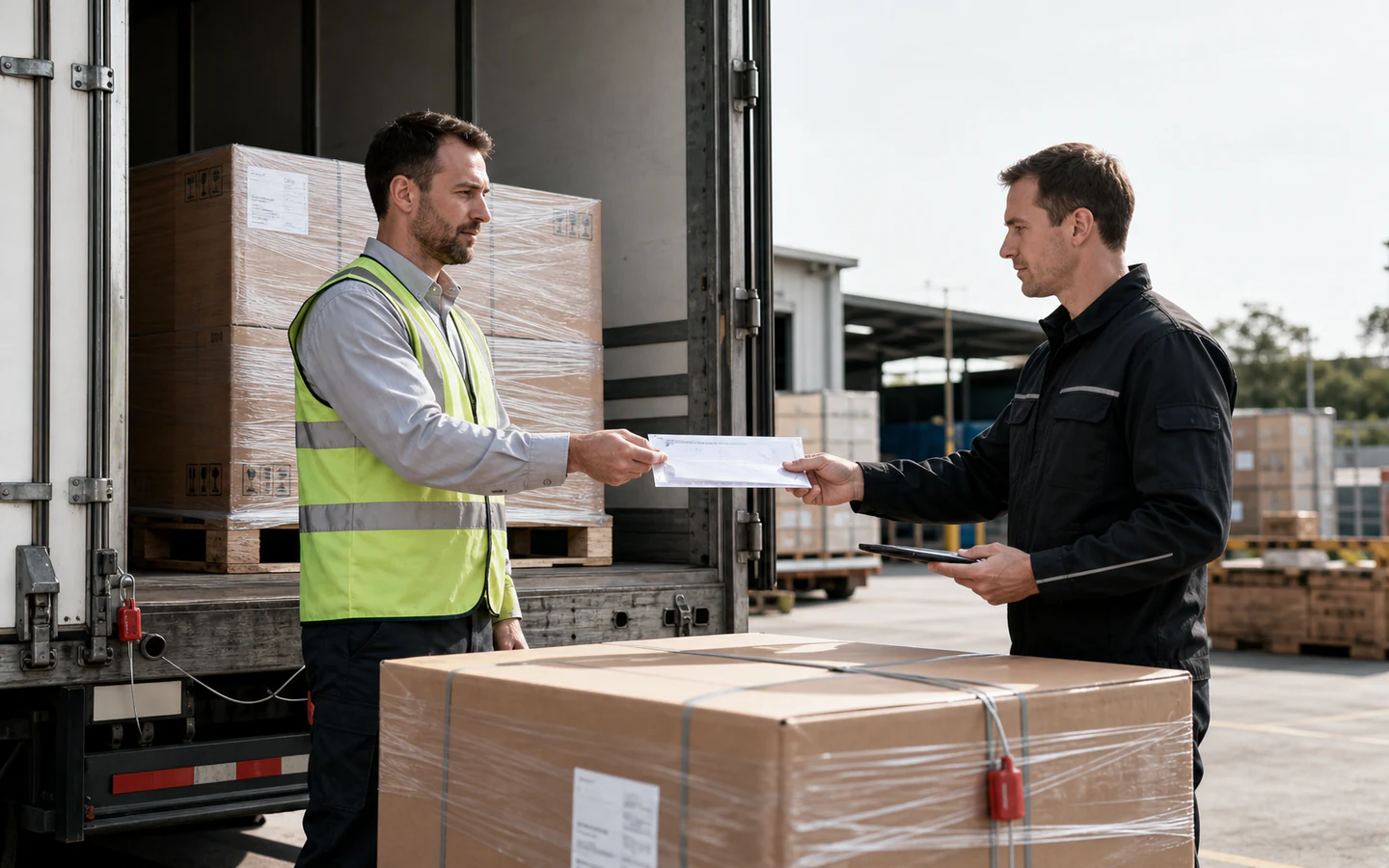
FCA Free Carrier Incoterm container handover at a freight terminal with export documents FCA Free Carrier Incoterm container handover at a freight terminal with export documents alternate workspace scene FCA Free Carrier Incoterm container handover at a freight terminal with export documents detailed sourcing coordination scene
Incoterms Library · FCA

FCA — Free Carrier, Explained

The term the ICC actually recommends for containers — and the one most buyers have never used. This guide shows what FCA commits each side to, where risk really transfers, and when it beats FOB for your China shipment.

🚢

Any Incoterm, explained

FOB, CIF, DDP, and EXW broken down in plain terms, not legal jargon.

🧾

Tariffs estimated by HS code

Duty rates matched to your product's classification before you commit to an order.

🛡️

Verified before deposit

Supplier and factory checks coordinated before your money moves — not after.

📦

Shipped under your Incoterm

Any Incoterm, coordinated from factory to your destination port.

Page visuals

Visual checkpoints for FCA — Free Carrier, Explained

Additional realistic images have been added to support the page content while keeping the current LIFA layout and card styling.

FCA — Free Carrier, Explained - Research notes

Research notes

A practical view of the sourcing work behind this page.

FCA — Free Carrier, Explained - Supplier examples

Supplier examples

Details buyers can review before they compare supplier options.

FCA — Free Carrier, Explained - Checklist view

Checklist view

China-side coordination evidence organized for clearer decisions.

FCA — Free Carrier, Explained - Practical review

Practical review

Operational details that help reduce avoidable sourcing mistakes.

FCA — Free Carrier, Explained - Next steps

Next steps

Preparation notes for production, packing, or shipment follow-up.

FCA in one paragraph

FCA (Free Carrier) means the seller delivers the goods, cleared for export, to a carrier or place named by the buyer — the seller's own premises, a freight forwarder's warehouse, or a terminal. Risk and cost transfer to the buyer at that named point. The seller's side includes export clearance; the buyer's side includes the main freight, insurance, import clearance, and delivery. FCA works for every mode of transport — sea, air, rail, road, and any combination.

Think of FCA as "EXW done properly for international trade": the seller still hands over early in the journey, but with the two problems of EXW fixed — the seller clears export (which only a local party can realistically do), and the handover point is somewhere your carrier actually operates.

The responsibility split, task by task

FCA: who does what and who pays
TaskSellerBuyer
Export packaging
Transport to the named place
Loading buyer's vehicle (if delivery at seller's premises)
Export customs clearance
Handover to the named carrier✔ Risk transfers hereTakes over from here
Main international freight
Cargo insurance✔ (optional, advised)
Import clearance, duties & taxes
Delivery to final destination

The named place decides one detail buyers miss: at the seller's premises, the seller loads your truck. At any other named place, the seller just arrives with the goods — unloading is your side. Name the place precisely in the contract.

Where risk transfers — the container gap FOB leaves open

Goods reach the named place, export-cleared

A forwarder's warehouse in Ningbo, a rail terminal, or the factory gate — wherever the contract names. Risk passes to the buyer at handover here.

The FOB problem FCA solves

Containers are handed to carriers days before they are lifted onto a vessel. Under FOB, risk only passes "on board" — so damage at the terminal sits in a gray zone neither side clearly owns. FCA closes that gap by transferring risk at the actual handover.

Buyer's carrier takes the cargo forward

Your forwarder books the main freight and issues its transport document from the named place. Insurance from this point is your call — see shipping insurance & risk.

FCA vs FOB: the practical comparison

FCA vs FOB for a China shipment
FactorFCAFOB
Transport modesAll modes — sea, air, rail, roadSea and inland waterway only
Risk transfer pointHandover at the named placeGoods loaded on board the vessel
Container cargo fitRecommended by the ICCCommon in practice, but leaves a terminal gray zone
Export clearanceSellerSeller
Who loads the vesselBuyer's carrierSeller's side
Familiarity with Chinese suppliersLower — expect to explain itVery high — the default quote

Honest note: FOB remains the workhorse of China trade, and for full containers loaded at the port it works well in practice. FCA matters most when cargo is handed over inland — consolidation warehouses, rail terminals, air freight — or when your bank or insurer wants the risk line exactly where the handover happens. For the three-way comparison most buyers start with, see FOB vs CIF vs DDP.

When FCA is the right call

  • Containerized cargo handed over before the port — the textbook FCA case, and the ICC's recommendation.
  • Air, rail, or multimodal shipments — FOB doesn't legally fit these; FCA does.
  • Consolidated orders — goods from several suppliers delivered to one forwarder's warehouse, each under FCA to the same named place. See freight consolidation.
  • Letter-of-credit payments — Incoterms 2020 lets the parties agree that the carrier issues an on-board bill of lading to the seller under FCA, solving the classic LC documentation snag.
  • Avoid FCA when the supplier only understands FOB and the shipment is a straightforward full container from the port — forcing an unfamiliar term invites mistakes.

FCA orders with a China-side partner

FCA's weak spot in China is unfamiliarity: many suppliers quote FOB by reflex and treat FCA as exotic. LIFA bridges that from China — agreeing the named place precisely, confirming who loads what, checking export documents before handover, and coordinating the delivery to your forwarder's warehouse through shipping coordination. The term on paper only protects you if the handover actually happens the way the term assumes.

Mistakes this guide prevents

  • Naming a vague place. "FCA Ningbo" is ambiguous; "FCA [forwarder name] warehouse, Beilun, Ningbo" is a contract.
  • Assuming the seller unloads at the terminal. Away from their premises, arrival is where the seller's duty ends.
  • Using FOB for air freight. It isn't defined for it — FCA is the correct term.
  • Leaving insurance unassigned. Neither FCA nor FOB obliges anyone to insure the main leg — decide, or the gap is yours.
Shipping documents and freight preparation for export from China — fca free carrier
LogisticsFreight, documents, and handover timing are settled before goods move.
TP

Open to Transparent Buyer Feedback

Trustpilot profile link
No invented ratings or review counts

LIFA Global Trade welcomes honest customer reviews on Trustpilot. Real feedback helps buyers evaluate our China sourcing support, communication, and coordination services with transparency.

Your honest feedback helps us improve our sourcing support and helps other buyers make informed decisions.

Buyer questions

FCA, answered simply.

The questions importers ask most about Free Carrier terms.

Under FCA, the seller delivers export-cleared goods to a carrier or place named by the buyer — the seller's premises, a forwarder's warehouse, or a terminal. Risk and cost pass to the buyer at that named point. The seller handles export clearance; the buyer handles main freight, insurance, import clearance, and delivery.

FOB transfers risk when goods are loaded on board the vessel and is meant for sea freight only. FCA transfers risk earlier, at a named place such as a forwarder's terminal, and works for every transport mode. For containerized cargo the ICC recommends FCA, because containers are handed to carriers days before loading — a gap FOB leaves ambiguous.

It depends on the named place. If delivery is at the seller's premises, the seller loads the buyer's collection vehicle. If delivery is anywhere else — a terminal or forwarder's warehouse — the seller only needs to arrive with the goods ready for unloading; unloading and everything after is the buyer's side.

The buyer pays the main international freight, cargo insurance if wanted, import duties and taxes, and final delivery. The seller pays for getting the goods to the named place and for export clearance.

Use FCA when your cargo is containerized and handed to a carrier or forwarder before the port — which is most container shipments. FOB remains common in China trade and works well in practice, but FCA gives a cleaner risk line for container handovers at inland terminals or consolidation warehouses.

Yes. FCA works for all transport modes — air, sea, rail, road, and multimodal. That flexibility is one of its main advantages over FOB, which is defined only for sea and inland waterway transport.

Shipping documents and freight preparation for export from China — fca free carrier
LogisticsComparable freight quotes start with accurate carton and cargo details.
Terms agreed, handover checked

Negotiating FCA or FOB with a Chinese supplier?

Send the quotation and your shipment plan. LIFA reviews the terms from China, pins down the named place, and coordinates the handover with your supplier and forwarder — so the Incoterm on paper matches what happens on the ground.