



Visual checkpoints for Sea vs Air Freight
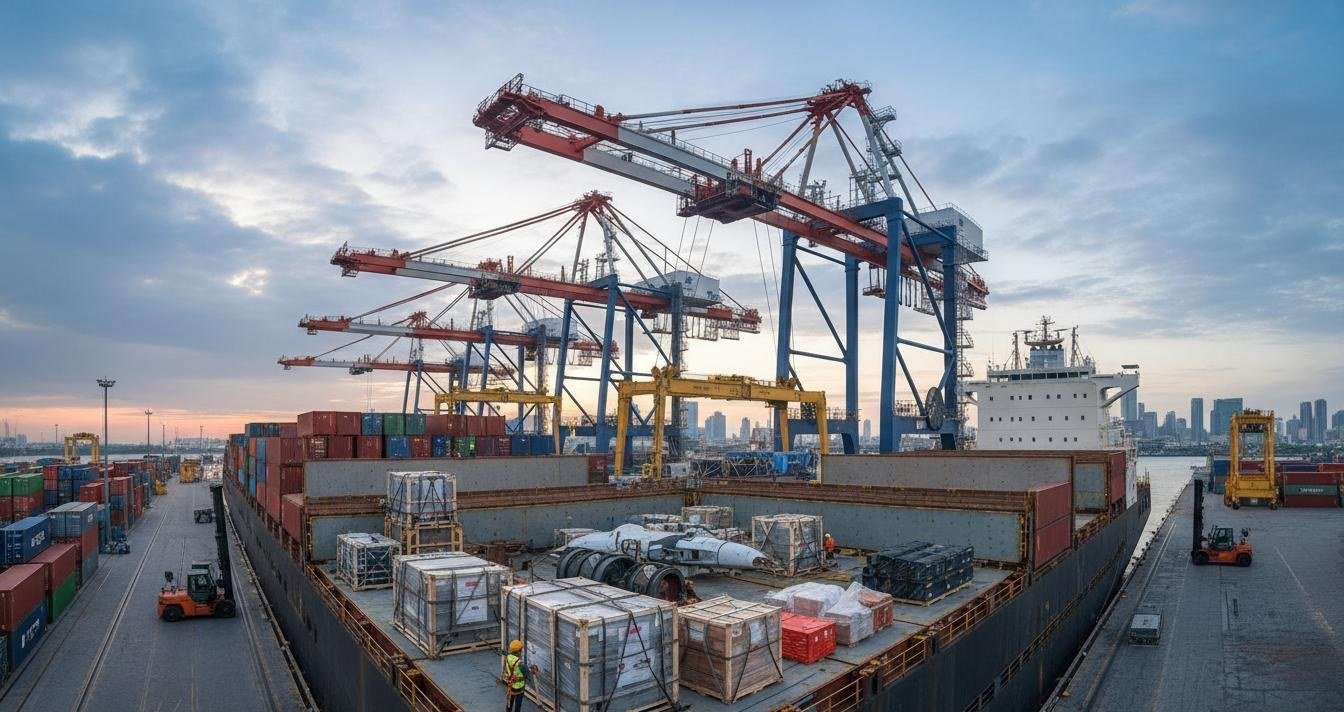
Additional realistic images have been added to support the page content while keeping the current LIFA layout and card styling.

Shipment planning
A practical view of the sourcing work behind this page.

Carton review
Details buyers can review before they compare supplier options.

Freight comparison
China-side coordination evidence organized for clearer decisions.

Document check
Operational details that help reduce avoidable sourcing mistakes.

Handoff prep
Preparation notes for production, packing, or shipment follow-up.
The real trade-off is cost per kilo, not total cost
Sea freight is priced largely by volume — per cubic meter for LCL, per container for FCL — while air freight is priced by weight, specifically chargeable weight, the greater of actual weight or a volumetric calculation based on dimensions. This is why sea freight wins decisively for bulky, low-value goods (furniture, large plastics) while air freight becomes proportionally more competitive for small, dense, high-value items (electronics components, jewelry) where the weight-based air cost isn't overwhelming relative to the product's value.
As a rough starting point, ocean freight commonly runs a fraction of the cost of air freight for the same shipment, but takes roughly 20–35 days port-to-port versus 3–7 days for air. The real question isn't which mode is cheaper in isolation — it's what that transit-time difference costs you in stockouts, cash-flow lockup, or a missed launch date.
How the two pricing models actually work
| Factor | Sea freight | Air freight |
|---|---|---|
| Priced by | Volume — per CBM (LCL) or per container (FCL) | Chargeable weight — actual or volumetric, whichever is greater |
| Typical transit, China to major destinations | Roughly 20–35 days port-to-port | Roughly 3–7 days |
| Best suited to | Bulky, low-value, or heavy goods | Small, dense, high-value, or time-sensitive goods |
| Cost per unit | Lower for most standard cargo | Higher, but proportionally smaller for high-value items |
| Booking flexibility | Vessel schedules are fixed and less frequent | More frequent flights, easier to book on short notice |
A light but bulky product — foam packaging, inflatable items, large but lightweight plastics — can cost more to air freight than its actual weight suggests, because the volumetric calculation takes over from actual weight. Always ask your forwarder for the chargeable weight, not just the actual weight, before comparing air quotes.
When each mode actually makes sense
- Choose sea freight when the order fills a meaningful share of a container or pallet, the product is bulky or heavy relative to its value, and your inventory planning has enough lead time buffer to absorb a 20–35 day transit plus potential port congestion delays.
- LCL vs FCL: orders too small for a full container ship as LCL, sharing container space with other shippers' cargo — cheaper per unit than air but with more handling touchpoints and slightly higher damage risk than a sealed FCL container. See the full LCL vs FCL comparison.
- Choose air freight when the product is small and light relative to its value, a launch date or stockout can't absorb a month of transit, or the order is a sample or urgent restock too small to justify sea freight's fixed costs and lead time.
- Express vs standard air: express couriers (door-to-door, faster, more expensive) suit small urgent parcels; standard air freight (port-to-port, requires separate customs clearance) suits larger air shipments at a lower per-kilo rate.
A practical way to decide: blend both modes
Many experienced buyers don't choose one mode exclusively — they use sea freight for the bulk of regular restock inventory, planned well ahead, and hold air freight in reserve specifically for the situations where running out of stock costs more than the freight premium: a viral sales spike, a missed initial shipment, or a time-sensitive seasonal launch. Building that flexibility into your freight plan is often more valuable than committing entirely to either mode. This is exactly the approach many Amazon FBA sellers use to hit peak-season deadlines without paying air rates on an entire order.
Choosing a mode with real cargo numbers
The sea-vs-air decision only works if the dimensions and weight feeding it are accurate — a supplier's estimated carton size is not the same as a measured one, and the gap is exactly where a "cheap" air quote turns expensive once the real chargeable weight is calculated. LIFA compares sea and air freight options against your actual cargo dimensions, weight, and timeline through shipping coordination, so the mode you choose is based on real numbers instead of a supplier's guess.
Mistakes this guide prevents
- Comparing air quotes on actual weight instead of chargeable weight. Always confirm which figure the quote is based on.
- Planning inventory forward from order date instead of backward from need date. A month's sea transit plus customs time adds up fast — see the FBA shipping guide for the backward-planning method.
- Defaulting to air freight for every urgent order. A blended sea-plus-small-air-topup often beats an all-air shipment on total cost.
- Not comparing LCL against FCL once volume grows. The per-unit cost crossover point comes sooner than most buyers expect.
- Ignoring port congestion buffer time. Sea freight's quoted transit time is not a guarantee — build in slack for peak season and port delays.
Related freight and shipping guides.
Continue through mode selection and the booking decisions that follow it.
LCL vs FCL Shipping
Booking your sea freight once volume is known.
Read the guide 🗃️Freight Consolidation Basics
Combining multi-supplier orders before choosing a mode.
Read the guide 📊How to Compare Freight Quotes
Comparing sea and air quotes on a like-for-like basis.
Read the guide 🏷️FBA Shipping Requirements
Applying the sea/air decision to an Amazon shipment plan.
Read the guideModel the Cost Difference
Compare sea vs air freight cost per unit, plus duty, before you commit to a shipping method.
Open to Transparent Buyer Feedback
LIFA Global Trade welcomes honest customer reviews on Trustpilot. Real feedback helps buyers evaluate our China sourcing support, communication, and coordination services with transparency.
Your honest feedback helps us improve our sourcing support and helps other buyers make informed decisions.
Sea vs air freight, answered simply.
The questions importers ask most about choosing a shipping mode from China.
For most shipments, yes, often by a wide margin per unit — but the real comparison depends on the product's weight-to-value ratio. Sea freight is priced by volume, so bulky, low-value goods ship cheaply by sea. Air freight is priced by weight, so small, dense, high-value items can be air freighted without the cost overwhelming the product's value.
Sea freight is priced largely by volume — per cubic meter for LCL, per container for FCL. Air freight is priced by chargeable weight, which is the greater of the shipment's actual weight or a volumetric weight calculated from its dimensions. A light but bulky product can cost more to air freight than its actual weight suggests, because the volumetric calculation takes over.
Chargeable weight is whichever is greater: the shipment's actual physical weight, or its volumetric (dimensional) weight, calculated from length x width x height using a standard divisor. Airlines charge on chargeable weight so that low-density, space-consuming cargo doesn't undercharge relative to the cargo space it occupies.
Orders too small to fill a container ship as LCL (less-than-container-load), sharing space with other shippers' cargo at a lower total cost but with more handling touchpoints. Orders large enough to fill, or nearly fill, a container are usually cheaper and safer as FCL (full container load), since the cargo isn't handled alongside unrelated shipments.
Express couriers (DHL, FedEx, UPS and similar) offer door-to-door service with customs handling included, faster transit, and a higher price per kilo — suited to small, urgent parcels. Standard air freight moves port-to-port at a lower per-kilo rate but requires separate customs clearance arrangement at destination, and suits larger air shipments.
Yes, and many experienced buyers do exactly this: the bulk of an order moves by sea on a planned schedule, while a smaller air freight shipment covers the gap during transit or responds to unexpected demand. This blended approach avoids paying air freight rates on an entire order while still protecting against a stockout.
Not sure whether sea or air makes sense for your order?
Send your product dimensions, weight, and timeline. LIFA compares sea and air freight against your actual cargo so you can choose based on real cost and transit data.