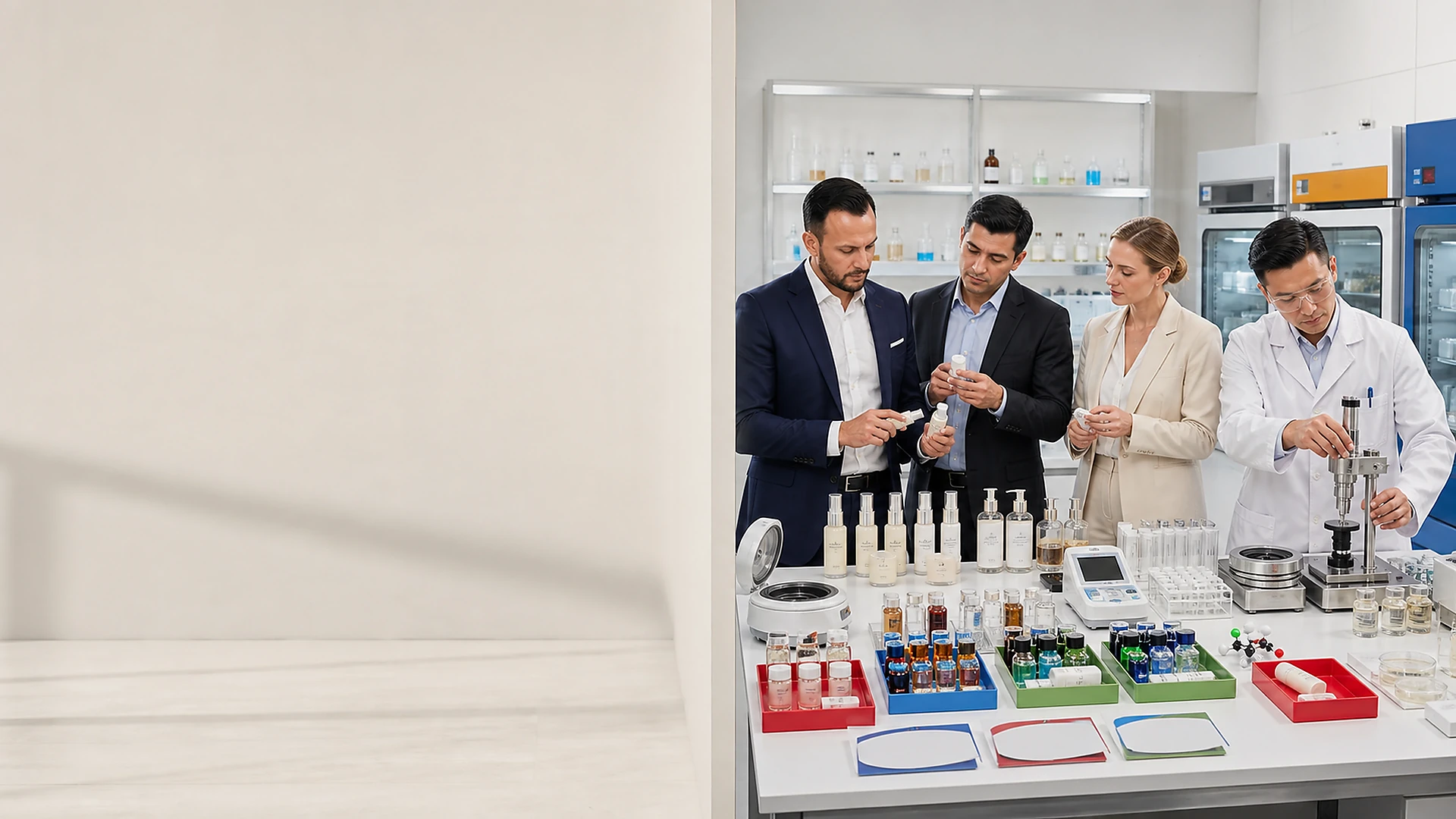
Cosmetic formula and packaging tested before a China production run Cosmetic formula and packaging tested before a China production run alternate workspace scene Cosmetic formula and packaging tested before a China production run detailed sourcing coordination scene
Category Sourcing · Beauty & Cosmetics

Beauty & Cosmetics Sourcing

Formulation, stability testing, and ingredient compliance across destination markets — before a single production batch is committed.

🗂️

Category-specific sourcing guidance

Electronics, apparel, furniture, and more — sourcing notes specific to each category.

🔍

Sourced beyond Alibaba listings

Supplier search covers 1688, trade fairs, and factory networks — not just marketplace ads.

🛡️

Verified before deposit

Supplier and factory checks coordinated before your money moves — not after.

🤝

Buyer-approved, LIFA-managed

LIFA runs the daily sourcing work; you approve supplier choice, quotation, and payment.

Page visuals

Visual checkpoints for Beauty & Cosmetics Sourcing

Additional realistic images have been added to support the page content while keeping the current LIFA layout and card styling.

Beauty & Cosmetics Sourcing - Research notes

Research notes

A practical view of the sourcing work behind this page.

Beauty & Cosmetics Sourcing - Supplier examples

Supplier examples

Details buyers can review before they compare supplier options.

Beauty & Cosmetics Sourcing - Checklist view

Checklist view

China-side coordination evidence organized for clearer decisions.

Beauty & Cosmetics Sourcing - Practical review

Practical review

Operational details that help reduce avoidable sourcing mistakes.

Beauty & Cosmetics Sourcing - Next steps

Next steps

Preparation notes for production, packing, or shipment follow-up.

Formulation comes before packaging

Beauty and cosmetics sourcing splits into two very different paths: buying a stock formula the factory already makes (fast, low MOQ, but not exclusive to you — competitors can buy the identical product), or commissioning a custom formulation (higher MOQ and development cost, but ingredients, scent, and texture are yours to control and protect). Deciding which path before approaching suppliers changes which factories are even relevant, since not every cosmetics manufacturer offers in-house formulation chemists.

Whichever path you take, the formula needs to survive contact with its actual packaging and the climate of its destination market — a serum that performs perfectly in a lab vial can separate, discolor, or react with a certain plastic once it's sitting in your actual bottle on a warm delivery truck.

Testing before you commit to a production run

  • Stability testing. A formula should be tested at accelerated conditions (commonly around 25°C, 40°C, and sometimes freeze-thaw cycling) over several weeks to predict shelf-life and catch separation, discoloration, or scent drift before a full production run is committed.
  • Packaging compatibility. Certain actives (essential oils, high-percentage acids) can degrade specific plastics or react with certain pump mechanisms over time. Request a compatibility test with your actual chosen packaging, not just the formula alone.
  • Microbial and preservative challenge testing. Water-based formulas (creams, lotions) need adequate preservative systems verified through a challenge test, especially for products shipped and stored across varying climates.
  • Exclusivity terms. If working from a stock formula, confirm in writing whether the supplier will sell the identical formula to other brands, and whether any customization (scent, color, minor tweak) earns you exclusivity.

Ingredient compliance by destination market

Cosmetics regulation varies significantly by destination and is one of the least forgiving categories to get wrong. The EU maintains a list of banned and restricted cosmetic substances and requires a Cosmetic Product Safety Report before sale; the US FDA regulates cosmetic labeling and prohibited ingredients (and treats some claims as drug claims, triggering stricter rules); China requires NMPA registration or filing for many cosmetic categories, with additional scrutiny for products making specific functional claims (whitening, sunscreen, anti-hair-loss).

Request the full INCI (International Nomenclature of Cosmetic Ingredients) list from the supplier early, and confirm it against your destination market's restricted-substance list before formulation is finalized — reformulating after production has started is far more expensive than catching it on paper.

Common mistakes in beauty sourcing

  • Approving a sample without full-batch retesting. A small hand-mixed sample batch can behave differently once scaled to a full production batch — retest stability on the actual production-run batch, not just the original sample.
  • Skipping destination-market label review. Ingredient disclosure format, required warnings, and net-content labeling rules differ by country — a label compliant for one market can be non-compliant for another.

Verifying formulation and compliance from China

Confirming a formula's stability, its compatibility with your actual packaging, and its INCI list against your destination market's restricted-substance list all benefit from someone who can request documentation directly from the supplier and follow up on gaps. LIFA helps organize formulation questions, stability and compatibility testing requests, and ingredient documentation review through product certification support and sample coordination, before a full production commitment.
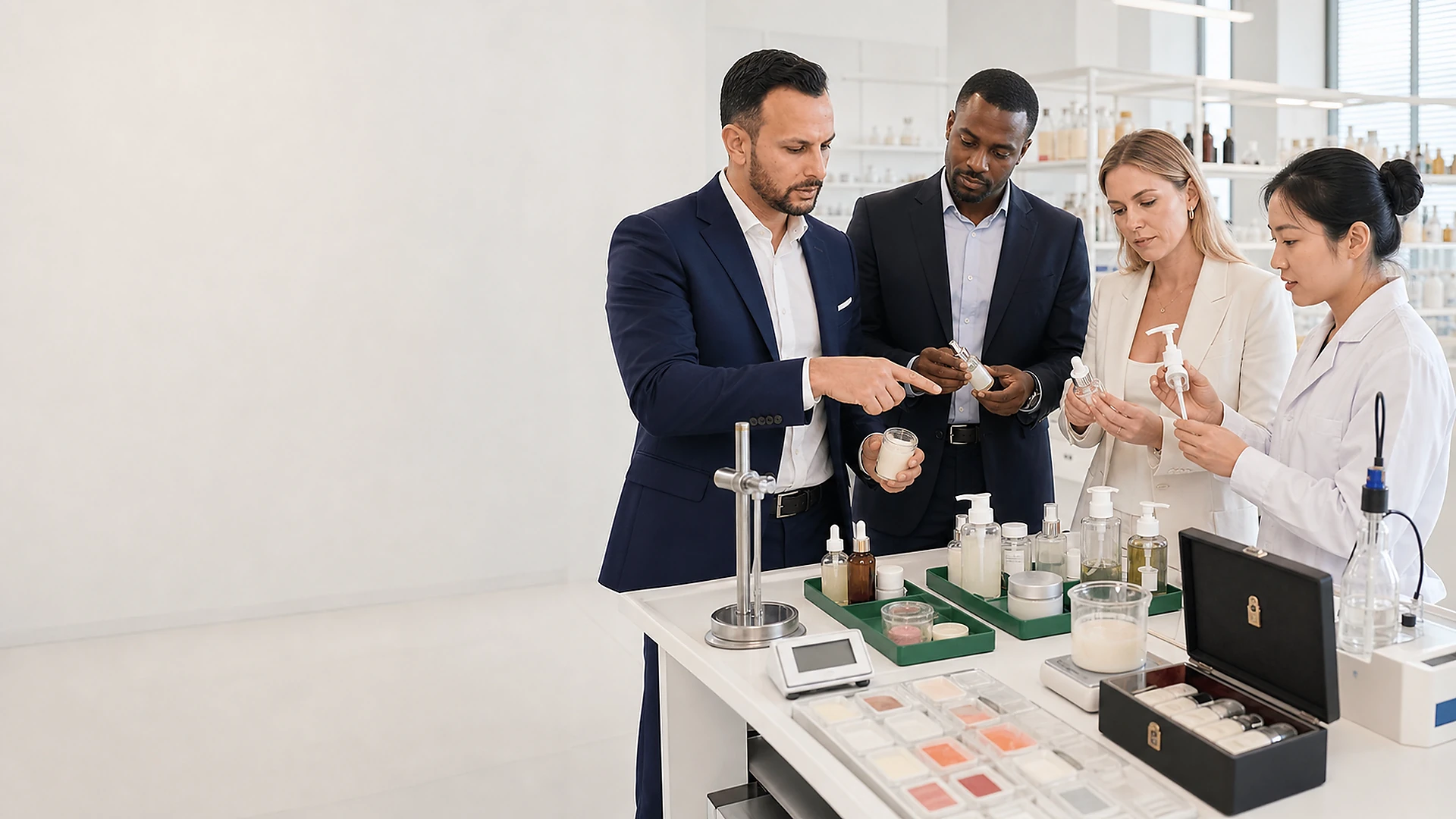
Cosmetic formula stability testing before a China production run
Category SourcingStability testing catches separation or discoloration before mass production.
TP

Open to Transparent Buyer Feedback

Trustpilot profile link
No invented ratings or review counts

LIFA Global Trade welcomes honest customer reviews on Trustpilot. Real feedback helps buyers evaluate our China sourcing support, communication, and coordination services with transparency.

Your honest feedback helps us improve our sourcing support and helps other buyers make informed decisions.

Buyer questions

Beauty sourcing, answered simply.

The questions importers ask most about formulation and compliance.

A stock formula the factory already makes is faster and has lower MOQ, but isn't exclusive — competitors can buy the identical product. A custom formulation costs more and carries a higher MOQ, but ingredients, scent, and texture are yours to control and protect. Deciding before approaching suppliers matters because not every cosmetics manufacturer offers in-house formulation chemists.

Stability testing exposes a formula to accelerated conditions — commonly around 25°C, 40°C, and sometimes freeze-thaw cycling — over several weeks to predict shelf life and catch separation, discoloration, or scent drift before a full production run is committed. A formula that performs well in a lab vial can still fail once sitting in its actual packaging in real shipping and storage conditions.

Certain actives, such as essential oils or high-percentage acids, can degrade specific plastics or react with certain pump mechanisms over time. A formula that's stable on its own can still fail once combined with an incompatible packaging choice, so compatibility should be tested with the actual chosen packaging, not the formula in isolation.

INCI (International Nomenclature of Cosmetic Ingredients) is the standardized ingredient list format used for cosmetic labeling. Requesting the full INCI list from the supplier early, and checking it against your destination market's restricted-substance list before formulation is finalized, is far cheaper than discovering a banned ingredient after production has started.

Yes. The EU maintains a list of banned and restricted cosmetic substances and requires a Cosmetic Product Safety Report before sale. The US FDA regulates cosmetic labeling and prohibited ingredients, and treats some claims as drug claims, triggering stricter rules. China requires NMPA registration or filing for many cosmetic categories, with added scrutiny for products making specific functional claims. Confirm requirements separately for each market.

No. A small hand-mixed sample batch can behave differently once scaled to a full production batch. Stability should be retested on the actual production-run batch, not assumed from the original sample, since scaling can change consistency, preservation, or stability characteristics.

Cosmetic packaging compatibility checked before shipment from China
Category SourcingPackaging compatibility is confirmed with the actual chosen bottle or jar.
Formulation verified before scale-up

Sourcing beauty or cosmetics products from China?

Send your formula and packaging details. LIFA helps organize stability testing, compatibility checks, and ingredient documentation review before a full production commitment.